
Meeting bots solve one problem by creating another: they join the call as an extra participant. That may be fine for a routine video meeting. But a client may object to the extra attendee, an IT team may restrict recording bots, or the conversation may happen away from a conferencing app.
A bot-free AI note taker gives you another route: record the conversation yourself, then turn the audio into notes, summaries, and action items.
Key takeaway
Bot-free does not mean one specific kind of device. It means the recording process does not require a meeting-bot account to enter the meeting as an attendee. The right recording method depends on where the conversation takes place.
| Bot-free workflow | Best Plaud option | Recording method | Offline recording | Best for |
|---|---|---|---|---|
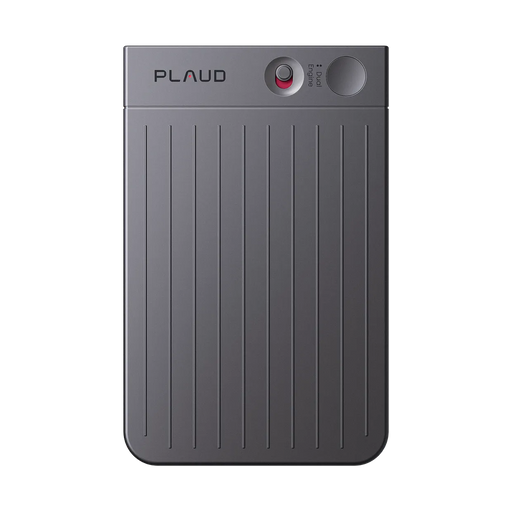
| Hardware no-bot recording | Plaud Note Pro | Dedicated device on the table | Audio can be recorded and stored locally before sync | Conference rooms, client meetings, and phone calls |
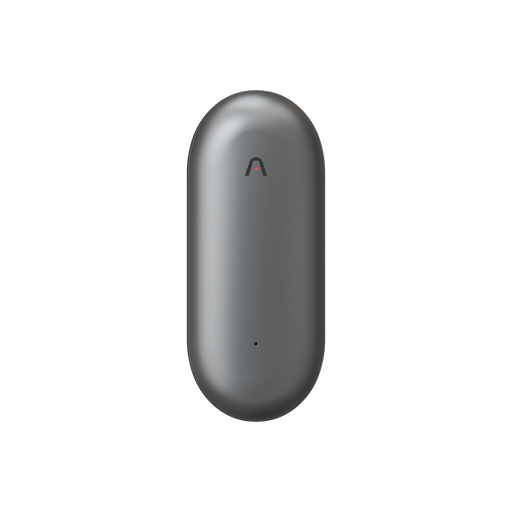
| Wearable no-bot recording | Plaud NotePin S | Wearable in-person capture | Audio can be recorded and stored locally before sync | Fieldwork, walking conversations, and back-to-back discussions |
| Online meeting no-bot capture | Plaud Desktop | Desktop audio capture | Depends on the desktop method and connection | Zoom, Google Meet, and Teams meetings |
| Search and reuse after recording | Plaud App and Ask Plaud | Transcript, summary, and search | Not applicable | Finding decisions, action items, and details after the meeting |
The important distinction is between capture and processing. Plaud Note Pro and Plaud NotePin S record audio on the device first.
Transcription, summaries, and Ask Plaud responses are generated after the recording syncs to the Plaud system. That gives you a way to record in a bot-free meeting. AI processing runs when you sync later.
What does bot-free mean in AI note taking?
An AI meeting bot is software that joins a video call, often with its own attendee name, to capture audio and send it to a transcription service. A bot-free workflow records without adding that extra attendee. The recording can come from dedicated hardware, a wearable device, or desktop audio capture.
Some teams do not want an unfamiliar account in a client call. Some companies require security or privacy review before allowing automated attendees. Not all conversations happen in Zoom, Google Meet, or Teams. A boardroom discussion, a site conversation, and a phone call each need a recording method that works outside a meeting platform.
Hardware works away from a laptop, but you still need to start the device and manage consent. Desktop capture avoids adding a bot to the call, but it depends on the computer and the correct audio feed.
The choice comes down to where the conversation happens. Use hardware for rooms, phone calls, and mobile conversations. Use desktop capture when the meeting already runs through a computer.
Bot-free process comparison
The table above is easier to use if you start with the conversation, not the product name. Ask where the audio begins, whether you will have a stable connection, and what you need to do with the notes afterward.
For a room meeting or a phone call, Plaud Note Pro is the most direct hardware option. For a mobile conversation where a table is unavailable, Plaud NotePin S keeps the recorder with you.
For a remote meeting, Plaud Desktop captures the computer-based conversation without requiring a meeting bot to join. After any of these recording methods, Plaud App and Ask Plaud handle search and follow-up.
The consent column should be treated as part of the recording process, not as legal fine print. Follow local recording laws, company policy, and any requirement to tell participants before recording. A process can be technically bot-free and still require permission.
Why Plaud is bot-free by design
Plaud separates the capture device from the meeting platform. That is the core reason it works for conversations that do not have a joinable online room.
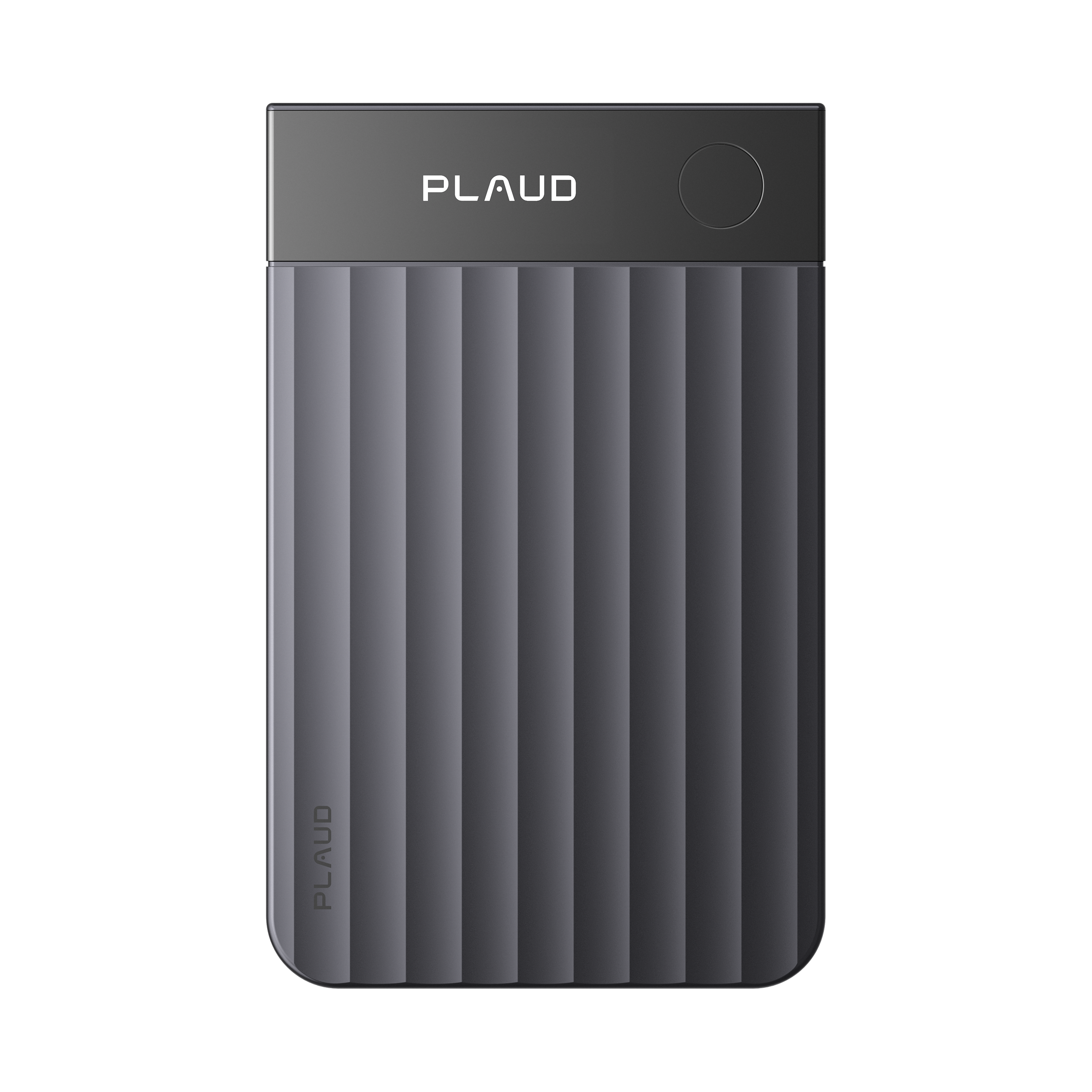
Plaud Note Pro: best for rooms and phone calls
Plaud Note Pro is the room-first choice for client meetings, workshops, and phone calls where placing a meeting bot in the conversation is not an option. Place the device on the table, press record, and keep your laptop available for the actual discussion.
Its four MEMS microphones with AI beamforming capture voices from up to 5 meters, or 16.4 feet, in a suitable room.
Pros:
- Captures in-person meetings without a conferencing app or bot attendee.
- Supports a hardware option for room conversations and phone-call recording.
Cons:
- You still need to start the recording, notify participants, and sync the audio before AI outputs are available.
After the meeting, Plaud App can turn the recording into a transcript, summary, and action-item list. The device can record and store audio locally, but that is not the same as fully local AI processing. The meeting happens first.
Cloud-based processing runs when you sync.
Plaud Note Pro makes more sense when your main problem is capturing a complete room or call without adding another attendee. If most of your conversations are online and you usually have a computer available, Plaud Desktop may be the lighter entry point.
Price: Check the current Plaud Note Pro price before purchase.
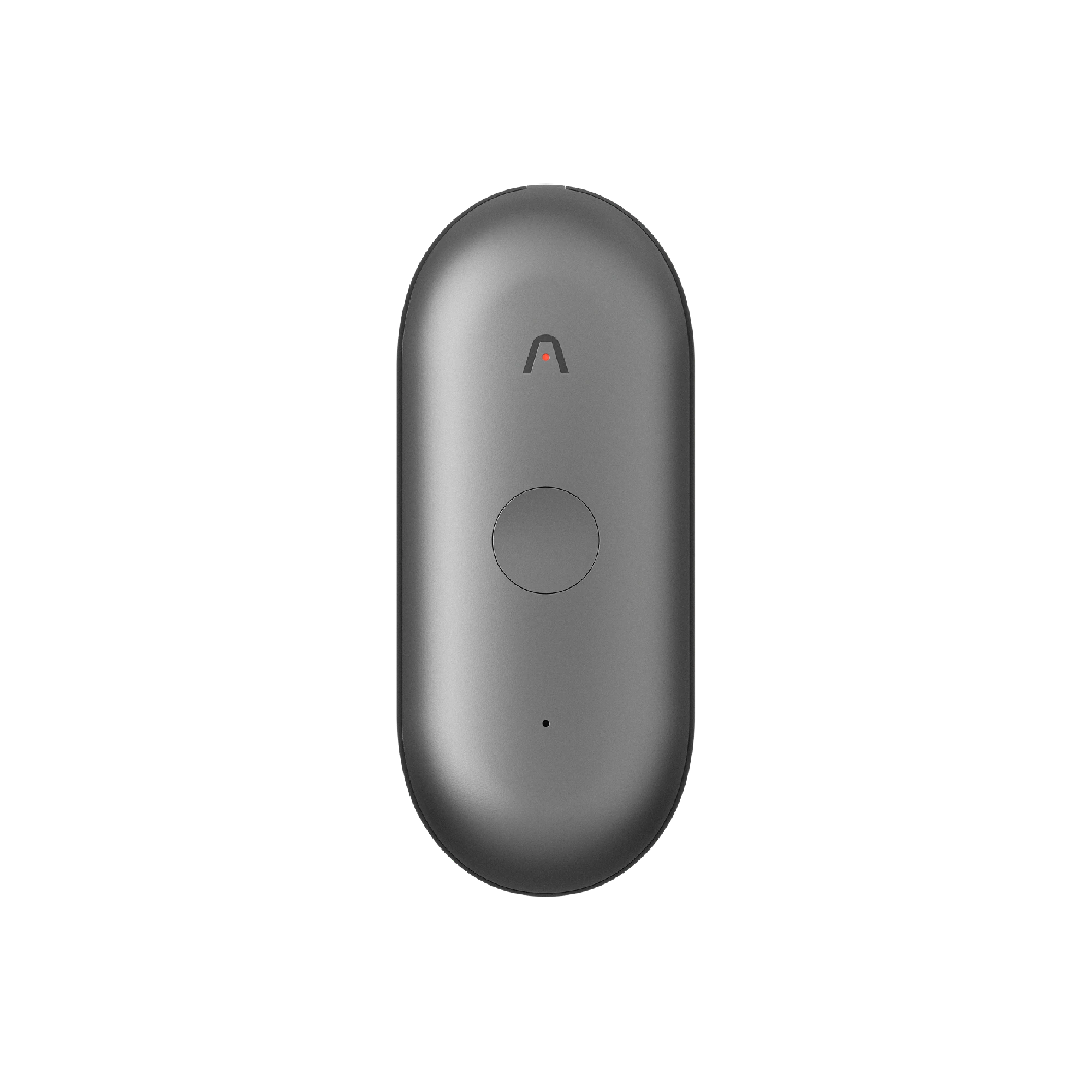
Plaud NotePin S: best for mobile and wearable capture

Plaud NotePin S makes more sense when the conversation moves with you. Clip it to your clothing and use it for field conversations, walking discussions, quick interviews, or a day of back-to-back interactions where placing a recorder on a table is unrealistic.
Pros:
- Keeps bot-free recording available when you are moving between people or locations.
- Uses a wearable form factor for hands-free in-person capture.
Cons:
- Its smaller wearable design is not the first choice for covering a large room from a central table position.
The recording stays connected to the Plaud App: record first, sync later, then review the transcript and summary. Plaud NotePin S therefore suits mobile capture, but it does not start every recording automatically. You still need to press record and follow the recording rules that apply.
Plaud NotePin S makes more sense when the meeting is really a stream of conversations rather than one seated session. For a boardroom, workshop, or phone-heavy schedule, Plaud Note Pro gives you a more scene-appropriate recording method.
Price: Check the current Plaud NotePin S price before purchase.
Plaud Desktop: best for online meetings without a bot attendee
Plaud Desktop is the no-bot option for remote meetings. Instead of sending a bot into Zoom, Google Meet, or Teams, it uses the computer-based meeting workflow to capture the online conversation. That keeps the meeting participant list focused on people, with transcripts and summaries available through the same Plaud workflow.
Pros:
- Fits remote meetings where the conversation already runs through a computer.
- Avoids the visible bot-attendee workflow of many meeting-note services.
Cons:
- Depends on the computer, desktop configuration, and the supported audio feed for the meeting.
Plaud Desktop handles remote meetings, not in-person rooms. It does not replace a physical recorder for a boardroom or phone call, and it does not apply when you are walking between conversations.
If you already own a compatible Plaud device, the same account enables Plaud Desktop. That means one Plaud account can cover both in-person recordings and online meetings.
Plaud Desktop suits remote-first work where the computer is already the center of the conversation. Hardware makes more sense when the meeting exists independently of a laptop.
Price: Check the current Plaud Desktop access and plan details before purchase.
Plaud App and Ask Plaud: best for finding what happened later

Plaud App and Ask Plaud are not replacement recording devices. They handle what happens after the conversation ends. Once the audio syncs and is transcribed, you can review the summary, locate a decision, ask about a topic, or pull out action items without replaying the file.
Pros:
- Turns separate recordings into a searchable collection of meeting knowledge.
- Helps move from raw audio to summaries, questions, and follow-up work.
Cons:
- Search and AI answers depend on the recording being synced and processed first.
If you are looking for "automatic meeting notes without any setup," keep one step in mind: the recording still has to sync before Plaud can process it.
You do not need to remember which device held the original conversation. Search the resulting notes in the same account and use the answer in your next task.
Plaud App and Ask Plaud earn their place when your biggest problem is retrieval rather than recording. They work best after Plaud Note Pro, Plaud NotePin S, or Plaud Desktop have captured the conversation.
Price: Access and usage limits depend on the current Plaud plan.
Automatic meeting notes without any setup
No recording process is literally setup-free. The practical question is how much preparation remains when the meeting starts.
With Plaud Note Pro, place the device where voices can reach it and press record. With Plaud NotePin S, clip it on and use the record control when a conversation begins. With Plaud Desktop, open the desktop method before the online meeting and confirm the correct audio feed is selected.
The manual work moves to the right place. Instead of writing while listening, you review the transcript and summary afterward. You still check names, decisions, and sensitive details before sharing. Automation reduces interruption but does not replace judgment about what to share.
Local recording vs. cloud AI processing
Local recording and cloud AI processing solve different parts of the problem. Plaud Note Pro and Plaud NotePin S can capture and store audio on the device before synchronization. That applies when connectivity is unreliable or when you want to avoid a live bot connection.
The transcript, summary, and Ask Plaud response are separate outputs that generally require the recording to sync for processing. So read "works without internet" carefully: you may be able to record offline, but that does not mean every AI feature runs offline or on the device.
For sensitive meetings, apply retention and access rules after sync. Tell participants what is being recorded, limit who can access the notes, and delete recordings when policy requires it. Recording without a bot still requires the same consent, retention, and access controls as any other method.