
A hybrid meeting can sound fine to the people on the call and still produce a poor record of the room. The laptop may not hear the person sitting three seats away.
If the room carries the important discussion, start with room capture. If everyone is remote, live transcription may matter more. Before comparing products, identify which audio feed is most likely to fail.
What should you look for in a hybrid meeting note taker?
Start with the room, not the feature list. Remote voices enter through Zoom, Google Meet, or Teams. In-room voices depend on the laptop, a room microphone, or a recorder on the table. One clear method does not guarantee the other.
- Scene capture fit: Check the distance between the microphone and the speakers. For a large room, prioritize pickup over summary features. For a small room, software may be enough if people sit close to the laptop. See these in-person meeting note takers for a room-first comparison.
- Output usefulness: Look for transcripts, speaker labels in hybrid transcripts, decisions, and action items. Check whether someone can share the recap, assign an owner, or look up the record later.
- Ease of starting: Check how recording starts. Does a bot need an invitation? Does the host need to approve it? Does the user need another app? A tool that is hard to start can fail before the first agenda item.
- Environment and network fit: Confirm compatibility with Zoom, Google Meet, and Teams. Then separate local recording from cloud transcription. A device may keep recording when the network drops, while the transcript waits for upload.
- Privacy and recording control: Confirm when recording starts and how the file is shared. A bot-free method still requires the notice and consent required by company policy or local law.
- Total cost: Compare the device, plan, transcription allowance, time to start, and restrictions. A free app is not cheaper if it cannot capture the room you actually use.
Best AI note takers for hybrid meetings
Plaud Note Pro leads when the room is the hard part. Otter, Fireflies, and Fathom are stronger for online-first meetings, while Avoma serves a narrower sales workflow.
| Tool | Best for | In-room capture | Remote meeting capture | Bot-free option | Main output | Main limitation | Starting price |
|---|---|---|---|---|---|---|---|
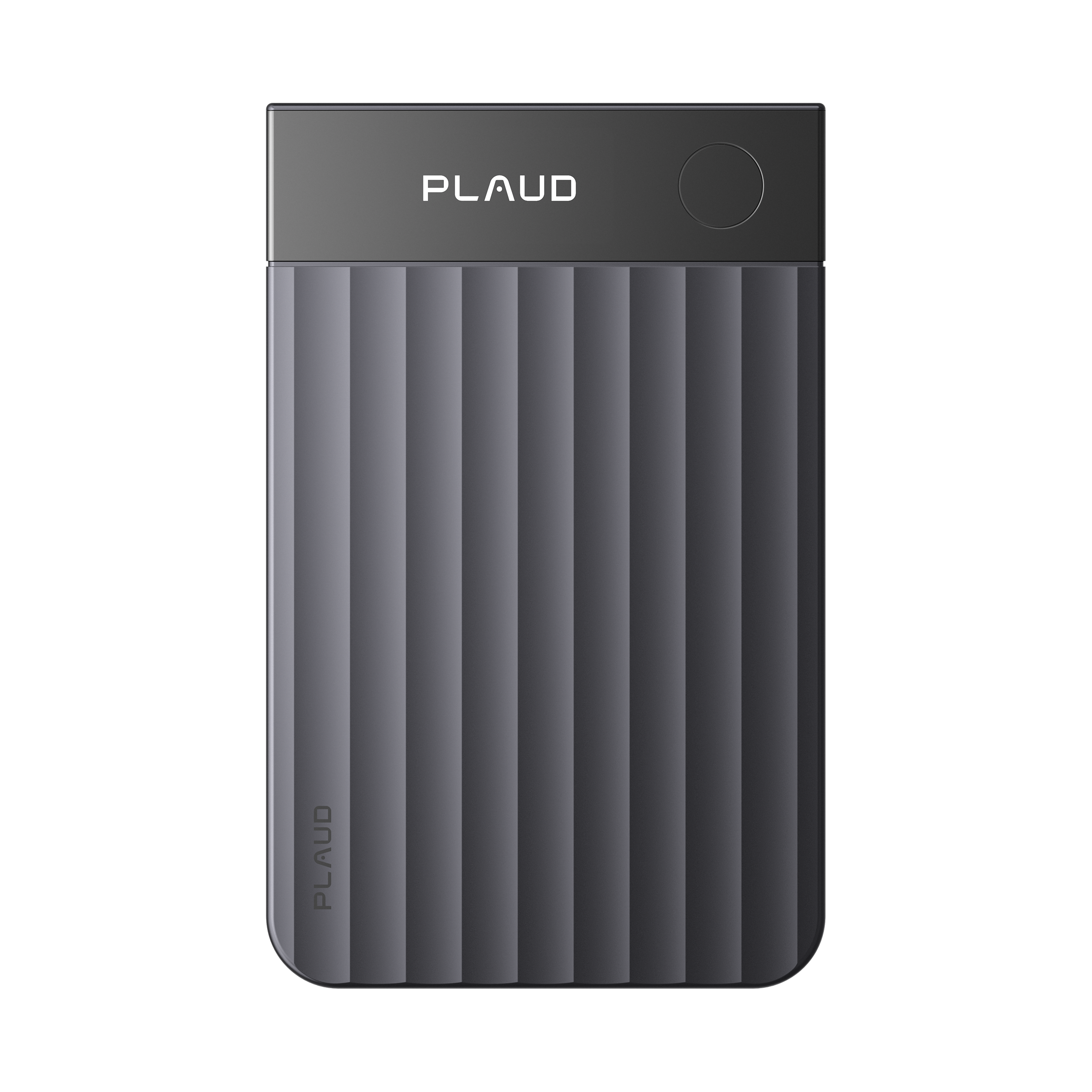
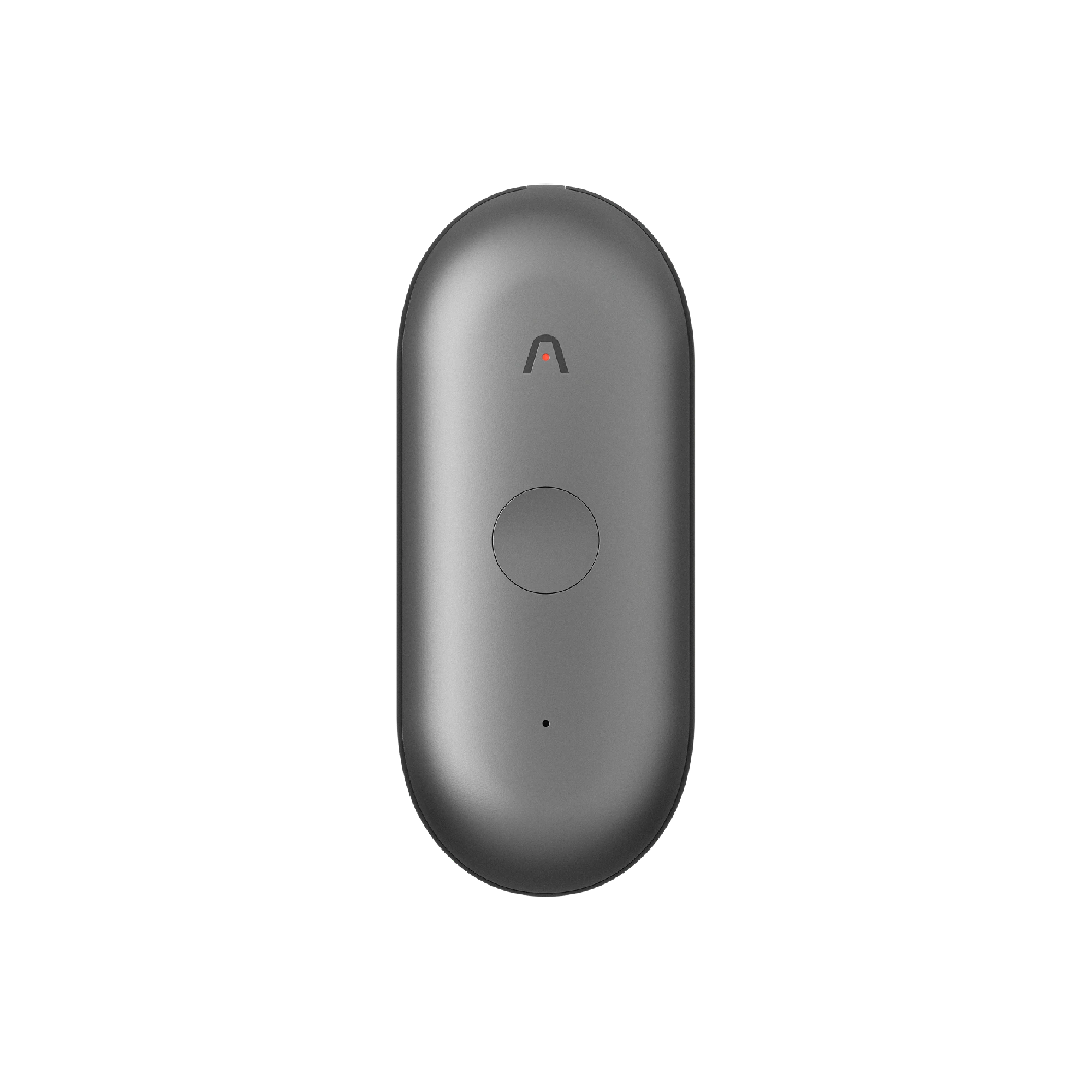
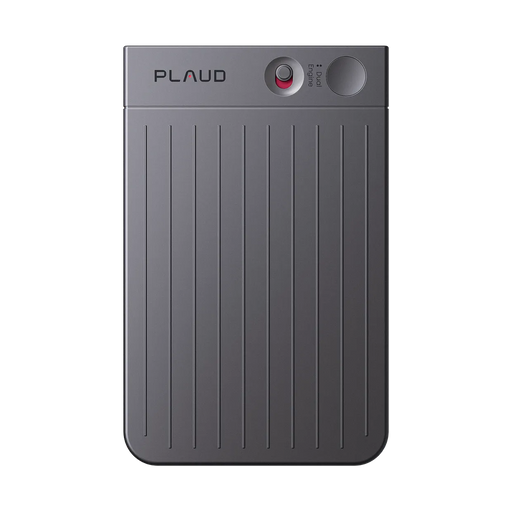
| Plaud Note Pro | Large rooms with remote participants | Physical recorder, up to 5 meters | Room audio can include remote voices played through the room | Yes | Transcripts, summaries, insights, and follow-ups | Upfront device cost | $189 |
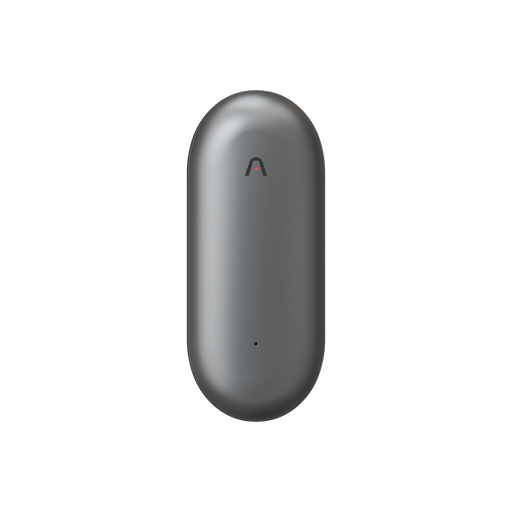
| Plaud Note | Smaller hybrid rooms | Physical recorder, up to 3 meters | Dual-mode calls and meetings | Yes | Transcripts, summaries, and insights | Manual mode switching and shorter range | $159 |
| Otter.ai | Live transcription and searchable notes | Browser or mobile microphone | Notetaker, desktop app, and supported platforms | Yes through Otter Desktop | Live transcript, summaries, takeaways, and search | Room quality depends on microphone placement | Free, paid plans from $8.49/user/month annual |
| Fireflies.ai | Searchable records and team follow-up | Mobile or desktop system audio | Notetaker, desktop, Chrome, and platform integrations | Yes through supported desktop or SDK methods | Transcripts, summaries, tasks, search, and analytics | System-audio mode lacks separate files and speaker labels | Free, paid plans from $10/user/month annual |
| Fathom | Online-first meetings | Limited room workaround | Zoom, Google Meet, and Teams | Bot-free beta on supported setups | Transcripts, summaries, action items, and search | Not designed for large in-person rooms | Free, paid plans from $16/user/month depending on billing |
| Avoma | Structured customer and sales meetings | Online capture, in-person details vary | Zoom, Teams, Meet, Webex, and other platforms | Native botless and bot-based options | Notes, actions, topics, insights, and CRM updates | Dedicated offline room capture is not clearly documented | From $19/recorder seat/month annual |
1. Plaud Note Pro: best for a room-first hybrid setup
If the room is the main recording risk, Plaud Note Pro is the clearest choice in this comparison. It is aimed at project managers and operations leads who need one record of a busy room and the remote call.
Pros:
- Captures a wider room from a physical table position.
- Does not join the meeting as a bot.
- One bound device supports both Plaud Desktop for online meetings and physical recording for in-room conversations.
Cons:
- The $189 upfront cost is harder to justify for remote-only meetings.
Plaud Note Pro uses four MEMS microphones and AI beamforming to pick up voices from a listed range of up to 5 meters. It records from the table instead of joining the call as a participant, so the device does not appear in the participant list.
Once the device is bound to the buyer's Plaud account, that account can use Plaud Desktop for online meetings and the device for in-room conversations. That gives one arrangement covering both sides of a hybrid workday. Plaud Intelligence turns the recordings into transcripts, summaries, insights, and follow-ups. Plaud Starter Plan includes 300 minutes per month after binding a device. See the Plaud Note Pro product page for the offer.
This works best when the remote voices play clearly through the room speakers. The device also does not replace the organizer's consent process. The $189 cost is easier to justify when people are spread around a table. For a remote-only meeting, software may be the simpler choice.
Plaud Note Pro makes more sense when room audio is the main risk, the bot should stay out of the participant list, and the recorder can sit near the center of the discussion.
Price: $189. Plaud Starter Plan includes 300 minutes per month. Plaud Pro Plan lists 1,200 minutes per month at $99.99 per year.
2. Plaud Note: best for smaller hybrid rooms
Plaud Note is a practical physical recorder for smaller rooms where manual mode switching is acceptable. It suits teams that want room capture at a lower device price.
Pros:
- Lower device price than Plaud Note Pro.
- Supports phone calls and in-person recording.
- The bound device also enables Plaud Desktop for online meeting capture.
Cons:
- Shorter pickup range and more manual operation.
Plaud Note supports AI note takers for phone calls and in-person conversations, with a listed pickup range of up to 3 meters. Once bound to the buyer's Plaud account, it also gives you access to Plaud Desktop for online meeting capture. One account can then cover online and offline conversations, although Plaud Note still requires manual mode switching. Recordings move into Plaud Intelligence for transcripts, summaries, insights, and follow-ups. Plaud Starter Plan includes 300 minutes per month.
The compromise is room coverage and convenience. Plaud Note is weaker in a large room and requires manual mode switching. Shorter range and more manual operation are easier to accept when speakers stay close and $159 is a simpler budget approval than the Plaud Note Pro price.
Plaud Note makes the most sense when the room is small, the speakers stay close, and the team wants physical capture without the higher device price.
Price: $159 on Plaud's current product comparison.
3. Otter.ai: best for live transcription and searchable notes

Otter is a flexible online-first choice when live text matters more than room pickup. It is a good match for teams whose meetings are mostly remote.
Pros:
- Live transcription, search, and multiple recording methods.
- Botless desktop recording is available for supported meetings.
Cons:
- A laptop microphone is still a weak solution for a large room.
Otter works on the web and mobile, with Notetaker for supported platforms and botless desktop recording. It adds live transcription, speaker identification, summaries, action items, AI Chat, search, and exports. A remote-first team can therefore capture a call in more than one way and revisit it later.
The room remains the weak point.
It still depends on the computer or mobile microphone, and Otter does not turn a laptop into a room array. Basic is free with 300 monthly minutes, although the free plan limits imports, conversation duration, and history.
Otter is a better match when most voices are online, the team wants live transcription, and a botless desktop option is useful.
Price: Free Basic plan. Pro starts at $8.49 per user per month on annual billing.
4. Fireflies.ai: best for searchable records and team follow-up

Fireflies is the broadest option here when a team needs searchable records and follow-up tasks.
Pros:
- Offers bot, desktop, mobile, Chrome, and SDK recording methods.
- Strong search, task, and meeting analytics features.
Cons:
- Botless system audio lacks separate files and speaker labels.
Fireflies offers bot, desktop, mobile, Chrome, and SDK recording methods. It lists multilingual transcripts, summaries, AskFred, action items, search, and meeting analytics. CRM connections matter only when customer or sales follow-up is the next task.
System-audio mode lacks separate files and speaker labels, while bot capture can require host admission or platform permission. The Free plan also has storage limits, and follow-up features may depend on plan or AI credits.
Fireflies works for teams that value searchable records and follow-up tasks and can accept either a visible bot or a more limited system-audio method.
Price: Free plan available. Pro starts at $10 per seat per month on annual billing. Business starts at $19.
5. Fathom: best for online-first meetings

Fathom is a low-cost option when everyone is online and the room contributes very little audio. It is not trying to be a dedicated room recorder.
Pros:
- Free plan includes unlimited recordings and transcriptions.
- Supports major online meeting platforms.
Cons:
- Not a dependable choice for several in-room speakers.
Fathom works with Zoom, Google Meet, and Teams, with bot and newer bot-free options depending on the platform and device. The Free plan includes unlimited recordings and transcriptions, plus summaries, search, clips, and integrations.
The limitation appears as soon as several people speak around a table. Fathom's older experience is designed for online meetings, and a laptop workaround cannot reliably distinguish several speakers in one room. Its value also drops when offline capture matters.
Fathom is the simpler choice when remote audio is the main source and the physical room is occasional and small.
Price: Free plan available. Paid plans start at $16 per user per month, depending on billing.
6. Avoma: best for structured customer and sales meetings

Avoma is a specialist choice for teams that need conversation intelligence tied to a customer or sales process. It is built for structured follow-up, not general-purpose room recording.
Pros:
- Strong structured notes and conversation insights.
- Supports botless and bot-based online capture.
Cons:
- Dedicated offline room capture is not clearly documented.
Avoma works with major meeting platforms and lists botless and bot-based recording, real-time transcription, AI notes, action items, and speaker insights. CRM integrations help when that is the team's next step.
Dedicated offline room capture is not clearly documented, so Avoma should not be treated as equivalent to a physical recorder. Its recorder-seat model suits structured sales teams but may be too much for occasional hybrid meetings.
Avoma makes more sense when the meeting record needs to enter a customer or sales process and the team is willing to configure that workspace.
Price: Starts at $19 per recorder seat per month on annual billing.
Which option works for different hybrid meeting patterns?
Large room with several remote participants
Put room capture first.
A Plaud Note Pro on the table is the clearest choice when people are spread across the room. Test the actual table, speaker placement, and room noise.
Small room with one laptop
Software may be enough when everyone sits close to the computer. Plaud Note is the practical step up when you still want a separate physical recording method without paying for the longer pickup range of Plaud Note Pro.
Sensitive meeting where bots are restricted
Compare a physical recorder with desktop system audio. Plaud Note Pro does not appear as an extra participant, while Otter Desktop and Fireflies Desktop offer bot-free options for supported meetings. Bot-free changes the interface, not the consent requirement.
Mostly remote meeting with one person occasionally in a room
Online-first software may cost less when remote audio is clear. A physical recorder earns its cost when the person in the room is often far from the laptop.
Meeting with no reliable network
Separate recording from transcription. Local capture may continue while cloud notes wait for upload, so confirm the exact product and plan before promising live notes.
How do Zoom, Google Meet, and Microsoft Teams change the choice?
The platform changes how a bot joins, how consent appears, and which recording methods are available. Check whether Zoom uses a participant or desktop option, whether Google Meet needs an extension or SDK, and whether Teams requires an administrator setting.
How to run a hybrid meeting recording process?
- Before the meeting, confirm the policy, notify participants, choose the recording method, and test the room microphone.
- During the meeting, confirm the remote audio feed and the active platform or recording mode. Do not change tools halfway through.
- After the meeting, verify decisions, owners, dates, and speaker labels before sharing the summary.
- Archive the approved record, restrict access to sensitive material, and delete it when retention rules require it.
For the operating steps, see how to record virtual, in-person, and hybrid meetings.