
A site visit is a poor match for ordinary note-taking apps. You may wear gloves, carry a clipboard, or stand beside a generator while a subcontractor explains a change. A laptop microphone is little help.
The best AI note taker for site visits captures conversation without making you stop the walkthrough. For daily inspections and coordination walks, a wearable recorder is a better starting point than a meeting bot. A site-trailer video call is different.
What counts as a construction site visit (and why normal meeting bots fail)
A site visit can mean an inspection, progress walk, safety review, survey, client walkthrough, or coordination walk. Useful details are often spoken beside a wall, pipe run, or unfinished detail.
That movement changes the recording problem. A meeting bot works inside Zoom, Google Meet, or Microsoft Teams, but it does not follow a team around a jobsite. A phone app can record in person, but the phone may be in a pocket or several feet from the speaker.
PPE and safety matter too.
An audio device should not interfere with a hard hat, vest, gloves, or other required equipment. OSHA provides safety context, not recording-consent rules.
AI note takers vs field documentation apps
An AI note taker records what people say. A field-documentation app records what the site looks like and how the project is progressing. Both can be useful after a walkthrough, but they answer different questions.
CompanyCam, Raken, and OpenSpace-style tools focus on visual project records. They organize photos, videos, checklists, maps, and reports so a team can document a cracked surface, an installed component, or a completed stage of work.
CompanyCam’s current product materials, for example, emphasize timestamped photos and videos, project organization, reports, checklists, and offline mode.
An AI note taker is better suited to the spoken record, such as a conduit change, delivery delay, or RFI explanation. It can turn that conversation into a transcript, summary, or follow-up list. It will not replace a photo log, drawing markup, BIM record, or formal site report.
A field-documentation app is better for visual proof, while a wearable recorder captures spoken decisions and explanations during the walk.
If you only need photo-based progress records, CompanyCam is the more direct choice. For interview-heavy work, compare this with a recording device for field interviews.
How to choose an AI note taker for site visits
Start with the way the conversation happens.
- Wearable capture: Choose a pin, clip, lanyard, or wristband when you need to keep both hands available while walking. Placement still matters, but the recorder stays with you instead of sitting in a vehicle or pocket.
- Phone app: Choose a phone when you record occasional conversations and can place the microphone close to the speakers. It is convenient, but the phone may be difficult to access while wearing PPE or inspecting a site.
- Meeting bot or desktop capture: Choose software when the discussion happens in a trailer or online. A bot can be visible to participants, while a desktop app may capture system audio without joining the meeting. Neither option is a substitute for a wearable on an outdoor walk.
- Noise and mic placement: Check how the device handles voices near the wearer, wind, machinery, vehicles, and multiple speakers. A product page cannot guarantee clean audio in every jobsite, so test the actual placement before relying on it for a disputed detail.
- Consent and project policy: Recording rules vary by state, employer, union, client, contract, and project. Inform workers, subcontractors, visitors, and clients before recording, and check how long the files may be stored or shared.
- Transcription limits: The Plaud Starter Plan includes 300 transcription minutes per month per account, shared across bound devices. A team that records several full site walks each week should calculate its minutes before comparing hardware prices.
A wearable keeps recording active while hands are occupied. Software is cheaper but depends on a phone, computer, or network connection. See dedicated recorder and phone apps on site for a comparison of both.
Best AI note takers for construction site visits
| Tool | Best site-visit scenario | Wearable / hands-free | Noisy jobsite fit | Bot-free option | Free allowance | Starting price |
|---|---|---|---|---|---|---|
| Plaud NotePin S | Daily site walks and inspections | Pin, clip, lanyard, wristband | Dedicated 2 MEMS wearable, test extreme noise | Hardware capture, Plaud Desktop after device binding | Plaud Starter Plan: 300 minutes/month per account | $179 |
| Plaud Note Pro | Desk-based follow-up and larger spaces | Magnetic case, not a wearable | Four MEMS microphones, test placement | Hardware capture, Plaud Desktop after device binding | Plaud Starter Plan: 300 minutes/month per account | $189 |
| Fieldy | Wearable alternative | Pendant or band | Depends on environment | Hardware capture | 150 minutes/month included | $179 MSRP / $129 promotion, verify |
| Bluedot | Trailer and online coordination calls | Desktop/mobile, not a dedicated wearable | Depends on computer or phone mic | Supported browser/app option | 5 meetings lifetime | From $18/user/month shown officially, verify |
| Krisp | Software capture with noise cancellation | No dedicated wearable | Strong software noise-cancellation method | Bot-free software capture | Seven-day free trial | $8/user/month annual Core |
| Otter.ai | Occasional phone-based site recording | No dedicated wearable | Weaker than a purpose-built wearable | Desktop botless online capture, Notetaker can join meetings | Basic: 300 minutes/month | Pro from $8.49/user/month annual |
| CompanyCam | Photos, reports, and site documentation | No conversation wearable | Strong field-documentation workflow | Not a meeting-bot product | Free trial | Plan pricing varies, verify |
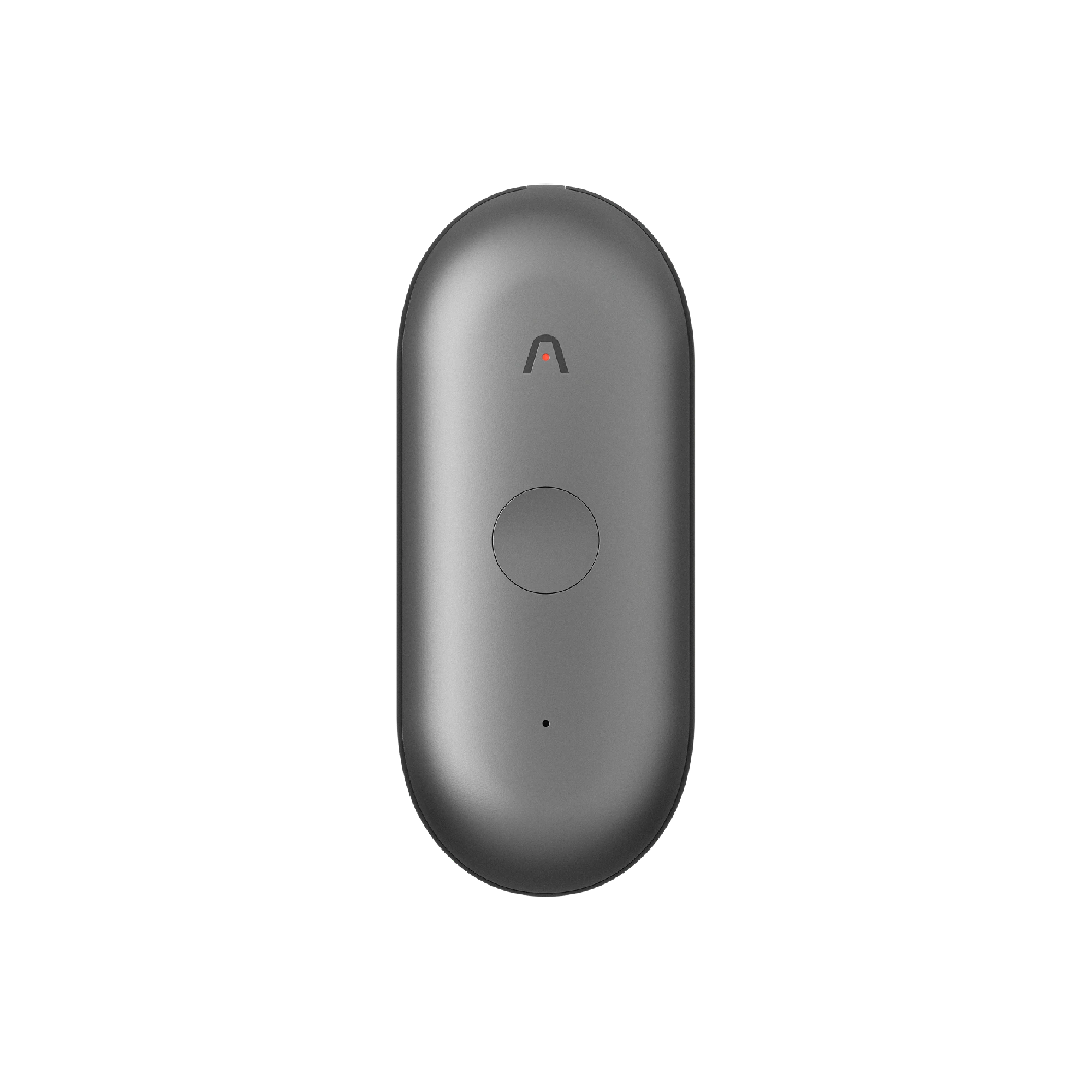
1. Plaud NotePin S: best wearable for site walks
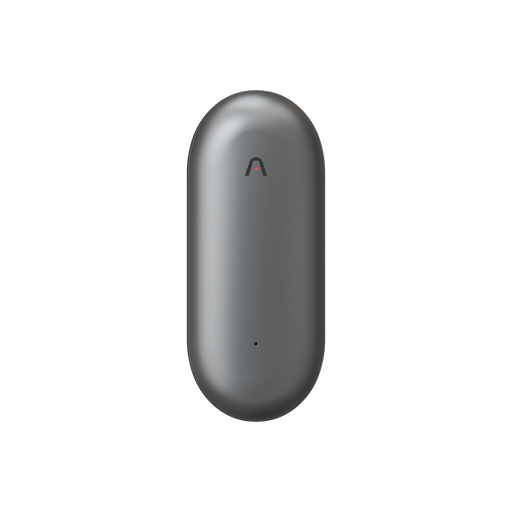
Plaud NotePin S is the clearest choice for a construction PM, supervisor, or field engineer who needs to keep both hands available during a daily site walk.
You can wear it with a magnetic pin, clip, lanyard, or wristband instead of placing a phone on a ledge and hoping it stays near the conversation.
Pros:
- Lightweight 17.4 g wearable design with four wearing options and a physical record button. The device can stay on the person during a site walk, breakout session, or hallway conversation.
- Up to 20 hours of recording, 64GB storage, Press to Highlight, and offline capture.
Cons:
- A small wearable still needs a sensible position when machinery, wind, or distance overwhelms nearby voices.
Plaud NotePin S keeps the microphones with the wearer. Press to Highlight lets the user mark an RFI, change-order detail, safety issue, or decision while the conversation is happening.
That matters because site notes are often lost while they are created. You may not have a free hand to type, and opening a phone can break the walkthrough. Test the wearable with the site’s PPE and noise before treating it as the only record.
After binding Plaud NotePin S to the buyer’s account, Plaud Desktop can cover supported online or trailer meetings. The same account can then handle a site walk and its remote follow-up. Participants still need to be notified, and a weak network may delay the upload after recording.

Plaud NotePin S makes more sense when daily site walks, hands-free use, and quick highlights matter more than the lowest upfront price.
Price: $179, with the Plaud Starter Plan’s 300 monthly transcription minutes per account.
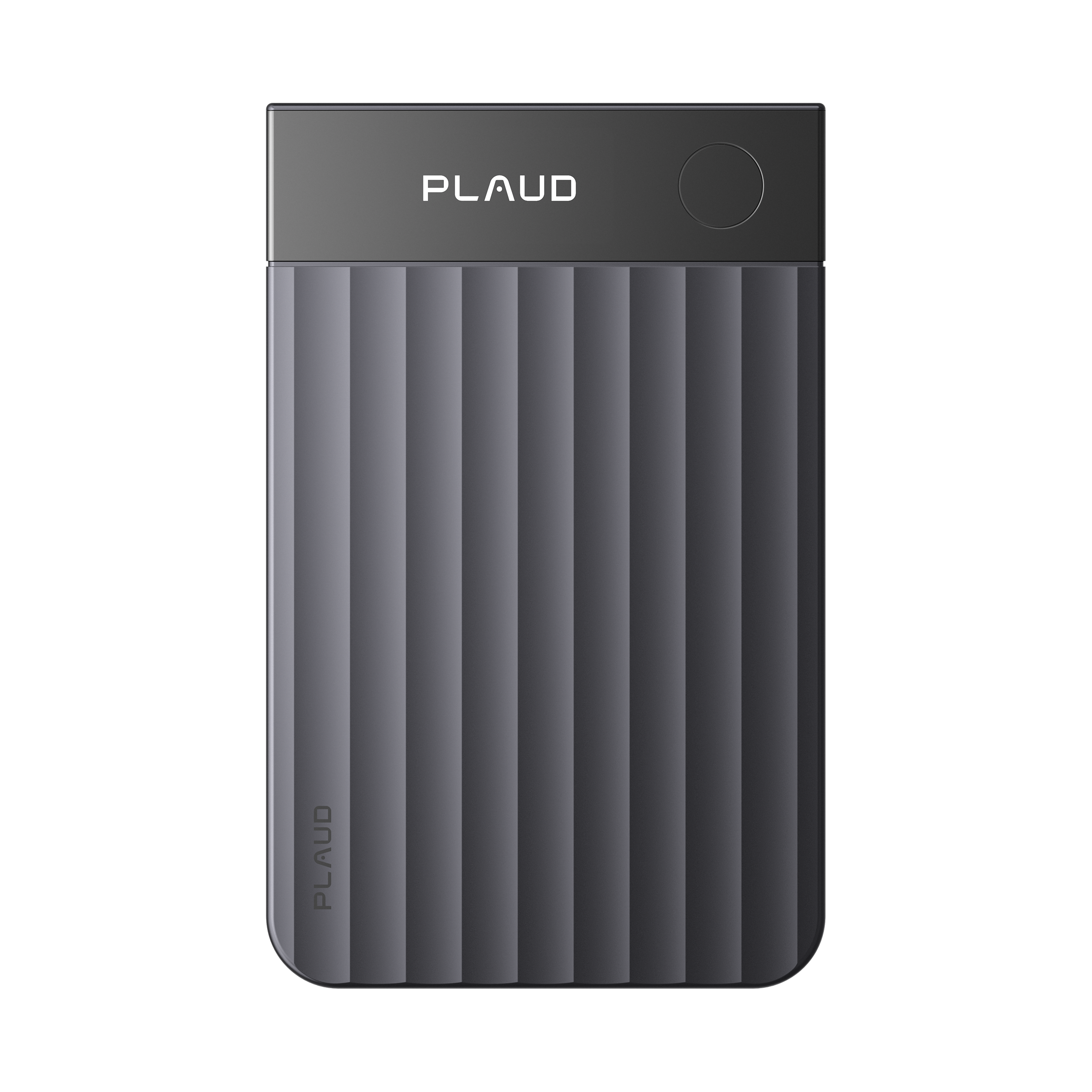
2. Plaud Note Pro: best for office follow-up and larger spaces

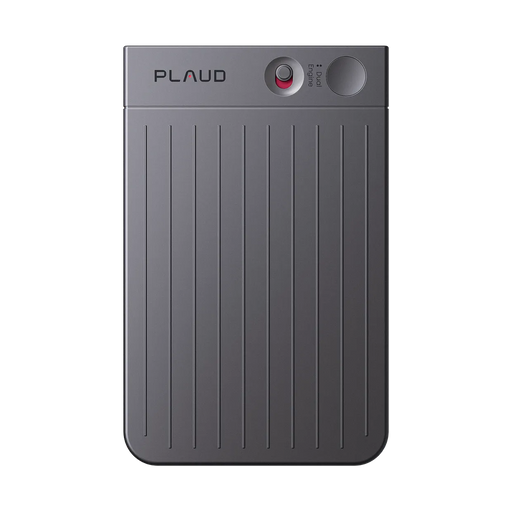
Plaud Note Pro works well for the desk review, larger office meeting, or trailer discussion that follows a site visit. It is room-oriented, not a lightweight wearable.
Pros:
- Four MEMS microphones, AI beamforming, and up to 5 meters of listed pickup. That combination works well when the person speaking is several seats away or the room cannot stay quiet.
- Up to 30 hours in Enhance mode, 64GB storage, and Plaud Desktop after device binding. The room recording handles the site visit, while the desktop option covers the follow-up call later.
Cons:
- At 30g and designed to be carried or placed, it is less practical than Plaud NotePin S for moving site walks.
Its room-focused microphone array suits a conference table better than an active walk.
After a Plaud device is bound to the buyer’s account, Plaud Desktop can cover supported online or trailer meetings. This lets Plaud NotePin S capture the walk while Plaud Note Pro handles structured follow-up. Plaud Note Pro is less convenient on a vest or lanyard.
Plaud Note Pro makes more sense when the site-visit record continues into larger rooms, desk-based review, or online follow-up rather than another hands-free walk.
Price: $189 when verified against the current product offer.
3. Fieldy: wearable alternative

Fieldy is a pendant or band-style wearable that records conversations and turns them into summaries, reminders, or tasks.
Pros:
- Wearable pendant form for hands-free capture.
- 150 recording minutes per month included with the Basic Membership.
Cons:
- Construction-site noise performance needs direct testing before relying on it for critical notes.
Its checkout lists 150 recording minutes per month. The shown $179 MSRP and $129 promotion can change.
Fieldy is worth considering when you want another wearable option and can accept a smaller allowance while verifying jobsite performance.
Price: $179 MSRP or $129 promotion shown on checkout, verify before publication.
4. Bluedot: best for trailer and coordination calls

Bluedot works better for a site trailer, remote coordination call, or online meeting than for a moving outdoor walkthrough.
Pros:
- Capture through Chrome, desktop, or mobile without a visible meeting bot.
- Five lifetime meetings on the free plan for occasional trailer calls.
Cons:
- Depends on a computer or phone microphone and is not a wearable outdoor recorder.
The benefit is software capture without a visible bot for a trailer call. The computer or phone still has to receive audio clearly, so Bluedot does not replace a wearable outdoors.
Bluedot makes more sense when the conversation is online or inside a trailer and browser capture is more useful than outdoor recording.
Price: The official pricing page currently shows a paid Basic plan from $18 per user per month, verify the live billing view before publication.
5. Krisp: best software noise cancellation

Krisp provides noise cancellation, transcription, and AI notes through a computer or phone.
Pros:
- Bot-free software capture with unlimited transcription and noise cancellation on Core.
- Useful in trailers, offices, and controlled in-person conversations.
Cons:
- It cannot follow a supervisor around the site as a wearable device.
Krisp works well in a trailer or office where the team can select it as the microphone and audio configuration. It cannot follow a supervisor around the site, and noise cancellation cannot recover speech the microphone did not capture.
Krisp makes more sense when the team records through a laptop or phone, wants software-based noise control, and does not need a dedicated wearable for the walk itself.
Price: Core is listed from $8 per user per month on annual billing, verify current plan terms before publication.
6. Otter.ai: familiar app option, weak for moving walks

Otter.ai offers live transcription, searchable notes, and online meeting summaries through mobile, browser, and desktop options.
Pros:
- Familiar mobile, browser, and desktop transcription workflow.
- Basic plan includes 300 monthly transcription minutes.
Cons:
- Phone or computer microphone placement is weaker than a dedicated wearable on a moving site walk.
On a jobsite, quality depends on where the phone or computer sits. Otter can work for an occasional stationary conversation, but a purpose-built wearable is easier to keep with a moving worker.
Use Otter.ai when the team already has an Otter workflow, records occasional stationary conversations, or mainly needs online meeting transcription rather than daily outdoor capture.
Price: Basic is free with 300 monthly transcription minutes, and Pro starts at $8.49 per user per month on annual billing.
7. CompanyCam: best for visual field documentation

CompanyCam documents visual site conditions through timestamped photos, checklists, and reports. It answers “What did the site look like, and when?” rather than capturing a spoken RFI.
Pros:
- Strong choice for timestamped photos, reports, checklists, and project history.
- Offline mode and field-documentation workflows work well on active jobsites.
Cons:
- It is not the primary tool for recording and transcribing walkthrough conversations.
CompanyCam makes more sense when photos, progress records, checklists, and reports matter more than a wearable transcript.
Price: Current Core, Crew, and Scale pricing varies by plan and billing basis, verify the live CompanyCam pricing page before publication.
Site visit workflows that actually work
Before the walk
Confirm employer, client, contract, and project permission. Tell people what the device is doing, then check battery, storage, minutes, and PPE placement.
If the visit is outdoors, choose one recording method before you start. Plaud NotePin S on a lanyard or clip is the field-first option. A phone app suits a short stationary conversation. Bluedot or Krisp belongs in a trailer.
During the walk
Keep one recording method for the walkthrough. Place or wear the device without interfering with safety equipment. Use Press to Highlight when someone mentions an RFI, change, defect, delivery issue, or follow-up.
Do not treat the recording as a substitute for visual documentation. Take required photos and keep formal records in the approved project system.
After the walk
Review the transcript while details are familiar. Correct names, locations, measurements, and trade terms before sharing. Extract decisions and owners, then connect them to the relevant project record.
For a longer office meeting after the visit, Plaud Note Pro can provide desk-based capture. Plaud Desktop can cover supported online meetings after a bound Plaud device is connected. If the visit is mainly a client conversation, see these client site visits and walkthroughs.
Recording consent and jobsite policies
Rules can vary by state, employer, union, client contract, government project, and site policy. Projects may also set retention, access, or deletion requirements.
Before recording, inform workers, subcontractors, visitors, and clients who may be captured. Ask the project owner how consent should be documented. For union, government, or regulated projects, check the specific recording and retention language.
OSHA provides PPE and active-jobsite context, not state recording-law guidance. Cornell Legal Information Institute’s overview is a general starting point, not legal advice. When unclear, ask the responsible contact.
A hardware recorder is less visible than a meeting bot, but it still captures voices. Make the purpose clear before recording and limit sharing to people who need the project record. For a room-based comparison, see in-person meeting note takers.