
Sales reps do not have one meeting format. A discovery call may happen on a mobile phone, a prospect visit may happen across a conference table, and a demo may run through Zoom. The right AI note taker depends on which of those scenes your team needs to cover and what has to happen with the notes afterward.
This comparison ranks six tools by scenario. Gong and Fireflies make the most sense for CRM-heavy virtual sales teams. Plaud is the stronger choice for field sales and in-person client calls because dedicated hardware can capture ambient audio without a meeting bot. Fathom and Otter are lighter options when most meetings are virtual and the team wants a simpler starting point.
Key takeaway
Start with the handoff you need after the conversation, then check whether the tool can capture the conversation in the first place.
- CRM-heavy virtual sales teams: Gong or Fireflies, where native CRM workflows and conversation analytics matter more than room capture.
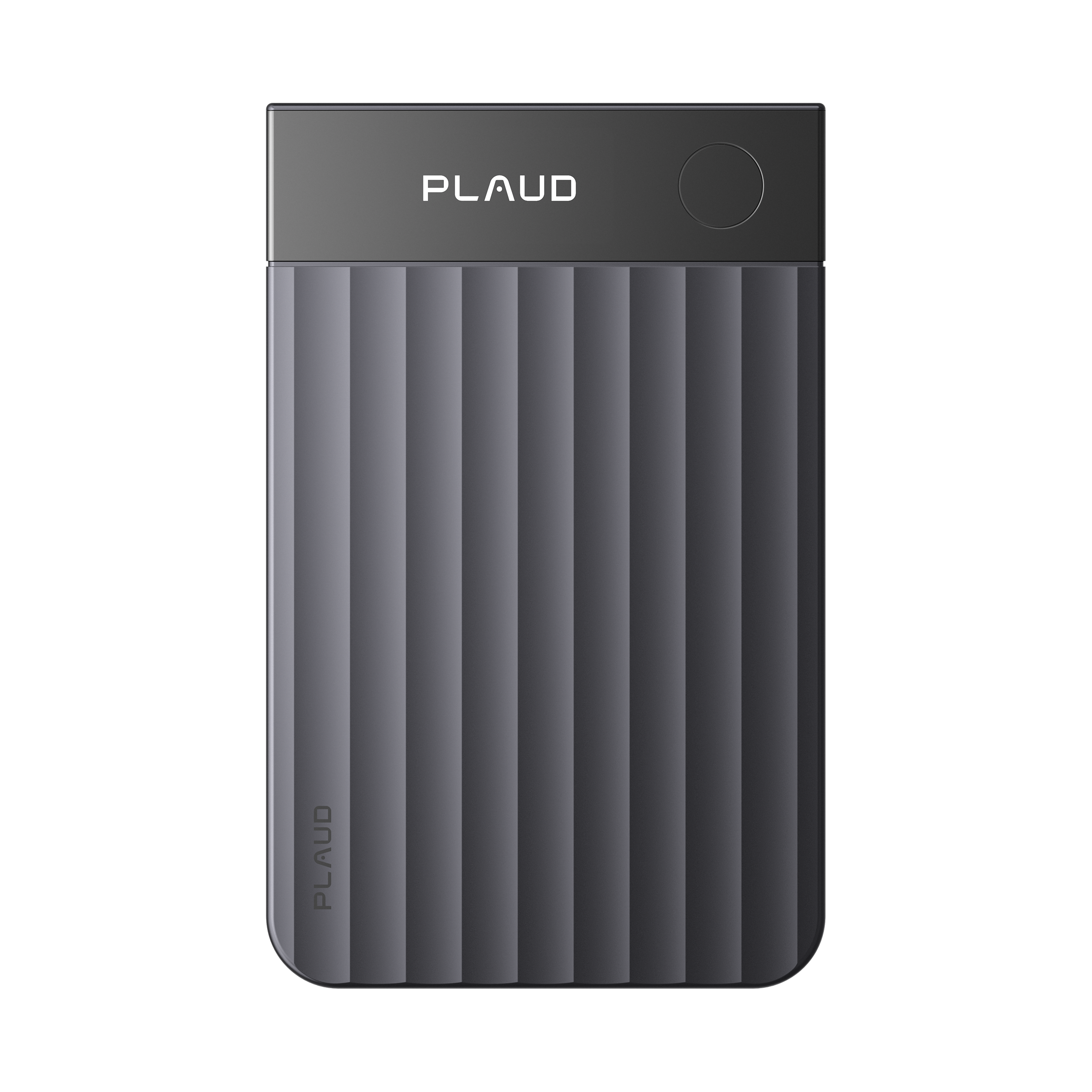
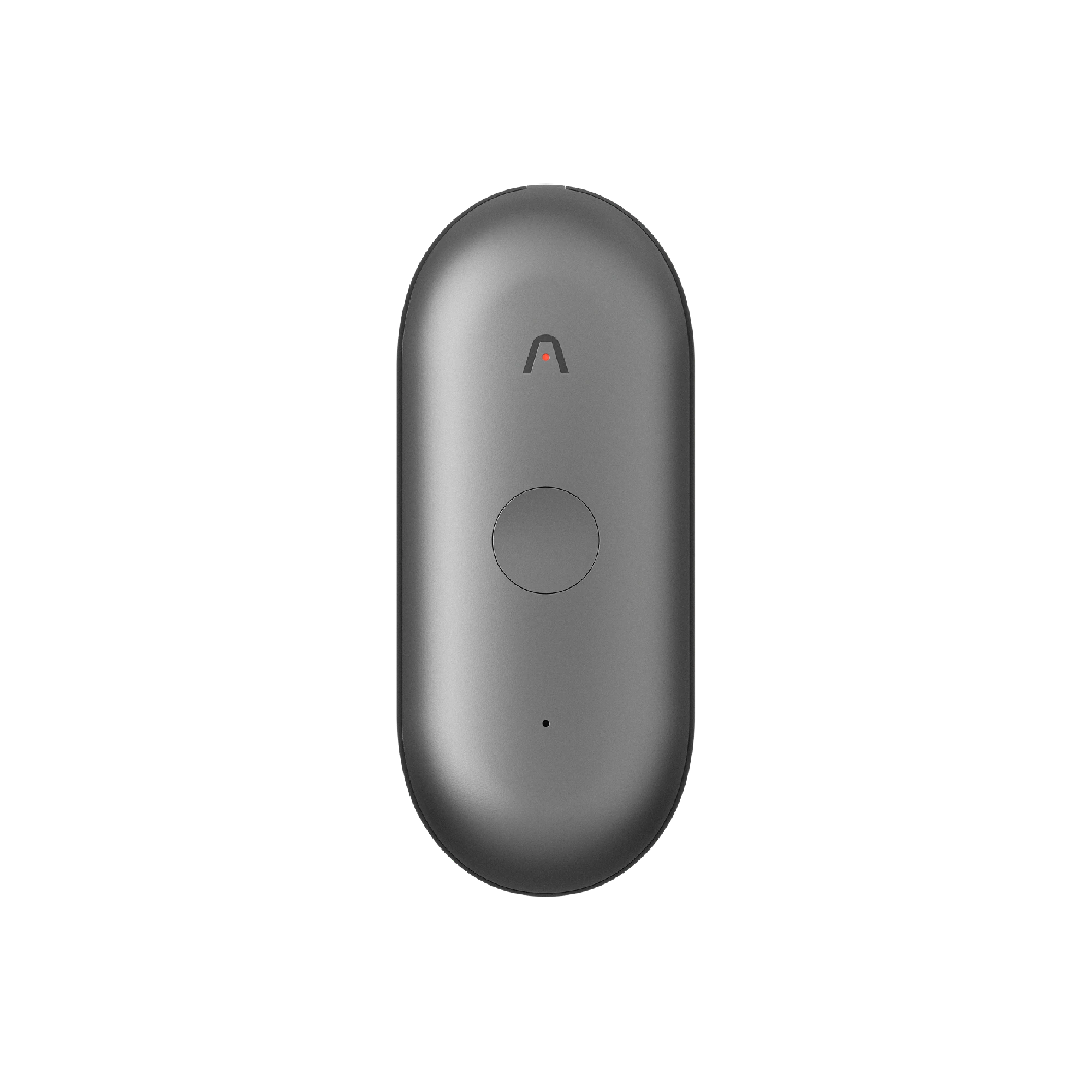
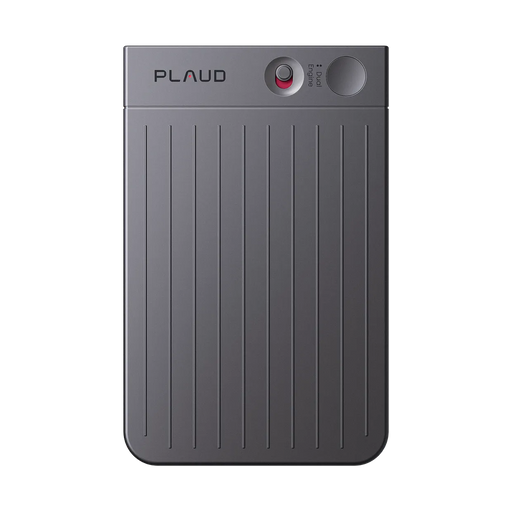
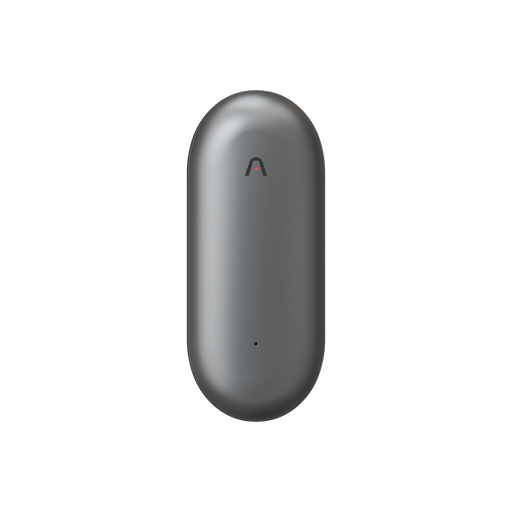
- Field sales and in-person client visits: Plaud, with Plaud Note Pro for phone calls and table-based meetings and Plaud NotePin S for wearable capture.
- Lightweight virtual meetings: Fathom or Otter, especially when you mainly need transcripts and summaries from online calls.
The six tools below are not interchangeable. Gong and Fireflies are software-led sales systems. Avoma combines meeting assistance with conversation intelligence and CRM workflows. Otter and Fathom are more meeting-note oriented. Plaud begins with hardware, so it covers scenes that a bot cannot join, including a direct phone call or a client conversation in the field.
Sales meeting AI note taker comparison
| Tool | CRM integration | Field capture | Talk-ratio analysis | In-person support | Bot-free | Price |
|---|---|---|---|---|---|---|
| Plaud | Export or automation workflow; verify current connector | Yes: dedicated hardware and wearable capture | No | Yes: local recording and 64GB device storage | Yes | From $189 for Plaud Note Pro; check current Plaud NotePin S price |
| Gong | Native revenue and CRM workflow | No: primarily virtual | Yes: conversation and coaching analytics | Limited | No for bot-based virtual capture | Contact sales |
| Fireflies.ai | Native CRM workflows including Salesforce and HubSpot | Partial: software and mobile options | Yes | Partial | No for bot-based virtual capture | Free; Pro from $10 per user/month annually or $18 monthly |
| Avoma | Native integrations including Salesforce, HubSpot, Zoho, Pipedrive, and Copper | Partial: mobile and desktop options | Yes: talk time and speaker insights | Partial | No for bot-based virtual capture | Conversation Intelligence from $29 per seat/month annually |
| Otter.ai | Salesforce, HubSpot, and Zapier on eligible plans | Partial: mobile app | Limited | Partial | No for standard bot-based capture | Free tier; Pro listed at $16.99 per user/month monthly |
| Fathom | Limited export workflow | No: virtual-first | No | No | No for bot-based capture | Free tier; check current paid plan |
Prices and feature availability change by plan, billing cycle, region, and contract. Treat the table as a decision map, not a substitute for checking the current pricing and integration pages before procurement.
If the meeting lives inside a supported virtual platform and your next step is a CRM update, a software-led tool may be the shortest route. If the meeting happens in a client’s office or on a phone, a physical recorder removes the need for a meeting link altogether.
That output question matters because sales reps spend less time selling than most teams assume. Salesforce’s State of Sales report found that reps spend 28% of their week actually selling. The exact figure comes from an older report, but the operational point still holds: every note-taking workflow should be judged by how much follow-up work remains after the conversation.
Top 6 tools reviewed
#1 Plaud: best hardware AI note taker for field and in-person sales
Plaud is the most complete option for a rep who moves between phone calls, client visits, and scheduled meetings. Plaud Note Pro handles phone calls and room-based meetings. Plaud NotePin S covers wearable, in-person capture when a device on the table would be awkward.
Pros:
- Hardware-based, bot-free recording for phone calls, rooms, and client visits.
- Local audio storage lets a rep record on-site and sync later for transcripts and summaries.
Cons:
- CRM handoff is an export or automation step to verify, not the same as a native revenue-intelligence system with built-in coaching.
Plaud Note Pro works best for a scheduled discovery call, a QBR, or a meeting around a table. Place it on the table or attach it to the phone, press record, and keep the conversation moving. Its four MEMS microphones with AI beamforming capture voices from up to 5 meters or 16.4 feet in suitable conditions. Plaud NotePin S is the lighter choice for a client site visit, a walk-and-talk, or a day of back-to-back conversations where you need ambient audio without a laptop.
The output is the same kind of handoff across both devices: transcript, speaker labels, summary, and action items after synchronization. Plaud Desktop extends the account to online meetings without requiring a meeting bot to join. That combination is why Plaud works for a mixed sales week, even though it does not provide talk-ratio coaching.
One verified buyer described the value plainly: “This will allow me to be present for meetings instead of focusing on notes.” That is the clearest Plaud use case for sales. The device works well when writing a complete record would pull the rep away from the client.
Plaud is the stronger option when field capture, phone calls, client-safe recording, and no bot footprint matter more than automated rep coaching. If your team only sells through virtual calls and needs deal scoring inside the CRM, Gong or Fireflies may work better.
Price: Plaud Note Pro is listed at $189. Check the current Plaud NotePin S price and AI plan limits before purchase.
#2 Gong: best for revenue intelligence and CRM-heavy teams

Gong is designed for teams that want conversation data for revenue management, coaching, and pipeline decisions. It works well when every sales conversation already runs through a supported online method and the organization is prepared for an enterprise sales process.
Pros:
- Built around revenue intelligence, coaching, and CRM-connected sales analysis.
- Talk-ratio and conversation signals can help managers coach reps.
Cons:
- It is not a practical answer for a rep who needs to record a client visit or direct phone call without a meeting platform.
Gong’s value appears after many calls have entered the system. Sales leaders can look for patterns across conversations rather than only reading one summary. That is helpful for onboarding, deal inspection, and coaching, but it also means the team has to adopt the platform consistently and approve the relevant data flow.
Gong makes more sense when the main buying question is how to coach and inspect a virtual sales organization. Do not choose it as the only recorder for field sales.
Price: Contact Gong for current plan and seat pricing.
#3 Fireflies.ai: best meeting bot with CRM automation

Fireflies.ai is a practical choice for teams that want a meeting assistant, searchable transcripts, and CRM workflows around online calls. Its current sales documentation describes connections with CRM records and deal data, making it more operationally focused than a basic transcript app.
Pros:
- Native CRM workflows can help move meeting details into contacts, companies, opportunities, and deals.
- Conversation intelligence and talk-time views help with sales review.
Cons:
- A bot-based virtual workflow does not cover a client visit or a phone call that has no meeting link.
Fireflies makes sense when the sales team already accepts an automated meeting attendee and wants the notes to travel with the deal record. Its value increases when the team agrees on templates, CRM field mapping, and who reviews the generated updates. Otherwise, automation can create another set of records to clean up.
Fireflies.ai is the stronger pick when CRM automation is the priority and most conversations are virtual. Pair it with a physical recorder if the same reps spend significant time in the field.
Price: Fireflies lists a free plan, with Pro at $10 per user/month when billed annually or $18 monthly. Check current AI-credit and plan limits.
#4 Avoma: best all-in-one sales meeting assistant

Avoma combines meeting notes with conversation intelligence, CRM connections, speaker insights, and sales-oriented templates. It works for teams that want more structure than a basic notetaker but do not need to start with a full revenue-intelligence platform.
Pros:
- Supports CRM connections including Salesforce, HubSpot, Zoho, Pipedrive, and Copper.
- Provides speaker insights such as talk time, talk speed, filler words, and questions.
Cons:
- Mobile and desktop options do not make it a replacement for dedicated hardware at an in-person client visit.
Avoma sits between a basic transcript app and a full sales platform. A manager can review how a conversation progressed, while the rep gets structured notes and CRM updates. The useful sales intelligence still depends on online capture and the relevant plan or add-on.
Avoma makes more sense when your team wants meeting assistance, CRM updates, and conversation analysis in one software-led process. Plaud becomes more useful when the conversation may happen away from a meeting platform.
Price: Conversation Intelligence is listed from $29 per seat/month billed annually or $35 monthly. Confirm the current package and add-ons.
#5 Otter.ai: best known app-based option

Otter.ai is a familiar choice for live transcription, searchable meeting notes, mobile use, and online meeting capture. It is easier to trial than an enterprise revenue platform and can suit a small team that wants a general-purpose meeting record.
Pros:
- Offers a free tier and a clear app-based starting point for transcripts and summaries.
- Eligible paid plans list Salesforce, HubSpot, and Zapier integrations.
Cons:
- Field capture and sales coaching are secondary to its meeting transcription workflow.
Otter works well when a rep’s meetings are mostly online or when the mobile app is enough for occasional in-person notes. Its sales value depends on the plan, meeting source, and how much manual cleanup the team accepts before a CRM update is useful.
Use Otter.ai when you want a recognizable, lighter meeting-note app and do not need dedicated hardware for every client visit.
Price: Otter lists a free tier and Pro at $16.99 per user/month on monthly billing. Confirm current annual pricing and integration limits.
#6 Fathom: best free virtual-meeting option

Fathom is a simple option for teams that want meeting transcripts and summaries from online conversations without starting with a complex sales platform. Its free entry point makes it easy to test with a small virtual team.
Pros:
- Free virtual-meeting workflow for teams that mainly need summaries and transcripts.
- Low starting friction compared with a broader revenue-intelligence deployment.
Cons:
- It is not designed for field capture, talk-ratio analysis, or a hardware-based phone-call workflow.
Fathom works well when the sales process is already online and the team wants a lightweight note-taking tool. The limitation becomes clear when a rep walks into a client’s office or receives a direct call. There is no meeting bot to join and no physical device to capture the room.
Fathom is the simpler choice when free, virtual-first note taking is the priority. Move to Plaud when the sales scene includes rooms, phones, and field visits.
Price: Fathom offers a free tier. Check the current paid plan and team features before procurement.
Best recording devices for different sales scenarios
Before choosing a product, name the scene you need to record: a phone call, a client visit, or an online meeting.
Phone calls and scheduled meetings: Plaud Note Pro
For a phone discovery call, attach Plaud Note Pro to the back of the phone and use its call-recording mode. For a scheduled meeting, place Plaud Note Pro on the table and press record. The rep does not need to put the call on speakerphone or ask a bot to join a meeting link.
Afterward, Plaud Intelligence produces a transcript, summary, speaker labels, and action items through the Plaud App. For international accounts, the platform offers transcription in 112 languages. The rep can review the output before copying the approved details into the CRM or follow-up email.
In-person client visits: Plaud NotePin S
Plaud NotePin S is a wearable recorder for reps who meet clients in person, not on Zoom. It can be worn with a clip, pin, lanyard, or wristband, depending on the setting. The device captures ambient audio without requiring a meeting platform account.
Record on-site with local storage, then sync and transcribe when you are back online. That is helpful for client offices, outdoor visits, and other places where Wi-Fi is uncertain. Because the device can record without a meeting link, the rep must still disclose the recording where required. A wearable form is not permission to record without notice.
For reps who cover both
Plaud Note Pro and Plaud NotePin S use the same Plaud account and post-meeting workflow. Plaud Note Pro is the room and phone-call device. Plaud NotePin S is the mobile and wearable device. Together, they cover more of a mixed field-and-virtual sales schedule than a software bot alone.
Field sales workflow: The field process is short, but each step has a separate owner and decision.
- Visit: confirm that the client conversation can be recorded and tell participants what the device is doing.
- Record: use Plaud NotePin S for hands-free ambient capture, or Plaud Note Pro when the conversation is around a table or on a phone.
- Sync: return to a reliable connection and sync the recording for transcription, summary, speaker labels, and action items.
- Review: check names, objections, commitments, next steps, and sensitive details before sharing the output.
- CRM export: copy or automate the approved fields into the CRM, then attach the follow-up email or task to the correct account and opportunity.
The CRM step belongs after review. An AI summary can identify a likely next step, but the rep or manager should confirm the account, owner, date, and commitment before it becomes pipeline data. This is where Plaud differs from a CRM-native tool: Plaud gives the team broader capture coverage, while the final system-of-record handoff may require an export, integration, or automation step.
Why Plaud works for field sales and in-person client calls
Sales software has the advantage when the conversation already lives inside a digital system. Hardware has the advantage when the conversation does not.
| Sales scene | Software bot approach | Hardware approach | Practical consequence |
|---|---|---|---|
| Zoom discovery call | Bot joins the meeting | Plaud Desktop or supported online method | Choose based on bot policy and desktop configuration |
| Client office visit | No meeting link to join | Plaud NotePin S or Plaud Note Pro | Ambient audio, no bot footprint, local recording |
| Direct phone call | No video meeting to join | Plaud Note Pro phone-call mode | Both sides can be captured without speakerphone |
| Sales manager coaching | Analyze online calls in the platform | Review Plaud transcripts and summaries | Coaching depth depends on the selected tool |
Plaud records the conversation without asking a software agent to join. That suits a rep who moves between online meetings, phone calls, and in-person visits. It is less suitable when the team mainly needs automated deal scoring inside a virtual sales platform.
How Plaud differs from Gong, Fireflies.ai, and Otter.ai
Gong centers on revenue intelligence and coaching. Fireflies emphasizes meeting capture, CRM automation, and searchable conversation data. Otter stays closer to general-purpose transcription and meeting notes. Plaud starts with the physical moment of capture.
That changes the decision.
Gong and Fireflies are attractive when the sales team wants talk-ratio analysis, deal signals, and automatic CRM updates from virtual meetings. Plaud is attractive when the rep needs one workflow for the client office, the phone, and the conference room. Otter sits closer to the note-taking side, with a lower-friction app option but less emphasis on field hardware.
There is no universal winner. A CRM-heavy virtual team should not buy Plaud expecting native revenue intelligence. A field team should not buy a bot-only system expecting it to record a conversation where no meeting exists. Match the recording method to the sales motion.
Getting started with your first session
Start with one repeatable scenario.
For a phone call or scheduled meeting, use Plaud Note Pro. For a client visit, use Plaud NotePin S. Tell the client what is being recorded, press record, and continue the conversation without trying to write every sentence.
After the session, sync the recording, review the transcript and summary, and correct the action items. Only then export the approved details to the CRM or follow-up email. Once that handoff works for one scenario, add the second device or an online option for the rest of the sales week.