01
Transcripción etiquetada por hablante
Cada palabra capturada y atribuida por el hablante. Con marca de tiempo y exportable para análisis cualitativos o documentación del IRB.
Capta la voz de cada participante. Sin bots, sin interrupciones, lista para el consentimiento del IRB.
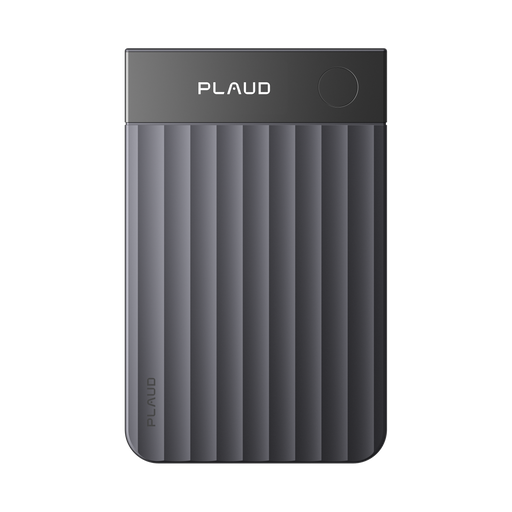
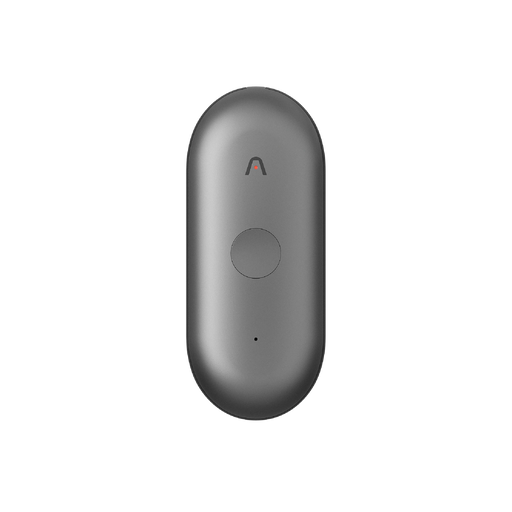
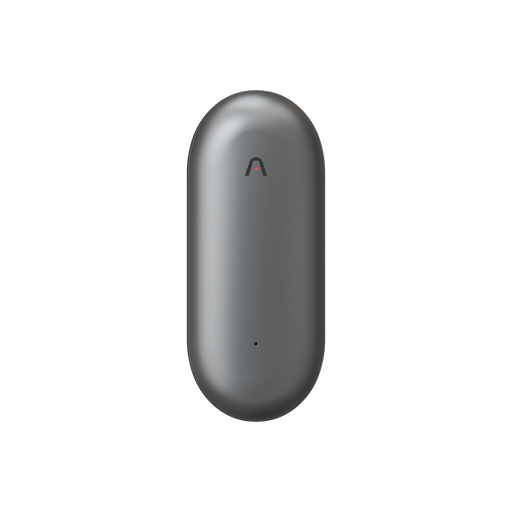
Plaud NotePin S es la grabadora de audio portátil para entrevistas de investigación cualitativa que se coloca discretamente en su solapa o cordón mientras los participantes hablan de forma natural. Termine cada sesión con una transcripción completa de IA en 112 idiomas, lista para la codificación temática y la exportación de datos estructurados. Sin bots de grabación, sin teléfono sobre la mesa, sin fricciones en el flujo de trabajo.
Con la confianza de más de 2 millones de usuarios en todo el mundo desde 2023

Lo que una grabadora de audio portátil para investigación cualitativa hace de forma diferente
Plaud NotePin S es la grabadora de audio portátil para entrevistas de investigación cualitativa que graba las conversaciones de los participantes sin un teléfono boca arriba sobre la mesa o un bot uniéndose a una llamada. Las grabadoras tradicionales como Sony ICD-UX570 y Zoom H1n capturan un audio limpio pero le dejan con un archivo y horas de transcripción manual. Plaud NotePin S se engancha a su cordón o solapa, captura todo a corta distancia y entrega una transcripción de IA etiquetada por el hablante lista para codificar antes de que abandone el campo.
3 artefactos, listos cuando termina la sesión
Cada palabra capturada y atribuida por el hablante. Con marca de tiempo y exportable para análisis cualitativos o documentación del IRB.
Temas clave, declaraciones de participantes y estructura de la sesión extraídos automáticamente de la conversación.
Transcripción estructurada exportable a NVivo, Atlas.ti, Dovetail o texto plano. Sin reformateo, sin reintroducción manual.
Funciona en todos los formatos de investigación cualitativa
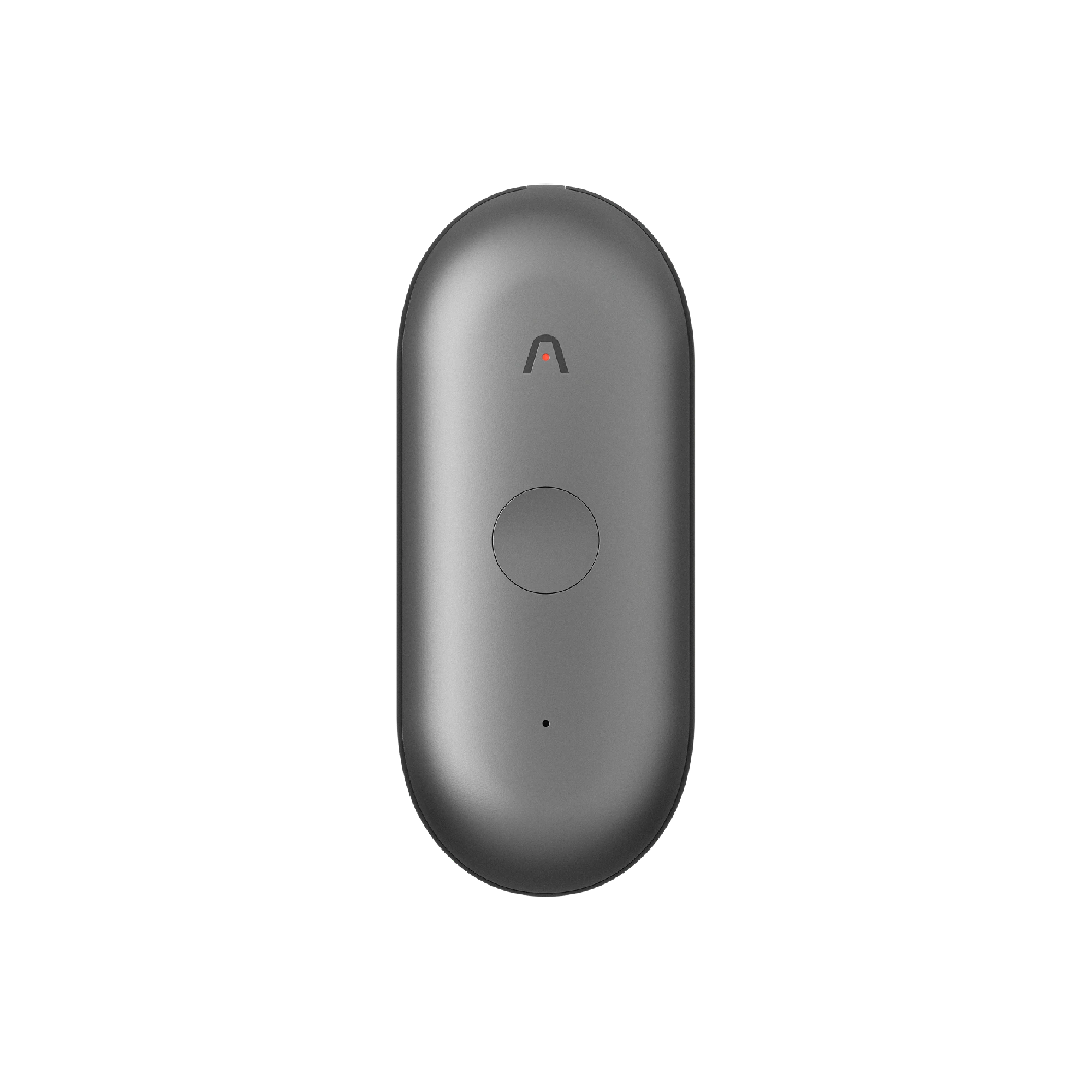
Plaud NotePin S se engancha a su cordón o solapa. Sin teléfono sobre la mesa y sin entrada en la lista de asistentes.
Ajuste al flujo de trabajo
Estudiantes de doctorado e investigadores de campo en Reddit preguntan sobre grabadoras de audio que van más allá de la grabación telefónica para entrevistas largas, especialmente para sesiones multilingües. Plaud NotePin S fue construida para exactamente ese contexto. Compruebe si se ajusta a su configuración de investigación.
Diseñado para tu rol
Elige el rol que más se acerque al tuyo.
Problema
Las sesiones de entrevista generan horas de audio. Redactar manualmente los hallazgos a partir de grabaciones lleva más tiempo que la propia sesión, y la calidad de las notas depende de la atención que se haya dividido durante la entrevista.
Cómo ayuda Plaud
Plaud NotePin S captura cada palabra mientras usted se concentra en el participante. Plaud Intelligence entrega una transcripción etiquetada por el hablante y un resumen estructurado listo para el mapeo de afinidades o la carga en Dovetail antes de la próxima sesión.
Mejor resultado
Transcripción codificadaProblema
Las entrevistas de tesis requieren una captura confiable, cumplimiento del IRB y transcripciones lo suficientemente precisas para citar. La grabación telefónica no es confiable en condiciones de campo, y la transcripción manual de entrevistas largas consume semanas de tiempo de investigación.
Cómo ayuda Plaud
Plaud NotePin S graba cerca del cuerpo para una captura de audio clara. El aviso de consentimiento incorporado satisface los requisitos de divulgación de la grabación. Las transcripciones de IA reducen el procesamiento manual de horas a minutos por sesión.
Mejor resultado
Transcripción literalProblema
Las entrevistas de campo se realizan en lugares impredecibles donde la colocación visible de un dispositivo cambia el comportamiento del participante. Las sesiones largas requieren una duración de la batería que supere el día de trabajo de campo.
Cómo ayuda Plaud
Plaud NotePin S se sujeta discretamente a la ropa con un peso de 17,4 g. Una batería continua de 20 horas cubre sesiones de campo de día completo. El comportamiento natural del participante se conserva porque no hay ningún dispositivo de grabación visible sobre la mesa.
Mejor resultado
Notas de campoCómo funciona como su grabadora de audio para entrevistas de investigación cualitativa
Cumplimiento y confianza
La investigación académica y clínica suele requerir el consentimiento informado aprobado por el IRB antes de grabar a los participantes. Confirme los requisitos de su institución antes de cada estudio. Plaud NotePin S incluye un pitido de divulgación incorporado al inicio de la grabación para cubrir el paso de notificación automáticamente.
Las grabaciones permanecen en el dispositivo hasta que usted decida procesarlas. No hay cargas en segundo plano ni audio enviado a servidores de terceros durante la sesión. Los datos de los participantes permanecen bajo su control durante todo el flujo de trabajo de la investigación.
Cifrado AES-256 en tránsito y en reposo. Su audio de investigación nunca se utiliza para entrenar modelos de IA.
Transcripción literal completa disponible para cualquier cumplimiento posterior, auditoría del IRB o flujo de trabajo de revisión institucional. Resúmenes estructurados organizados por orador y marca de tiempo para una exportación de datos limpia.
Por qué los investigadores cambian
Según publicaciones de la comunidad de investigadores y reseñas de compradores sobre grabadoras de audio para entrevistas cualitativas, estas son las tres configuraciones de las que provenían los investigadores y las razones específicas por las que cambiaron.
Cambió de
Los puntos de partida más comunes para la grabación de investigaciones de tesis
"La Sony captura un audio claro. Pero aún así tenía que sentarme y transcribir manualmente cada entrevista. Para sesiones largas en un segundo idioma, eso me llevaba días."
Por qué se fueron
Lo que Plaud hace en su lugar
Cambió de
Punto de partida más común antes de grabadoras dedicadas
"Grabar en mi teléfono funciona para sesiones cortas. Pero tener el teléfono boca arriba sobre la mesa cambió la forma en que respondían los participantes. Y aún tenía que transcribir todo manualmente."
Por qué lo dejaron
Lo que Plaud hace en su lugar
Cambió de
Grabadoras de campo de calidad profesional utilizadas por investigadores avanzados
"La calidad del audio es excelente. Pero cargar el equipo, gestionar los niveles y luego transcribir los archivos yo mismo complicaba el trabajo de campo más de lo necesario."
Por qué lo dejaron
Lo que Plaud hace en su lugar
Consigue Plaud NotePin S diseñado para entrevistas de investigación cualitativa.
Historias de clientes

"Solía pasar más tiempo transcribiendo entrevistas que realizándolas. Ahora salgo del campo con una transcripción que puedo empezar a codificar la misma noche."
Leer historia →
"Realizo entrevistas multilingües en tres países. Plaud NotePin S maneja todos los idiomas y mantiene la transcripción organizada por orador. Eso por sí solo ahorra días por proyecto."
Leer historia →
"Lo llevo en mi cordón durante cada sesión etnográfica. Los participantes olvidan que está ahí. La transcripción sale limpia y puedo empezar el análisis temático de inmediato."
Leer historia →Clientes reales de Plaud. Historias completas en plaud.ai/blogs/user-story.
Dispositivos recomendados
Elige el formato que se adapte a cómo realizas tu investigación en el campo.
Si...
Realizas entrevistas cualitativas en persona y trabajo de campo etnográfico donde un dispositivo portátil preserva el comportamiento natural del participante.
Si...
Necesitas un dispositivo que cubra grupos focales, entrevistas telefónicas y trabajo de campo con una sola grabadora.
Si...
Principalmente realizas entrevistas telefónicas y quieres una grabadora ligera que se conecte a tu teléfono.

Grabador de audio IA portátil
Ideal para entrevistas cualitativas en persona y trabajo de campo.

Tomador de notas físico con IA
Ideal para grupos focales, entrevistas telefónicas y captura de investigación durante todo el día

Grabador de voz con IA
Ideal para entrevistas telefónicas y grabación ligera de investigación
Devolución del dinero en 30 días
1 año de garantía
Soporte de por vida
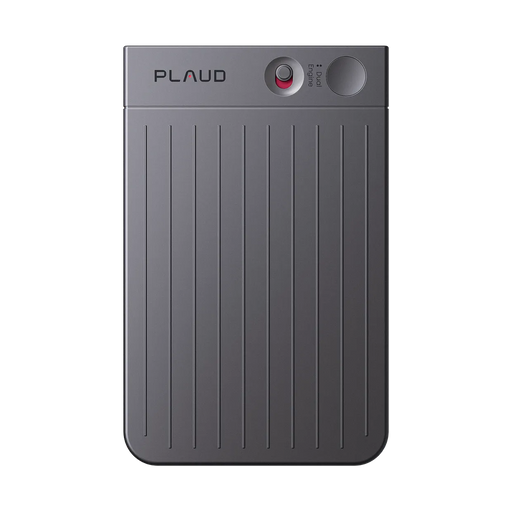
Para entrevistas de investigación cualitativa, la mejor grabadora depende de tu configuración de campo. Para entrevistas en profundidad en persona y trabajo de campo etnográfico, Plaud NotePin S se lleva en un cordón o solapa, ofrece una transcripción con IA en 112 idiomas y preserva el comportamiento natural del participante porque no hay nada sobre la mesa. Para grupos focales o entrevistas telefónicas, Plaud Note Pro cubre ambos formatos desde un solo dispositivo.
La mejor grabadora de audio para investigación cualitativa es aquella que captura audio claro sin influir en el comportamiento del participante, transcribe automáticamente y exporta a tus herramientas de análisis. Plaud NotePin S se lleva en el cuerpo, graba hasta 20 horas y ofrece una transcripción con IA etiquetada por el orador, lista para NVivo, Dovetail o Atlas.ti. Las grabadoras tradicionales como la Sony ICD-UX570 o la Zoom H1n capturan audio limpio pero requieren transcripción manual.
En contextos de investigación, los términos a menudo se usan indistintamente. Las grabadoras de voz están optimizadas para la captura de voz en entrevistas y reuniones. Las grabadoras de audio pueden referirse a equipos de grabación de campo de mayor fidelidad diseñados para música o sonido ambiental. Para entrevistas de investigación cualitativa, una grabadora de voz dedicada con transcripción de IA, como Plaud NotePin S, es más práctica que una grabadora de audio general porque ofrece una salida estructurada y etiquetada por el orador, lista para el análisis cualitativo.
Los requisitos de aprobación del IRB dependen de tu institución, la naturaleza de tu estudio y tu población de participantes. La mayoría de las investigaciones académicas y clínicas requieren un consentimiento informado aprobado por el IRB antes de grabar a los participantes. Plaud NotePin S incluye una solicitud de consentimiento incorporada y un pitido de divulgación al inicio de la grabación para cumplir con los requisitos estándar de divulgación de grabación del IRB. Siempre confirma los requisitos específicos de tu institución antes de cada estudio.
La transcripción con IA elimina el paso manual entre la grabación y el análisis. Plaud Intelligence produce una transcripción con etiquetas de hablante y marcas de tiempo de cada sesión. Puedes importar la salida estructurada directamente a NVivo, Dovetail o Atlas.ti para la codificación temática sin volver a escuchar el audio ni transcribir el texto. Para investigaciones multilingües, Plaud NotePin S transcribe en 112 idiomas, por lo que las sesiones que no son en inglés están listas para el análisis en el mismo flujo de trabajo.

Los investigadores de UX necesitan una grabadora que capture las entrevistas con los participantes sin interrumpir el comportamiento natural. Aquí se compara cómo los dispositivos de grabación de IA portátiles funcionan para los flujos de trabajo de investigación.
Leer más →
Los investigadores de campo y los periodistas necesitan una captura de audio fiable en ubicaciones impredecibles. Esta guía cubre la configuración del grabador, la colocación y el flujo de trabajo de transcripción de IA para entrevistas profesionales.
Leer más →
Las citas precisas son la base de la investigación cualitativa. Esta guía cubre cómo grabar entrevistas de forma limpia y producir transcripciones que puedas citar.
Leer más →
Los periodistas y reporteros de campo necesitan una grabación manos libres que no interrumpa a las fuentes de la entrevista. Compara los mejores tomadores de notas de IA portátiles para la captura de entrevistas de campo.
Leer más →Antes de grabar: informe a todos los participantes en la sesión de investigación y obtenga su consentimiento informado. Las leyes de grabación varían según la región. La investigación académica y clínica suele requerir el consentimiento aprobado por el IRB antes de grabar a los participantes. Confirme los requisitos de su institución antes de cada estudio. El pitido de divulgación incorporado de Plaud se reproduce al inicio de cada grabación para ayudar a cubrir el paso de notificación automáticamente.

Envío rápido
Envío dentro de 1-2 días hábiles

Devolución gratuita de 30 días
No se necesita motivo. Envío de devolución gratuito y reembolso completo.

Garantía de un año
El período de garantía está sujeto a las leyes locales

Soporte al cliente de por vida
Soporte rápido en un plazo de 24 horas en días hábiles
Before you record, take a moment to let others know and get their okay. Thanks for being mindful of privacy and local laws.
Búsqueda de tendencias


Búsqueda en tendencia
Suggested Searches
Productos populares
Matching Results
Productos populares