It is often illegal to record someone without their permission. But it depends on a few factors, such as where you are, what you’re recording, and whether the person being recorded has a reasonable expectation of privacy.
In general, we recommend always getting consent when recording another person, especially in business meetings, even if you are in a one-party consent state (more on that below).
Recording laws are extremely nuanced, and the legality of recording someone depends on a number of different factors.
For example, federal law sets the minimum standard of one-party consent (only you need to consent), but states can set their own laws. Many states have set their own two-party consent laws, meaning they require the consent of all parties.
In effect, that means you need to adhere to the specific state’s law if it’s stricter than federal law. To complicate matters further, if you’re recording a phone call across state lines, the stricter state’s rule applies.
So, the answer isn’t a clean yes or no. It depends on the situation.
Here are a few situations you should be aware of before recording someone without their permission:
- Recording a meeting: Legal in single-party consent states, but you should still ask for permission.
- Recording a conversation: Similar rules to call recording (single-party vs. all-party consent). It depends on the state and the nature of the conversation.
- Recording in public: Usually legal.
- Recording in someone’s home: Almost always illegal.
- Recording in private places (bathrooms, hotel rooms, etc.): Almost always illegal.
- Recording police or public officials in public: Usually legal (as long as you don’t interfere).
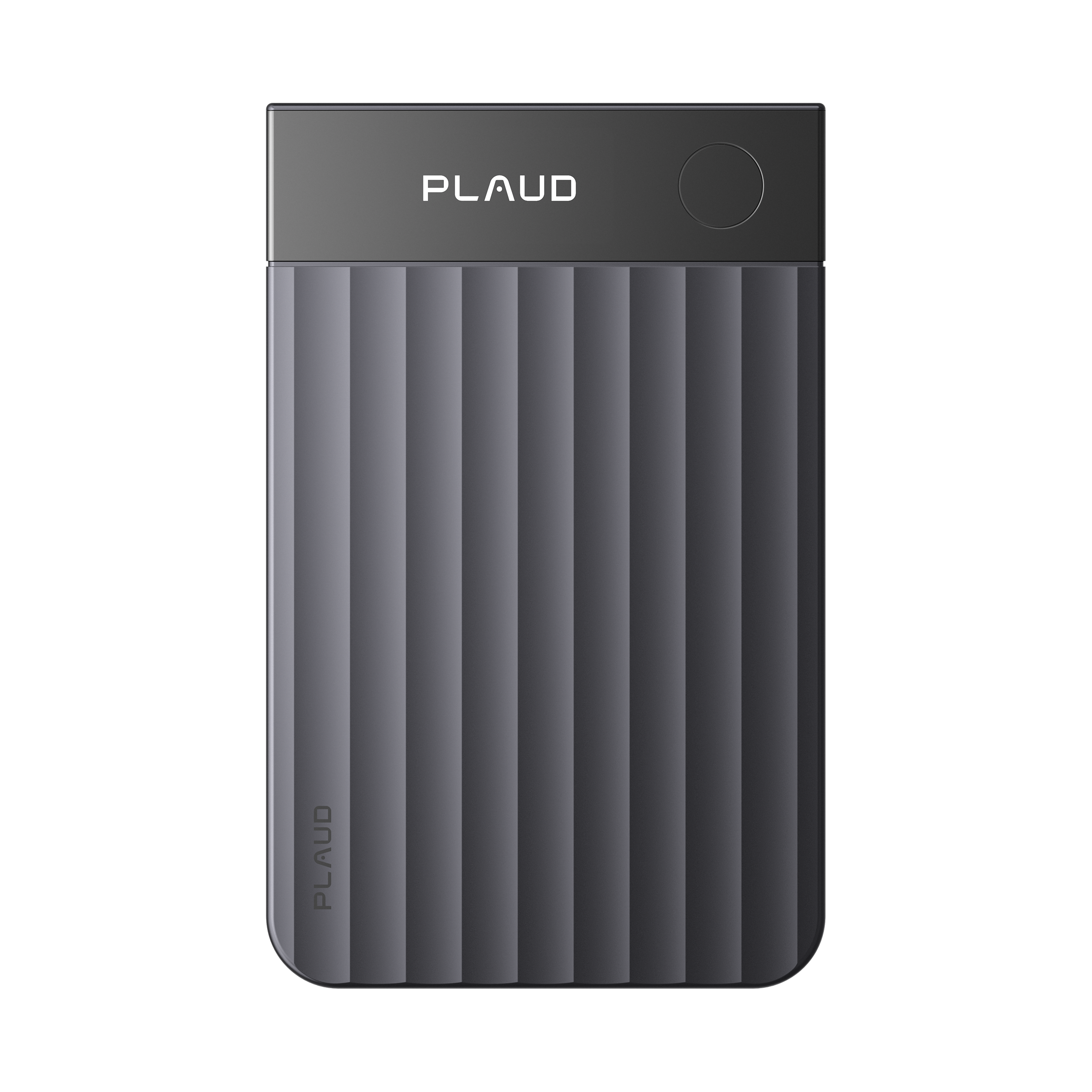
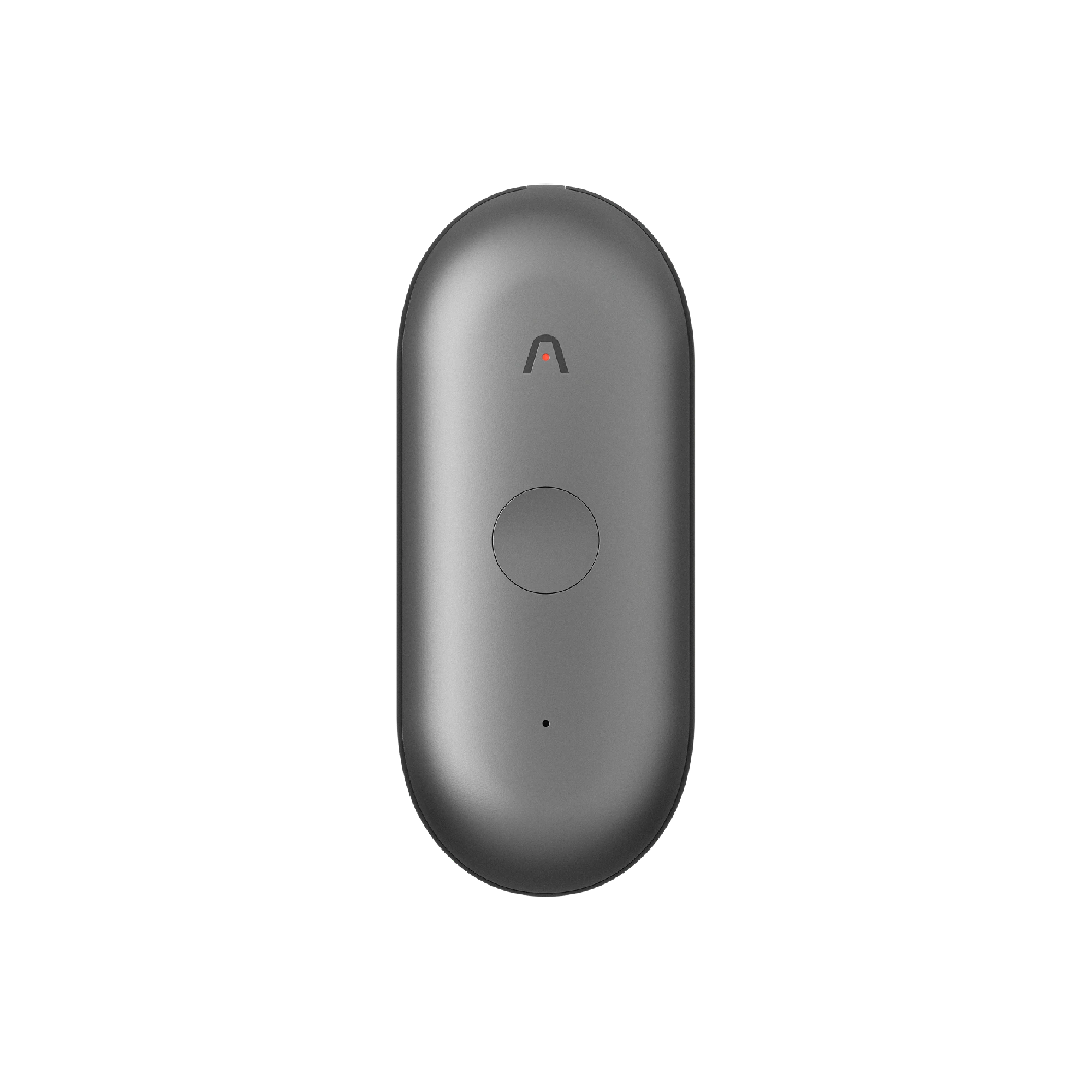
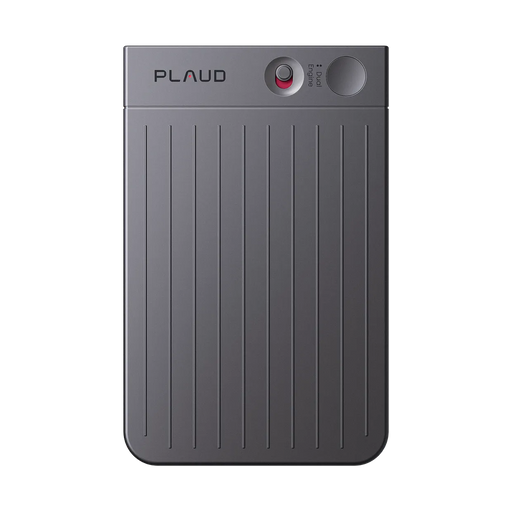
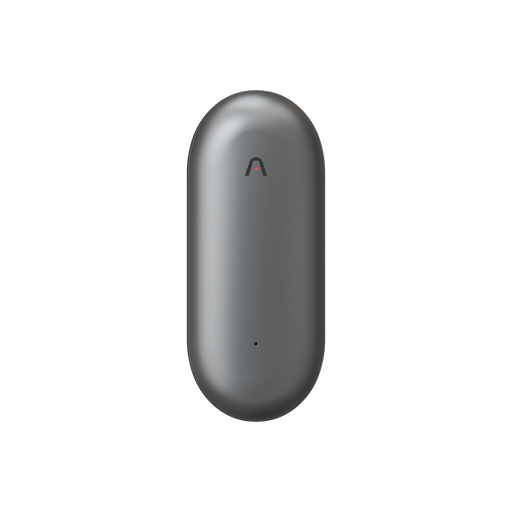
As a general rule, you should always ask for consent before recording phone calls or other interactions. But we understand that it’s not always possible. We always tell customers who buy our mini AI voice recorder and AI note-taker to get permission before recording.
So, in this guide, we’ll explain when you can record someone without permission, when you can’t, and how to record video and audio without putting yourself at legal risk.
Can You Record Someone Without Them Knowing?
In general, no, you cannot record someone without them knowing, but it depends.
In meetings or conversations that you’re a part of, recording without telling the other person depends on state consent laws. In one-party consent states, you can usually record a phone call or meeting without informing the other parties, as long as you’re part of that conversation.
You can also record others without them knowing when the recording happens in a public setting and the person does not have a reasonable expectation of privacy.
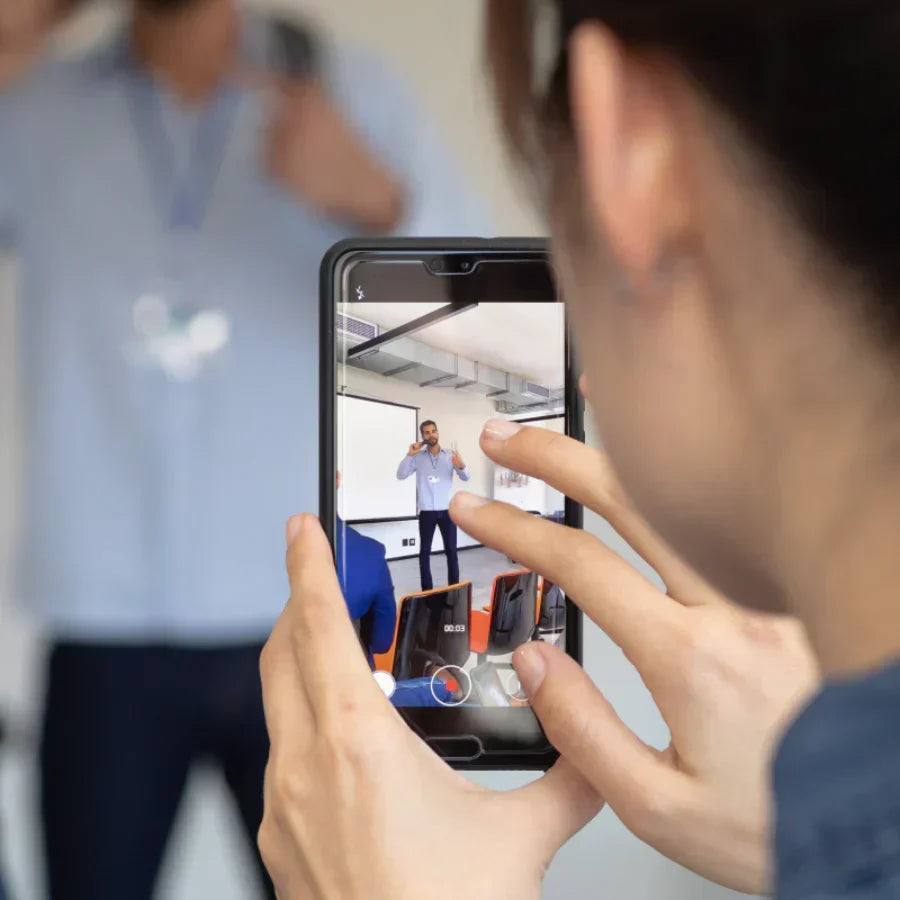
For instance, recording in public parks, on sidewalks, or in busy coffee shops is generally legal because these are not places where people expect privacy. If someone can reasonably expect to be seen or heard by others, recording is usually allowed.
Recording conversations you’re not a part of is a bit trickier.
Even in public, recording can be illegal if the situation involves a reasonable expectation of privacy. For example, recording someone’s private conversation in a cafe or capturing audio with enhanced microphones can violate wiretapping laws.
We know it’s a bit confusing, but just remember this:
- Public setting plus no expectation of privacy: usually legal
- Private conversation or private space: usually illegal
- Audio recordings of conversations you’re not a part of: usually illegal
- State law trumps federal law when recording without consent
One-Party vs. Two-Party Consent
Whether it’s legal to record without someone’s consent depends on the state you’re in. Some states have one-party consent laws, like Ohio, South Carolina, North Dakota, Rhode Island, Texas, and Washington, DC. Others have two-party consent laws (also known as all-party consent laws), like California, Illinois, and Florida.
This can be confusing because at the federal level, U.S. law follows a one-party consent rule. That means you can record a conversation if at least one person involved in the conversation knows about it (and that person can be you, the person recording).
But many states set stricter rules, and the stricter law always applies. So, if you’re in a two-party consent state, you’ll need to get the consent of all parties involved before you start recording, despite what federal law says.
It’s important to check the laws of your state before recording someone without their consent. If you record someone without their permission in an all-party consent rule state, it could result in severe penalties.
Here is an infographic displaying all of the two-party states our team made to help you:

When You Can Record
There are some situations where recording without permission is legal. Here are a few examples:
- Recording video in public places: Streets, sidewalks, parks, protests, and other public areas are usually fair game.
- Recording conversations you’re part of (in one-party consent states): This includes phone calls, sales calls, interviews, or meetings, as long as state law allows it.
- Recording public meetings or events: City council meetings, public hearings, and similar events are often open to recording, though rules may still apply.
- Recording police or public officials in public: This is generally legal as long as you’re not interfering with their duties.
- Recording in publicly accessible but privately owned spaces: Places like stores or malls may allow recording, but you must follow their posted rules or requests to stop.
Note: Recording lectures is usually permitted so long as you get consent. In that case, we recommend getting an AI lecture recorder to help you study.
When You Can’t Record
Recording without consent is usually illegal when the person you’re recording has an expectation of privacy. Here are some situations when you can’t record:
-
Recording private conversations without consent in all-party consent states: This includes phone call recording and in-person conversations (except Connecticut, which has all-party consent for electronic communications and one-party consent for in-person conversations). If you’re recording a meeting, just be sure to tell everyone you’re about to record before using an AI meeting assistant or AI note-taker.
-
Recording in private spaces: Bathrooms, locker rooms, dressing rooms, hotel rooms, and similar areas are almost always off-limits.
-
Recording inside someone’s home without permission: If you’re not the homeowner, or if the recording captures private conversations, this is a serious violation.
-
Secretly recording audio using hidden or enhanced devices: Making secret audio recordings with bugs, hidden cameras, or high-powered microphones can violate wiretapping laws. This is also a bit of a complex topic. The Electronic Communications Privacy Act protects certain forms of communication, but you can record with prior consent in some situations. Please, consult with an attorney before conducting any recordings.
-
Recording children without parental consent: Recording children falls under a stricter set of laws. Even if you get the child’s consent, it’s usually still illegal without parental consent.
-
Recording in places where recording is explicitly prohibited: Courtrooms, secure government buildings, or ticketed events may ban recording entirely. It is illegal to record in these cases.
What Happens if You Record Someone Without Them Knowing?

If you record someone without them knowing, you might face legal consequences. It depends on what you recorded and where you recorded it.
If you recorded a phone call in a single-party consent state, nothing will happen. In these states, it’s legal to record conversations without the other person’s consent as long as you’re also a part of that conversation.
However, if you’ve broken the law, you may face criminal penalties or lawsuits. This depends on the severity of the case and the location.
Here’s an example:
Recording a meeting without consent in California (an all-party state) is a misdemeanor with maximum penalties of $2,500 and up to a year in prison. Recording the same meeting without consent in Florida (also an all-party state) is a felony punishable by up to $5,000 and five years in prison.
Recording conversations you’re not a part of usually brings harsher penalties. You can get in trouble for this in public and private places, including your personal property.
For instance, in a two-party state, you can’t record your partner in your own home without their knowledge. This means even setting up security cameras for surveillance in your own home may require consent.
In a recent story, a man was handed criminal charges for setting up recording devices in the bathroom of his home, where he captured footage of a minor. In serious cases like this, recording without consent is always illegal and results in harsh penalties.
And we haven’t even covered civil penalties yet. If you record someone without their permission, they may file a civil lawsuit against you to gain compensation.
What to Do if Someone Doesn’t Want to Be Recorded?
If someone tells you they don’t want to be recorded, you should respect their right to privacy. Ignoring a clear objection can lead to legal trouble even in single-party states.
Fortunately, there are other ways to confirm what was said during private conversations.
Instead of an audio/video record, draw up a written agreement for both parties to sign. Or get written confirmation that the person said or did something.
For agreements, it’s best if both parties sign and date a contract.
For confirmation (e.g., of receipt or of an order placed), you can follow up with a short email asking the other person to confirm their understanding in their reply.
This is why it’s a good idea to take minutes during meetings that aren’t recorded. You can send them to the attendees afterward and ask for confirmation.
Can You Ambient Record in Public Places?
Ambient recording (recording devices that are always on) in public places is generally legal as long as there’s no reasonable expectation of privacy. That means it’s OK to record on sidewalks, in parks, at conferences or trade shows, and other open settings where people expect to be seen or overheard. In essence, anyone in a public space like this is giving implied consent to voice recording or video recording (within reason).
But as soon as you start having a conversation, you need to get consent, especially if you’re in a two-party state.
Remember that you can’t use ambient recording as an excuse to capture private conversations you’re not part of. This may be prohibited by the federal Wiretap Act.
Also, be careful recording in places that are public-facing but still have privacy protections, like bathrooms, medical offices, or changing rooms. That’s where you can end up in big legal trouble.
And of course, recording minors without their parent’s consent is almost always illegal.
As you can see, ambient recording devices can pose legal risks. If you’re interested in wearable AI recording devices, consider one that you can manually turn off and on, like Plaud Note Pro.
Further Reading for those interested in call recording:
FAQ
Do you have more questions about recording voice and video content without someone’s permission? Find the answers to common questions here.
Q: Can I record a conversation if I feel threatened?
Sometimes. But feeling threatened doesn’t automatically override recording laws. If you’re in a one-party consent state, then you should be fine as long as you’re involved in the conversation. If not, secretly recording someone can be illegal, even in a private setting like your home. If you feel threatened, contacting authorities is usually the safest option.
Q: Can I record police officers?
Generally, yes. Recording police or other public officials performing their duties in public is protected, as long as you’re not interfering. That said, officers can enforce reasonable safety boundaries, and rules vary by state and situation.
Q: Can you record without permission on your own property?
Not always. Owning the property doesn’t automatically give you the right to record private conversations. Even though it’s private property belonging to you, if guests, tenants, or your spouse have a reasonable expectation of privacy (especially for audio recordings), consent laws still apply. So even if you have the consent of at least one party (yourself), you may still not be protected. Again, it always depends. For example, just because it’s your home doesn’t mean you can conduct illegal eavesdropping. We are not legal experts. Please consult an attorney.
Q: Can you record in private settings without permission?
Usually no. Private settings are where people have a reasonable expectation of privacy, like homes, hotel rooms, offices, bathrooms, or closed meetings. To record audio or film video in these places without permission is often illegal, even if you’re physically allowed to be there.