Las personas con TDAH se motivan por el interés, la novedad, el desafío, la urgencia y la pasión, no por la importancia de una tarea en sí misma. El psiquiatra William Dodson describió este patrón como un sistema nervioso basado en el interés, en contraste con el sistema basado en la importancia que permite a la mayoría de las personas superar una tarea aburrida simplemente porque es importante. Saber que una fecha límite es real, o que hay que hacer una tarea, rara vez produce el mismo atractivo para un cerebro con TDAH que un interés genuino, un reloj que corre o un nuevo desafío.
Esto no es un problema de motivación en el sentido de la fuerza de voluntad. Se remonta a cómo el cerebro con TDAH regula la dopamina, el neurotransmisor relacionado con la recompensa y el impulso para actuar. Una actividad de dopamina basal más baja significa que las tareas rutinarias que no ofrecen una recompensa inmediata tienen dificultades para registrarse como dignas de hacer, incluso cuando la persona comprende completamente las consecuencias de omitirlas.
La dopamina funciona como una señal interna de que algo vale la pena perseguir. En un cerebro típico, esa señal se dispara de manera lo suficientemente fiable como para que la anticipación de una recompensa futura, un sueldo, una buena nota, una casa limpia, tenga cierto peso en el momento. En un cerebro con TDAH, esa señal es más débil y menos consistente, por lo que las recompensas distantes o abstractas no generan el mismo atractivo. El cerebro todavía quiere sentirse comprometido. Solo necesita algo más inmediato, más novedoso o más urgente para llegar allí.
Por qué la importancia sola no funciona
La mayoría de los consejos de productividad asumen un sistema basado en la importancia. Clasifica tus tareas, recuerda lo que importa y cúmplelas porque lo que está en juego está claro. Para una persona con TDAH, comprender que algo es importante no se traduce de manera fiable en poder comenzarlo. La brecha entre saber y hacer es la parte frustrante, y a menudo se confunde con pereza por parte de personas que nunca lo han experimentado.
La investigación sobre el TDAH y la motivación respalda esto. Una revisión de la teoría motivacional en el TDAH señala que la investigación sobre el TDAH se ha centrado tradicionalmente en cómo las recompensas externas moldean el comportamiento, prestando menos atención a los motivos internos, como el interés y la relevancia emocional, que impulsan el compromiso en el momento. Ese impulso interno e inmediato está más cerca de cómo se comporta la motivación del TDAH en la vida diaria que una lista de tareas clasificadas por fecha límite.
Las cinco cosas que motivan a los cerebros con TDAH
El marco original de Dodson a menudo se abrevia con un acrónimo, escrito como ICNU, INCUP o PINCH, según la fuente. Las letras difieren, pero los cinco impulsores subyacentes son consistentes:
- Interés. Una tarea que es genuinamente atractiva capta la atención sin esfuerzo. Esta es la ruta más directa hacia la dopamina para un cerebro con TDAH, y es por eso que algunos adultos con TDAH pueden trabajar durante horas en un proyecto que les importa y detenerse por completo en uno que no.
- Novedad. Las tareas nuevas, desconocidas o sorprendentes activan la atención porque el cerebro aún no se ha acostumbrado a ellas. Una nueva aplicación, un nuevo formato o una nueva forma de organizar una tarea familiar pueden reiniciar la motivación que un enfoque repetido ha desgastado.
- Desafío. Una tarea con la cantidad justa de dificultad, ni demasiado fácil ni abrumadora, puede atraer a alguien como lo hace un juego. Una vez que el desafío se resuelve por completo, el atractivo tiende a desvanecerse.
- Urgencia. Una fecha límite cercana crea una presión que sustituye a la importancia. Esto explica el patrón común de comenzar un proyecto la noche anterior a su vencimiento. La tarea no se volvió más importante de la noche a la mañana. Se volvió urgente, y la urgencia es a lo que responde el cerebro con TDAH.
- Pasión. Los temas o actividades que a alguien le importan profundamente pueden mantener la motivación por más tiempo que los otros cuatro, aunque incluso las pasiones pueden rotar y desvanecerse con el tiempo para muchas personas con TDAH.
Ninguno de estos motivadores son defectos de carácter que deban corregirse. Describen cómo el sistema nervioso con TDAH decide con qué vale la pena involucrarse.
Por qué estos motivadores resultan poco fiables
La parte frustrante de la motivación del TDAH es que cada uno de estos cinco factores tiene una fecha de caducidad. La novedad, por definición, deja de ser novedosa. Un desafío superado deja de ser un desafío. La urgencia solo existe cerca de una fecha límite, por lo que no puede ayudar con tareas que no la tienen. Las pasiones y los intereses pueden rotar cada pocas semanas, por lo que un sistema organizacional que funcionó en enero puede sentirse completamente muerto en marzo.
Esta inconsistencia no es una señal de que algo esté roto. Explica por qué una persona con TDAH puede terminar un gran proyecto la noche anterior a su vencimiento, y luego luchar durante una semana para enviar un correo electrónico corto que no tiene fecha límite adjunta. La tarea no se volvió más difícil. Simplemente perdió el motivador que estaba haciendo el trabajo.
El mismo patrón aparece con herramientas y sistemas, no solo con tareas. Una agenda, una aplicación o una rutina matutina que se sintió fresca y efectiva durante las primeras semanas puede comenzar a sentirse monótona una vez que su novedad desaparece, aunque nada sobre el sistema en sí haya cambiado. En lugar de tratar esto como una prueba de que nada funciona, ayuda planificar la rotación desde el principio, manteniendo un conjunto rotatorio de enfoques en lugar de buscar el único sistema que finalmente funcionará para siempre.
Si la baja motivación se siente constante en lugar de específica de la tarea, y viene acompañada de un estado de ánimo apático, pérdida de interés en cosas que solían ser agradables, o cambios en el sueño y el apetito, ese patrón vale la pena consultarlo con un médico o terapeuta, ya que puede indicar algo más allá del TDAH, como la depresión, que necesita su propio cuidado.
Convertir estos motivadores en práctica diaria
Una vez que los cinco impulsores están claros, la pregunta práctica es cómo fabricarlos a demanda en lugar de esperar a que aparezcan.
- Toma prestada la urgencia deliberadamente. Establece una fecha límite artificial antes de la real, o usa un temporizador visible, para que la presión que normalmente solo aparece la noche anterior, se manifieste días antes.
- Rota tus sistemas a propósito. Dado que la novedad se desvanece, planea cambiar de herramientas, formatos o entornos cada pocas semanas en lugar de tratar el desvanecimiento como un fracaso personal.
- Adjunta una tarea a algo que te importe. Una tarea vinculada a un valor o una relación toma prestado parte del atractivo de la pasión, incluso cuando la tarea en sí es aburrida.
- Convierte una tarea plana en un pequeño desafío. Una carrera a contrarreloj con un tiempo limitado, o una regla autoimpuesta como limpiar una bandeja de entrada antes de que llegue a cierto número, le da al cerebro con TDAH algo que resolver.
- Empareja una tarea aburrida con una estimulante. Hacer papeleo mientras escuchas un podcast favorito, o hacer llamadas mientras caminas al aire libre, añade una pequeña dosis de interés o novedad que la tarea por sí sola no proporciona.
- Disminuye el tamaño del primer paso. Una tarea que parece demasiado grande para comenzar rara vez tiene un problema de urgencia, novedad o interés. Tiene un problema de punto de entrada. Reducir el primer movimiento a algo que lleva dos minutos supera esa barrera de manera más fiable que tratar de sentirse motivado primero.

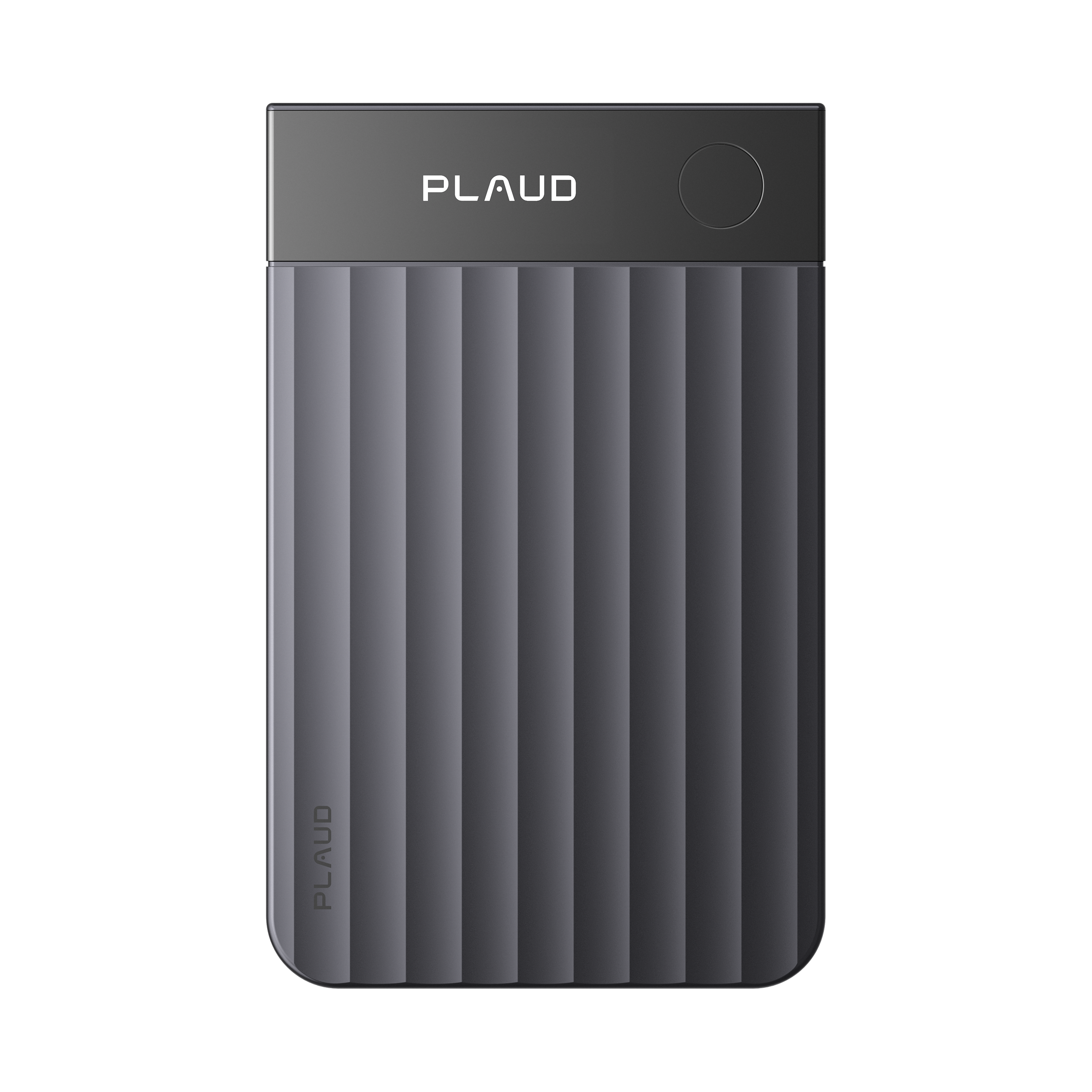
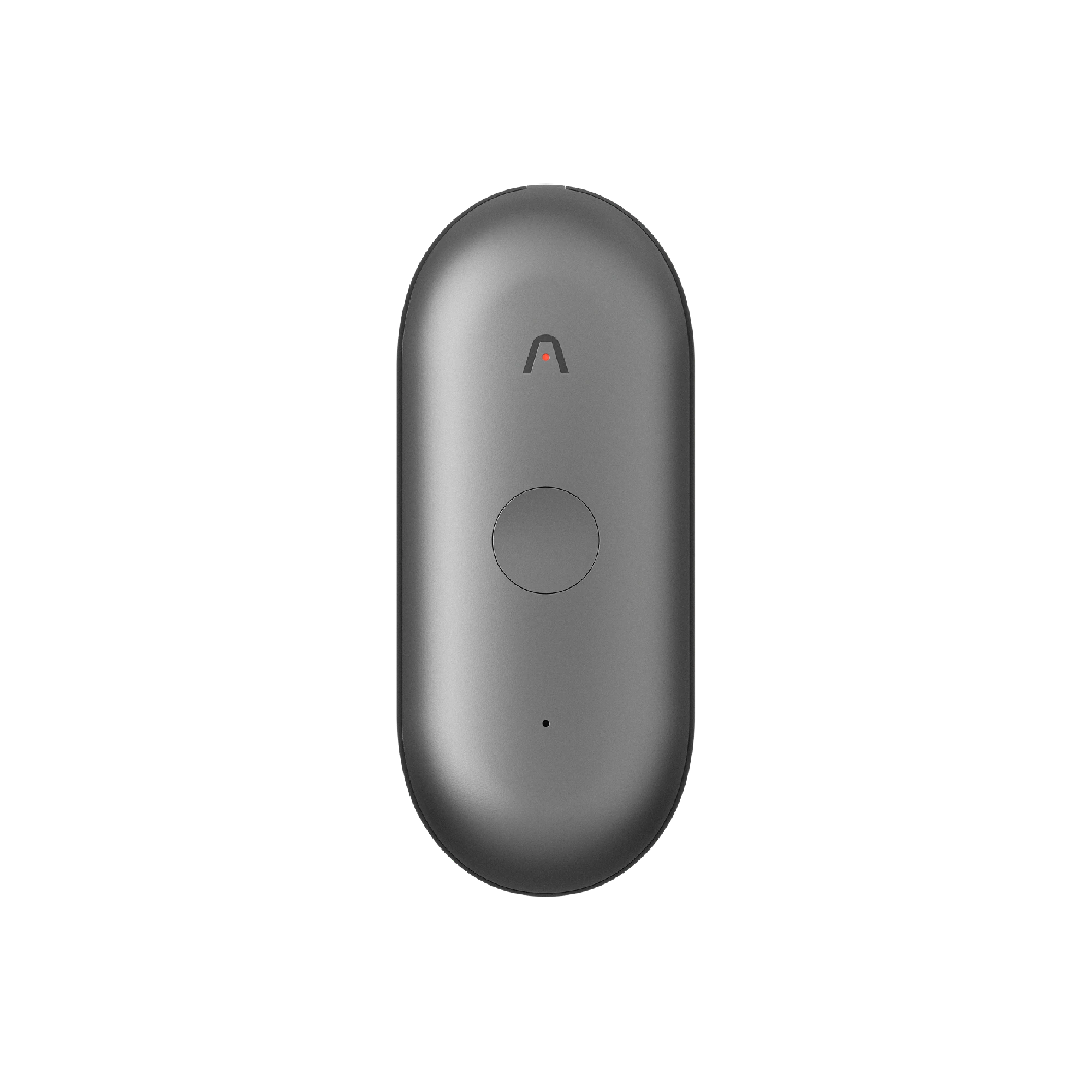
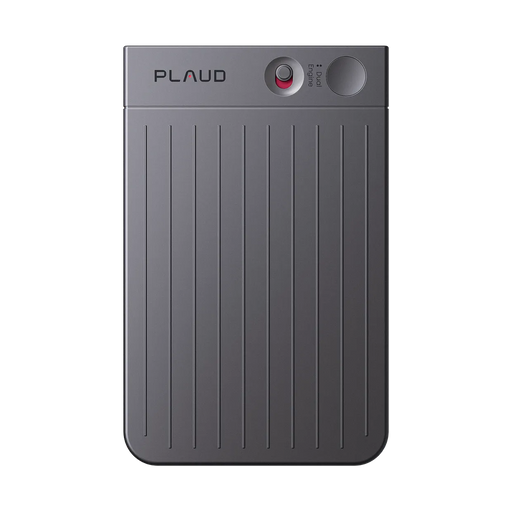
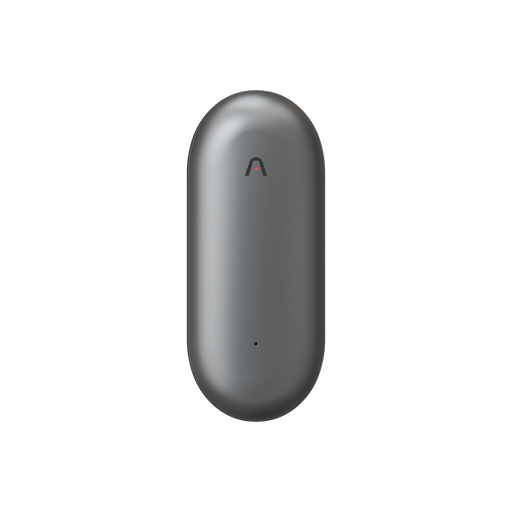
Un motivador que es fácil de perder día a día es el propio interés. Mucha de la participación del TDAH ocurre en ráfagas cortas e imprevistas, una idea repentina en la ducha, un pensamiento útil a mitad de una conversación, una ráfaga de interés durante un paseo. Esa ventana se cierra rápidamente, y los dos minutos que lleva encontrar una aplicación de notas, abrir un teléfono y escribir pueden ser un retraso suficiente para dejarla pasar. Un anotador de IA portátil como el Plaud NotePin S está diseñado para esa brecha exacta. Una pulsación en el pin captura el momento, y Plaud Intelligence lo convierte en una transcripción y un resumen después, para que la idea no dependa de recordar escribirla más tarde.
Plaud NotePin S también incluye la función Presionar para Destacar junto con una plantilla dedicada para TDAH, de modo que un momento específico que vale la pena revisar, una decisión, un detalle, un destello de interés, se marca en el momento en que sucede en lugar de perderse en una grabación más larga. Para alguien cuyo compromiso se manifiesta en ráfagas cortas, ese tipo de captura fácil con un solo toque importa más que otra aplicación de productividad que aún requiere recordar abrirla.
Trabaja con los motivadores que tienes
Intentar manejar un cerebro con TDAH basándose únicamente en la importancia es una estrategia perdedora, no un problema de disciplina. Los cinco impulsores, interés, novedad, desafío, urgencia y pasión, son las palancas reales disponibles, y funcionan mejor cuando se usan a propósito en lugar de esperar a que aparezcan.
Si parte del desafío es capturar el interés o la idea antes de que la ventana se cierre, Plaud NotePin S está diseñado para ese momento exacto. Para una mirada más profunda sobre la construcción de un sistema amigable para el TDAH en torno a la planificación, el entorno y los hábitos, la guía de estrategias de productividad para el TDAH cubre el resto del panorama.