Una transcripción de podcast es la versión escrita de un episodio, con cada palabra en texto para que la conversación pueda leerse, buscarse y reutilizarse. Transcribir un podcast significa convertir ese audio en un documento de texto limpio, y tienes tres formas de hacerlo: escribirlo tú mismo, pasarlo por una herramienta de IA o pagar un servicio de transcripción. Esta guía cubre las tres, explica los pasos y te muestra cómo obtener un audio limpio en primer lugar, ya que esa es la parte que la mayoría de las guías omiten.
Cómo transcribir un podcast: 3 métodos
Hay tres formas de transcribir un podcast: escritura manual, transcripción con IA y servicios humanos profesionales. Cada una de ellas sacrifica la precisión por la velocidad y el costo, por lo que la elección correcta depende de cómo se utilizará la transcripción.
La transcripción manual significa reproducir el episodio y escribir cada línea tú mismo. Te da control total y una precisión casi perfecta, lo que es importante para contenido legal, médico o sensible para patrocinadores. El inconveniente es el tiempo. Una hora de audio puede tardar cuatro o más horas en escribirse, por lo que este método es adecuado para clips cortos o episodios de alto riesgo, no para un catálogo completo.
La transcripción con IA procesa el audio a través de un software de voz a texto y devuelve un borrador en minutos. Un episodio de una hora suele estar listo en menos de cinco. La precisión ronda el 80 al 95 por ciento en audio limpio, y luego disminuye con el ruido de fondo, el solapamiento de voces o los acentos fuertes, por lo que aún debes revisar el borrador antes de publicarlo. Para la mayoría de los creadores y oyentes, este es el método práctico predeterminado.
Los servicios profesionales utilizan transcriptores humanos y alcanzan la mayor precisión, a menudo con formato y etiquetas de orador incluidos. Los precios suelen comenzar alrededor de 50 centavos por minuto de audio y aumentan a partir de ahí. Este método justifica su costo en contenido público o sensible donde un error es costoso.
Cómo transcribir un podcast paso a paso
El flujo de trabajo es el mismo, elijas la herramienta que elijas: obtén el audio, transcríbelo y luego límpialo. Aquí está la versión repetible, con los detalles que suelen confundir a la gente.
- Obtén el archivo de audio. Descarga el episodio desde tu aplicación o anfitrión de podcast, o localiza el archivo que grabaste. Si solo tienes un enlace de transmisión, algunas herramientas basadas en URL aceptan directamente un enlace de Spotify, Apple o YouTube, por lo que te saltas la descarga. WAV conserva la mayor parte del detalle. MP3 es más pequeño y adecuado para la mayoría de los usos.
- Elige tu método según la duración y la importancia. IA para velocidad, un servicio para precisión en episodios importantes, escritura manual solo para clips cortos y sensibles. Ten en cuenta los límites del nivel gratuito antes de comprometerte: el plan gratuito de Otter, por ejemplo, limita cada archivo a 30 minutos y permite solo tres importaciones de archivos durante la vida de la cuenta, lo que un solo episodio completo puede agotar.
- Sube o configura el idioma. En una herramienta basada en archivos, es un botón de importación. En una herramienta basada en URL, pegas el enlace del episodio. Configura el idioma hablado antes de ejecutarlo, ya que la configuración predeterminada en inglés reduce considerablemente la precisión en otros idiomas.
- Ejecuta la transcripción y deja que etiquete a los oradores. Un episodio de una hora termina en aproximadamente tres a cinco minutos. La mayoría de las herramientas detectan automáticamente a los oradores y agregan marcas de tiempo, lo cual querrás para un programa con varios invitados.
- Revisa la prueba contra el audio. Revisa los puntos que la herramienta marcó como de baja confianza, corrige nombres, términos técnicos y puntuación, y corrige cualquier orador que haya etiquetado erróneamente en los primeros minutos, ya que algunas herramientas aprenden de esa corrección. Calcula unos 15 minutos de edición por hora de audio en grabaciones limpias.
- Exporta en el formato correcto. Texto sin formato o DOCX para un artículo o notas del programa, SRT o VTT si el episodio es un video y necesitas subtítulos sincronizados.
La calidad del audio decide cuánto cuesta el paso cinco de edición, por eso vale la pena leer la siguiente sección antes de subir cualquier cosa.
¿Qué herramienta de transcripción de podcasts se adapta a tu caso?
No existe una única herramienta mejor, solo la categoría adecuada para lo que estás transcribiendo. Así es como difieren las principales opciones, para que puedas elegir sin probarlas todas.
Las herramientas integradas en la plataforma (Spotify, Apple Podcasts, YouTube) son gratuitas y no necesitan configuración, pero la cobertura es parcial y no puedes confiar en obtener un archivo limpio y descargable. Úsalas cuando solo quieras leer o tomar una cita rápida, no cuando necesites una transcripción editable para publicar.
Las herramientas de IA basadas en archivos (Otter, Notta y similares) manejan audio subido y añaden etiquetas de orador y marcas de tiempo. Son el estándar para la mayoría de los trabajos puntuales, con una advertencia: los niveles gratuitos son limitados. El plan gratuito de Otter, por ejemplo, limita cada archivo a 30 minutos y permite solo tres importaciones de por vida, por lo que un flujo de trabajo de podcast regular lo supera rápidamente. Lee los límites por archivo y por mes antes de confiar en uno.
Las herramientas de IA basadas en URL toman un enlace de Spotify o Apple y devuelven una transcripción y un resumen sin necesidad de descargar. Son la forma más rápida de transcribir el episodio de otra persona para investigación o notas.
Los servicios profesionales utilizan transcriptores humanos para la máxima precisión y valen el costo por minuto en contenido legal, médico o de patrocinadores.
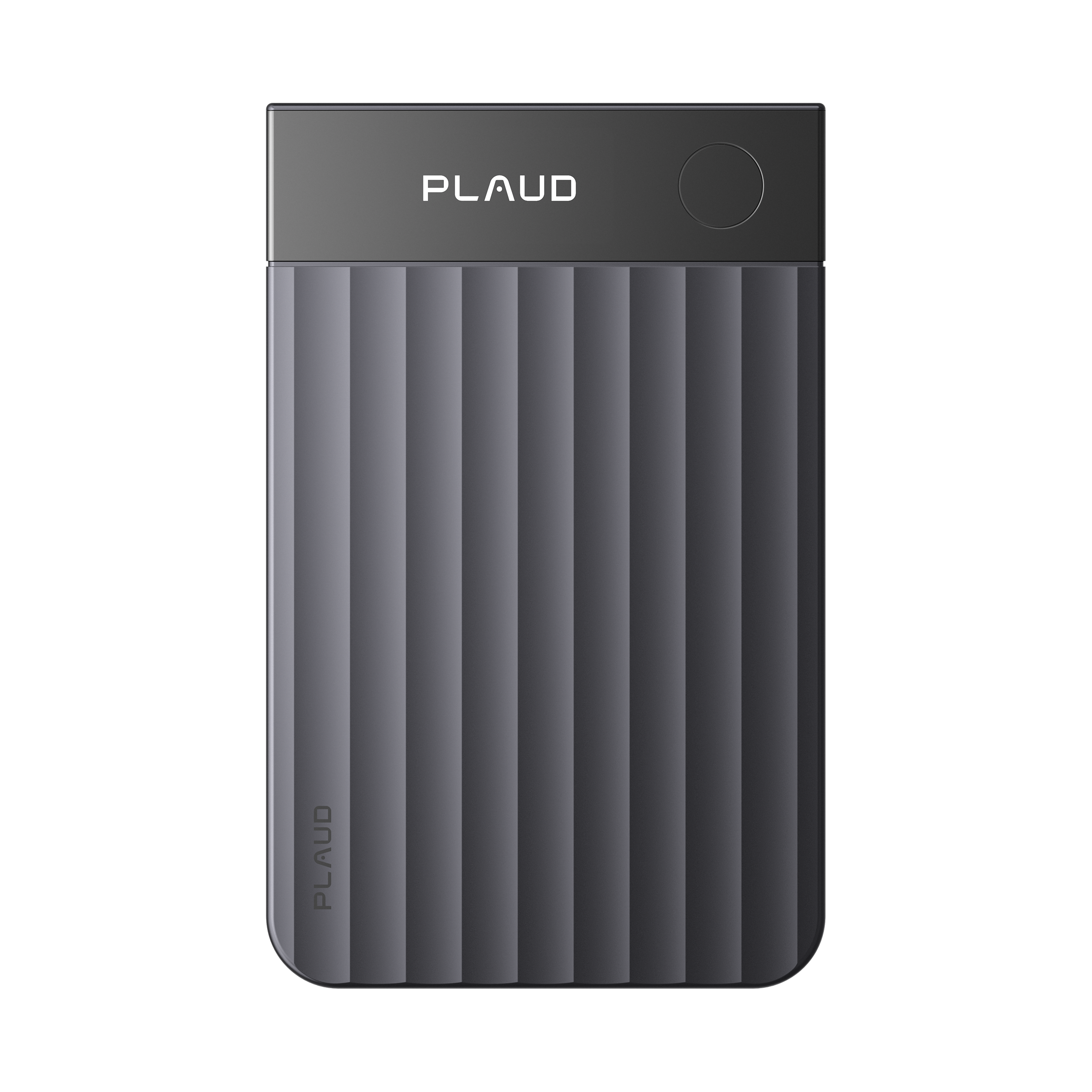
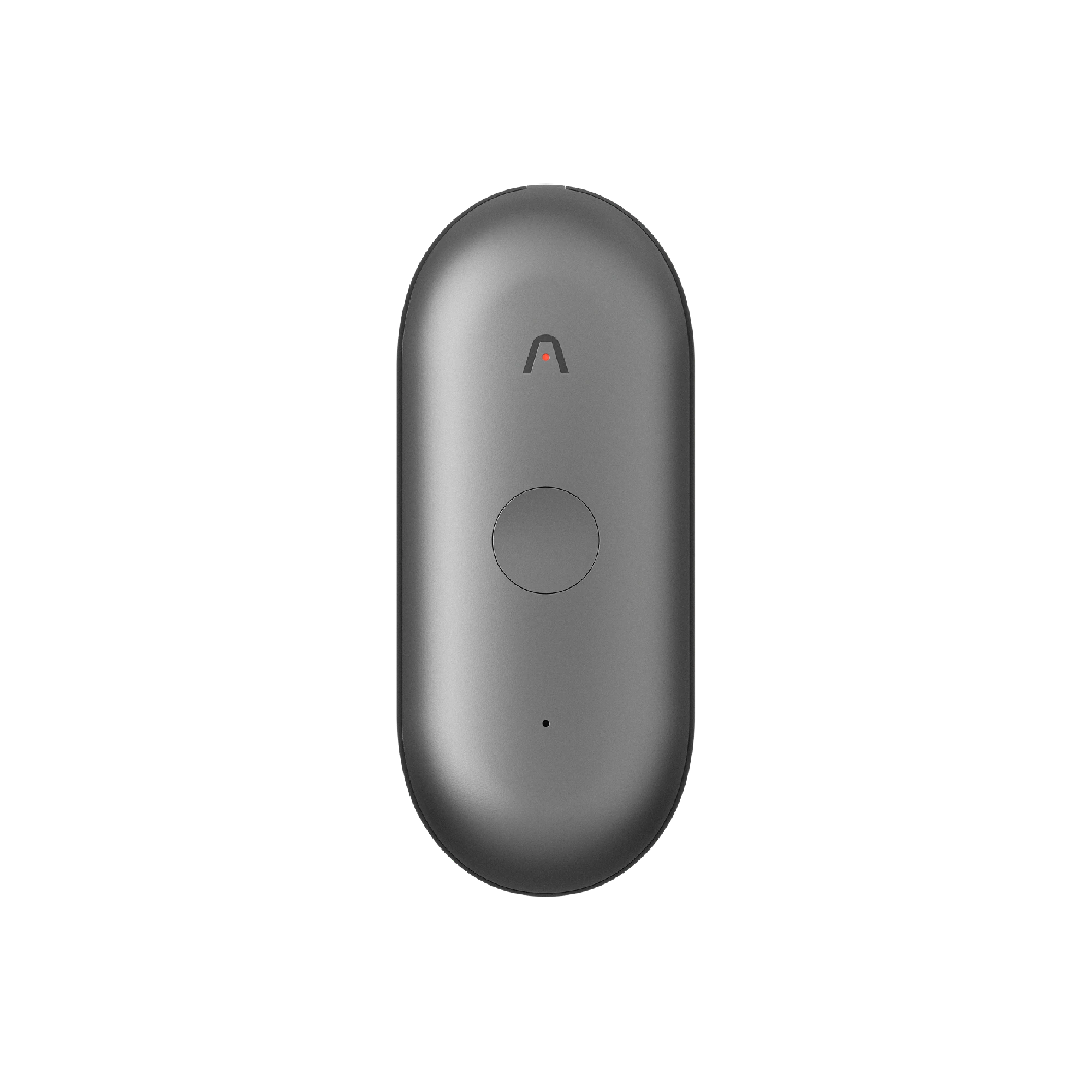
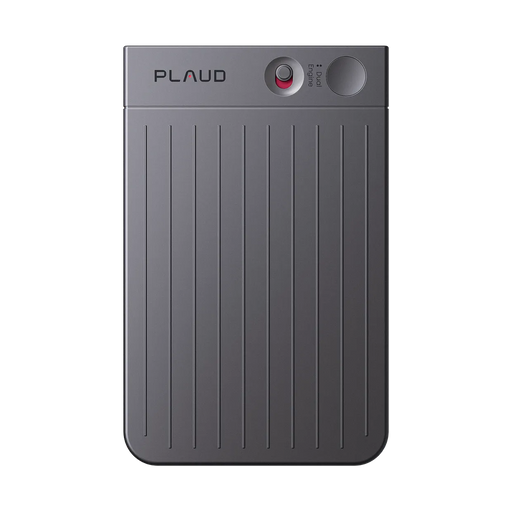
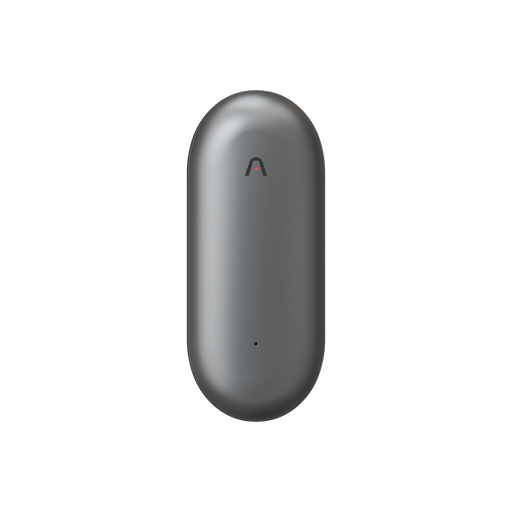
Los dispositivos de grabación y transcripción se ajustan a una necesidad diferente: capturar tu propio episodio de forma limpia en la fuente en lugar de transcribir un archivo después. Un dispositivo como el Plaud Note Pro graba la habitación y produce una transcripción y un resumen etiquetados en una sola pasada, lo que elimina el paso separado de carga y transcripción para los programas que grabas en persona.
Obtener audio limpio en primer lugar
El audio limpio es el factor más importante en la precisión de la transcripción. Un micrófono modesto en una habitación tranquila supera a uno caro en un espacio con eco en todo momento, porque el modelo solo puede transcribir lo que puede escuchar claramente.
Si ya tienes un archivo grabado, normaliza los niveles para que todas las voces tengan una sonoridad constante, aplica una ligera reducción de ruido sin exagerar y recorta los silencios largos antes de subirlo. Una mezcla limpia y única suele ser suficiente para la transcripción, incluso si mantienes pistas de oradores separadas para la edición.
Si estás capturando el audio tú mismo, el dispositivo de grabación establece el límite de calidad. Un grabador dedicado ayuda aquí, especialmente para conversaciones en persona a las que las herramientas de llamada no pueden llegar. Un grabador diseñado específicamente con un conjunto de múltiples micrófonos mantiene una mesa con varios oradores inteligible en lugar de confusa, y los mejores mueven el audio directamente a la transcripción con etiquetas de orador, de modo que la captura y la transcripción se realizan en un solo flujo de trabajo en lugar de dos pasos desconectados.
Cómo obtener una transcripción de Spotify o Apple Podcasts
Algunas plataformas ahora generan transcripciones por ti, así que revisa la aplicación antes de buscar una herramienta separada. La cobertura es parcial y depende del programa y de tu versión de software.
En Spotify, las transcripciones se están implementando para episodios seleccionados. Cuando un programa cumple los requisitos, los oyentes pueden abrir la transcripción dentro de la aplicación, aunque no todos los podcasts la tienen habilitada. En Apple Podcasts, los episodios en idiomas compatibles son transcritos automáticamente para los oyentes con iOS 17.4 o posterior, siendo el inglés, francés, español y alemán algunos de los primeros cubiertos. YouTube genera automáticamente subtítulos para cualquier podcast publicado como video, y puedes abrirlos desde la opción de transcripción debajo de la descripción.
Estas transcripciones integradas son convenientes, pero no siempre completas o precisas, y no puedes depender de ellas para todos los programas. Cuando falta una transcripción de la plataforma o es demasiado rudimentaria para usarla, una herramienta de IA o un servicio llena el vacío.
Transcripción con IA vs. humana: cuál elegir
Elige el método según lo que esté en juego, no por costumbre. Para un episodio normal, la transcripción con IA más una ligera edición es rápida y suficientemente buena. Para contenido legal, médico, de relaciones públicas o de patrocinadores pagados, utiliza un transcriptor humano o haz que un humano revise el borrador de IA, ya que el costo de un error ahí es real.
El presupuesto y el tiempo de respuesta apuntan en la misma dirección. La IA es la más barata y se realiza el mismo día. El trabajo humano cuesta más y lleva más tiempo, pero aporta responsabilidad. Una regla simple: opta por la IA, programa una edición consistente y paga la revisión humana solo en los episodios donde los errores son costosos.
Qué hacer con tu transcripción
Una transcripción es un activo de contenido, no solo un archivo. Una vez que un episodio está en texto, trabaja más duro que solo el audio.
Publicada en la página de tu episodio, una transcripción hace que el programa sea legible para personas sordas o con problemas de audición, y les da a los motores de búsqueda texto para indexar, ya que no pueden rastrear audio. Una versión de texto del contenido de audio también es el requisito de accesibilidad básico para medios basados en tiempo según las pautas de accesibilidad del W3C. El mismo texto se convierte en material en bruto para notas del programa, una entrada de blog, gráficos de citas y publicaciones en redes sociales. Mantén los nombres de los oradores, divide los turnos largos en párrafos cortos y coloca la transcripción cerca del reproductor con una etiqueta clara.
Aquí hay un flujo de trabajo de reutilización que convierte un solo episodio en una semana de contenido. Comienza con la transcripción completa en la página del episodio, que es el ancla de SEO a la que todo lo demás se enlaza. Extrae las tres o cuatro explicaciones más claras del texto y dales forma en una entrada de blog que aborde una pregunta real que tu audiencia busca, enlazando al episodio para que un lector que llega desde Google tenga un camino para escuchar. De la misma transcripción, extrae de cuatro a seis citas cortas y autocontenidas para publicaciones en redes sociales, una idea cada una, y empareja la más fuerte con un clip de audio o video de 30 a 60 segundos cortado de ese momento en el episodio. Deja las citas restantes en tu boletín de correo electrónico como un adelanto con un enlace al programa completo. Una grabación produce la página, el artículo, los clips y el boletín, todo rastreable al mismo texto fuente.
Una transcripción con marcas de tiempo hace esto más rápido, ya que puedes saltar directamente al momento en que se dijo una cita para cortar el clip correspondiente. Una transcripción con etiquetas de orador hace que las citas sean precisas, ya que puedes atribuir cada línea a la voz correcta sin volver a escuchar.

Grabando y transcribiendo tu propio podcast
Si produces el programa, el flujo de trabajo más limpio es capturar y transcribir en una sola pasada en lugar de grabar primero y luego buscar una herramienta de transcripción. Eso elimina el paso de exportación de archivos y mantiene intacta la información del orador desde el principio.
Imagina una entrevista de tres personas alrededor de una mesa. En lugar de conectar un micrófono separado a una grabadora, exportar el archivo y subirlo a una herramienta de transcripción, colocas un Plaud Note Pro en el centro de la mesa. Su matriz de 4 MEMS con formación de haces de IA capta las tres voces claramente a través de la mesa, y cuando dejas de grabar, Plaud Intelligence devuelve la transcripción con cada orador etiquetado, además de un resumen y los puntos clave que puedes pegar directamente en las notas del programa. La cadena de tres pasos de grabar, exportar, subir se reduce a uno. La grabación inteligente de modo dual también capta a un invitado remoto que llama, y el modo Resistencia funciona hasta 50 horas, por lo que un día completo de grabación no necesita una recarga.

Una responsabilidad viene con la grabación de otras personas. Antes de grabar, tómate un momento para informar a los demás y obtener su aprobación. Si la ley lo exige, obtén el consentimiento de todos los participantes antes de grabar y cumple con la ley aplicable.
Convierte tu próximo episodio en texto
Comienza con un episodio. Elige el método que coincida con el propósito de la transcripción, obtén el audio más limpio que puedas y deja que una herramienta de IA haga el trabajo pesado antes de darle una edición rápida. Si grabas en persona y quieres capturar y transcribir en un solo paso, puedes convertir una conversación grabada en una transcripción y un resumen etiquetados con el Plaud Note Pro y usarlo de inmediato.
Las especificaciones y características del producto están sujetas a cambios. Confirma los detalles actuales en las páginas oficiales de los productos Plaud.