
Un «brain dump» es el simple acto de escribir todo lo que tienes en la cabeza, de una vez, sin ordenarlo ni juzgarlo. El objetivo de un «brain dump» es sacar el torbellino de tareas, preocupaciones, ideas y recordatorios de tu mente y ponerlo en una página donde puedas verlo. El significado está en el nombre: vacías el contenido de tu cerebro para que deje de llevarlo todo al mismo tiempo.
La mayoría de nosotros intentamos retener demasiadas cosas en la cabeza. Un artículo de la lista de la compra, una idea de trabajo a medio formar, un mensaje de texto que olvidaste enviar, una preocupación mayor sobre el dinero o una fecha límite, todo compitiendo por la misma atención. Un «brain dump» le da a cada una de estas cosas un lugar donde aterrizar. Lo que te queda es una lista que puedes mirar y procesar, en lugar de un bucle que sigues reproduciendo.
Esta guía cubre lo que un «brain dump» hace por ti, un método de cinco pasos, un ejemplo práctico, los formatos que vale la pena probar, un enfoque que se adapta al TDAH y cómo convertir la lista bruta en los siguientes pasos.
Por qué un «brain dump» despeja una mente ocupada
Un «brain dump» funciona porque tu memoria es mejor para pensar que para almacenar. Cuando mantienes una docena de elementos abiertos en tu cabeza, cada uno de ellos ocupa silenciosamente atención, incluso cuando no estás trabajando en ellos. Escribirlos le entrega ese trabajo de almacenamiento a la página, para que tu mente tenga espacio para concentrarse en una cosa a la vez.
Los expertos en salud describen el «brain dumping» como una forma de aliviar el estrés y calmar el pensamiento excesivo, y el efecto es fácil de sentir. Una vez que se escribe una preocupación, deja de interrumpirte para recordarte que existe. Recursos de salud mental como Verywell Mind y PsychCentral señalan la misma idea: sacar los pensamientos de tu cabeza y ponerlos en una forma visible reduce la sensación de agobio.
Ayuda ser honesto sobre la evidencia. Pequeños estudios han relacionado la práctica con una menor carga cognitiva y una mejor recuperación de lo que escribes, pero la base de investigación aún es limitada, así que trata el «brain dumping» como un hábito útil más que como un tratamiento probado. Una precaución a tener en cuenta: escribir extensamente sobre un solo sentimiento doloroso puede hacer que te sientas peor, no mejor. Un «brain dump» funciona mejor cuando se mantiene rápido y amplio, recorriendo todo lo que tienes en mente, en lugar de convertirse en una espiral profunda sobre una sola preocupación.
También tiene un beneficio para el sueño. Los pensamientos acelerados a la hora de acostarse a menudo son solo elementos inconclusos que tu cerebro tiene miedo de olvidar. Escribirlos antes de dormir le dice a tu cerebro que es seguro dejarlos ir, lo que puede facilitar el conciliar el sueño. Lo mismo se aplica durante una tarde agitada. Un vaciado de dos minutos puede calmar una mente que se siente a punto de desbordarse.
Cómo hacer un «brain dump» en cinco pasos
Para hacer un «brain dump», pon un temporizador corto, anota cada pensamiento sin filtrar, luego agrupa y prioriza lo que escribiste. El método está destinado a ser rápido y desordenado. La velocidad es lo que te permite superar a tu editor interno y plasmar las cosas en la página.
- Pon un temporizador de cinco a diez minutos. Un límite te mantiene en movimiento y evita que el vaciado se convierta en una larga sesión de planificación.
- Escribe todo lo que tengas en mente. Tareas, preocupaciones, ideas, recados, personas a contactar, cosas que estás postergando. Usa fragmentos cortos, no oraciones completas.
- No filtres ni organices todavía. Ningún elemento es demasiado pequeño o demasiado tonto. Ordenar mientras escribes te ralentiza y el objetivo ahora mismo es vaciar, no organizar.
- Agrupa elementos similares una vez que termine el temporizador. Agrúpalos en categorías aproximadas como trabajo, hogar, recados e ideas. Los patrones aparecen rápidamente cuando todo está en un solo lugar.
- Marca la siguiente acción para cada grupo. Encierra en un círculo dos o tres cosas que sean más importantes y anota el siguiente paso para cada una. El resto puede esperar sin ocupar espacio en tu cabeza.
Ese es todo el método del «brain dump». Los primeros tres pasos aclaran tu mente. Los últimos dos convierten el desorden en algo sobre lo que puedes actuar.
Un ejemplo de «brain dump» que puedes copiar
Aquí tienes el aspecto de un «brain dump» en bruto antes de cualquier clasificación:
- responder a Sam sobre el viernes
- dentista, pendiente
- comprar regalo de cumpleaños para mamá
- esa idea para el email de bienvenida
- suscripción al gimnasio, ¿cancelar o mantener?
- impuestos, encontrar el archivo del año pasado
- regar las plantas
- sentirme atrasado con el informe del tercer trimestre
- devolver la llamada a la compañía de seguros
- reservar billetes de tren
Desordenado, y eso es correcto. Ahora la misma lista, agrupada y con las siguientes acciones marcadas:
- Trabajo: responder a Sam (hoy), empezar el esquema del informe del tercer trimestre (siguiente acción: abrir el documento y listar tres secciones), guardar la idea del email de bienvenida en las notas.
- Salud y administración: reservar dentista (siguiente acción: llamar a la hora de comer), devolver la llamada al seguro.
- Hogar y recados: comprar el regalo de mamá, reservar billetes de tren, regar las plantas.
- Decisiones: membresía del gimnasio, archivo de impuestos (siguiente acción: buscar el PDF en el correo electrónico).
La lista no se hizo más larga. Se hizo utilizable. La preocupación por el informe del tercer trimestre se redujo a un pequeño siguiente paso, que es el verdadero beneficio de un «brain dump».
Elige tu formato: papel, diario, plantilla o aplicación
El mejor formato para un «brain dump» es cualquiera que uses en el momento. El papel, un diario dedicado, una plantilla imprimible y una aplicación digital funcionan, y cada uno se adapta a una situación diferente.
El papel en blanco o una libreta son la barrera más baja. Una página en blanco, un bolígrafo, sin configuración. Un diario de «brain dump» añade un poco de estructura y un registro que puedes revisar, lo que se adapta a un hábito diario o semanal. Una plantilla de «brain dump» o una hoja de trabajo imprimible te ofrecen secciones preestablecidas, como tareas, ideas y preocupaciones, para que dediques tus minutos a escribir en lugar de dibujar cuadros. Las plantillas son un buen punto de partida si una página en blanco te resulta intimidante.
Una aplicación de «brain dump» mantiene todo buscable y contigo, lo que importa cuando los pensamientos llegan lejos de tu escritorio. El inconveniente de cualquier método escrito es que las mejores ideas rara vez esperan un momento conveniente. Aparecen mientras caminas, conduces o estás en la cama, justo cuando escribir es incómodo o inseguro.
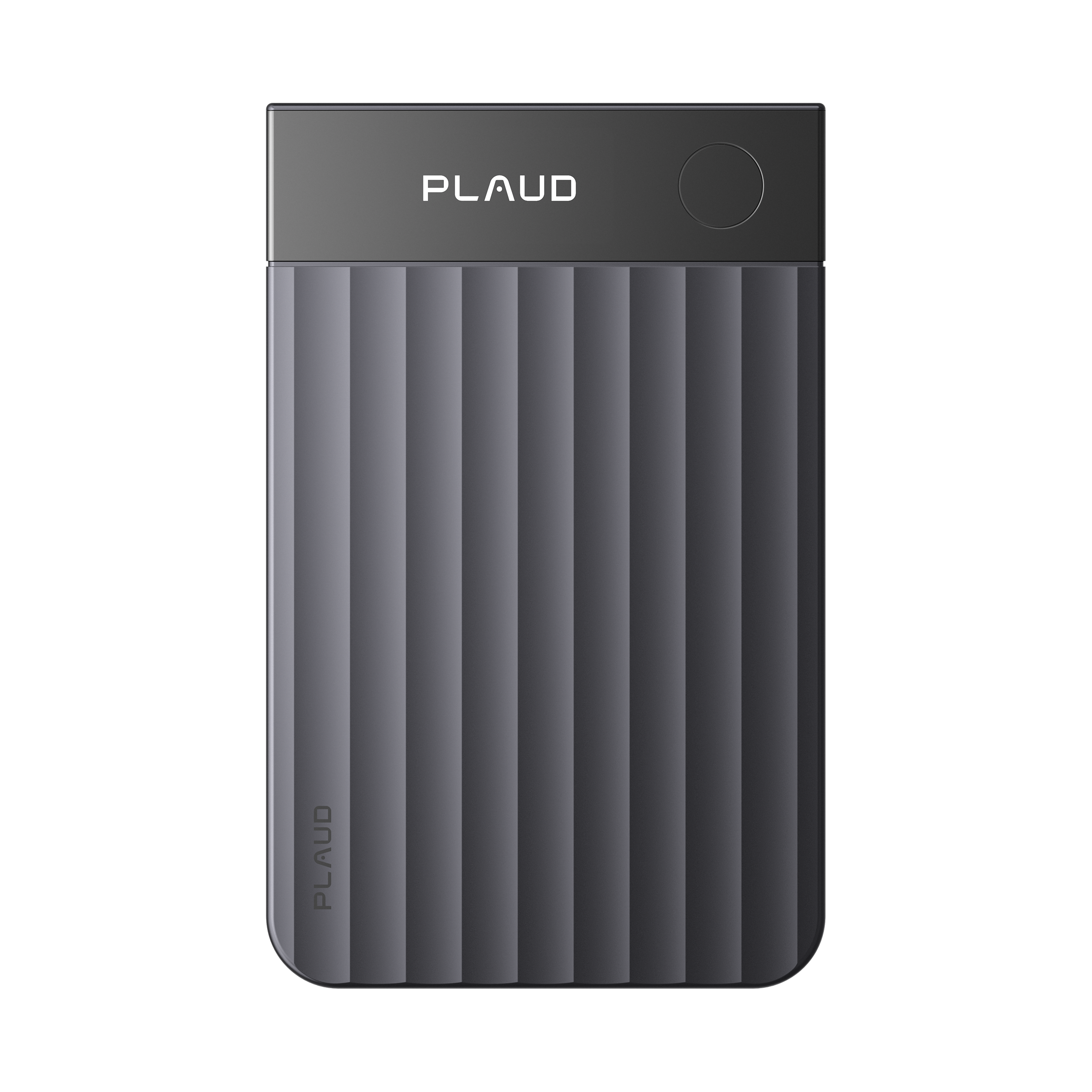
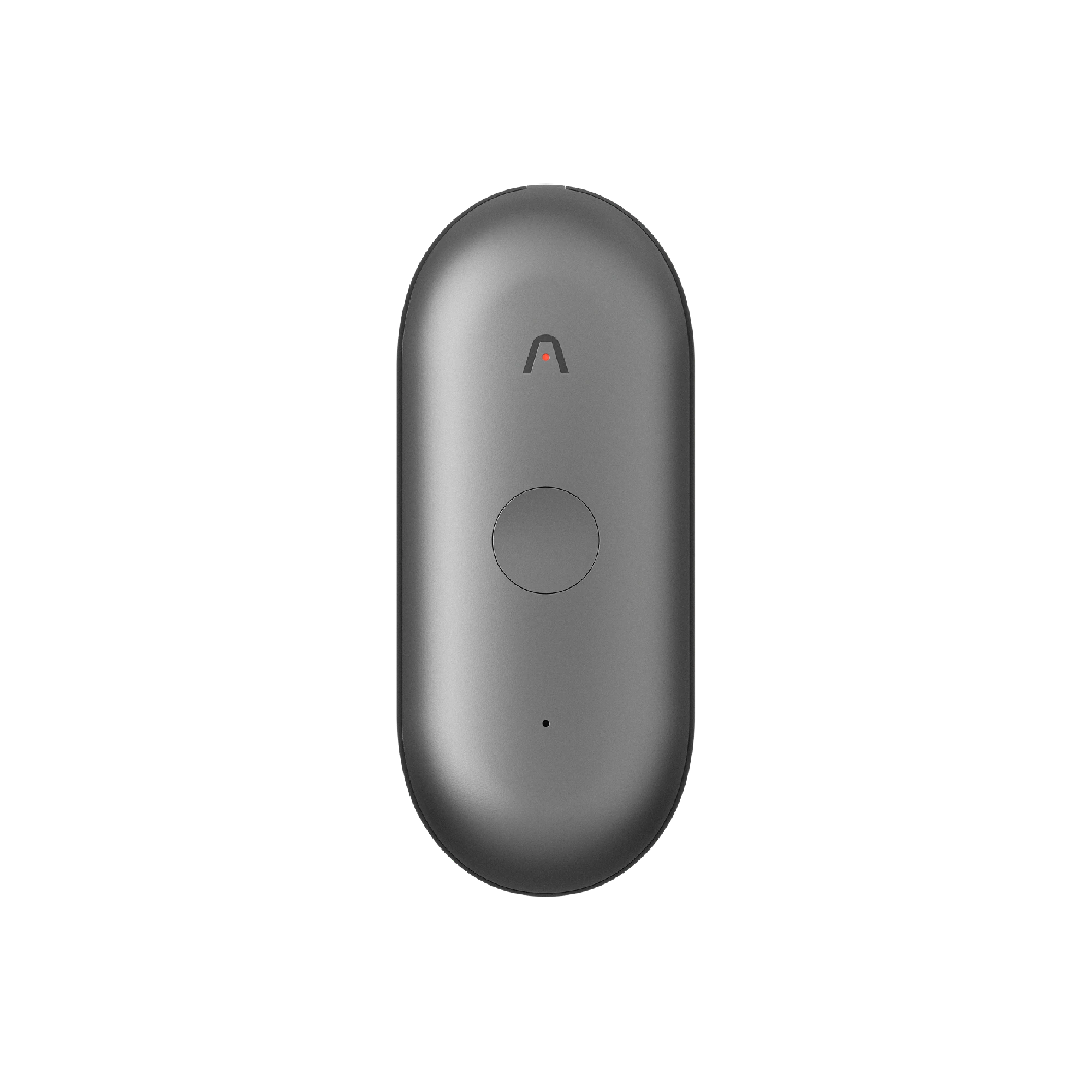
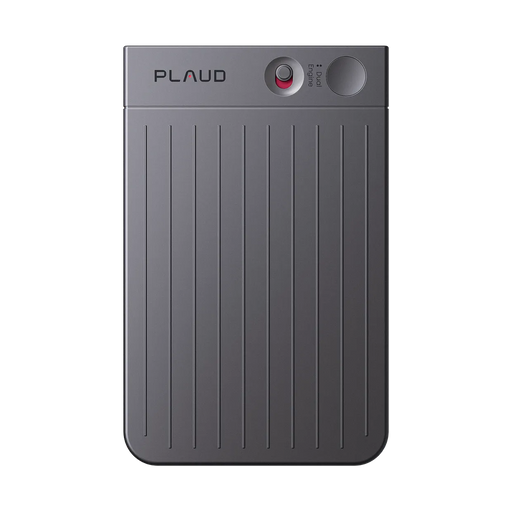
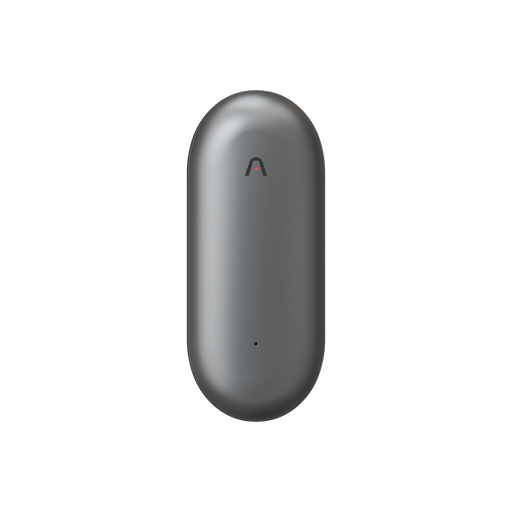
Esa es la brecha que llena una captura basada en voz. El Plaud NotePin S es una grabadora de notas con IA portátil a la que puedes hablar con manos libres, por lo que un «brain dump» se convierte en algo que dices en voz alta en lugar de detenerte a escribir. Mantén pulsado para grabar y di lo que tengas en mente, pulsa brevemente para resaltar las partes importantes. Plaud Intelligence luego convierte la grabación en una transcripción limpia y un resumen estructurado, por lo que un vaciado de dos minutos se convierte en una lista organizada de tareas e ideas. Antes de grabar, tómate un momento para avisar a los demás y obtener su permiso si hay alguien más cerca.

«Brain dumping» con TDAH
Para el TDAH, un «brain dump» es una de las herramientas más útiles disponibles, porque traslada los pensamientos acelerados de la memoria de trabajo a algo externo que se puede ver. El TDAH a menudo dificulta mantener varios elementos en la mente a la vez, por lo que el alivio de vaciarlos en una página tiende a ser mayor, no menor.
Algunos ajustes hacen que el «brain dumping» funcione mejor con el TDAH. Mantén el temporizador corto para que la tarea no parezca interminable. Usa una plantilla de «brain dump» para TDAH con secciones claras si una página en blanco es demasiado abierta. Haz el vaciado con el mismo desencadenante cada día, como justo después del café o antes de acostarte, para que se vuelva automático en lugar de otra cosa que recordar. Para obtener más formas de trabajar con tu atención en lugar de contra ella, consulta nuestra guía sobre cómo ser productivo con el TDAH.
La hora de acostarse es un punto conflictivo común, cuando los pensamientos se aceleran en el momento en que se apagan las luces y escribir significa levantarse de nuevo. Decir el vaciado en un dispositivo portátil como el NotePin S te permite despejar la cabeza en la oscuridad sin buscar un cuaderno, y luego revisar la versión organizada por la mañana.
Convierte tu «brain dump» en próximos pasos
Un «brain dump» solo rinde frutos cuando decides qué hacer con él, por lo que el paso después de volcar es clasificar la lista en actuar, programar o descartar. Sin esto, la página es solo un registro de todo lo que no estás haciendo.
Haz un repaso rápido a la lista. Toma prestada la lógica de la matriz de Eisenhower y hazte dos preguntas sobre cada elemento: ¿es importante y es urgente? Los elementos importantes y urgentes se convierten en las próximas acciones de hoy. Los importantes pero no urgentes reciben una fecha. El resto puede delegarse, guardarse como una idea para algún día o descartarse sin culpa.
El corte de Eisenhower no es la única forma de ordenar. Si la urgencia es difícil de juzgar, etiqueta cuatro cubos: Ahora, Siguiente, Más tarde y Nunca, y coloca cada elemento en uno. Si tu volcado abarca muchas áreas de la vida a la vez, ordena por categoría, como trabajo, hogar, salud y dinero, para que cada área termine con su propia lista corta. Elige la división que te haga más obvia la siguiente acción.
Si hiciste el volcado por voz, parte de esta clasificación ya está hecha para ti. Plaud Intelligence devuelve la grabación como un resumen con elementos de acción y una lista de tareas pendientes, para que comiences con un borrador estructurado en lugar de una pared de texto.

Cuando un volcado es grande o enredado, un mapa mental te ayuda a ver cómo se conectan los elementos antes de que te comprometas con un orden. Nuestra guía de planificación de mapas mentales te muestra cómo convertir una lista desordenada en un plan estructurado que puedes entregar a ti mismo o a un equipo. El objetivo, de cualquier manera, es el mismo: terminar con una lista corta de los siguientes pasos, no con una lista más larga de todo.
Variaciones de «brain dump» que vale la pena probar
El vaciado básico saca todo lo que tienes en la mente, pero vale la pena conocer algunas versiones específicas porque tienen diferentes objetivos.
El vaciado post-aprendizaje fortalece la memoria. Justo después de una clase, una reunión o una sesión de estudio, anota todo lo que puedas recordar sin mirar tus notas. Los educadores llaman a esto práctica de recuperación, y ayuda a que el material se fije mejor que la relectura. Se combina naturalmente con la captura de la sesión por voz primero, de modo que el vaciado sea tú recordando en lugar de transcribiendo.
El vaciado de gratitud cambia tu estado de ánimo. En lugar de tareas y preocupaciones, enumera todo aquello por lo que te sientes agradecido. Esto tiende a hacer que las personas se sientan mejor que desahogarse, lo que lo convierte en una buena opción para la noche cuando quieres relajarte en lugar de alterarte.
El vaciado de proyecto estrecha el enfoque. Elige un proyecto, evento o decisión y vacía solo los pensamientos relacionados con él, luego agrúpalos. Esto es útil antes de planificar algo con muchas partes móviles, como un lanzamiento, un viaje o una mudanza.
Haz del «brain dumping» un hábito
Un «brain dump» es más útil cuando se hace regularmente, para que el desorden nunca llegue al punto de agobiar. Un «brain dump» diario de incluso cinco minutos mantiene la lista de cosas pendientes corta. Muchas personas lo combinan con una rutina existente, como el primer café del día o el final de la jornada laboral, para que se mantenga sin necesidad de fuerza de voluntad.
Una versión semanal funciona bien para elementos de mayor envergadura, como proyectos, objetivos y decisiones que sigues aplazando. Una versión para antes de dormir, escrita o hablada, despeja los pensamientos acelerados que dificultan el sueño. No necesitas las tres. Elige el momento en que tu cabeza se sienta más llena y haz un «dump» en ese momento, de forma consistente.
Empieza con un «brain dump»
Un «brain dump» es la forma más rápida de convertir una cabeza ruidosa en una lista corta y clara de los próximos pasos. Intenta uno la próxima vez que te sientas atrasado, y si tus mejores pensamientos suelen surgir en movimiento, el Plaud NotePin S te permite capturarlos por voz y obtener un resumen organizado. Antes de grabar cerca de otras personas, tómate un momento para avisarles y obtener su consentimiento.
Un «brain dump» es una práctica de autoayuda y productividad, no un consejo médico. Si la ansiedad, los problemas de sueño o el agobio son persistentes, considera hablar con un profesional cualificado.