
Professionals rarely have one meeting type all week. Monday may be a Zoom call, Tuesday a client meeting, Wednesday a phone interview, and Thursday a conversation held while walking between appointments. A single recording method can feel convenient until it fails in the room where you actually need it.
The better approach is to match the Plaud option to the scene. Plaud Note Pro covers in-person-heavy work, Plaud NotePin S covers mobile conversations, and Plaud Desktop handles supported online meetings. Plaud App and Ask Plaud then help you search the record.
Key takeaway
There is no single best recording method for every meeting. Choose based on where the conversation happens and what you need to do with it afterward.
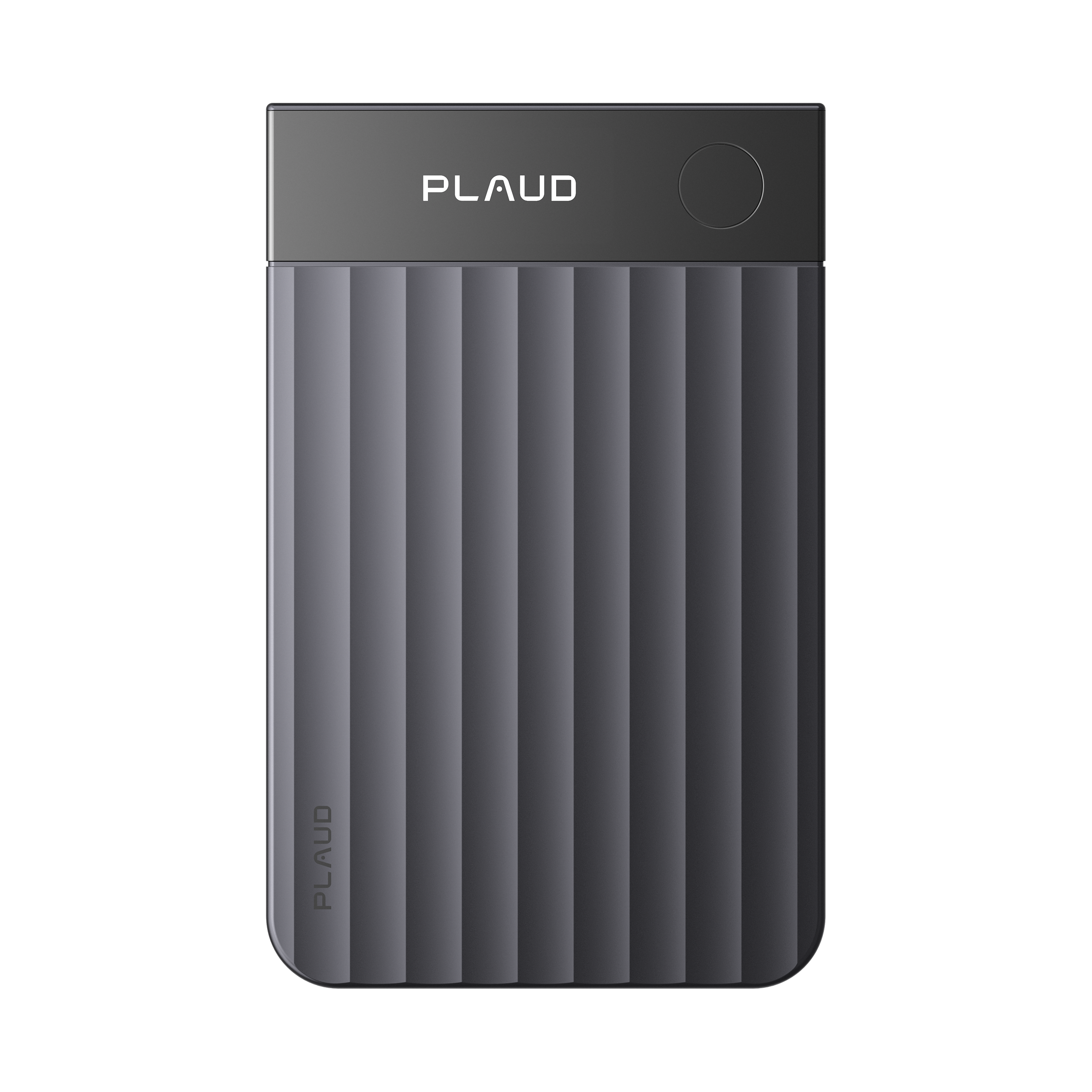
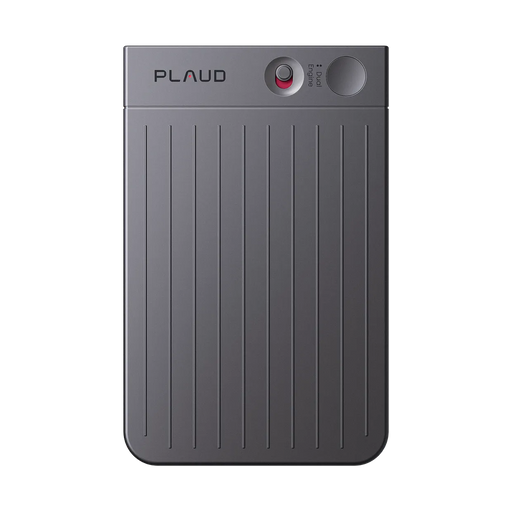
- In-person-heavy meetings: Plaud Note Pro for rooms, client meetings, interviews, and phone calls.
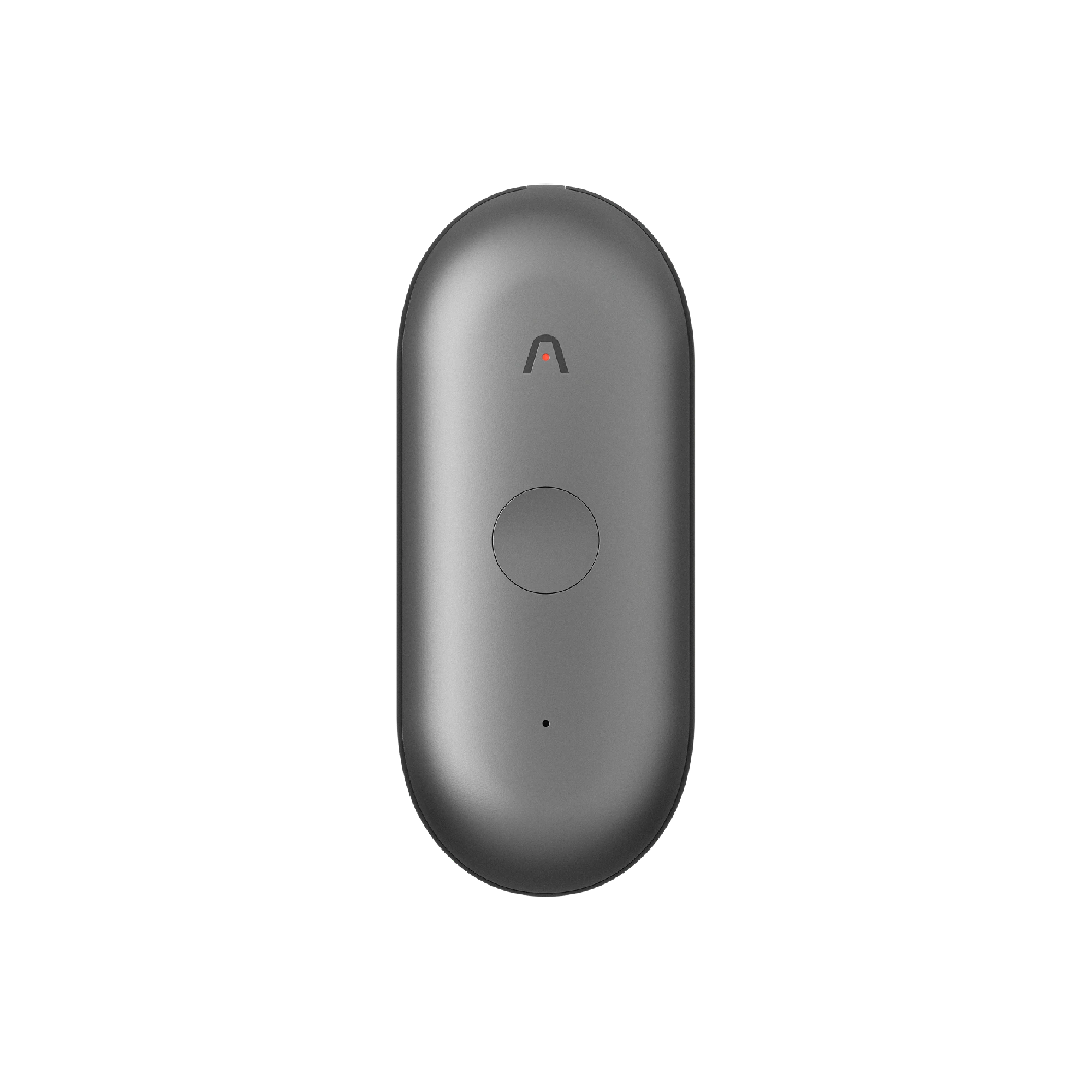
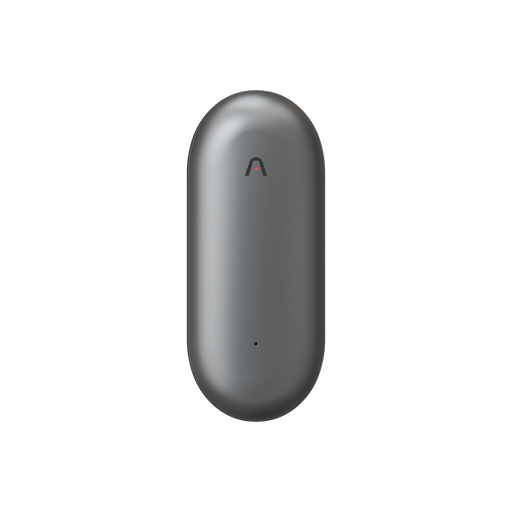
- Mobile or wearable conversations: Plaud NotePin S for field work, walking conversations, and back-to-back in-person meetings.
- Remote online meetings: Plaud Desktop for supported Zoom, Google Meet, and Microsoft Teams audio without a visible meeting bot.
- Hybrid weeks: Plaud Desktop plus Plaud Note Pro or Plaud NotePin S, with each entrance used for the right scene.
- Searchable notes archive: Plaud App and Ask Plaud for transcript search, summaries, questions, and reuse.
Plaud works well here because the physical devices capture in-person conversations, Plaud Desktop handles the online meetings, and the same account connects App, Web, and Desktop. The combination is flexible, but it is not one-device coverage of every situation.
Think of each product as an entry point for a different meeting scene. You can keep the same archive while changing the recording method. That matters when a customer meeting has different consent, room, or platform conditions from an internal video call.
Workflow comparison: how professionals choose the right Plaud option
| Professional workflow | Best Plaud option | Recording method | Best for | Key proof point | Watch-out |
|---|---|---|---|---|---|
| Remote online meetings | Plaud Desktop | Desktop capture, no meeting bot | Zoom, Teams, Google Meet | Supported online audio without joining | Requires computer and device binding |
| In-person-heavy meetings | Plaud Note Pro | Dedicated hardware | Rooms, client meetings, interviews, phone calls | Up to 5 meters of listed pickup, 64GB, long modes | Charge and carry device |
| Mobile or wearable conversations | Plaud NotePin S | Wearable in-person capture | Field work, walking, back-to-back meetings | 17.4 g, four wearing options, Press to Highlight | Not primary phone-call or online option |
| Hybrid week | Plaud Desktop + Plaud Note Pro or Plaud NotePin S | Plaud Desktop + hardware or wearable | Mixed remote and in-person week | One account across Plaud App, Plaud Web, and Plaud Desktop | Choose the right entrance per scene |
| Phone calls | Plaud Note Pro | Dual-mode hardware recording | Client and interview calls | Phone capability verified against official source | Do not use Plaud NotePin S as phone-call device |
| Searchable archive | Plaud App or Ask Plaud | Transcript + summary + search | Search, Q&A, reuse | Ask Plaud queries processed records | Plan minutes and processing apply |
Start with Plaud Desktop for online-first work, Plaud Note Pro for table-based meetings, or Plaud NotePin S for on-the-go conversations. Hybrid weeks need two capture entrances. For a broader comparison, see these bot-free AI note takers.
Consider a typical week. Use Plaud Desktop for Monday’s remote review, Plaud Note Pro for Tuesday’s client meeting, and Plaud NotePin S for Wednesday’s site visits. The archive stays in one system while the recording method changes.
Recommended Plaud options by professional workflow
The right Plaud option depends on where the conversation happens. A professional in a conference room needs a different recording method from someone moving between appointments. Name that setting first, then choose the device or software that keeps recording simple and the notes in the same account.
Plaud Note Pro: best for in-person-heavy professionals

Plaud Note Pro is the room-first choice for professionals who spend more time in client meetings, interviews, conference rooms, and phone calls than in browser meetings.
Pros:
- Four MEMS microphones with AI beamforming and up to 5 meters or 16.4 feet of listed pickup. In a larger room, that gives the recorder more room to hear speakers who are not sitting next to it.
- 64GB local storage, Smart Dual-Mode, and Enhance mode or Endurance mode recording modes. That lets a professional match recording duration to the room instead of carrying a second recorder.
Cons:
- It is a $189 device that needs charging and carrying, and it is less convenient than a wearable while moving.
The device does not depend on a meeting bot or a stable venue network. Enhance mode is listed for up to 30 hours, and Endurance mode reaches up to 50 hours with a shorter pickup range. Plan which mode to use before a long recording day.
Plaud Note Pro also works well for phone-call workflows when the product’s supported recording method is used. After the device is bound to the buyer’s account, Plaud Desktop can cover supported online meetings from the same account. For the product details, see Plaud Note Pro.
Plaud Note Pro makes more sense when in-person meetings, phone calls, larger rooms, and local recording are the dominant parts of your week.
Price: $189. The Plaud Starter Plan includes 300 transcription minutes per month per account.
Plaud NotePin S: best for mobile and wearable capture
Plaud NotePin S is designed for professionals who do not stay at one desk. It can be worn with a magnetic pin, clip, lanyard, or wristband while you move between appointments or conversations.
Pros:
- Lightweight 17.4 g wearable design with four wearing options and a physical record button. The device can stay on the person during a site walk, breakout session, or hallway conversation.
- 64GB storage, Press to Highlight, offline capture, and up to 20 hours of recording. For a mobile day, that means the device can stay with the user while key moments are marked and synced later.
Cons:
- It is not the primary phone-call or online-meeting device, and its 3-meter range is not a keynote-room solution.
No phone goes on the table before a conversation starts, and Press to Highlight marks a decision or follow-up as it happens. Plaud NotePin S is worn on the person, not used as a room recorder. For room-first workflows, compare best AI note takers for in-person meetings.
Plaud NotePin S makes more sense when you move between field conversations, walking meetings, interviews, or back-to-back in-person appointments. See the Plaud NotePin S product page for the current offer.
Price: $179 when verified against the current product offer.
Plaud Desktop: best for remote online meetings
Plaud Desktop is the computer-first component for professionals whose meetings happen in Zoom, Google Meet, or Microsoft Teams.
Pros:
- Captures supported computer audio without adding a visible meeting bot.
- Connects online recordings with the same Plaud account used by App and Web.
Cons:
- It depends on the computer audio feed and is not the main solution for a physical room or phone call.
Device binding is required first.
A Plaud device must be bound to the account before Plaud Desktop access is available. Use it when a meeting platform blocks third-party bots, or when you want a personal record alongside the host’s official recording.
Use Plaud Desktop when remote meetings dominate your week and bot-free computer capture matters more than physical-room pickup.
Price: Desktop access is included with an eligible bound Plaud device. Verify current device and plan requirements.
Plaud App and Ask Plaud: best for searchable notes and reuse

Plaud App and Ask Plaud are the searchable archive. They matter after recording, when the professional needs to find a decision from last month or ask what several conversations said about a project.
Pros:
- Turns processed recordings into transcripts, summaries, insights, and searchable records.
- Ask Plaud can answer questions against available processed meeting content.
Cons:
- Search and Q&A depend on successful processing, available transcripts, and plan limits.
Search a transcript by speaker or topic, review the summary, then ask a focused question instead of replaying an hour-long meeting. The output still needs review when names, numbers, or commitments matter.
Plaud App and Ask Plaud earn their place when the main problem is finding and reusing information across many recorded conversations.
Price: Access and AI minutes depend on the current Plaud account and plan configuration.
Best for searchable meeting notes and transcripts
Searchability starts with the input.
Plaud Note Pro captures room conversations and supported phone calls. Plaud NotePin S adds mobile conversations, and Plaud Desktop adds online meetings. Plaud App and Ask Plaud make the processed output easier to search and reuse.
The process is straightforward:
- Capture the conversation through the entrance that matches the scene.
- Let the recording process into a transcript and summary.
- Search by person, topic, or decision.
- Ask Plaud a focused question against the available record.
- Copy the verified answer into the next document, task, or follow-up.
Search does not make a poor recording accurate.
Correct names and technical terms before treating a transcript as a source of record. The system works best when professionals build a habit of marking important moments and reviewing outputs soon after the meeting.
Use the archive for questions that cross meetings: which customer raised a pricing concern, when a project decision changed, or what follow-up was promised. Verify the answer against the original transcript before acting on it. Search is a retrieval aid, not a replacement for judgment.
Best for live meetings with minimal manual input
Minimal input means reducing steps without hiding the recording from participants or ignoring consent.
- Plaud Note Pro: press the physical record button before an in-person meeting, then let the hardware capture the room or supported call.
- Plaud NotePin S: start recording from the wearable and use Press to Highlight while walking or moving between conversations.
- Plaud Desktop: start the computer capture for a supported online meeting without adding a visible bot.
Choose based on which interruption matters most: typing in a room, placing a phone while moving, or adding a bot to an online call. Before the meeting, check the account, battery, storage, and consent process so the process stays predictable.