Right before you speak, anxiety can spike fast. Your voice tightens, your thoughts race, and you start managing impressions instead of the room. If you are searching for how to reduce anxiety immediately, you are usually looking for a fast way to get steady enough to think and talk clearly.
If any of these are the moment you are in, the reset below fits:
- Reduce anxiety immediately before a meeting.
- Fast anxiety relief on Zoom.
- Calm down before a hard conversation at work.
Why do leaders still get nervous at work?
Even seasoned leaders get anxiety spikes because the job keeps asking for decisions and conversations under imperfect conditions.
- Uncertainty: Incomplete information, unclear expectations, and changing priorities trigger stress.
- Consequences: Higher stakes can show up as irritability and difficulty concentrating, even when you are prepared.
- Visibility: Being watched raises performance pressure, and anxiety can distract and drain energy when it runs unchecked.
The practical takeaway: treat nerves as a cue to run a quick reset, not as a verdict on your competence.

How to reduce anxiety immediately: Step-by-step guide
The next section walks you through a simple 90-second reset you can use to reduce anxiety immediately at work. So you can follow it even when you feel tense or rushed.
Here’s the step-by-step:
- Label it (5 seconds)
- Exhale longer (30–45 seconds)
- Ground with 5-4-3-2-1 (20–40 seconds)
- Release one “voice tension” point (10–20 seconds)
- Lock your next sentence (~10 seconds)
Step 1: Label it (5 seconds)

When leaders search for how to reduce anxiety immediately, the first problem is usually mental overload, not lack of preparation.
Start by labeling what is happening, then stop the inner commentary. This small act creates distance between you and the anxiety spike.
Pick one accurate word in your head, then stop talking to yourself.
A label creates distance. It makes the next action easier, and it is also a simple tactic used in leadership-focused anxiety guidance.
- Choose one: anxious, tense, spinning.
- Add one neutral line: “Body on alert.”
Step 2: Exhale longer (30–45 seconds)

If you need fast anxiety relief, breathing is the quickest lever you can use in public without anyone noticing. A longer exhale signals safety to the nervous system and helps calm anxiety before it spills into your voice.
Keep the inhale light. Let the exhale run longer than the inhale.
Breathing guidance for stress often emphasizes gentle, steady breathing you can do anywhere. The cue to remember is “longer exhale.”
- Inhale through your nose for 3–4
- Exhale softly for 5–7
- Repeat 4–6 cycles
If your body feels stuck “on high,” do one round of cyclic sighing (double inhale, long exhale), then return to the longer-exhale rhythm. Stanford Medicine describes cyclic sighing as emphasizing long exhalations and links it to lowering stress in research.
Step 3: Ground with 5-4-3-2-1 (20–40 seconds)

Anxiety pulls leaders into future outcomes: reactions, risks, and what could go wrong.
Grounding pulls attention back to what is real right now, which helps calm anxiety and restore focus.
Use the 5-4-3-2-1 method to anchor yourself in the present:
- 5 things you see
- 4 things you feel
- 3 things you hear
- 2 things you smell
- 1 thing you taste
Use ordinary objects: Screen, agenda, chair, pen, air conditioning hum.
Step 4: Release one “voice tension” point (10–20 seconds)

Many leaders feel anxiety first in their voice, tight jaw, raised shoulders, and shallow breath. Releasing one tension point can calm anxiety fast and change how you sound before you speak.
Pick one area that changes how you sound, then relax it on purpose.
Muscle relaxation methods work by reducing tension and improving awareness of where you hold it.
- Jaw: unclench and let your tongue rest
- Shoulders: lift for 3–5 seconds, then drop
- Hands: squeeze once, then open
Step 5: Lock your next sentence (10 seconds)
When anxiety is high, clarity reduces stress faster than reassurance. Deciding your first sentence in advance is one of the most reliable ways to calm down and lead effectively.
Choose one clean opener:
- Question: “What decision do we need by the end of this meeting?”
- Decision: “We are choosing option A, and I’ll give the reason in one minute.”
- Boundary: “I can commit to X by Friday. Y needs a different owner.”
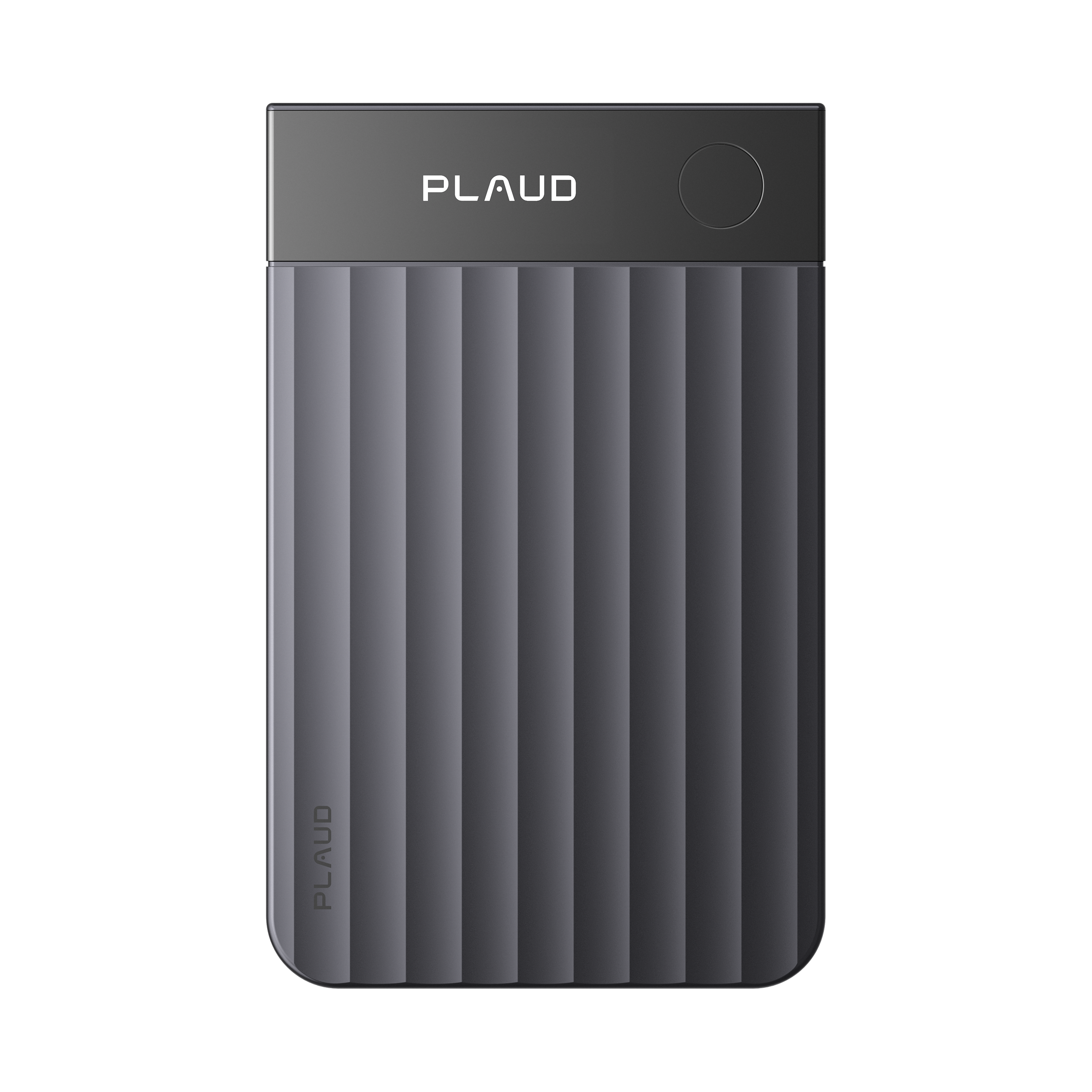
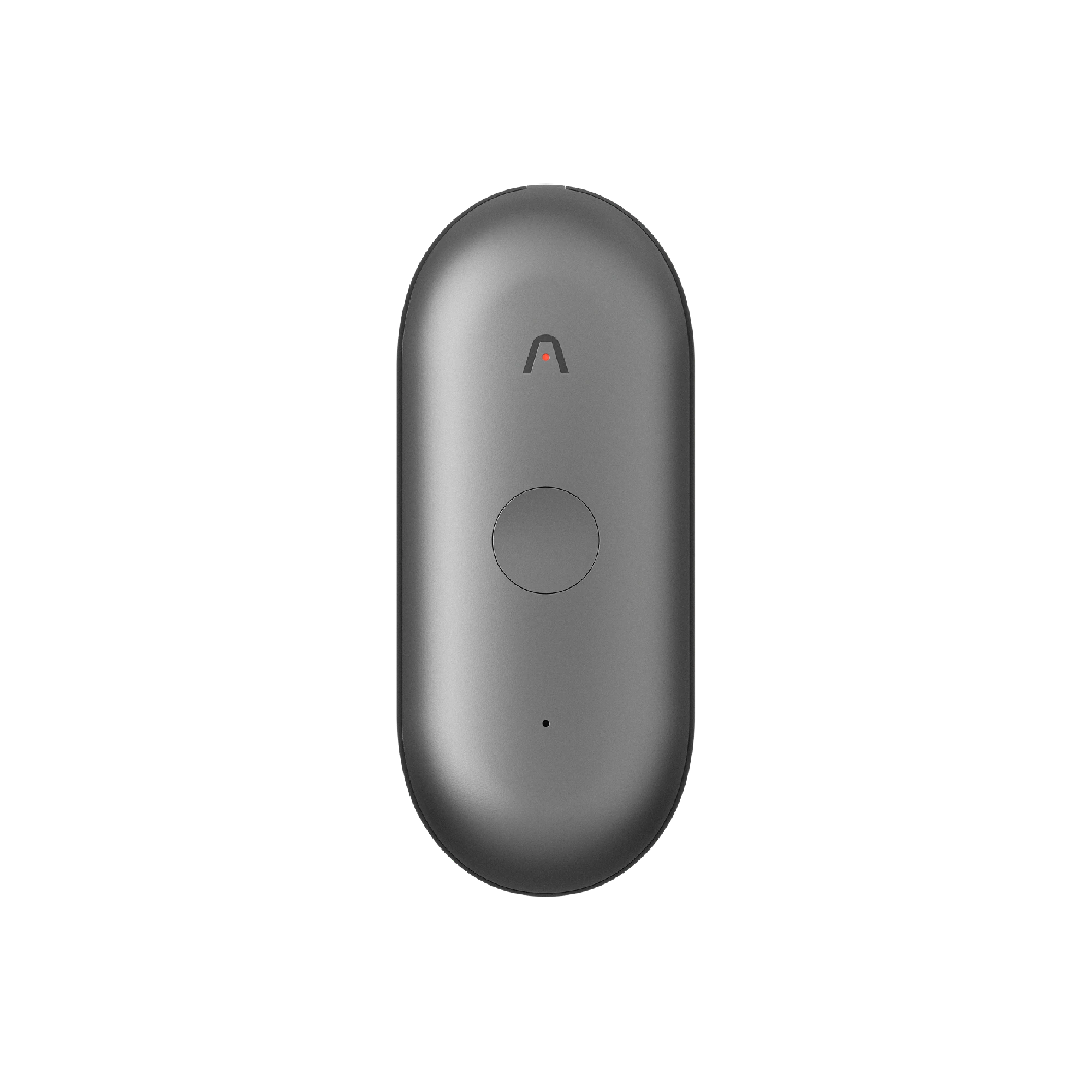
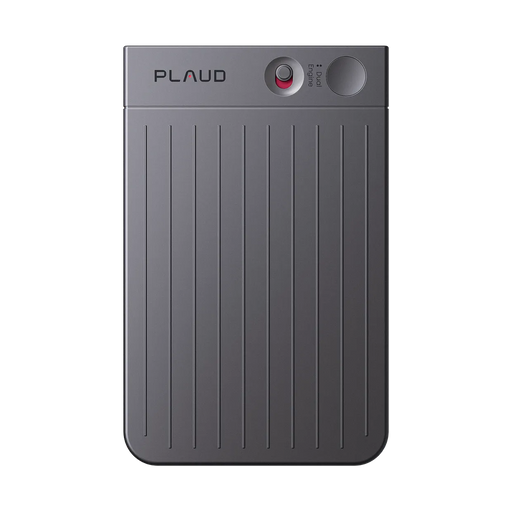
Plaud Note Pro, an AI note taker, fits naturally at this step when anxiety comes from memory load. Record the meeting, use a decision or action-items template, then use Ask Plaud for a tight recap afterward so your brain can stay on listening and leading.
Tips for fast anxiety relief in everyday work moments
The reset stays the same. These tips only adjust timing and phrasing, so you do not start over or add new steps.
Before a meeting
Meetings punish a rushed start. A calm opener sets the pace and keeps you out of defensive mode.
- Give yourself 60 seconds alone before you walk in or unmute.
- Put your Step 5 opener at the top of your notes so you can read it once and start.
- If you speak too fast, add one rule: first sentence, then a pause.
A strong opener can be a question that slows the room: “What would a good outcome look like today?”
On Zoom
Zoom adds noise: faces, chat, lag, and multitasking. Keep your reset invisible and your first line short.
- Do the longer-exhale breathing while someone else talks.
- Ground by feeling your feet and naming three objects on your screen.
- Start with one sentence, then ask a question so you are not carrying the whole call.
If you use Plaud Note Pro, let it capture the details so you are not taking notes while you speak.

In a difficult 1:1
Complex 1:1s trigger reactions. The aim is to buy ten seconds of steadiness before you respond.
- When you feel the urge to interrupt, take one longer exhale cycle first.
- Release jaw or shoulders before you answer, not after you regret your tone.
- Use a question as your first move: “What outcome are you aiming for?”
That question keeps you in problem-solving mode instead of debate mode.
Conclusion
If you get nervous before a high-stakes meeting, it does not mean you are weak or unprepared. It means the job is demanding, and for most people, work is a major source of stress. In that moment, aim for “calm enough,” then take one clean step: a slower exhale, one grounding cue, and one first sentence you can say with a steady pace. A single rep today makes the reset easier to reach tomorrow, especially if you practice for a few minutes when things are quiet. If your anxiety comes from holding too much in your head, let Plaud capture the details so you can focus on the people in front of you.