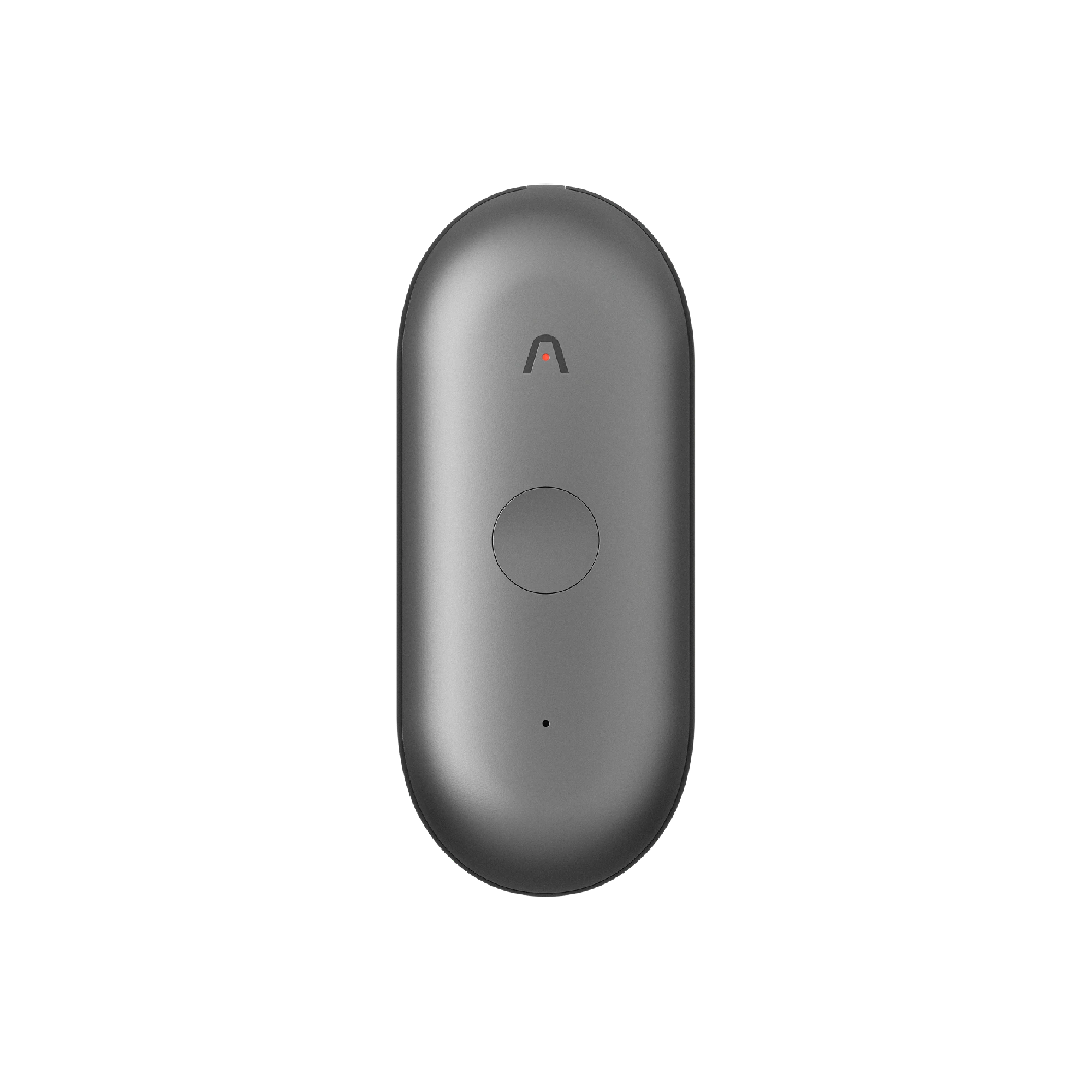

Liron Segev ha regalado aproximadamente diez dispositivos Plaud en el último año. No como regalos, sino como demostraciones que se convirtieron en recomendaciones.
"Cada vez que hago una demostración", dice, "la gente pregunta: '¿dónde consigo uno?' Y yo digo, bueno, aquí, toma el mío".
Ese nivel de entusiasmo no proviene de ser un fanático de los gadgets. Liron, estratega de contenido y experto en automatización de IA con sede en Dallas, construyó su canal de YouTube de más de 1 millón de suscriptores sobre el tema de Wi-Fi. Hoy, su canal y su práctica de consultoría se centran en algo mucho más urgente: ayudar a las empresas basadas en el conocimiento a construir sistemas de IA que conviertan todo lo que ya saben en un flujo constante de contenido publicable.
Liron es preciso sobre lo que se gana un lugar en ese sistema. Plaud se ha ganado su lugar.
En la economía de los expertos, el silencio significa quedarse atrás
Liron trabaja habitualmente con empresas dirigidas por expertos: abogados, consultores, contadores, inversores inmobiliarios, médicos. Su conversación casi siempre comienza en el mismo lugar.
Son personas con un conocimiento profundo y muy bien ganado. Su experiencia es su producto. Sin embargo, cuando se trata de sacar esa experiencia de sus cabezas y ponerla frente a las audiencias que la necesitan, el sistema se desmorona por completo.
"Creen que tienen que empezar de cero cada vez", explica Liron. "Sentarse, abrir un documento en blanco y averiguar qué decir. Nadie hace eso. Nadie tiene tiempo para hacer eso".
La brecha entre tener una idea valiosa y publicar algo útil está llena de demasiados pasos, demasiados roles que asumir, demasiadas páginas vacías. Y así el conocimiento permanece oculto.
El costo de este silencio es real. En la economía de los expertos, el profesional que se presenta consistentemente, que publica, que comparte, que es fácil de encontrar, obtiene las referencias, fija las tarifas y se convierte en la llamada por defecto. No siempre es la persona más calificada la que asciende. La mayoría de las veces, son solo los más visibles. Para la mayoría de los trabajadores del conocimiento en este momento, esa brecha les está costando clientes que ni siquiera saben que están perdiendo.
Lo que Liron ha notado, y sobre lo que ha construido todo un negocio, es que los mismos ejecutivos que afirman no tener tiempo para crear contenido hablarán felizmente sobre su trabajo durante dos minutos mientras esperan un café. Lo que les falta es el camino de la idea al contenido que no requiere que se conviertan en escritores.
Convertir un discurso de dos minutos en cinco piezas de contenido
El sistema que Liron construye para sus clientes es esencialmente un motor de traducción: toma todo lo que un cliente ya tiene y lo convierte en un flujo constante de contenido publicable. Publicaciones de LinkedIn, boletines, artículos, publicaciones de blog, guiones de YouTube.
Así es como funciona el flujo de trabajo: un cliente graba una nota de voz de dos minutos, ya sea una respuesta que le dio a un cliente ese día, un patrón que notó o simplemente una opinión a medio formar. Plaud lo transcribe automáticamente y deja un archivo de texto limpio en una carpeta compartida de Google Drive. A partir de ahí, una IA entrenada con la voz, la audiencia y los objetivos de ese cliente lo formatea en varias piezas de contenido listas para publicar. No se requiere edición.
El combustible para ese motor es el pensamiento convertido en voz, y la forma más fácil y natural de capturar la voz es simplemente hablar.
"Nadie tiene tres horas a la semana para crear contenido", dice Liron. "Pero todos tienen dos minutos para vomitar ideas en su teléfono".
Ahí es donde entra Plaud. Cuando Liron presenta el dispositivo a sus clientes, que se puede usar como colgante, enganchar al teléfono o sujetar al teléfono, el cambio es inmediato. La fricción desaparece. Presionas un botón. Hablas. El resto lo maneja él.
El resultado no es audio en bruto que alguien tenga que transcribir. Es un archivo de texto limpio, listo para ser incluido en un flujo de trabajo. "Si tienes una nota de voz y la metes en ChatGPT", señala Liron, "lo primero que te dice es lo siento, necesito que la transcribas. ¡Qué fastidio!" Con Plaud, ese paso ya está hecho. La transcripción llega a una carpeta de Google Drive, el sistema la recoge y el motor de contenido toma el control.
Una tarde en Starbucks, Liron estaba pidiendo café y hablando por teléfono al mismo tiempo. Y un discurso improvisado de dos minutos se convirtió en un guion de YouTube, una publicación de LinkedIn, un boletín y una publicación de blog.
Eso no es un truco de fiesta. Ese es el flujo de trabajo estándar.
Por qué tu teléfono es la herramienta equivocada para el trabajo
Aquí hay una objeción que surge cada vez, generalmente de las personas más escépticas en la sala: mi teléfono ya puede grabar.
La respuesta de Liron es una sola palabra: intencionalidad.
"Cuando tienes un dispositivo que hace una cosa y la hace bien, lo vas a usar para esa función." Tu teléfono puede actuar como punto de acceso Wi-Fi, pero no vas a reemplazar tu internet doméstico con él. La función existe, pero la intención es diferente. La misma lógica se aplica aquí.
Más prácticamente: cuando se está grabando algo importante en un teléfono, el teléfono queda "rehén" de esa grabación. Si quieres reproducir un clip de YouTube, atender una llamada o revisar tu correo electrónico, el audio podría arruinarse.
Con un dispositivo dedicado, la grabación se realiza de forma independiente. Puedes usar tu teléfono libremente. Puedes estar presente en la reunión. Funciona con el tipo de certeza que un ejecutivo ocupado realmente necesita, sabiendo que el audio se está capturando, limpiamente, todo el tiempo.
"Hay algo que decir sobre sacar un dispositivo, presionar un botón y saber que se encarga de todo por ti", dice Liron. "No tienes que preocuparte por eso".
Esa tranquilidad resulta ser muy importante. Por eso los clientes de Liron, una vez que empiezan a usar Plaud para notas de voz rápidas, rápidamente lo expanden para grabar todo: llamadas de clientes, reuniones de la junta, reuniones rápidas, conferencias magistrales, charlas. El dispositivo se convierte en infraestructura, no en un accesorio.
Algunos consultores se resisten por preocupaciones de NDA. La respuesta de Liron: grabar todo con Plaud, dejar la transcripción directamente en un sistema personalizado y dejar que un agente anonimizador la depure primero en busca de nombres, datos financieros, cualquier cosa confidencial, antes de que la canalización de contenido la toque. Lo que sale del otro lado es una publicación sobre patrones y principios, no sobre clientes identificables.
La IA hace que los grandes expertos sean más ruidosos. No puede hacer que los mediocres valgan la pena escuchar.
Hay una versión de la conversación sobre el contenido de IA que a Liron le parece profundamente poco persuasiva, y es directo al respecto.
"La IA es una herramienta. No es una solución mágica que resolverá todos los problemas. Si no tienes nada que valga la pena decir, la IA no te ayudará".
Las empresas que usan IA sin una base de conocimiento real publican publicaciones genéricas en LinkedIn, boletines vacíos, publicaciones de blog que no dicen nada. La IA produce contenido, pero del tipo incorrecto: contenido que suena como el de todos los demás porque se basa en lo que todos los demás ya han publicado.
Los clientes de Liron hacen lo contrario. Alimentan el sistema con su propio pensamiento: llamadas reales, patrones reales, opiniones reales formadas a lo largo de años de trabajo. El trabajo de la IA no es inventar. Es formatear. Es tomar algo que realmente vale la pena leer y hacerlo publicable en todos los canales a la vez. Esa es la intencionalidad que separa la creación de valor real del teatro de la IA. El sistema que Liron construye solo funciona porque las personas que lo alimentan tienen una experiencia genuina digna de una audiencia. La IA se encarga de la brecha entre saber algo y decirlo bien.
Lo que eso significa para los trabajadores del conocimiento es, en realidad, mucho más optimista que los titulares: si tienes algo que decir, las barreras para decirlo han colapsado efectivamente. Ya no necesitas contratar a un redactor de contenido, un estratega, un editor, un redactor publicitario. Necesitas dos minutos y un dispositivo en el que puedas confiar para capturarlo.
La velocidad a la que la experiencia valiosa puede pasar de la cabeza de una persona a una pieza publicada, esa velocidad es la verdadera transformación.
Quién ganará la próxima década del trabajo del conocimiento
Liron cree que los trabajadores del conocimiento se convertirán cada vez más en los principales beneficiarios de esta categoría de herramientas. No porque otros profesionales no adopten flujos de trabajo basados en la voz, sino porque las apuestas son más altas para las personas cuyo valor es literalmente lo que saben.
El contenido, según su enfoque, no es un relleno de marketing. Es una prueba de experiencia. Los abogados que publican en LinkedIn están generando confianza con futuros clientes. Los consultores cuyas ideas circulan en boletines se están convirtiendo en la persona a la que la gente llama. Los médicos que explican lo que saben en un lenguaje sencillo están estableciendo la autoridad que impulsa las referencias. Para estas personas, el contenido está directamente relacionado con el alcance, la reputación y los ingresos.
Y las plataformas donde esto más importa recompensan la consistencia y el volumen que ningún individuo puede mantener manualmente. Los clientes de Liron publican contenido diario impulsado por las notas de voz que capturan durante la semana. Sus competidores miran documentos en blanco.
La combinación de un dispositivo de captura fiable, una transcripción limpia y un sistema de flujo de trabajo entrenado en la voz y la audiencia de un negocio específico es, en opinión de Liron, la nueva infraestructura de contenido para profesionales. No una tendencia. No un experimento. Infraestructura.
"Cuando la gente ve todo el flujo", dice, "simplemente lo entienden. Tiene sentido".
Liron Segev es consultor de contenido y automatización de IA y estratega de contenido con sede en Dallas. Ayuda a empresas dirigidas por expertos a convertir lo que ya saben en contenido consistente y de alta calidad a través de sistemas de IA personalizados. Liron publica regularmente contenido de automatización de IA en YouTube, LinkedIn y su boletín.