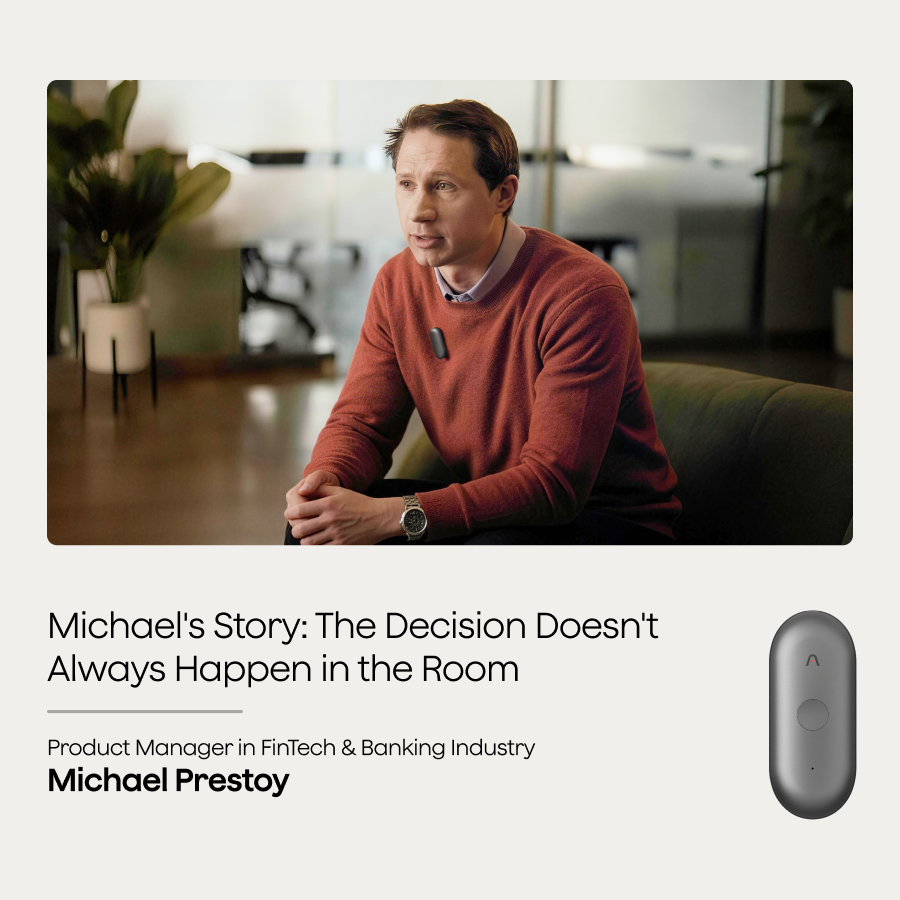
Michael trabaja con productos en la industria bancaria y financiera. Sus días consisten principalmente en reuniones con diferentes equipos, pero tiene cuidado de no describir la reunión en sí como la totalidad de su trabajo.
“El trabajo real generalmente comienza después de la reunión, no durante ella”, dice.
Eso puede sonar contraintuitivo en una industria donde se dedica tanto tiempo a alinear a las partes interesadas, revisar opciones y discutir riesgos en tiempo real. Pero para Michael, la reunión es a menudo donde la información se hace visible por primera vez. Es donde surgen preguntas, se desafían suposiciones y se ponen sobre la mesa caminos competitivos. La decisión en sí misma suele necesitar más espacio.
Gran parte de su trabajo consiste en convivir con la complejidad sin forzar una conclusión demasiado pronto.
“A menudo pienso si necesito decidir ahora, o si es mejor esperar hasta haberlo analizado correctamente”, dice.
Ese instinto es importante en la banca y las finanzas. Las decisiones rara vez se toman de forma aislada y a menudo conllevan limitaciones que no son obvias desde el exterior. La elección de un producto puede implicar la viabilidad técnica, la experiencia del cliente, el riesgo, el cumplimiento, las operaciones, el tiempo y la mantenibilidad a largo plazo. En ese entorno, moverse rápidamente es útil solo si el razonamiento es sólido.
Michael aprendió eso pronto. Cuando empezó a trabajar en entornos más complejos, intentó tomar decisiones en la sala. Con el tiempo, se dio cuenta de que no siempre era el enfoque correcto.
“Las decisiones complejas necesitan distancia”, dice.
Antes de usar Plaud, Michael a menudo salía de las reuniones con mucha información en su cabeza. Recordaba la discusión principal y las opciones generales, pero era más difícil repasar el razonamiento de manera clara después. ¿Qué riesgos surgieron? ¿Qué suposición cambió el rumbo de la conversación? ¿Por qué un camino parecía mejor que otro? ¿Qué parte de la decisión era evidencia y qué parte era instinto?
“Antes de Plaud, salía de las reuniones con mucha información en mi cabeza, pero sin una forma clara de repasar mi propio razonamiento”, dice.
Esa distinción es importante. Michael no buscaba una herramienta para grabar cada reunión o crear un registro de todo lo dicho. De hecho, como trabaja en un entorno regulado, tiene claro que cualquier herramienta debe respetar límites reales.
“Claro”, dice, cuando se le pregunta si tuvo alguna duda antes de usar Plaud. “No puedo grabar la mayoría de las conversaciones internas, así que cualquier herramienta tiene que funcionar dentro de esos límites”.
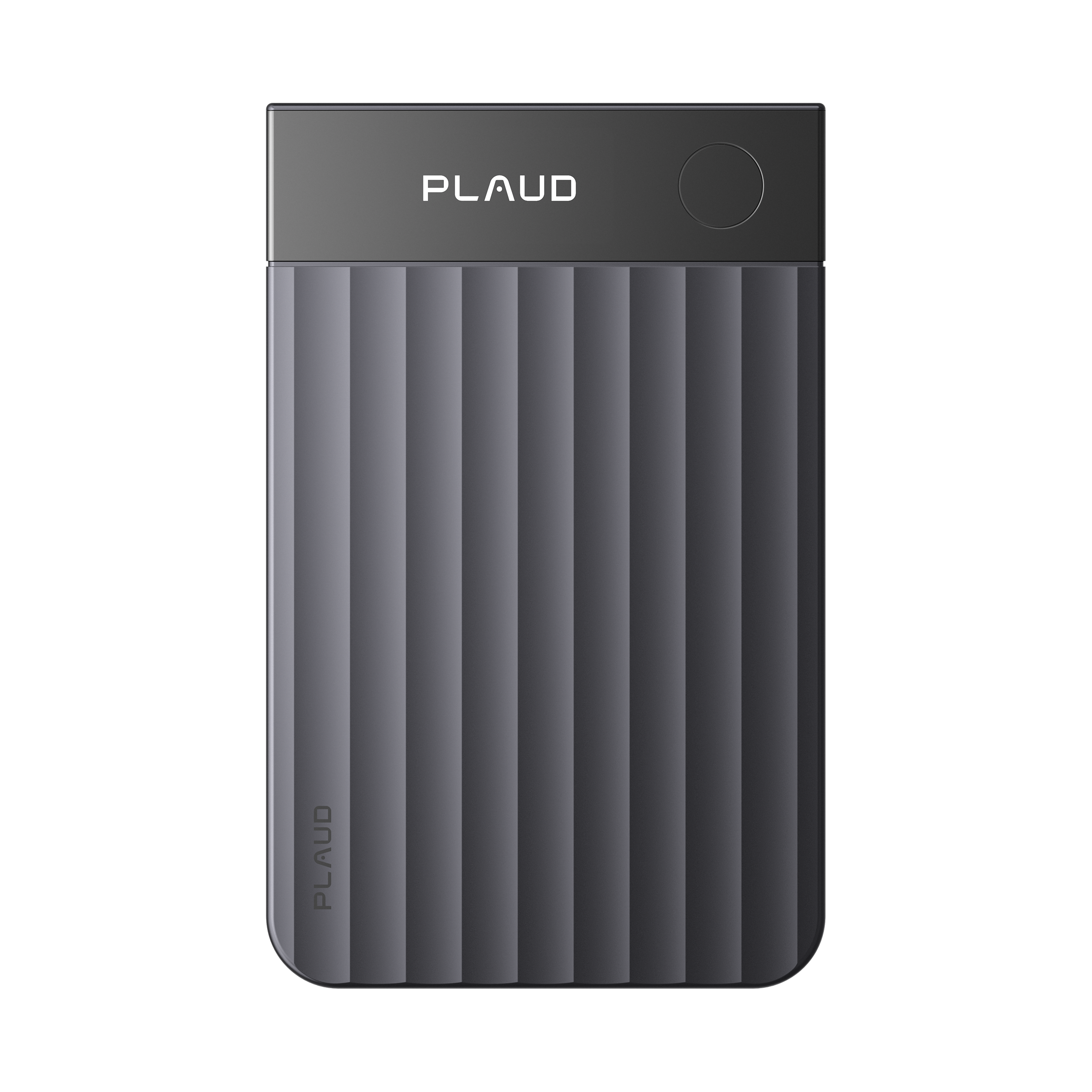
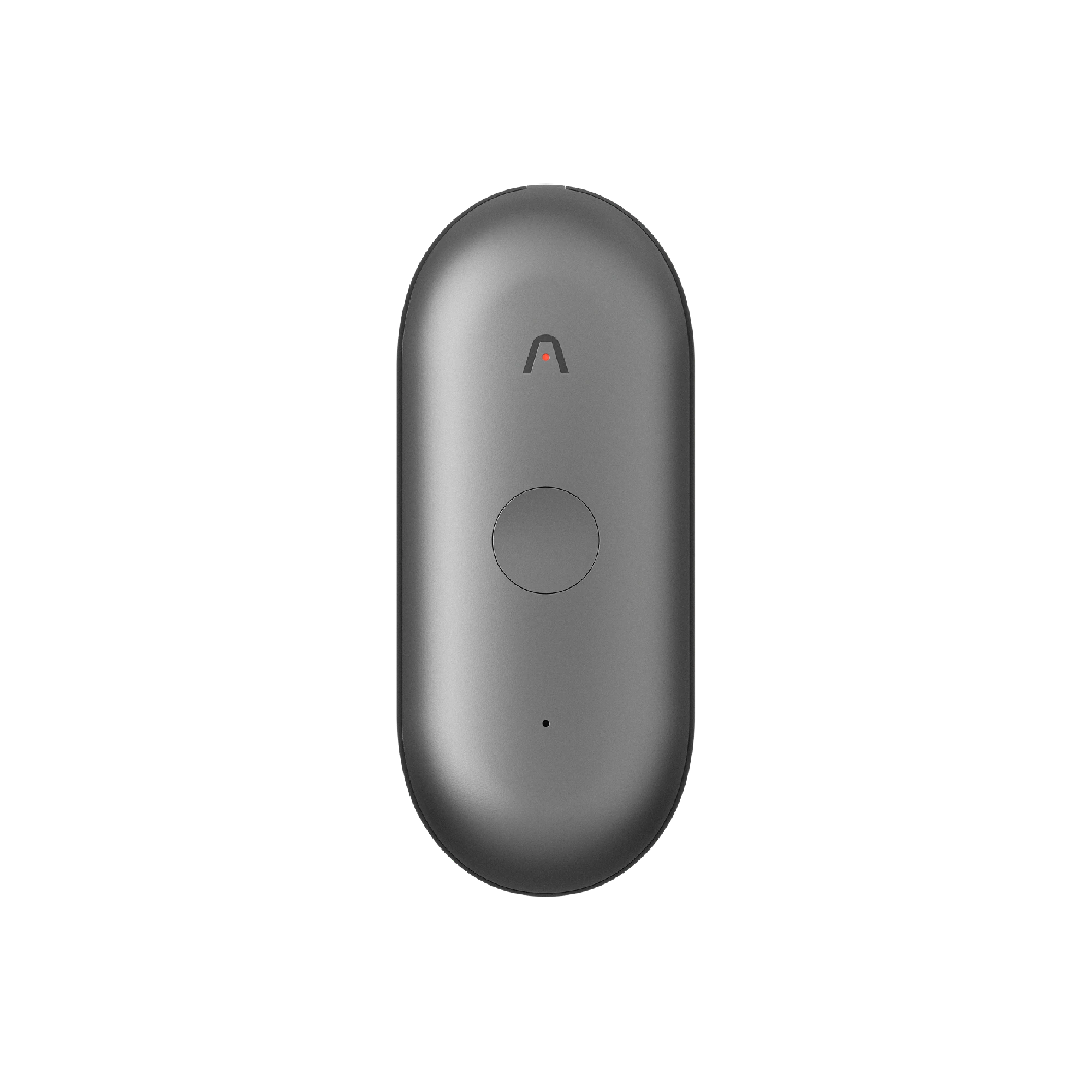
Esa limitación dio forma a cómo lo utiliza. Para Michael, Plaud no es una herramienta de grabación general. Es algo que usa muy intencionalmente, a menudo fuera de la oficina o después de los hechos, cuando tiene espacio para pensar. El valor no reside en capturar indiscriminadamente todo. Radica en proporcionarle una estructura para la reflexión cuando una conversación ha terminado pero la decisión no.
“Normalmente cuando una discusión está terminada, pero la decisión no lo está”, dice. “Ese es el momento en que es más útil”.
En esos momentos, Michael utiliza Plaud para reconstruir su propio pensamiento. Repasa las opciones, los riesgos que surgieron y las razones por las que un camino puede tener más sentido que otro.
A veces eso significa grabar sus propias reflexiones después de una reunión. A veces significa señalar los puntos que necesitan más atención para poder volver a ellos más tarde con la mente más clara.
“Me gusta poder señalar lo que importa y luego volver a ello más tarde, cuando tengo la disposición adecuada para pensar”, dice.
La frase "disposición adecuada" surge de forma natural en su historia. Una reunión puede ser útil, pero no siempre es el mejor lugar para terminar de pensar. Puede haber demasiadas voces, demasiados elementos en movimiento o demasiada presión para responder de inmediato. Para Michael, tener una forma de volver al razonamiento más tarde le ayuda a separar la urgencia de la conversación de la calidad de la decisión.
Describe el efecto claramente: "Me ayuda a ralentizar mi pensamiento y a hacerlo defendible, no solo intuitivo".
Esa palabra —defendible— dice mucho sobre su trabajo. En algunas profesiones, una buena decisión solo necesita sentirse correcta para la persona que la toma. En el entorno de Michael, eso no es suficiente. Una decisión debe ser explicable. Necesita un rastro. Si alguien pregunta por qué se eligió una determinada dirección, él debe poder repasar el razonamiento sin depender únicamente de la memoria.
“Me da un rastro claro de cómo llegué a una decisión”, dice. “Eso es realmente importante en mi entorno”.
Aquí es donde Plaud encaja en el flujo de trabajo de Michael. No reemplaza su juicio. No toma decisiones por él. Le da una forma de preservar y revisar el pensamiento en torno a una decisión, especialmente cuando la primera conversación es solo el comienzo del proceso.
Hubo una situación en la que eso importó. Michael la describe sin dramatizarla: no se pudo tomar una decisión en la sala. Había demasiados factores involucrados, y elegir demasiado rápido habría significado pasar por alto partes del razonamiento que necesitaban más atención. Poder dar un paso atrás y trabajar en la decisión correctamente marcó la diferencia.
“Hubo una situación en la que la decisión no pudo tomarse en la sala”, dice. “Poder dar un paso atrás y trabajar en ella correctamente marcó la diferencia”.
Ese ejemplo captura el verdadero valor de Plaud para él. El beneficio no fue la velocidad por sí misma. Fue la capacidad de crear suficiente distancia de la reunión para pensar con claridad, sin perder de vista la lógica que surgió de ella. En un día de trabajo acelerado, ese tipo de distancia es fácil de perder.
Michael también habla del lado emocional de esto, aunque no de forma dramática. Plaud hace que el proceso se sienta más estable. Reduce la presión de precipitarse a una conclusión mientras una conversación aún se está desarrollando.
“Se siente estable”, dice. “Como si no me estuviera apresurando a sacar conclusiones”.
Esa estabilidad tiene consecuencias prácticas. Describe menos decisiones apresuradas y menos momentos en los que tiene que revisar por qué se decidió algo. En el trabajo complejo, esas dos cosas están conectadas. Si el razonamiento no es claro en el momento, a menudo crea más trabajo más tarde: más aclaraciones, más retrocesos, más tiempo dedicado a tratar de reconstruir la lógica original.
Con Plaud, Michael se siente más cómodo dejando que las conversaciones fluyan porque sabe que la reflexión puede continuar después.
“Me siento más cómodo dejando que las conversaciones fluyan, sabiendo que la reflexión ocurre más tarde”, dice.
Eso no es lo mismo que posponer la responsabilidad. Es una forma más disciplinada de manejar decisiones que merecen más que una reacción inmediata. Para Michael, la capacidad de revisar y poner a prueba su propio pensamiento es parte de hacer el trabajo correctamente.
“Si Plaud desapareciera mañana, echaría de menos tener una forma de ralentizar y poner a prueba mi propio pensamiento”, dice.
Lo que destaca en la historia de Michael es lo restringido que es su caso de uso. No intenta automatizar el juicio. No le pide a la IA que le dé una respuesta para copiar. De hecho, su visión de la tecnología es casi lo opuesto.
“La IA es más útil cuando te da espacio para pensar, no respuestas para copiar”, dice.
Esa frase se acerca al centro de su relación con Plaud. El producto es útil porque protege las condiciones que el buen juicio necesita: tiempo, estructura, contexto y la capacidad de revisar la lógica detrás de una decisión. Le ayuda a mantenerse con la complejidad en lugar de aplanarla demasiado rápido.
Al final de la entrevista, Michael lo dijo simplemente.
"No reemplaza el juicio", dice. "Protege el tiempo y la estructura que el juicio necesita".
Para un gerente de producto en banca y finanzas, ese es el punto. El trabajo no es solo tomar decisiones. Es tomar decisiones con la suficiente cautela como para poder respaldarlas más tarde.
Mantente presente, porque cada conversación importa.