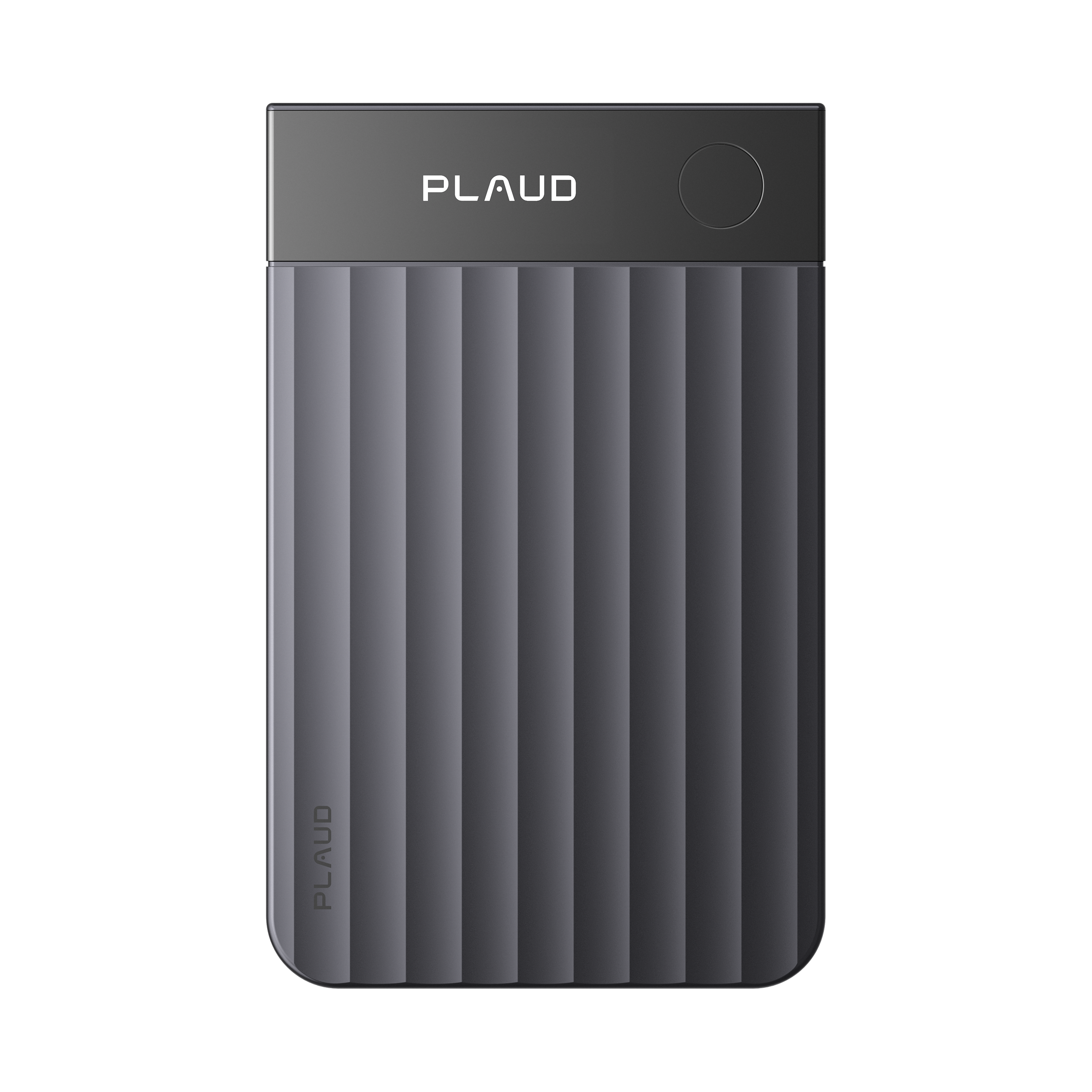
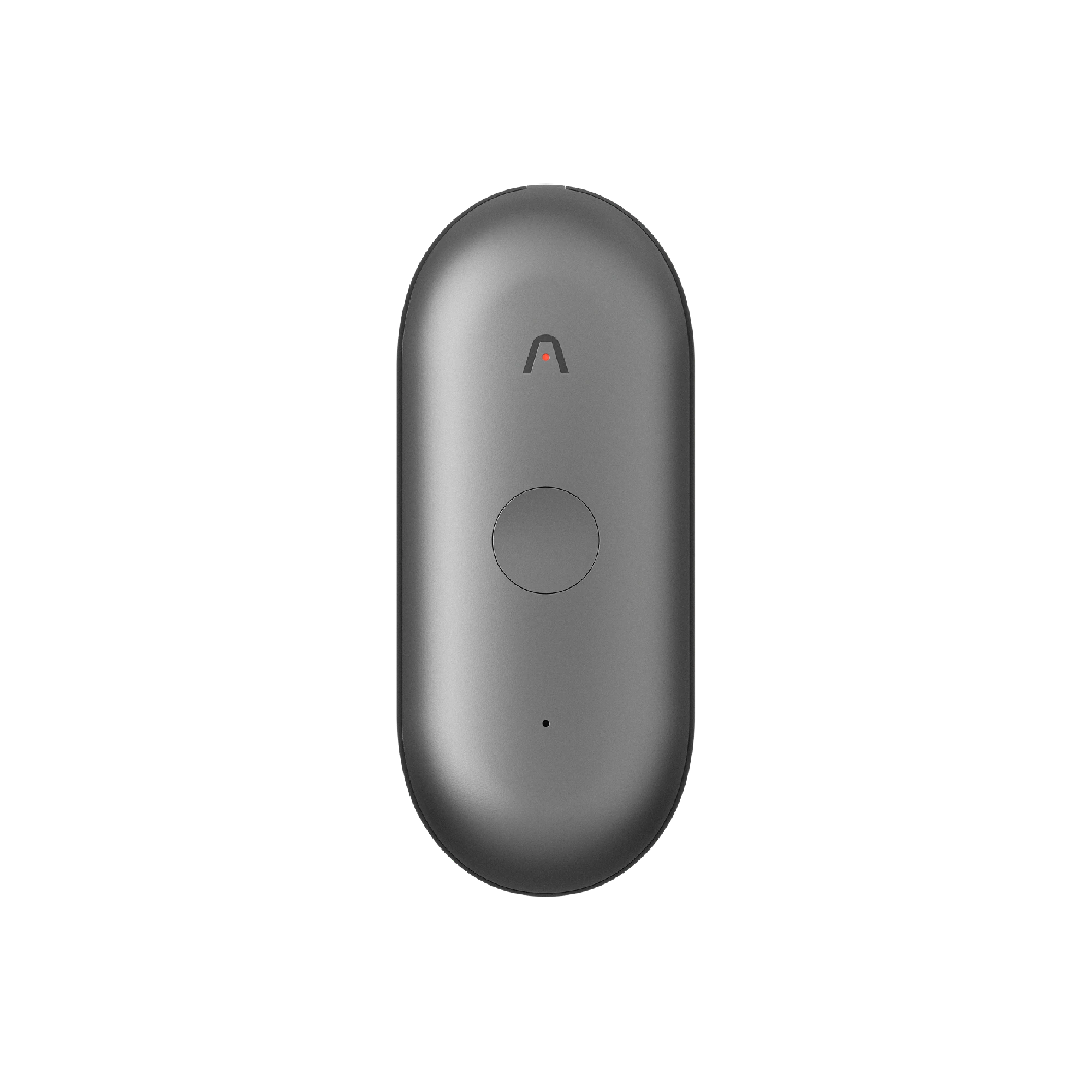
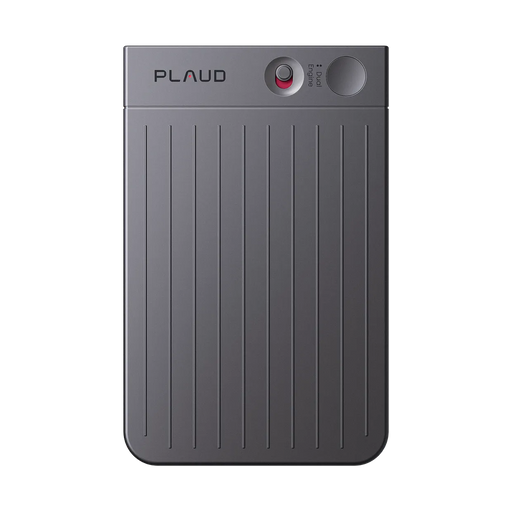
Plaud Note Pro
A studio-grade recorder built for recordings that become visual summaries.
AI note takers · Recordings to mind maps
A linear transcript tells you what was said in order, but not how the ideas connect. When a recording covers branching topics, a flat summary flattens that structure, and the shape of the discussion becomes hard to see. This guide shows how to record cleanly, transcribe, and then generate both a written summary and a mind map, so the key points are easy to read and how they relate becomes immediately clear.
Built for visual summaries
Quick answer
Match what you are recording first, then choose the path that works best for your setup to get both the text and the visual structure.
Record the full session without stopping so branching topics and forking threads are all in the audio, not just the parts you managed to jot down.
Transcribe the recording, then produce both a written summary and a mind map from the same text so the detail and the visual structure stay in sync.
Use the summary to find specific detail and the mind map to see how the topics branch and link, then export both for study or sharing.
Why flat notes fail
A recording captures a conversation in the order it happened, but ideas rarely arrive in a tidy line. Topics branch, loop back, and link to earlier points, and a linear transcript or a bullet summary buries those relationships.
Workflows compared
Each path is rated Low, Medium, or High on how well it preserves the structure of the discussion and how much manual work is needed to build the map.
Listen back and sketch the branches yourself on paper or a whiteboard.
Transcribe the audio, then rebuild the structure in a mind-map app.
A recorder captures the audio, then the app generates both a summary and a mind map.
A clip-on device captures lectures and one-on-ones hands-free, then maps them.
Based on common note-mapping workflows and Plaud product data. Always let participants know and follow local consent rules before recording.
Setup steps
The goal is a visual that can be scanned and a summary that can be read, not just an audio file stored away. Set the outputs once and every recording gives both.
Charge the recorder fully and install the Plaud App on iOS or Android, then grant microphone and storage access.
Tell participants at the start and confirm they agree, since recording rules vary by region and workplace.
Place the device near the center of the group so the four-microphone array reaches all sides of the table.
Keep the recorder running as the conversation shifts between threads so branching topics are all in the transcript.
After the session, run transcription in the Plaud App, then switch between the written summary and the mind map view.
Check that each topic branch is correct in the mind map, fill any gap with the written summary, then export.
Want a workflow built for phone calls and meetings from the start? See ↓
The easier way
Plaud Note Pro records the whole room with its four-microphone array and AI beamforming, then the Plaud App turns that audio into a transcript that can be summarized in two ways.

A studio-grade recorder built for recordings that become visual summaries.
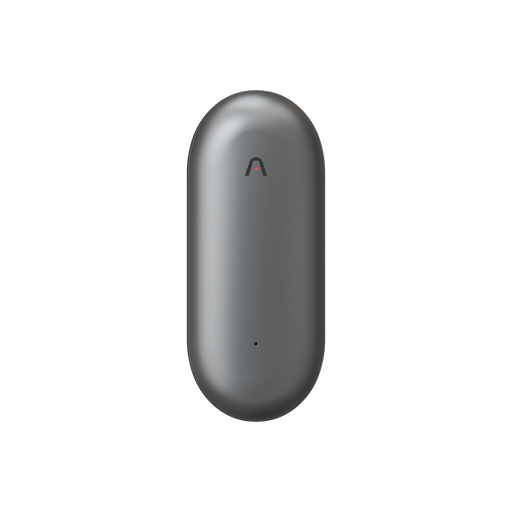
Choose Plaud Note Pro for a full room of speakers, or Plaud Note for personal study and one-on-ones.

Captures the whole discussion clearly. Builds a summary and mind map. Runs a full day of sessions.

A slim recorder for personal study and one-on-ones. Fits a desk or study session.
Failure modes
Understanding these breakdown areas explains why text alone falls short for branching material.
A linear transcript lists what was said but never shows which topics branch from which.
Hidden structureA bullet summary collapses every branch into one flat list and erases the original grouping.
Collapsed threadsThe relationships between topics are not captured, so links must be rebuilt mentally.
Connections lostA dense paragraph summary offers no visual entry points for quick navigation.
No entry pointsThe tool that wins is the workflow that gives both a summary to read and a map to scan.
Field tests
Examples from lectures, brainstorming, and long sessions show how visual structure improves review speed.
A mind map separates each topic into its own branch instead of burying them in a single block of text.
Forking threads stay organized in the map rather than flattening into a list that loses which ideas belonged together.
A quick scan of the map gives an overview of the whole recording before the detail is needed.
A device that runs through an entire day of sessions on one charge keeps both outputs building without interruption.
Need one setup for calls and meetings? Start with the Note Pro workflow ↑
Transcribe the recording first, then run the transcript through an AI summary that pulls out key points, decisions, and themes. A recorder paired with its app handles both steps in one flow.
Yes. The audio is first converted to text through transcription, then an AI model reads the transcript and condenses it into a summary with the main points pulled out.
Upload the recording to a transcription service, or use a recorder with a companion app that transcribes automatically after the session ends.
ChatGPT does not record or transcribe audio on its own. Transcribe the recording with a dedicated tool first, then paste the transcript into ChatGPT.
A recorder that sends audio to the cloud after the session ends can return a transcript without any extra steps.
Transcribe the recording, then apply a summary template in the app to get the key points, decisions, or action items condensed into a short document.