Meeting transcription · Speaker labels guide

How to transcribe meetings with speaker labels

A meeting transcript without speaker labels tells you what was said but not who said it. Without speaker attribution, decisions cannot be assigned and action items have no clear owner. Speaker label accuracy depends almost entirely on the quality of audio the transcription model receives. The better the separation at the microphone, the cleaner the labels in the transcript.

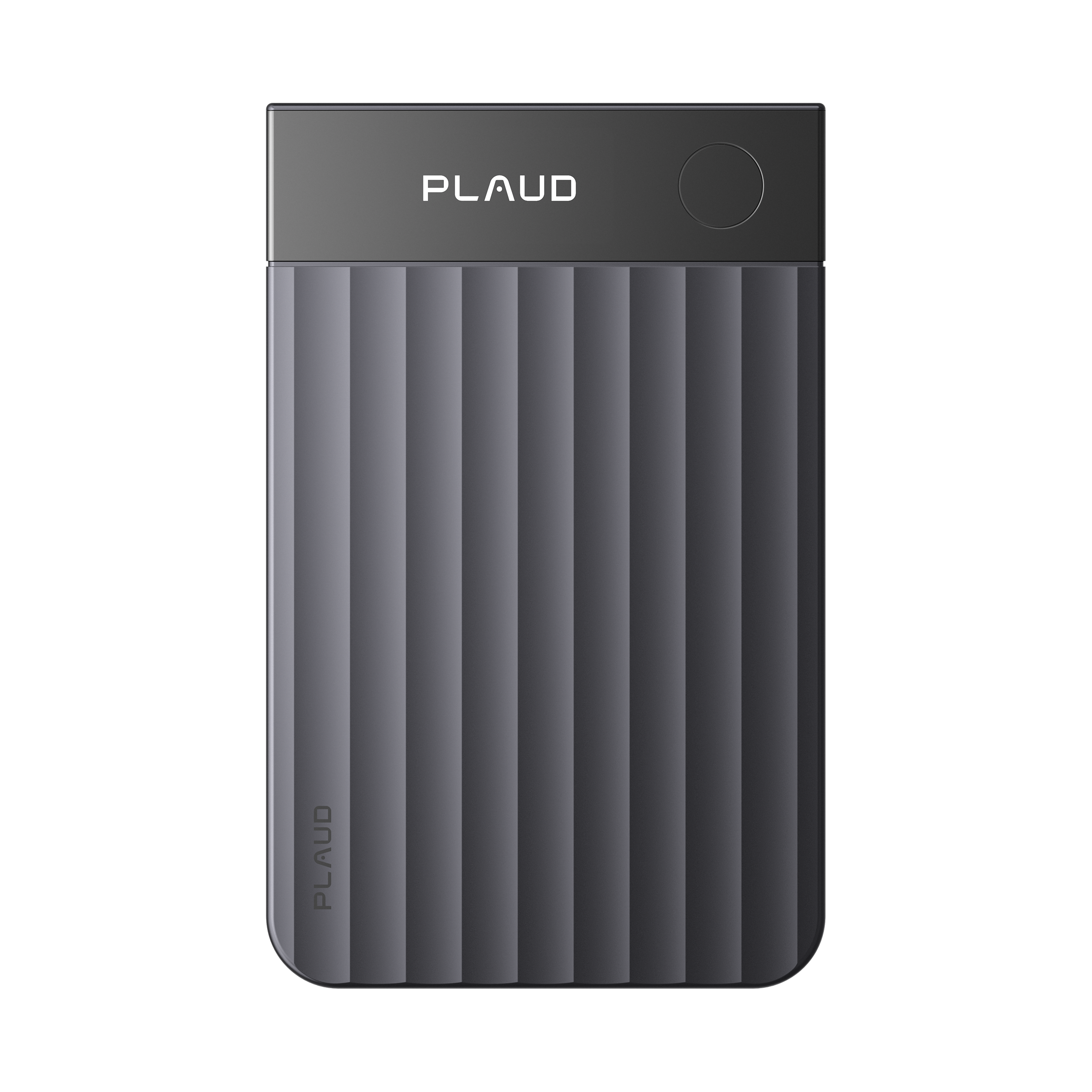
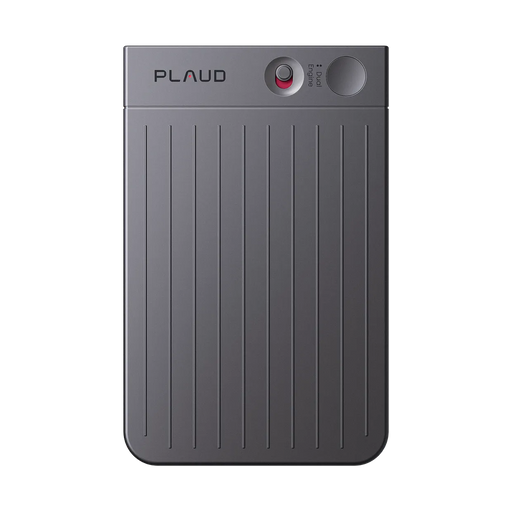
Plaud Note Pro physical AI recorder producing speaker-labeled transcriptBest for speaker attribution

Quick answer

4 steps to transcripts where every speaker is identified

Clean audio at the source is the single biggest factor in speaker label accuracy.

1. Record with dedicated hardware. Multi-mic separation improves labels.

A recorder with multiple microphones separates voices at the source before the transcription model processes the audio. This is the step most approaches skip.

2. Upload to a transcription tool with speaker diarization enabled

Diarization identifies individual voices and assigns them to labeled segments: "Speaker 1," "Speaker 2," or named participants if voice profiles are saved.

3. Review and rename generic speaker labels to actual names

After the first transcription, map "Speaker 1" to the participant name. Many tools save this mapping for future sessions with the same people.

4. Export the labeled transcript for notes, action items, or archival

A speaker-labeled transcript is directly usable for accountability review, legal documentation, or action-item extraction with owner attribution.

See full method comparison ↓

Methods

Which method produces accurate speaker labels

Compared on how much setup the method requires, which meeting formats are covered, speaker label accuracy, and whether transcription is included.

Zoom cloud recording

Zoom's built-in transcript requires named participant accounts for labels. The free tier has no diarization. In-person meetings are not covered.

Setup effort
Low
Coverage
Online only
Speaker label accuracy
Low/Medium
Transcription included
Yes

AI meeting bots (Otter, Fireflies)

Bot joins the call and labels speakers, works well for regular online meetings. Requires an invite each session. In-person and phone calls are not covered.

Setup effort
Low
Coverage
Online only
Speaker label accuracy
Medium
Transcription included
Yes

Whisper + pyannote.audio (local)

Open-source pipeline for privacy-sensitive use cases. Strong accuracy when configured well. Requires technical setup, not practical for non-technical users.

Setup effort
High
Coverage
Any audio file
Speaker label accuracy
High
Transcription included
Yes

Physical AI recorder (Plaud Note Pro)

Records phone calls and in-person meetings. Four MEMS microphones with AI beamforming separate voices at the source. Plaud Intelligence produces labeled transcripts in 112 languages.

Setup effort
Low
Coverage
Phone + in-person
Speaker label accuracy
High
Transcription included
Yes

Based on common transcription scenarios and Plaud product data. Always follow your organization's recording policy and local consent rules before recording.

Tips

What determines speaker label accuracy

Diarization models assign labels by distinguishing voice characteristics in the audio signal. When speakers overlap, when the mic is far from the room, or when only one audio channel captures both sides of a phone call, the model has insufficient signal to assign labels correctly. Better audio at the source directly improves the labels in the output.

Clean audio at the source gives the diarization model what it needsSingle-mic recordings merge all voices into one channel. Note Pro's microphone array captures distinct voice streams from across the room. The diarization model receives a cleaner signal and assigns labels more accurately.
Works for both in-person and phone-call meetingsA tool that only captures video calls misses half the meetings where speaker labels matter. Note Pro's smart dual-mode auto-detects phone-call and in-person sessions. Both formats produce the same labeled output.
Speaker labels map to actual names, not just generic identifiers"Speaker 1 said to do X" is not actionable. Plaud Intelligence supports speaker profile learning across sessions so labels resolve to real names over time rather than staying generic.
Transcript is accurate enough for accountability and legal reviewLabel accuracy and transcript accuracy compound: poor audio produces both wrong words and wrong speaker assignments. Plaud Intelligence transcribes from high-quality source audio, with enough accuracy for legal reference and compliance records.

The easier way

Plaud Note Pro. Speaker labels that actually stick.

Plaud Note Pro is a physical AI note taker with 4 MEMS microphones and AI beamforming that separates voices at the source, before the transcript is generated. It covers both phone calls and in-person meetings with smart dual-mode auto-detection. Plaud Intelligence produces speaker-labeled transcripts in 112 languages with meeting summaries, decisions, and action items already attributed to the person who made each commitment.

  • Multi-mic beamforming for clean separationWhen two voices arrive at a single microphone from the same direction, a diarization model cannot reliably separate them. Labels collapse or flip mid-conversation. Plaud Note Pro uses 4 MEMS microphones with AI beamforming to capture distinct voice streams from up to 5 meters.
  • Smart dual-mode for every meeting formatMost transcription bots join a video call but cannot record the phone call before it or the in-person room afterward, so speaker labels exist for one format and not the other.
  • Actionable labels mapped to real namesA transcript that says "Speaker 1: we will push the deadline" is not actionable. You need to know whose commitment that is.
Plaud Note Pro

Plaud Note Pro

The world's most advanced physical AI note taker. Four-mic beamforming for clean speaker separation, in every meeting format.

4 MEMS mics · Smart dual-mode · Up to 30 hours recording · 112 languages · Speaker attribution
Microphones4 MEMS with AI beamforming
ModesSmart dual-mode auto-detection
RecordingUp to 30 hours
Range5 m pickup range
Get Plaud Note ProCompare all methods

Pick the Plaud for your meeting setup

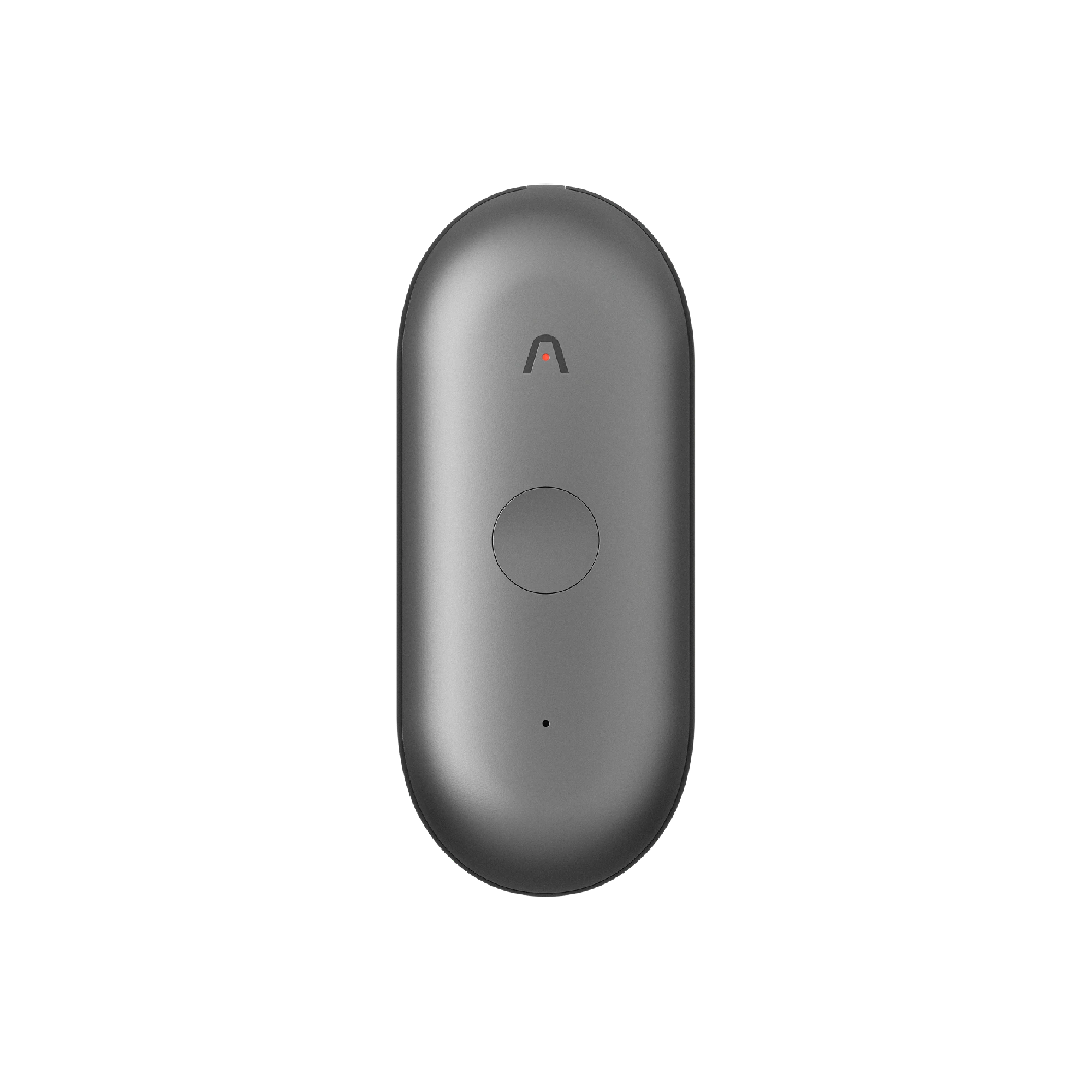
Note Pro for conference rooms, phone calls, and multi-speaker sessions where speaker labels matter. NotePin S for wearable in-person-only capture where a single speaker is the focus.

Plaud Note Pro

Plaud Note Pro

The world's most advanced physical AI note taker for phone calls and in-person meetings.

★★★★★4.9(150)
  • 4 MEMS mics, 5 m pickup
  • Smart dual-mode (calls + in-person)
  • Speaker-labeled transcripts
  • Up to 30 hours recording
$189.00
Buy Plaud Note Pro
Plaud NotePin S

Plaud NotePin S

Best for wearable, hands-free capture in face-to-face settings, not for phone or video calls.

★★★★★4.9(88)
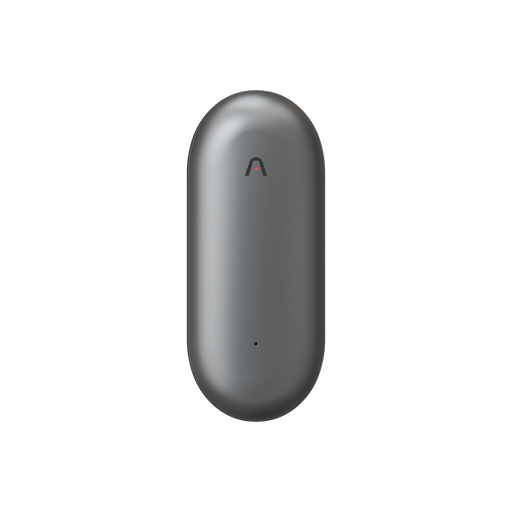
  • 17.4 g wearable design
  • Up to 20 hours recording
  • Lanyard, wristband, clip, magnetic pin included
$179.00
Shop Plaud NotePin S

Frequently asked questions

Which AI tool is used to record and transcribe meetings?

For online meetings, Otter.ai, Fireflies, and tl;dv are widely used bots that join the call and produce labeled transcripts. For in-person meetings or phone calls, a physical recorder with built-in AI transcription covers meeting types that bots cannot access.

Which AI can transcribe meetings?

Most major services support meeting transcription: Otter.ai, Fireflies, Fathom (Zoom), Google Meet AI, Microsoft Teams Copilot. Speaker label accuracy is highest when each participant has a distinct audio channel or the recording device uses multi-mic separation at the source.

What is the best way to transcribe meetings?

The best setup starts with good audio. A dedicated recorder with multiple microphones placed close to the speakers produces cleaner input than a single phone or laptop mic, and cleaner input directly improves speaker label accuracy. After recording, transcription tools with speaker diarization convert the audio to a labeled, searchable transcript in minutes.

Can I get speaker labels from a recording made on a phone?

Yes, most transcription tools with diarization support audio file uploads. The accuracy depends on the source audio. Phone recordings mix all voices into a single compressed channel, which gives the diarization model less signal to work with. A dedicated recorder with multiple microphones produces cleaner voice separation at the source, which directly improves label accuracy when the file is uploaded.