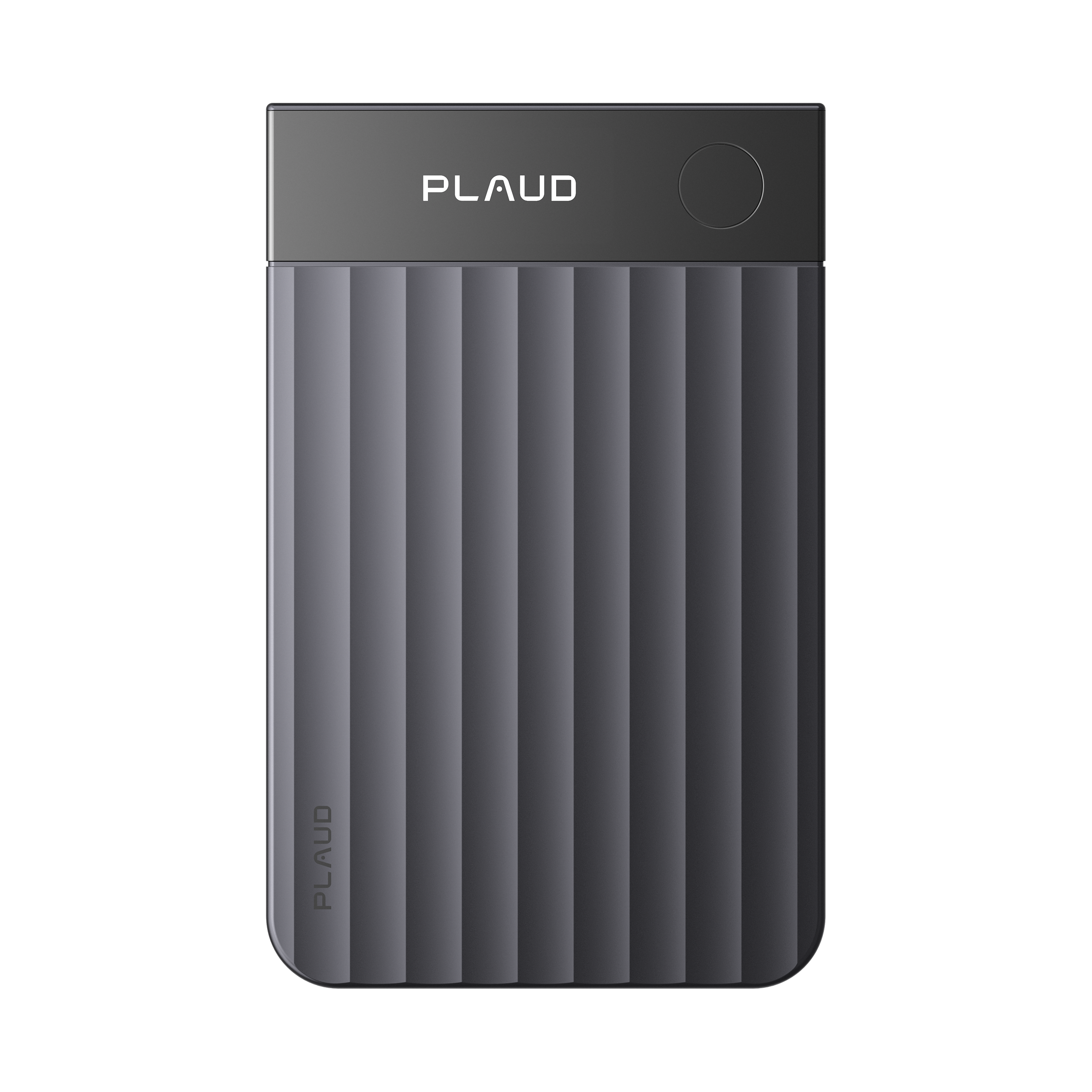
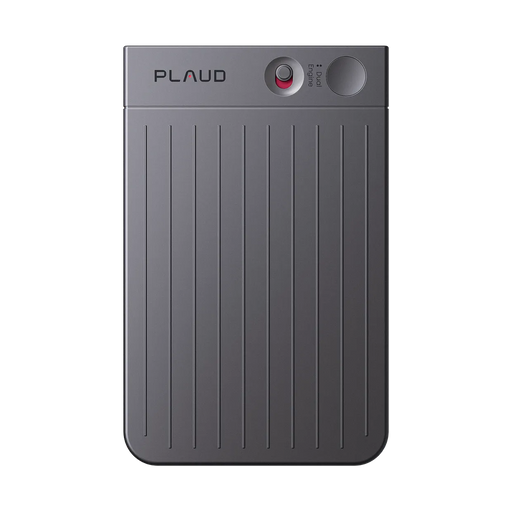
Plaud Note Pro
The world's most advanced physical AI note taker — works on any phone, captures both sides, no software workaround needed.
Phone call recording · Legal how-to guide
Recording a phone call legally requires two things: knowing the consent rules for your state, and a method that works on modern phones. Android 10 and later block most call-recording apps from capturing internal audio. A physical recorder placed next to the phone captures both sides without any software workaround — and works on any device.
Works on any phone
Quick answer
Legal recording starts before you press record — consent comes first.
One-party consent states allow you to record without notifying the other party. All-party consent states (California, Florida, Washington, and others) require everyone on the call to agree. When calls cross state lines, follow the stricter state's law.
Say at the start of the call: "I'd like to record this conversation for my records — is that okay?" A verbal yes is sufficient in most jurisdictions. End the call if consent is refused.
Software-based apps are blocked on Android 10+ and require iOS 18 for native support. A physical AI recorder placed next to the phone captures both sides without depending on internal audio access.
Label the file with the date, parties, and that consent was given. For legal or business use, a written record of consent adds an additional layer of documentation.
Methods
Compared on whether the method captures both sides clearly, which devices and OS versions it works on, and whether transcription is included.
Popular on Android — but Android 10+ blocks internal audio access, rendering most apps unable to capture the incoming caller's voice.
Put the call on speaker and record with Voice Memos or another app. Captures both sides but audio quality is poor.
Built-in feature on iOS 18+ that automatically announces the recording to all parties — good for consent compliance.
Place the recorder next to the phone during the call. Smart dual-mode auto-detects phone-call mode; physical capture bypasses OS audio restrictions.
Based on common call recording scenarios and Plaud product data. Recording laws vary by state and country — always obtain consent as required by applicable law before recording.
Tips
A legally sound phone call recording requires four things beyond the recording itself: both sides captured clearly, a method that works regardless of phone model or OS version, an accurate transcript for documentation, and secure storage.
The easier way
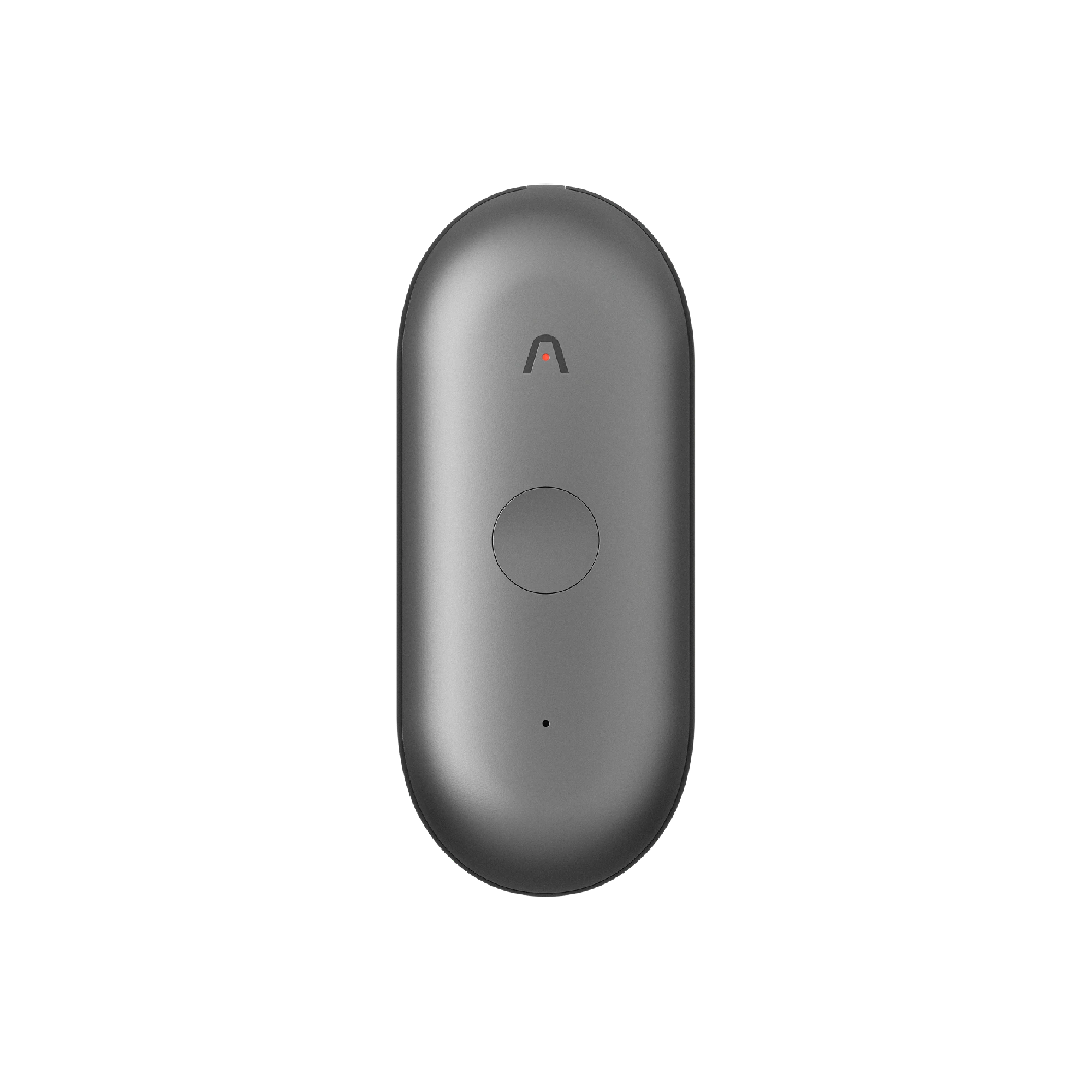
Plaud Note Pro is a physical AI note taker that attaches magnetically to any phone and automatically detects phone-call mode. It captures both sides of the conversation without relying on internal audio access — no app workarounds, no rooting required.

The world's most advanced physical AI note taker — works on any phone, captures both sides, no software workaround needed.
Note Pro for phone calls, conference rooms, and multi-speaker meetings with smart dual-mode auto-detection; Note for simpler dual-mode recording at a lower price point.

Smart dual-mode auto-detection for calls and in-person meetings.

Dual-mode recording with manual mode selection for phone calls and meetings.
Recording someone without their knowledge is illegal in all-party consent states — including California, Florida, and Washington — and may violate federal wiretapping law elsewhere. The legal approach is to inform the other party and get verbal consent before recording.
Yes, with the right setup. iOS 18 adds native call recording with automatic consent announcement. On older iOS and most Android devices, a physical recorder placed next to the phone is the most reliable method.
In all-party consent states, recording without notifying all participants is a criminal offense. Under federal law (one-party consent), the person doing the recording may not need your permission if they are a party to the call.