Los 5 mejores asistentes de toma de notas con IA para reuniones consecutivas (2026)
Como líder de operaciones, mi calendario es básicamente una cinta transportadora. Reunión diaria a las 9, revisión de producto a las 9:30, sincronización interdepartamental a las 10, reunión con el cliente a las 10:30, y luego una reunión individual antes del almuerzo. La mayoría de los días no tengo ni cinco minutos de descanso entre llamadas.
Mi verdadero problema no son las reuniones en sí. Es lo que sucede después. Termino una revisión de producto donde tres personas se ofrecieron para diferentes seguimientos, paso directamente a la siguiente llamada, y para cuando tengo un momento para respirar, no puedo recordar quién dijo que se encargaría de qué. Así que publico en Slack: "Oigan, ¿alguien puede recordarme lo que acordamos sobre el cronograma?" Eso se convierte en un hilo de 20 mensajes, luego en una "sincronización rápida" que consume otros 30 minutos, y ahora una entrega que se suponía que saldría el viernes se pospone hasta el próximo miércoles.
Nota rápida: si solo tienes unas pocas reuniones al día y tienes tiempo para escribir notas entre ellas, un simple documento o una página de Notion funcionarán bien. Esto es para personas cuyas reuniones se apilan tan apretadamente que "lo escribiré más tarde" nunca sucede.
Cómo elegimos los mejores asistentes de toma de notas con IA en 2026
Lo que la mayoría de las listas de "Mejores" se equivocan
La mayoría de los artículos comparativos clasifican a los asistentes de toma de notas con IA por el número de funciones: cuántos idiomas, cuántas integraciones, qué tan grande es el almacenamiento de transcripciones. Eso importa, pero pasa por alto lo único que realmente decide si una herramienta funciona para horarios consecutivos: la velocidad de entrega una vez finalizada la reunión.
Si tu resumen aparece 10 minutos después de la llamada, y ya estás inmerso en la siguiente, no lo leerás hasta el final del día. Para entonces, la mitad del contexto se habrá perdido. Para flujos de trabajo consecutivos, la herramienta tiene que entregar mientras la reunión aún está fresca, idealmente en uno o dos minutos.
Lo que realmente busco
Lo reduje a tres cosas que más importan cuando tus reuniones no se detienen:
1. Qué tan rápido llega el resumen después de la llamada. No "en una hora". Me refiero a: ¿aparece en mi bandeja de entrada o Slack antes de que comience mi próxima reunión? Para mí, cualquier cosa que supere los dos minutos es demasiado lenta.
2. Si extrae elementos de acción con responsables y plazos. Un resumen que dice "el equipo acordó finalizar la especificación" es inútil. Necesito ver: "Jamie finalizará la especificación para el jueves". Si la herramienta no puede extraer eso, sigo haciendo el trabajo manualmente.
3. Distribución con un solo clic a donde mi equipo realmente trabaja. No tengo tiempo para copiar y pegar notas en Slack, enviar un correo electrónico al cliente y actualizar Asana. Si la herramienta puede enviar resúmenes a los canales que uso sin pasos adicionales, eso es un verdadero ahorro de tiempo.
Comparación rápida
Los 5 mejores asistentes de toma de notas con IA para reuniones consecutivas
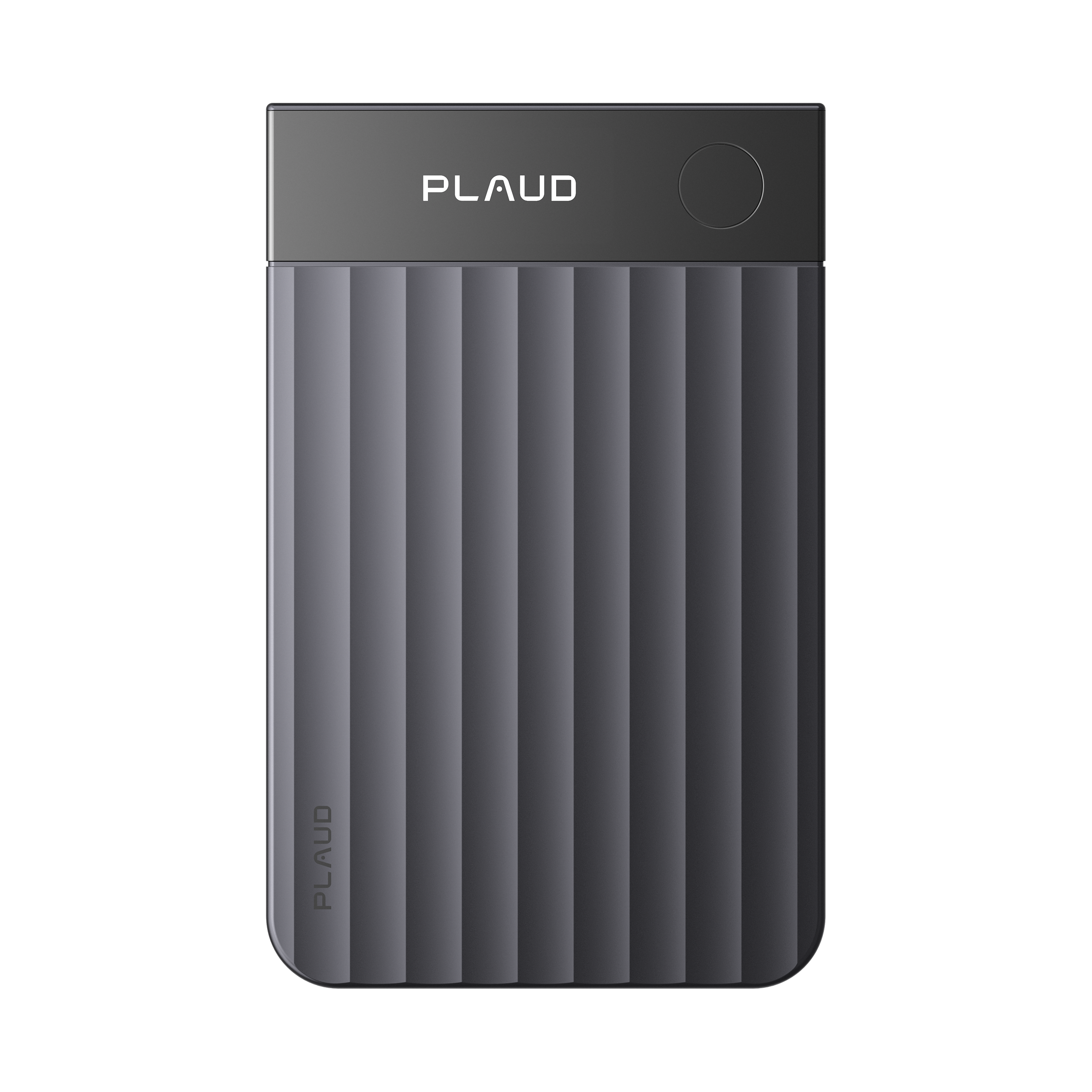
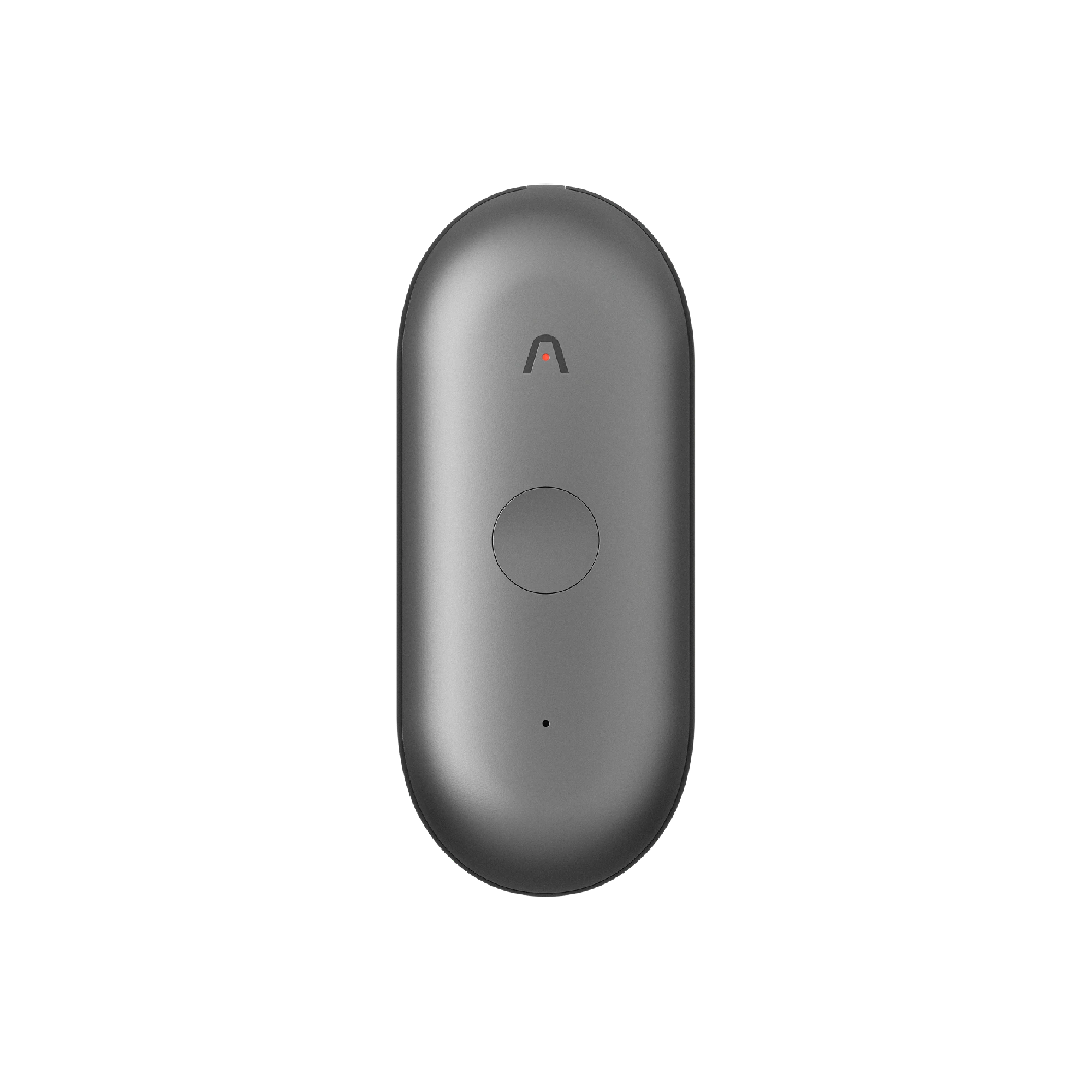
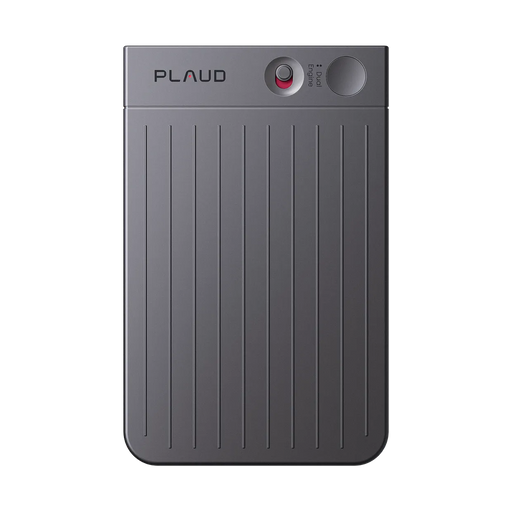
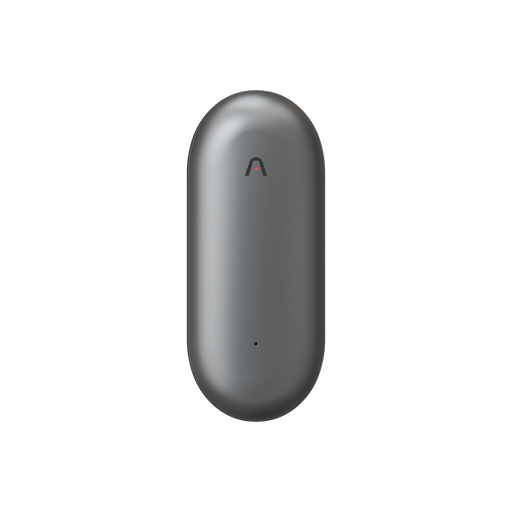
Plaud NotePin S
Este es un pequeño grabador portátil que se engancha a mi camisa, y es la única herramienta en esta lista que funciona tanto en una sala de conferencias como en una llamada de Zoom sin cambiar de aplicación.

Por qué funciona para horarios consecutivos
Lo que más me importa: presiono el botón una vez por la mañana y simplemente funciona. No tengo que recordar abrir una aplicación, invitar a un bot o verificar si se unió a la llamada. Cuando paso de una sala de conferencias directamente a un Zoom, no hay interrupción en la cobertura. El NotePin S maneja la parte presencial, y Plaud Desktop capta la reunión en línea usando el audio de mi computadora. Todo llega a la misma aplicación.
Después de cada reunión, recibo un resumen con elementos de acción a través de Plaud Intelligence. Puedo elegir entre miles de plantillas de resumen, por lo que el resumen de mi planificación de sprint se ve diferente de las notas de mi llamada con el cliente. También hay un botón de resaltado. Durante una reunión, si alguien dice algo importante, toco el botón y eso marca ese momento para la IA, lo que significa que el resumen se enfoca en lo que realmente importó.
La batería me dura fácilmente una semana laboral completa sin cargar. Eso importa cuando estás en reuniones todo el día y no quieres otro dispositivo del que ocuparte.
Donde no es la mejor opción
El NotePin S no graba llamadas telefónicas (no tiene sensor de vibración), por lo que si muchas de tus reuniones se realizan por teléfono en lugar de por video o en persona, eso es una limitación. Además, el ecosistema aún está algo autocontenido. Puedo exportar transcripciones y resúmenes, pero no hay una función nativa de un solo clic para enviar a Slack o Asana como lo hace Fireflies. Termino copiando el resumen y pegándolo en nuestro canal de Slack, lo que añade quizás 30 segundos pero aún se siente como un paso que no debería tener que dar. El Plan Starter de PLAUD incluye 300 minutos de transcripción al mes para usuarios con un dispositivo Plaud vinculado. Los minutos no utilizados no se acumulan. Si estás en reuniones todo el día, lo agotarás en una semana y necesitarás un plan de pago.
Fathom
Si todas tus reuniones tienen lugar en Zoom, Google Meet o Teams, Fathom es probablemente la forma más rápida de recibir elementos de acción en tu bandeja de entrada sin pagar nada.
Por qué funciona para horarios consecutivos
El plan gratuito de Fathom es realmente ilimitado para grabación y transcripción. Sin límite mensual, sin "período de prueba". Eso es raro. Los resúmenes con elementos de acción aparecen en mi correo electrónico en unos 30 segundos después de que termina la llamada, lo suficientemente rápido como para que pueda echarles un vistazo antes de que comience mi próxima reunión si tengo incluso un minuto de margen. La función "Preguntar a Fathom" también es útil: puedo buscar en todas mis reuniones anteriores con lenguaje natural, así que cuando alguien pregunta "¿no discutimos esto hace dos semanas?", puedo encontrar la respuesta en segundos.
La integración con CRM como HubSpot y Salesforce es sólida si estás en ventas o atención al cliente. Registra automáticamente las notas de la reunión en los registros de contactos sin que yo toque el CRM.
Donde no es la mejor opción
Fathom envía un bot visible a cada reunión. Aparece como "Fathom Notetaker" en la lista de participantes, y todos pueden verlo. Para reuniones internas, a nadie le importa. Pero he tenido clientes que lo han comentado, y en algunos casos hizo que los primeros minutos de una llamada se sintieran un poco incómodos. Además, Fathom es solo en línea. No tiene una grabadora móvil o un dispositivo portátil, así que si entras en una sala de conferencias para una reunión cara a cara, vuelves a tomar notas a mano. Y si bien el plan gratuito es generoso, el plan gratuito de Fathom incluye grabaciones y transcripciones ilimitadas, además de hasta 5 resúmenes avanzados de IA al mes. Los elementos de acción de IA, los resúmenes personalizados de IA y Preguntar a Fathom son funciones Premium. Los planes de pago comienzan en unos $20/usuario/mes para individuos, con planes de equipo que comienzan por separado.
Fireflies.ai
Fireflies es la herramienta que elegiría si mi principal problema fuera la distribución, es decir, hacer llegar las notas de las reuniones a los lugares donde mi equipo realmente las lee.
Por qué funciona para horarios consecutivos
La integración con Slack fue lo que me convenció. Después de cada reunión, Fireflies publica automáticamente un resumen con elementos de acción en el canal de Slack que haya configurado. Mi equipo no tiene que preguntar "¿qué pasó en esa llamada?", porque las notas ya están en el canal antes de que yo haya empezado mi siguiente reunión. También se integra con Notion, Asana, HubSpot y Salesforce, por lo que, dependiendo del tipo de reunión, las notas terminan en el sistema correcto sin que yo tenga que enrutarlas manualmente.
Fireflies admite más de 100 idiomas, lo que es importante si realizas reuniones en diferentes regiones. El asistente de IA "AskFred" me permite consultar mi historial de reuniones, similar a la función de búsqueda de Fathom. Y el análisis de conversaciones (tiempo de conversación, sentimiento, seguimiento de temas) me da una visión general de cómo van las reuniones en mi equipo.
Donde no es la mejor opción
Al igual que Fathom, Fireflies utiliza un bot que se une a tus llamadas. A algunas personas les resulta intrusivo. El precio también puede ser confuso. El plan gratuito te da 800 minutos de transcripción al mes, pero las funciones de IA funcionan con un sistema de créditos, y esos créditos se agotan más rápido de lo que esperarías. Agoté mis créditos mensuales de IA en unas dos semanas con el plan Pro. Si quieres el análisis completo y las integraciones con CRM, estás buscando el nivel Business, que cuesta entre $19 y $29 al mes por usuario, dependiendo de cómo se te facture. Para un equipo de cinco o seis personas, eso se suma. La precisión también puede disminuir en llamadas con mucha conversación cruzada o acentos fuertes, lo cual vale la pena saber si tus reuniones tienden a ser rápidas y ruidosas.
Granola
Granola es una aplicación de escritorio que graba tus reuniones sin enviar un bot a la llamada. Nadie en la reunión sabe que la estás usando a menos que se lo digas.
Por qué funciona para horarios consecutivos
El enfoque sin bot es el principal atractivo. Granola captura el audio directamente de la salida del sistema de mi computadora, por lo que no hay una notificación de "Granola se ha unido a la reunión". Para llamadas con clientes o reuniones con inversores donde un bot de grabación se sentiría fuera de lugar, esto es muy importante. La aplicación me proporciona un bloc de notas durante la llamada. Anoto algunas notas rápidas, y después de la reunión, Granola las mejora con el contexto de la transcripción completa. Así que mi desordenada "hablar con ingeniería sobre el plazo" se convierte en una nota estructurada con la discusión real sobre ella.
Los resúmenes se generan rápidamente después de que termina la llamada, generalmente en un minuto. Y puedo hacerle preguntas al chatbot de IA de Granola sobre cualquier reunión pasada, lo que ayuda cuando necesito prepararme para un seguimiento.
Donde no es la mejor opción
Granola solo funciona para reuniones en línea en tu computadora. Si entro en una sala de conferencias, no puede capturar la conversación. La identificación de los oradores es inconsistente, especialmente en llamadas grupales con más de cuatro o cinco personas, por lo que las notas a veces no atribuyen claramente quién dijo qué. Tampoco hay reproducción de audio, lo que significa que si la transcripción se equivocó en algo, no puedo volver atrás y escuchar para verificar. El plan gratuito de Granola ya no se describe como un límite de 25 reuniones de por vida. El mensaje oficial actual dice que el plan gratuito admite reuniones ilimitadas y notas mejoradas con IA, siendo la principal limitación que solo se puede acceder a los últimos 30 días del historial de notas en la aplicación. Los planes de negocios de pago comienzan en $14/usuario/mes. Y la historia de la integración es escasa. Hay exportación a Slack y Notion, pero no hay un envío nativo a herramientas de gestión de proyectos como Asana o Jira. Para equipos que necesitan flujos de trabajo automatizados posteriores a la reunión, eso es una limitación real.
Otter.ai
Otter adopta un enfoque diferente al de las otras herramientas de esta lista. En lugar de ofrecer un resumen pulido después de la llamada, proporciona una transcripción en vivo que todos los participantes de la reunión pueden ver y editar en tiempo real.
Por qué funciona para horarios consecutivos
La transcripción en tiempo real es realmente útil cuando estás en una reunión y alguien dice algo que necesitas capturar, pero también estás presentando una diapositiva. Puedo echar un vistazo a la transmisión en vivo de Otter y ver exactamente lo que se dijo sin interrumpir mi ritmo. Después de la reunión, genera un resumen con elementos de acción, pero el aspecto en vivo es lo que lo hace diferente.
Otter también realiza una buena identificación de oradores. En mi experiencia, es más consistente que la mayoría de sus competidores al etiquetar quién dijo qué, lo cual es importante cuando necesito asignar seguimientos. La búsqueda en reuniones pasadas es sólida, y el espacio de trabajo colaborativo permite a mi equipo comentar transcripciones y etiquetar momentos específicos.
Donde no es la mejor opción
El plan gratuito de Otter se ha vuelto más restrictivo con el tiempo. El plan gratuito de Otter incluye 300 minutos de transcripción al mes y un límite de 30 minutos de transcripción por conversación. Enterprise añade funciones como la repetición de video para Zoom y Google Meet, mientras que Business ya incluye una gama de funciones avanzadas de administración y espacio de trabajo. Y si bien la transcripción en vivo es excelente, la calidad del resumen posterior a la reunión no coincide del todo con Fathom o Fireflies. He descubierto que la extracción de elementos de acción es inconsistente, a menudo capturando los obvios pero omitiendo los compromisos más matizados del tipo "volveré a contactar sobre esto". Para uso exclusivo en línea, Otter funciona bien. Pero al igual que Fathom y Fireflies, no ayuda con las reuniones presenciales.
Entonces, ¿cuál deberías elegir?
Después de probar los cinco, así es como decidiría:
Si el 90% de tus reuniones son en línea (Zoom, Meet, Teams): Elige Fathom. Es gratuito, rápido y los resúmenes son lo suficientemente buenos como para que dejara de escribir mis propias notas. El bot es una pequeña molestia, pero para llamadas internas y la mayoría de las externas, a nadie le importa realmente.
Si te divides entre reuniones presenciales y en línea: Elige Plaud NotePin S. Es la única herramienta que cubre ambos sin hacerme cambiar entre aplicaciones. Me lo engancho por la mañana y me olvido de él hasta el final del día. Con Plaud Desktop manejando la parte en línea, todo termina en un solo lugar.
Si tu mayor temor es que los elementos de acción se queden en el tintero: Elige Fireflies.ai. El envío automático a Slack y a las herramientas de gestión de proyectos significa que tu equipo ve los seguimientos sin que nadie tenga que reenviar o copiar y pegar nada. Si se mencionó una tarea en la reunión, ya está en el canal.
Conclusión
Para horarios de reuniones consecutivas, lo primero que verificaría es: ¿qué tan rápido me entrega esta herramienta un resumen utilizable después de que termina la llamada? Todo lo demás, idiomas, análisis, almacenamiento, es secundario. Si las notas no llegan antes de que comience mi próxima reunión, es como si no existieran.
Aquí tienes lo que sugeriría como siguiente paso: dedica una semana a rastrear tus reuniones. Cuenta cuántas son en línea versus presenciales. Anota en qué herramientas necesitas que lleguen las notas (¿Slack? ¿Correo electrónico? ¿Asana? ¿CRM?). Luego, compara eso con el árbol de decisiones anterior. La herramienta adecuada es la que se adapta a tu forma de trabajar, no la que tiene la lista de funciones más larga.