
An executive board meeting needs a record of each decision, the reason for it, and the person who owns the next step. The recording method must also suit the room and the meeting policy. It must protect sensitive discussion.
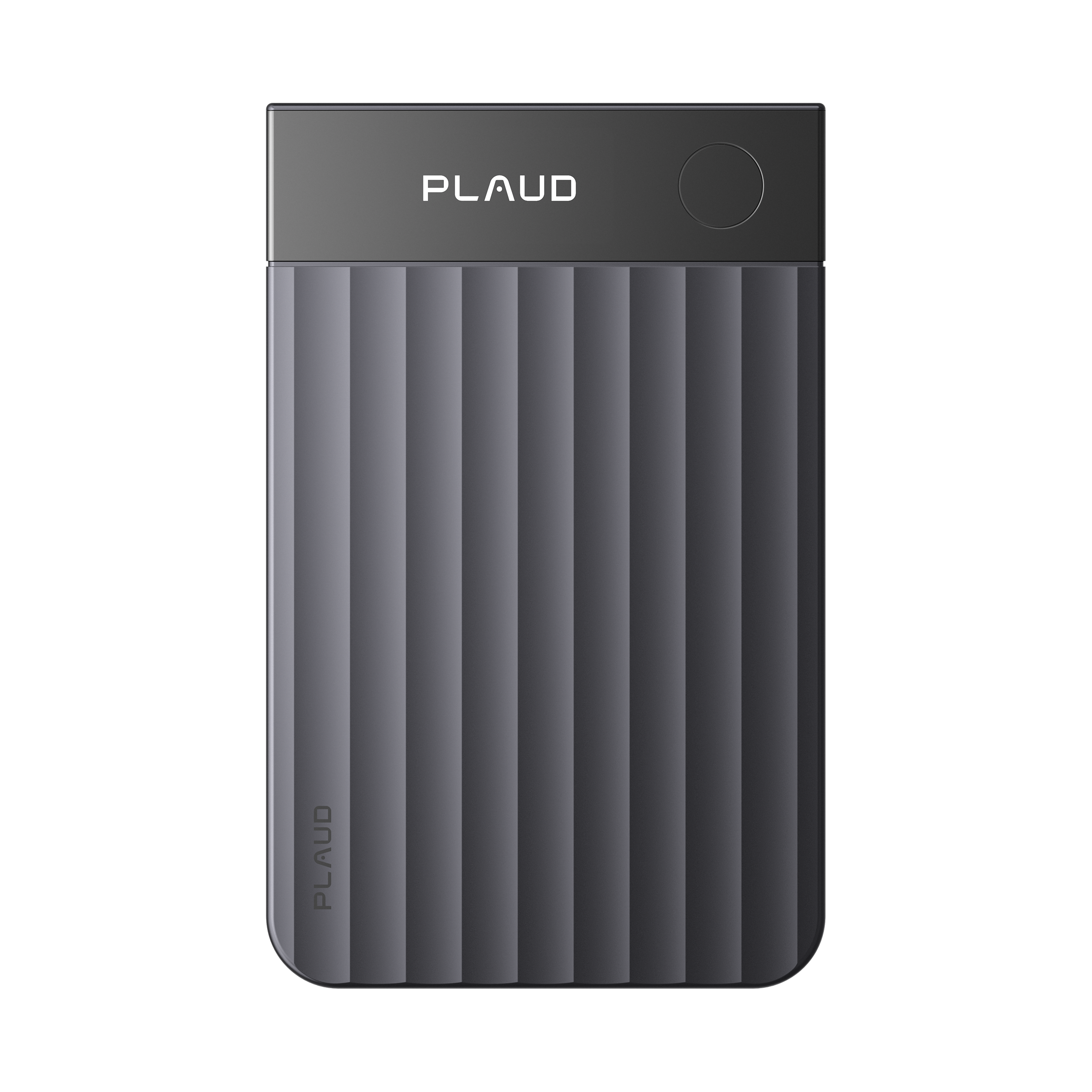
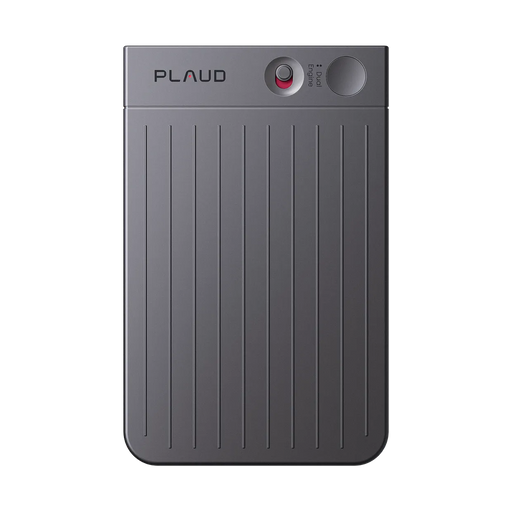
For most in-person executive meetings, Plaud Note Pro is the clearest starting point because it records from the room without adding a meeting bot. Plaud Desktop covers remote board meetings, while Plaud App and Ask Plaud make the approved record easier to search and review afterward.
Key takeaway
The best AI note taker for an executive board meeting is the recording process that gives the organization control over capture, consent, storage, review, and retrieval.
Public rankings and integration counts matter less than a process the chair, secretary, IT team, and legal reviewers can check.
| Executive board process | Best Plaud option | Main role | What to verify |
|---|---|---|---|
| In-person boardroom meeting | Plaud Note Pro | Dedicated, bot-free room capture | Recording policy, consent, device placement, storage and sync |
| Remote board meeting | Plaud Desktop | Online meeting capture without a bot attendee | Supported desktop audio feed, meeting policy, account and plan access |
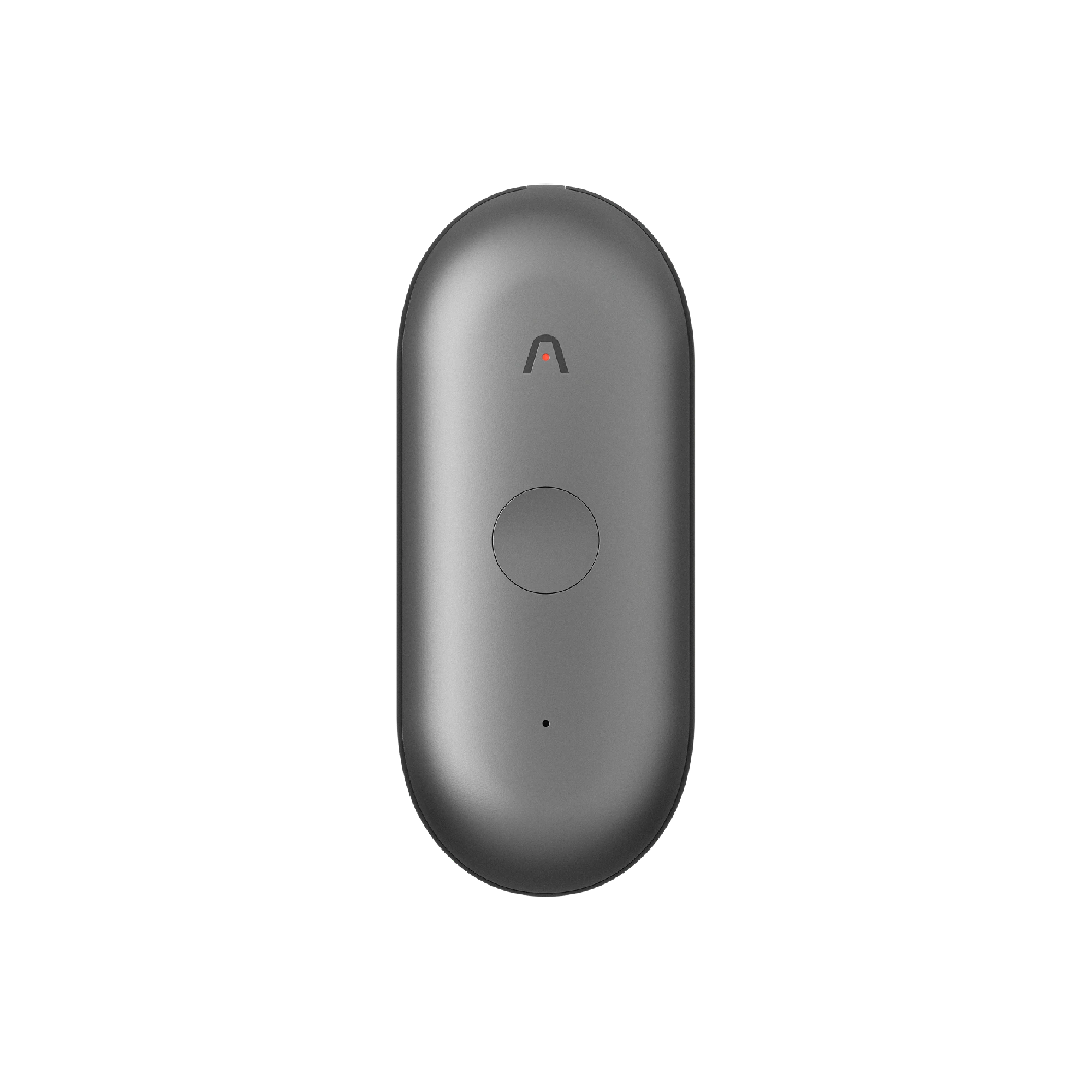
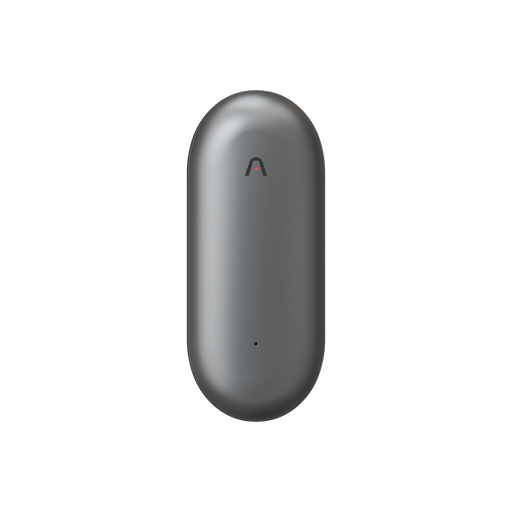
| Executive follow-up conversation | Plaud NotePin S | Wearable capture for mobile conversations | Consent, battery, storage, wearing method and data handling |
| Post-meeting review and archive | Plaud App and Ask Plaud | Transcript, summary, action items and search | Access permissions, approval, retention and deletion rules |
Plaud Note Pro is the primary recommendation for a boardroom. Plaud Desktop covers remote sessions only. Plaud NotePin S fits mobile conversations before or after the formal session. The final output still needs human review before it becomes an official board record.
What executive board meetings require from an AI note taker
An executive board meeting puts five demands on a note-taking system. It must capture the room, avoid disruption, handle consent, protect the data, and make the record easy to find.
Accurate capture means preserving the decision, the reasoning around it, and the action assigned afterward. A short summary that loses the objection raised by one director may be less useful than a longer transcript that keeps the context intact.
Speaker labels can matter when the team needs to confirm who raised a concern or accepted a follow-up.
Low-disruption recording is a separate requirement. A boardroom is not the place to troubleshoot a new bot. It is not the place to ask everyone to admit an attendee or pass a laptop around while the chair starts the meeting.
A one-press hardware process is easier to explain and repeat.
The recording decision also needs governance. The organization should approve recording under its meeting policy, tell participants when the law or policy requires it, and decide who may access the notes. A device can make capture simpler, but it cannot decide whether the meeting should be recorded.
Once the meeting ends, the notes need a review step.
An audio file alone is hard to review later. A board record is easier to use when it includes a transcript, an editable summary, and action items. The meeting owner should check all three before assigning or sharing anything.
For a broader professional comparison, see the guide to best AI meeting note takers for professionals. If the board's main objection is an extra attendee, the bot-free AI note taker workflow explains the same privacy and recording decision.
Security and governance checklist for board meeting notes
A board-meeting recording process needs approval on six fronts. Confirm each of these with the chair, IT team, and any legal or compliance reviewers before the first session.
- Bot-free capture: decide whether the boardroom should use Plaud Note Pro and whether remote meetings should use Plaud Desktop instead of a meeting-bot attendee.
- Consent workflow: confirm the required notice, approval, and recording language under local law, company policy, and board procedure.
- Security certifications: review Plaud's current Trust Center documentation for SOC 2 Type II, ISO/IEC 27001, ISO/IEC 27701, GDPR, HIPAA, and EN 18031 claims.
- Data handling: verify where audio, transcripts, summaries, and other outputs are stored, how they are synchronized, who can access them, and how deletion works.
- Archive and retrieval: decide whether the approved summary, transcript, or action-item list belongs in the organization's formal archive and who may search it later.
- Executive mobility: use Plaud NotePin S only for the mobile or supplemental conversation it is designed to cover, and verify its battery, storage, wearing method, and consent workflow.
Plaud's current Trust Center describes regional data centers, encryption in transit and at rest, and no model training by default. Those statements are a starting point for due diligence.
Procurement should read the current reports, data-processing terms, retention rules, and plan-specific controls before approving use for confidential board material.
Bot-free note taking for confidential executive meetings
A meeting bot can be visible as an extra participant. That may trigger questions about meeting permissions, data access, attendee experience, and whether the conversation is being sent to a third party. In a confidential board meeting, even a small amount of uncertainty can become a governance issue.
Plaud Note Pro handles the in-person version of this problem with a physical recording method. Place it in the boardroom, announce the recording according to policy, and start the meeting without asking a bot to enter.
The audio is recorded on the device before synchronizing for transcription and summaries.
Remote meetings need a different recording method. Plaud Desktop is intended to capture the computer-based conversation without appearing as a meeting-bot attendee.
Check the supported desktop method and the meeting policy before the session. A no-bot setup is still a controlled recording system, so the chair or meeting owner should know when capture begins and where the resulting notes go.
No-bot does not mean no notice. The organization still needs a clear answer to three questions: who approved the recording, who can access the output, and when will the audio and notes be deleted?
Recommended Plaud system for board meetings
The right choice follows the board meeting's physical or remote format. Use the product that matches the capture scene, then apply one review process to the resulting notes.
Boardroom meetings: Plaud Note Pro

Plaud Note Pro is the primary choice for in-person executive board meetings. It is a dedicated, bot-free recorder with four MEMS microphones, AI beamforming, and a listed pickup range of up to 5 meters (16.4 feet) in suitable conditions.
One press starts recording, so the meeting secretary or chair can use a repeatable process without opening a laptop in the middle of the room.
Pros:
- Captures boardroom discussion without a meeting-bot attendee.
- Provides a room-first method for transcripts, speaker labels, summaries, and action items after sync.
Cons:
- The board still needs to approve and disclose recording, and the output still needs human review before distribution.
Plaud Note Pro handles capture while the chair focuses on the agenda, questions, and decisions. Plaud App then turns the recording into a transcript and structured summary.
A reviewer can correct names, confirm the decision wording, and approve the action-item list.
Plaud Note Pro can also record phone calls, which can help when the executive team needs to document a related call. Phone calls still need their own recording check. Confirm consent and data handling before treating the call as part of the board record.
Plaud Note Pro is the right choice when the central problem is complete, low-disruption capture in a formal room. The device records the conversation. The organization's approval, distribution, and archiving process remains separate.
Price: $189 at the time of review. Confirm current pricing and plan terms before purchase.
Remote board meetings: Plaud Desktop
Plaud Desktop is the remote-meeting component for teams whose board meetings run through a computer. It captures the online conversation without requiring a meeting bot to join as an attendee, which keeps the participant list focused on the directors and invited guests.
Pros:
- Fits remote board meetings that already use a computer-based meeting platform.
- Keeps the recording method separate from a visible bot attendee.
Cons:
- Depends on the desktop method, supported audio feed, and the organization's remote-meeting policy.
Before the meeting, open the desktop method and confirm that it can capture the intended audio. During the meeting, the meeting owner should know that recording is active. Afterward, sync and review the output through the Plaud system in the same way as an in-person recording.
Plaud Desktop covers online board meetings only. A board member in an offline conversation before the session, or walking between rooms, needs a different device.
If the team uses both in-person and remote formats, a compatible Plaud hardware device also gives you access to Plaud Desktop. Both formats can then share the same capture and review workflow.
Use Plaud Desktop when the board meeting is remote-first and the computer is already the center of the conversation.
Price: Check current Plaud Desktop access and plan details before procurement.
Executive follow-up conversations: Plaud NotePin S
Plaud NotePin S is a supplemental option for mobile executive conversations. It suits a quick discussion in a hallway, a conversation between meetings, or a field visit where a table and laptop are not available.
Its wearable format is designed for hands-free in-person capture rather than formal boardroom coverage.
Pros:
- Keeps a bot-free recorder available during mobile and back-to-back conversations.
- Works as a connected capture option for conversations that happen before or after the board meeting.
Cons:
- It is not the primary device for covering a large boardroom or formal telephone-recording process.
The output can still move into Plaud App for transcription, summaries, and later retrieval. Because the conversation happened before or after the formal meeting, decide whether it belongs in the official board record.
A pre-meeting conversation may be confidential, personal, or outside the approved board record. Decide whether it belongs in the executive archive before sharing it with the wider team.
Plaud NotePin S makes more sense for mobile capture between formal meetings, while Plaud Note Pro remains the boardroom option.
Price: $179 at the time of review. Confirm current pricing and plan terms before purchase.
Post-meeting archive and review: Plaud App and Ask Plaud

Plaud App and Ask Plaud let the meeting owner review the record after capture. Once the audio has synchronized and been processed, the meeting owner can review the transcript, inspect the summary, find a decision, and pull out action items.
Pros:
- Makes approved board notes easier to search and revisit.
- Helps separate the full transcript from the shorter summary and action-item view.
Cons:
- Search and AI answers depend on the recording being synchronized and processed, and they still require human approval for formal governance records.
For a board process, the right sequence is capture, process, review, approve, and archive. Ask Plaud can help locate a topic or reconstruct where a decision appeared in the conversation.
Where official minutes require specific wording or a formal approval process, that review still needs a person.
Plaud App and Ask Plaud earn their place when the organization already has a controlled capture process and needs a practical way to review what was said afterward.
Price: Access and usage limits depend on the current Plaud plan.
Board meeting recording process with Plaud
Use a five-step process so the recording tool does not become the governance process by itself.
- Before the meeting: confirm the recording policy, notify participants, check device battery and storage, and choose Plaud Note Pro for the boardroom or Plaud Desktop for a remote session.
- During the meeting: start the selected recording method and avoid switching tools mid-session. Keep the chair focused on the agenda and the secretary or meeting owner responsible for the recording status.
- After the meeting: sync the recording to the Plaud system and generate the transcript, summary, and action-item view.
- Review and approval: have the meeting owner check names, decisions, sensitive passages, and assigned actions before distributing anything.
- Archive and retrieval: store, share, delete, or search the approved material according to the organization's governance requirements.
This sequence also creates a useful audit trail. If someone asks why a recording exists, who reviewed it, or why a summary was shared, the board process should have a clear answer.
That answer cannot come from an individual's memory of how the app was used.
Compliance considerations: SOC 2, ISO 27001, GDPR, HIPAA, and BAA
Plaud's current Trust Center lists SOC 2 Type II, ISO/IEC 27001, ISO/IEC 27701, GDPR, HIPAA, and EN 18031 among its security and compliance standards. Plaud's support documentation also covers regional cloud infrastructure, encryption, and no training on user data by default.
Review the current documentation directly during procurement. Certifications, scopes, plan controls, and contractual terms can change.
These standards answer different questions. SOC 2 Type II concerns controls around security, availability, and confidentiality. ISO/IEC 27001 addresses information security management, while ISO/IEC 27701 focuses on privacy information management. GDPR relates to personal-data handling. HIPAA is relevant to healthcare-related use cases, not to every board meeting.
Do not treat a HIPAA statement as proof that a particular board process is approved for protected health information. If the executive team handles PHI, ask the organization and Plaud's sales or legal contacts whether a BAA is available and applicable to the selected service.
Confirm the permitted data, roles, retention, access, and deletion terms before uploading anything sensitive.
For a standard board meeting, the more immediate questions are usually consent, data residency, access controls, retention, and who may approve the final notes. Compliance badges help with due diligence.
They do not replace it.