Terminó una llamada de descubrimiento de 45 minutos, pasó a la siguiente y dos horas después abrió Salesforce para darse cuenta de que su memoria ya estaba llena de lagunas. ¿El punto débil de la incorporación fue de 6 semanas o 6 meses? ¿El competidor empezaba con "S" o con "C"? La objeción del precio tenía algo que ver con los costes por puesto, pero no podía reconstruir las palabras exactas del cliente potencial. Según el informe de Productividad de Ventas de Gartner de 2024, los representantes dedican aproximadamente el 28% de su semana a tareas administrativas, siendo la entrada de datos en el CRM la mayor pérdida de tiempo. Las investigaciones de las plataformas de inteligencia conversacional sugieren que las notas de llamadas registradas manualmente capturan menos de la mitad de los detalles críticos de una conversación. El resto, las objeciones específicas, las menciones de la competencia y los compromisos verbales, se evaporan. Pasé cuatro meses probando tomadores de notas de IA en todo el flujo de trabajo de ventas B2B. Esto es lo que encontré.
Cómo elegimos los mejores tomadores de notas de IA para llamadas de ventas en 2026
No todos los tomadores de notas de IA sirven por igual a los flujos de trabajo de ventas. Los requisitos para un SDR de SaaS que realiza 8 llamadas en frío al día difieren significativamente de los de un comercializador de contenidos que graba una entrevista de podcast.
Por qué la mayoría de las listas de mejores no ayudan a los representantes de ventas
La mayoría de los resúmenes de tomadores de notas de IA evalúan las herramientas según criterios genéricos: precisión de la transcripción, soporte de idiomas, niveles de precios. Esas cosas importan, pero se pierden lo que un representante de ventas realmente necesita después de una llamada. Un representante de ventas no necesita una transcripción perfecta palabra por palabra. Lo que un representante de ventas necesita es esto: ¿Qué objeciones planteó el cliente potencial? ¿Qué competidores mencionaron? ¿Qué señales de compra aparecieron? ¿A qué me comprometí a hacer a continuación? ¿Y puede toda esa información fluir a Salesforce sin que yo escriba un solo carácter?
La brecha entre "buena herramienta de transcripción" y "herramienta que me hace un mejor vendedor" es significativa. Un tomador de notas que produce una transcripción limpia pero que requiere que leas 45 minutos de texto para encontrar la objeción del precio es solo marginalmente más útil que tu propia memoria. Las herramientas que realmente ayudan a los representantes de ventas son aquellas que entienden las conversaciones de ventas como una categoría distinta, con su propia estructura, sus propios momentos importantes y sus propias necesidades de datos posteriores.
Las 3 variables de decisión para los tomadores de notas de llamadas de ventas
Después de realizar pruebas en todo el espectro de tipos de llamadas de ventas, me decanté por tres variables que separan las herramientas que ayudan a los representantes a vender de las herramientas que simplemente graban:
Captura de objeciones y señales: ¿Puede la herramienta identificar y etiquetar automáticamente los momentos de una llamada en los que un cliente potencial planteó una objeción, mencionó a un competidor, expresó una señal de compra o hizo una solicitud específica? El etiquetado manual a posteriori anula el propósito. La herramienta necesita sacar a la luz estos momentos de forma proactiva.
Autopoblación del CRM: ¿La herramienta envía datos estructurados (resumen de la llamada, próximos pasos, temas clave, menciones de la competencia) directamente a Salesforce, HubSpot o a su CRM de elección? El objetivo es la entrada de datos manual cero después de una llamada. Si todavía tiene que copiar y pegar de una aplicación a otra, la herramienta no ha resuelto el problema central.
Perspectivas de coaching: ¿Puede un gerente de ventas o el propio representante usar la herramienta para revisar patrones de llamadas, proporciones de conversación-escucha, frecuencia de preguntas o efectividad en el manejo de objeciones? Esto es más importante para los equipos, pero incluso los representantes individuales se benefician de ver sus propios patrones a lo largo del tiempo.
Comparación rápida
|
Herramienta |
Funciona bien cuando |
Falla cuando |
Ideal para |
|
Gong |
Demostraciones en Zoom/Teams + coaching de equipo |
Llamadas fuera de línea o solo por teléfono; equipos pequeños |
AEs y gerentes que necesitan análisis de conversación profundos |
|
Llamadas de ventas móviles + reuniones con clientes en persona |
Necesita análisis de conversación profundos o inserción nativa en el CRM |
SDRs que realizan llamadas en frío por teléfono y seguimientos |
|
|
Fireflies.ai |
Reuniones en línea + autocompletado de CRM |
Llamadas fuera de línea; profundidad de análisis inferior a Gong/Chorus |
Representantes que desean automatización ligera del CRM |
|
Chorus by ZoomInfo |
Inteligencia de negocios empresarial + evaluación comparativa de equipos |
Uso individual; mercados no ingleses; fuera de línea |
Grandes organizaciones de ventas que rastrean la salud de los negocios entre equipos |
|
Reuniones con clientes en persona + ventas de campo |
Necesita una integración profunda con el CRM; flujos de trabajo puramente en línea |
AEs de campo que se reúnen con clientes potenciales cara a cara |
|
|
Otter.ai |
Representantes con poco presupuesto en Zoom/Meet |
Llamadas telefónicas; análisis de ventas avanzados |
Representantes individuales que desean una transcripción asequible |
6 mejores grabadoras de llamadas de ventas con IA

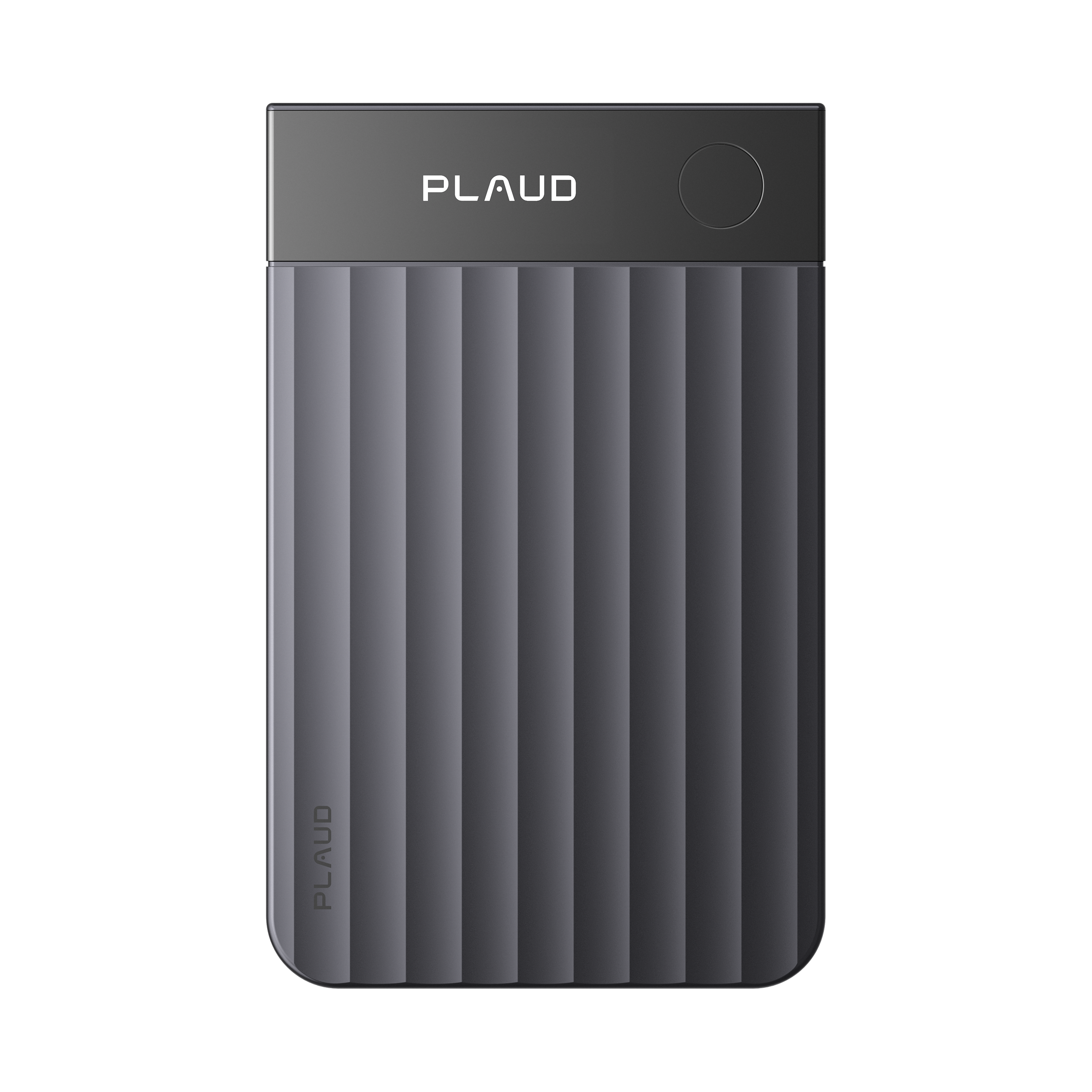
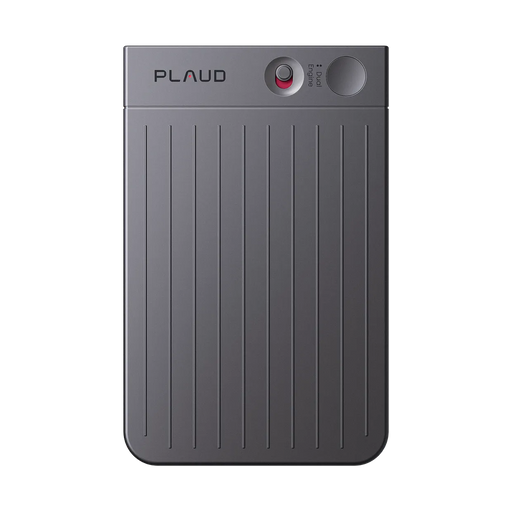
Plaud Note
La grabadora de bolsillo que captura cada llamada de ventas y reunión cara a cara.
Por qué funciona
No todas las llamadas de ventas ocurren en Zoom. Los SDRs que realizan campañas de llamadas en frío desde sus teléfonos móviles, los AEs que hacen seguimiento con un cliente durante un trayecto, los representantes que llaman directamente a un cliente potencial: estas conversaciones telefónicas son invisibles para herramientas como Gong y Chorus. El Plaud Note resuelve esta brecha con un dispositivo del tamaño de una tarjeta de crédito que graba tanto llamadas telefónicas como conversaciones en persona.
El motor de procesamiento de IA, impulsado por los principales modelos de lenguaje grandes (LLM), genera resúmenes estructurados poco después de finalizar la grabación. Plaud ofrece miles de plantillas de resumen, y las más relevantes para ventas incluyen la extracción de elementos de acción (¿a qué te comprometiste?), el resumen de decisiones clave (¿a qué accedió el cliente potencial?) y el registro de objeciones. La función "Ask Plaud" le permite realizar consultas en todas sus llamadas grabadas: "¿Qué clientes potenciales mencionaron limitaciones presupuestarias esta semana?" o "¿Qué dijo el vicepresidente de Acme sobre su cronograma de renovación?". Cada respuesta enlaza con la marca de tiempo de audio exacta, lo que significa que puede verificar el contexto antes de poner un número en su CRM.

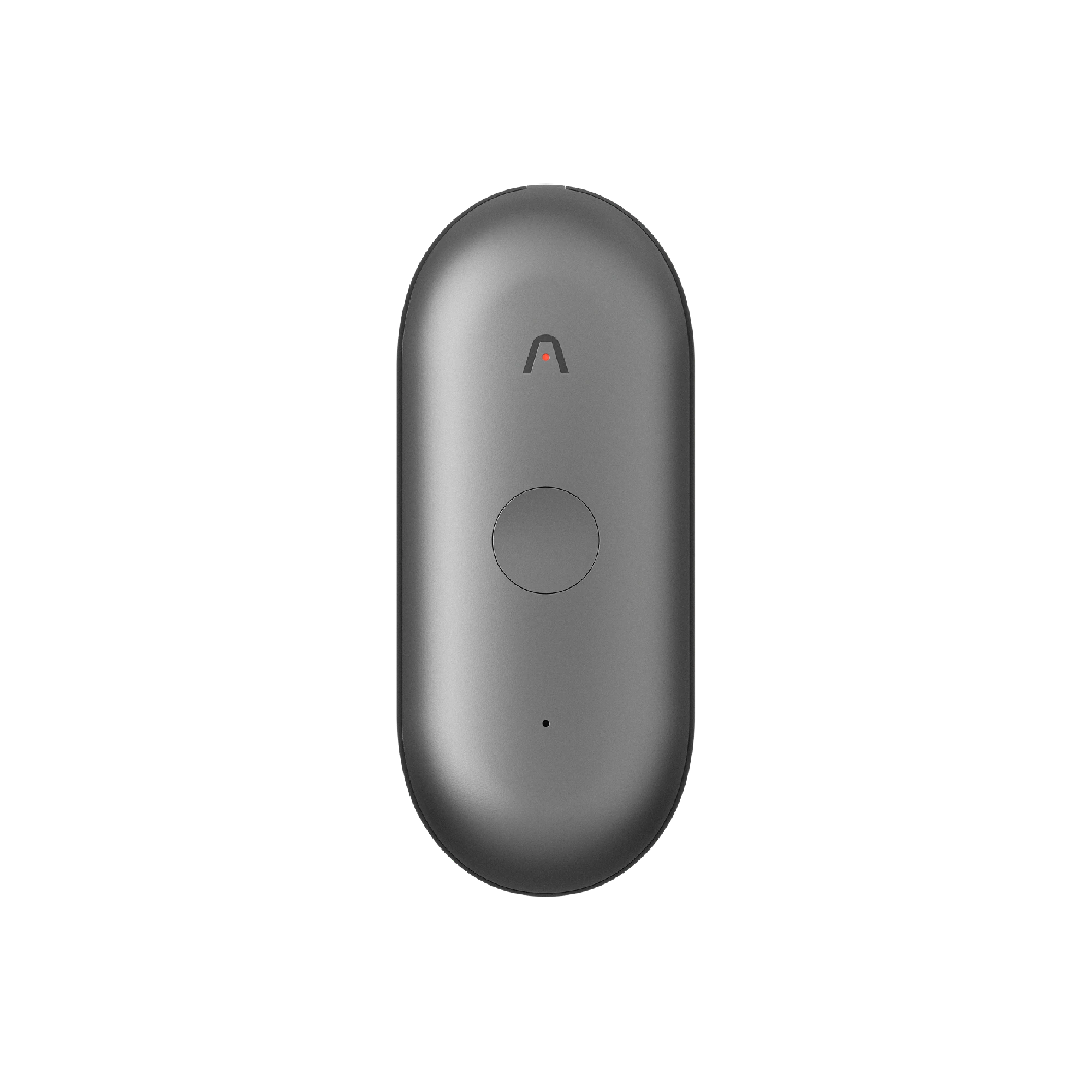
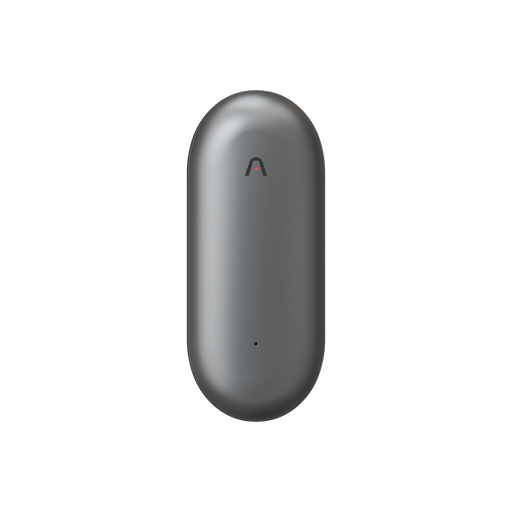
Plaud NotePin S
La grabadora portátil que captura reuniones con clientes sin la incomodidad de sacar un dispositivo.
Por qué funciona
Las ventas de campo no han muerto, y muchos negocios B2B de alto valor aún implican reuniones en persona: cenas ejecutivas, demostraciones de productos in situ, conversaciones en ferias comerciales y visitas a oficinas de clientes. El Plaud NotePin S está diseñado para estos momentos. El dispositivo se engancha al cuello de una camisa o a la solapa de un blazer como un pequeño pin, y permanece allí durante todo el día.
La dinámica social de las reuniones de ventas en persona hace que el NotePin S sea particularmente valioso. Sacar un teléfono y pulsar "Grabar" cuando te sientas con un cliente potencial de alto nivel envía una señal incómoda. Colocar un dispositivo de grabación visible sobre la mesa puede tener un efecto similar. El NotePin S, discretamente enganchado a tu cuello, elimina por completo esa fricción. Pulsas una vez cuando comienza la conversación, y el dispositivo lo captura todo sin llamar la atención.
El backend de IA procesa la grabación de forma idéntica al resto del ecosistema Plaud: transcripción en más de 100 idiomas con separación de locutores, resúmenes estructurados a través de más de 30 plantillas, extracción de elementos de acción y la búsqueda entre grabaciones de Ask Plaud. Después de una cena en la que el cliente potencial mencionó casualmente la fecha de renovación de su contrato, las deficiencias de su proveedor actual y un presupuesto que se abre en el segundo trimestre, tendrá todo eso capturado y disponible para buscar antes de llegar a su coche.
Para los AEs que dividen su semana entre demostraciones virtuales y reuniones en persona, el NotePin S cubre la mitad del trabajo que las herramientas solo de software omiten por completo. Se combina naturalmente con una configuración de Gong o Fireflies: Gong maneja las llamadas de Zoom, el NotePin S maneja todo lo que sucede en el mundo físico.
Gong
La plataforma de inteligencia conversacional que convierte las llamadas de ventas en datos de coaching y señales de negocios.
Por qué funciona
Gong ocupa una categoría distinta en la tecnología de ventas. No es principalmente un tomador de notas; es un motor de inteligencia conversacional que, por añadidura, produce excelentes notas. La plataforma graba llamadas en Zoom, Teams y otras plataformas VoIP, y luego aplica modelos de IA propios para analizar cada conversación en múltiples dimensiones.
Para los AEs que realizan llamadas de descubrimiento y demostraciones, el análisis de objeciones es la capacidad más destacada. Gong identifica los momentos específicos de una llamada en los que un cliente potencial se resistió (en el precio, en el cronograma, en las brechas de características) y los muestra en una línea de tiempo estructurada junto con la transcripción completa. Después de una demostración de 45 minutos, en lugar de desplazarse por miles de palabras, puede ir directamente a los tres momentos de objeción, revisar la redacción exacta del cliente potencial y elaborar un correo electrónico de seguimiento dirigido que aborde cada preocupación con precisión.
La capa de inteligencia de ofertas rastrea patrones en todas las llamadas dentro de una oportunidad: ¿Aumentan las menciones de la competencia? ¿Cambia el sentimiento del cliente potencial entre llamadas? ¿Cambió el lenguaje del campeón después de una reunión interna? Para los gerentes de ventas, las funciones de coaching permiten comparar lado a lado cómo los mejores vendedores manejan la misma objeción versus cómo responden los representantes más nuevos, completo con análisis de la relación hablar-escuchar y métricas de frecuencia de preguntas.
La integración con el CRM es profunda. Gong envía resúmenes de llamadas, elementos de acción y señales de riesgo de negocios directamente a Salesforce, con los datos estructurados de tal manera que realmente completan los campos que un gerente revisa durante las reuniones de pipeline.
Donde no es la mejor opción
El precio de Gong refleja su posicionamiento empresarial. Si bien los costos exactos varían según el contrato, la plataforma suele oscilar entre $100 y $150 por usuario al mes para contratos anuales, con requisitos mínimos de asientos. Para un SDR individual, un equipo de ventas de dos personas en una startup, o un AE en una empresa en etapa inicial, ese costo es difícil de justificar. La plataforma también opera completamente en el mundo de las reuniones virtuales; no puede grabar una llamada telefónica que realice desde su teléfono móvil, una conversación en la oficina de un cliente o cualquier interacción que no ocurra en una plataforma compatible. Si una parte significativa de su actividad de ventas ocurre fuera de línea o en líneas telefónicas tradicionales, Gong tiene un punto ciego significativo.
Fireflies.ai
El grabador de reuniones que rellena automáticamente tu CRM después de cada llamada de ventas virtual.
Por qué funciona
Fireflies.ai se encuentra en el punto óptimo entre las herramientas de transcripción simples y las plataformas de inteligencia conversacional empresarial. El bot se une a sus llamadas de Zoom, Google Meet o Teams automáticamente, graba y transcribe en más de 100 idiomas, y luego envía datos estructurados a su CRM. Las integraciones con Salesforce y HubSpot son la característica principal para los representantes de ventas: después de una llamada de descubrimiento, Fireflies puede crear un nuevo registro de actividad en el CRM con el resumen de la llamada, los temas discutidos, los elementos de acción y los momentos clave, todo sin necesidad de introducir datos manualmente.
La función de seguimiento de palabras clave y temas le permite configurar alertas para términos específicos (nombres de competidores, frases de precios, señales de compra como "necesitamos esto para el tercer trimestre") y luego mostrar cada instancia en las llamadas de su equipo. Para un gerente de ventas que dirige un equipo de 6 a 10 SDR, esto proporciona una visibilidad de coaching ligera sin el costo de un paquete completo de inteligencia conversacional.
Los precios Pro comienzan en $10 por mes por asiento facturados anualmente, con Business en $19 por mes para almacenamiento e integraciones ampliados. La función de Aplicaciones de IA permite automatizaciones personalizadas (por ejemplo, la generación automática de un borrador de correo electrónico de seguimiento a partir del resumen de la llamada), lo que reduce aún más el tiempo administrativo posterior a la llamada.
Donde no es la mejor opción
Fireflies no puede grabar llamadas telefónicas realizadas desde un teléfono móvil o fijo. La integración con el CRM es útil pero menos profunda que lo que ofrecen Gong o Chorus en términos de inteligencia de negocio; Fireflies introduce notas en los campos del CRM, mientras que Gong y Chorus analizan patrones a través de las etapas del negocio para detectar señales de riesgo. Los análisis de conversación también son más ligeros: Fireflies proporciona distribución del tiempo de conversación y detección de temas, pero no ofrece el análisis de patrones de objeciones, la tendencia de menciones de la competencia o la comparación entre representantes que ofrecen las plataformas de inteligencia conversacional dedicadas. Para las organizaciones de ventas donde el coaching y el análisis de negocio son la necesidad principal, Fireflies puede parecer un punto de partida más que un destino.
Chorus de ZoomInfo
Inteligencia de negocios de nivel empresarial para grandes organizaciones de ventas.
Por qué funciona
Chorus (ahora parte de ZoomInfo) está diseñado para organizaciones de ventas que necesitan rastrear el estado de los acuerdos, la dinámica competitiva y el rendimiento de los representantes en cientos o miles de conversaciones. La plataforma graba y analiza las llamadas de ventas virtuales, luego mapea las señales de conversación a los resultados de los acuerdos: ¿qué patrones de lenguaje se correlacionan con los acuerdos ganados? ¿Qué respuestas a objeciones conducen a pipelines estancados? ¿En qué parte del proceso de ventas los representantes pierden el impulso con mayor frecuencia?
El seguimiento de menciones de la competencia es particularmente potente para entornos SaaS B2B. Chorus marca cada instancia en la que un cliente potencial nombra a un competidor, categoriza el contexto (comparación, objeción, cambio de) y agrega estas menciones en paneles que el marketing de productos y el liderazgo de ventas pueden usar para refinar el posicionamiento. Para los equipos de AE que realizan de 50 a 100 demostraciones al mes, esto crea un feed de inteligencia competitiva en tiempo real construido directamente a partir de las conversaciones con los clientes.
Las funciones de evaluación comparativa de equipos permiten a los gerentes comparar cómo sus mejores vendedores difieren de los de rendimiento promedio en dimensiones medibles: relación hablar-escuchar, cadencia de preguntas, tasa de compromiso de los próximos pasos y profundidad de descubrimiento. Estas ideas se incorporan directamente a las sesiones de coaching.
Donde no es la mejor opción
Chorus comparte las limitaciones fundamentales de Gong: solo funciona con plataformas de reuniones virtuales y no puede capturar llamadas telefónicas, reuniones en persona o cualquier conversación que no ocurra fuera de Zoom, Teams o WebEx. El precio está orientado a empresas (normalmente requiere contratos anuales con un número mínimo de asientos), lo que lo hace poco práctico para representantes individuales o equipos pequeños. Los análisis de la plataforma también están muy optimizados para conversaciones en inglés, con una precisión y profundidad de conocimiento reducidas para mercados que no hablan inglés. Si su equipo de ventas opera internacionalmente con llamadas en varios idiomas, la capa de análisis puede tener un rendimiento inferior en comparación con sus capacidades en inglés.
Otter.ai
Transcribe reuniones asequible para representantes individuales que necesitan notas de llamadas básicas con un presupuesto limitado.
Por qué funciona
Otter.ai ofrece el punto de entrada más accesible para un representante de ventas que desea notas de llamadas generadas por IA sin la compra de una plataforma para todo el equipo. El nivel gratuito proporciona 300 minutos de transcripción al mes. El bot de Otter se une a las llamadas de Zoom y Google Meet automáticamente, produce transcripciones en tiempo real con etiquetas de orador y genera un resumen cuando finaliza la llamada.
Para un SDR individual o un AE en etapa inicial que no tiene acceso a una licencia de Gong o Chorus financiada por la empresa, Otter llena el vacío a una fracción del costo. El plan Pro, a $8.33 al mes (facturado anualmente), aumenta la transcripción a 1,200 minutos y agrega funciones como vocabulario personalizado (útil para capturar con precisión nombres de productos y términos de la industria). La función de búsqueda le permite encontrar momentos específicos en el historial de llamadas, lo que ayuda cuando necesita revisar la objeción de un cliente potencial antes de una llamada de seguimiento.
Donde no es la mejor opción
Otter es una herramienta de transcripción y resumen, no una plataforma de inteligencia de ventas. No analiza las proporciones de conversación-escucha, no rastrea las menciones de la competencia, no puntúa el manejo de objeciones ni envía datos estructurados de negocios a los sistemas CRM. La herramienta solo admite la transcripción en varios idiomas, y como cualquier otra herramienta solo de software en esta lista, Otter no puede grabar llamadas telefónicas realizadas desde un teléfono móvil o fijo. Tampoco captura reuniones en persona. Para un representante de ventas que necesita más que una transcripción básica, Otter suele ser un escalón hacia una herramienta más capaz en lugar de una solución a largo plazo.
Entonces, ¿qué tomador de notas de IA deberías elegir?

La herramienta adecuada depende de tres factores: dónde se realizan tus conversaciones de ventas, qué necesitas después de cada llamada y cuánto está dispuesto a invertir tu equipo (o tu empresa). Aquí tienes un marco práctico:
Si el análisis profundo de conversaciones y el coaching de equipo son la prioridad, y tus llamadas ocurren en Zoom/Teams: Gong es el líder de la categoría por una razón. El análisis de objeciones, la inteligencia de acuerdos y las funciones de coaching justifican el precio de nivel empresarial para los equipos que pueden permitírselo.
Si realizas un número significativo de llamadas de ventas desde tu teléfono y también te reúnes con clientes en persona: Plaud Note cubre los dos escenarios que toda herramienta solo de software omite. Las llamadas telefónicas y las reuniones cara a cara se capturan con un solo dispositivo, y los resúmenes de IA te brindan notas estructuradas en un minuto después de colgar.
Si la entrada automatizada de datos en el CRM después de las llamadas virtuales es su mayor problema: Fireflies.ai ofrece el mejor equilibrio entre grabación de reuniones, integración con el CRM y asequibilidad para equipos de ventas pequeños y medianos.
Si te reúnes con frecuencia con clientes potenciales en persona y necesitas una grabación discreta: Plaud NotePin S es la única herramienta de esta lista diseñada para ser usada. Para los AEs de campo que cierran negocios en cenas, visitas a oficinas y conversaciones en ferias comerciales, llena un vacío que ninguna herramienta de software puede alcanzar.
Si necesita inteligencia de negocios de nivel empresarial en una gran organización de ventas: Chorus de ZoomInfo ofrece análisis para todo el equipo
Conclusión
La pregunta central para elegir un tomador de notas de llamadas de ventas no es "qué herramienta tiene la mejor transcripción", porque la precisión de la transcripción en las principales herramientas está convergiendo rápidamente. La pregunta que realmente determina el ROI es esta: Después de que termina una llamada de ventas, ¿qué tan rápido y completamente la información crítica (objeciones, menciones de la competencia, señales de compra, compromisos) llega a su registro de CRM y a su plan de seguimiento?
Para la mayoría de los representantes de ventas de SaaS, la respuesta honesta hoy es: no lo hace. La información vive en la memoria a corto plazo durante una hora, se fragmenta en notas rudimentarias si eres disciplinado, y desaparece por completo si la siguiente llamada comienza antes de que termines de registrarla.
El siguiente paso práctico lleva cinco minutos. Revisa tu calendario y el registro de llamadas de la última semana. Cuenta cuántas llamadas se realizaron por Zoom o Teams, cuántas por teléfono celular y cuántas en persona. Ese desglose te indicará qué herramienta cubrirá la mayor parte de tus conversaciones. Luego, elige una, úsala durante dos semanas y mide una métrica simple: ¿el campo de Notas de tu Salesforce está más completo que antes? Si la respuesta es sí, la herramienta está justificando su costo.