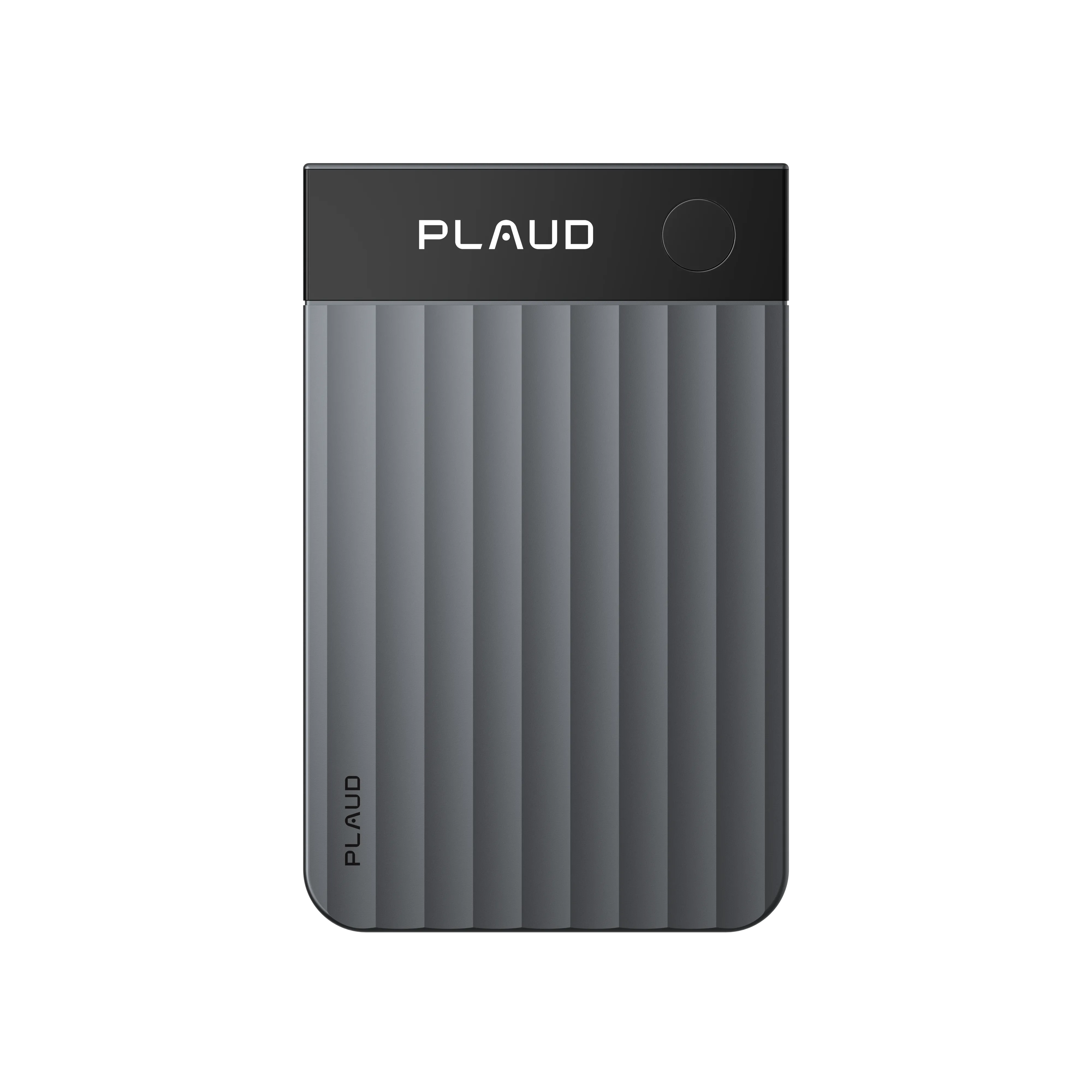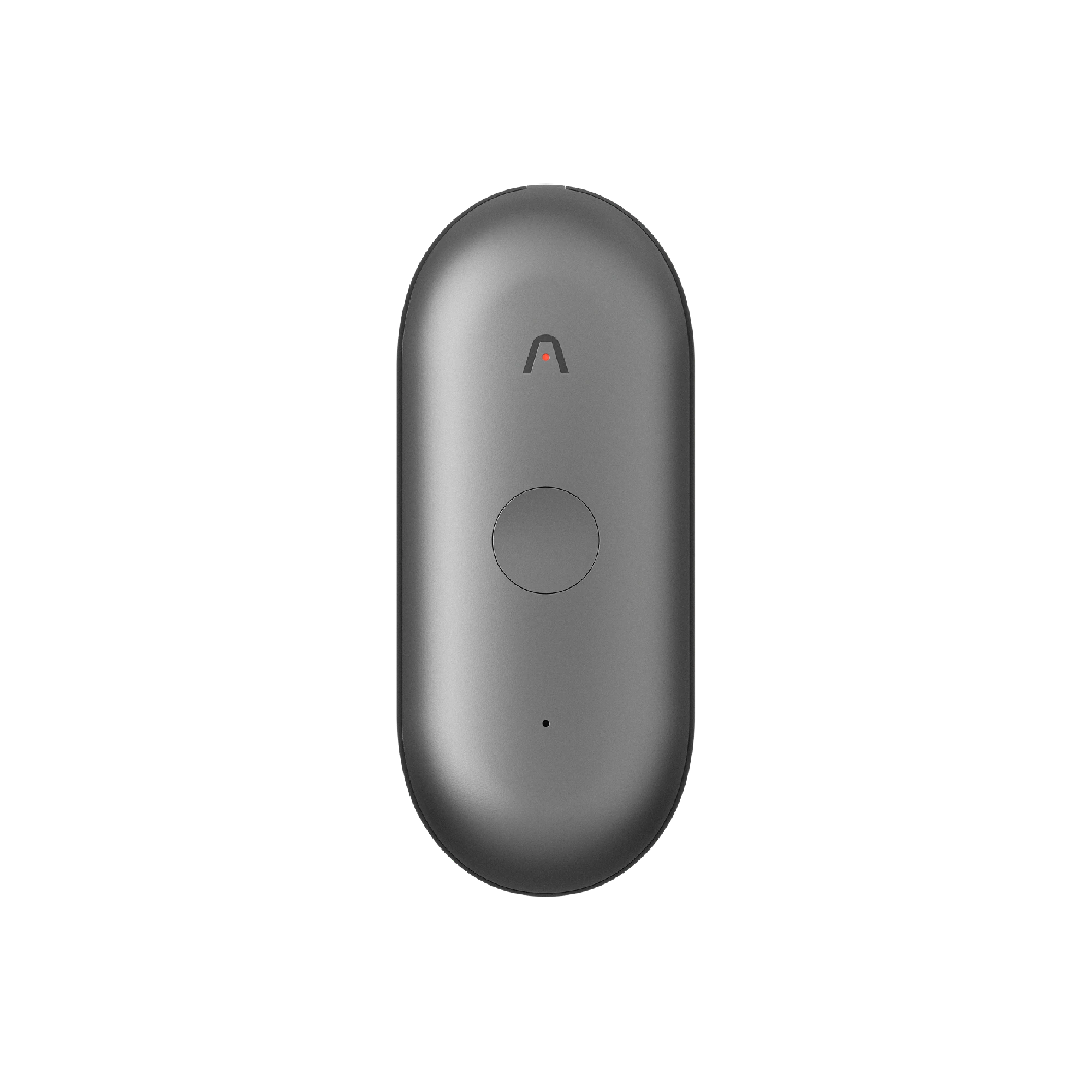
The term listening device refers to any device that captures sounds for later use, be it playback, summarization, transcription, or storage for a later date.
While they are most commonly associated with private investigation and law enforcement, surveillance and spying are not their only use cases. In fact, the majority of listening devices are used for everyday purposes, such as recording meetings, music, or podcasts.
Listening technology ranges from discreet devices that clip onto your shirt to hardwired models designed to capture every word spoken in a room. Many of the newest audio capturing technology even comes with AI features, such as speaker labelling, summarization, transcription, action items, and templating.
Some of the most common devices you’ll see are AI voice recorders, mini voice recorders, spying equipment, and dictaphones.
Still curious? In this guide, we will cover everything you need to know about listening devices, so you can make the best choice possible when making your purchase.
What Are Listening Devices?

Listening devices are small audio tools designed to capture and record conversations or sounds from a distance. They're used for everything from security and surveillance to personal safety and gathering legal evidence.
All of the following types of devices fall under the category of “listening devices”:
- Mini voice recorders
- Handheld audio recorders
- Spying or surveillance equipment
- Dictaphones (an outdated brand name that’s still popular)
- Hidden listening devices, such as USB recorders
- Long-range listening devices, such as parabolic microphones
What sets them apart is their intended use. Something that a musician takes with them on the go to record song lyrics and something you wear on your lapel to record an interview are both “listening devices,” but they serve different purposes (more on that later).
You'll find them in a few different forms. Listening devices range from bug detectors to help you find hidden microphones to voice-activated recorders that start recording when they pick up sound.
Most audio recording devices use a microphone to pick up sound waves and convert them into electrical signals. Those signals either get stored on the device itself or transmitted wirelessly to a receiver. The fancier ones can filter out background noise and focus on specific voices (like our Plaud devices!), which makes them useful in noisy environments.
How do Listening Devices Work?
Listening devices use miniature microphones that convert sound waves into electrical signals for recording or transmission. Our Plaud NotePin comes with 2 MEMS microphones for outstanding audio quality, but normally, miniature audio recording devices have only 1 microphone.
These compact audio units come in two main categories: active and passive systems. Active devices transmit audio in real-time using radio frequencies, WiFi, or cellular networks, which allows immediate monitoring from anywhere on Earth. Passive devices, on the other hand, store recordings on internal memory for later playback and analysis.
Most modern units also incorporate voice-activation technology that keeps them in standby mode until they detect sound, which can extend battery life for days. In fact, our Plaud devices can last up to 60 days in standby mode!
Back to how these small listening devices work…
Different models are engineered for specific applications. For example, some devices are designed to pick up meeting audio and identify speakers. Others are simple devices designed to capture audio for playback or investigative work.
Advanced models can even transmit encrypted audio data over secure channels for professional security applications. Pretty amazing, isn’t it?
What Are The Different Types of Listening Devices?

There are many different types of listening devices, including audio recorders, wearable audio devices, spying equipment, phone apps, dictaphones, and disguised surveillance equipment like USB drive recorders.
Let’s break each of them down here so you know which one is right for your situation:
- Mini voice recorders: Mini voice recorders are small, portable devices that capture audio and store it digitally. They’re typically used for lectures, interviews, meetings, or personal voice memos. They're best when you need better audio quality than your phone can offer and don’t want the recorder to intrude on the meeting.
- Spy equipment: Spy equipment includes hidden cameras, audio bugs, GPS trackers, and other covert surveillance tools designed to monitor people or locations without their knowledge. These devices are typically used by private investigators, law enforcement, or security professionals, though some consumer versions exist for home security and personal safety.
- Hardwired: These devices are audio bugs that connect directly to a building's electrical system or phone lines. You might see them used in long-term surveillance operations like monitoring a suspect's office or tracking conversations in a specific room over weeks or months. Why would anyone go through all that trouble? Because these bugs are impossible to detect without standard RF scanners, which most people do not have.
- Devices that connect to phones: Listening devices that connect to your phone work like wireless microphones with extended range. You place the bug in the room you want to monitor, then use an app on your smartphone to listen live or review recorded audio later. Most connect through Bluetooth (up to 30 feet) or Wi-Fi (which works from anywhere with internet).
It might seem like these products are only for eavesdropping, but that’s not really the case. Yes, they are often used for surveillance, but mini voice recorders like our Plaud NotePin and normal-sized recorders like our Plaud Note Pro have many uses.
Here are just a few:
- Listening to meetings and creating transcripts
- Labeling meeting speakers
- Listening to sales calls, saving transcripts, and turning everything into training materials
- Listening to lectures
- Health care uses, such as creating therapy notes or patient conversation transcripts
Speaking of use cases, let’s cover those in the next section.
What Are the Use Cases of Listening Equipment?
Devices that listen, take notes, and summarize are not just for spying or investigative work. At Plaud, our customers include sales teams, doctors, lawyers, therapists, and students. In fact, most of our customers are not spying on anyone. At least we hope they aren’t.
Here are some of the main use cases of listening equipment.
Surveillance

Surveillance is the number one use for listening devices, and it's easy to see why. Law enforcement and private investigators need them to gather evidence in fraud cases, track criminal activity, or monitor suspects without being physically present. These devices can pick up conversations from across a room, filter out background noise, and record for days without needing a battery swap.
That said, you need to understand your local and federal wiretapping laws before using any listening device for surveillance. Recording someone without their consent is illegal in most situations, and penalties can be severe. We're not lawyers, and we're not responsible for how you use this information.
AGAIN: Always check the law first!
Business
Businesses use listening devices for quality assurance, training, and protecting themselves legally.
For example, call centers record conversations to coach employees on customer service, retail stores monitor checkout areas to improve the customer experience, and offices record meetings so remote team members can catch up later without needing someone to take detailed notes.
The #1 benefit, however, is accuracy.
Instead of relying on someone's memory or notes from a client meeting, you have the exact conversation on file. This helps resolve disputes and makes sure project details don't get lost or forgotten. Many devices now come with transcription features that turn audio into searchable text, so you can find specific moments without listening to hours of recordings.
Note-taking
Listening devices are super useful for note-taking.
Instead of scribbling during a lecture or brainstorming session, you can hit record and stay focused on the conversation. Later, you can replay the audio and write down what matters most. Some devices, like our Plaud products, turn your recordings into searchable notes using AI. Pretty cool, right?
Imagine you're in an organic chemistry lecture and the professor flies through a reaction mechanism in under two minutes. You're still writing down the first step when they've already moved on. With a recording, you can replay that section as many times as needed until it makes sense.
Interviews
Listening devices are great for interviews. Journalists and researchers can focus on asking follow-up questions instead of splitting their attention between the conversation and note-taking.
And, they have an exact record if they need to verify a quote later.
As for regular business, HR can record job or performance interviews for managers and department heads to view later. No need to wait until everyone is free just to conduct a 30-minute interview.
What Are the Best Listening Devices?
We’re going to share a few of the most well known brands on the listening device market to help make your choice easier. The best listening device brands out there are:
- Plaud Note: We hate to brag, but Plaud is the best listening device on the market for business use. It offers 98% transcription accuracy and includes AI-powered summaries in its free plan. It’s thin enough to fit in your wallet, and it can capture audio for all of your work activities.
- Sony ICD-UX570: A basic recorder with excellent audio quality and 4GB of built-in storage (holds about 159 hours of recordings). It doesn’t have any AI features.
- Olympus WS-853: The Olympus WS-853 is great if you’re on a budget. It’s got 8GB of storage and voice-activated recording, so it only captures audio when someone's talking.
- Zoom H1n: This is a portable listening device for musicians and podcasters. Its high-quality stereo mics capture clean audio that’s ready for post-processing. It records in WAV format for professional-grade audio and has a built-in speaker for instant playback.
- Tascam DR-05X: A top choice for content creators, this recording device has adjustable recording levels and a tripod mount. It records up to 24-bit/96kHz audio quality and includes overdub and playback speed control features.
What’s the Smallest Listening Device?
There isn’t a single smallest listening device out there, but many are very small. Ultra small “nano” devices usually don’t deliver the same audio quality as larger ones, though. Some of the smallest listening devices are:
- STTWUNAKE
- Mr. Nano
- Boya Mini
How to Detect a Listening Device in Your Home?
Think you're being bugged? Don't worry. There are ways to find out if someone has bugged your home or office.
Let’s stick with the simplest and most affordable way: Using your phone.
How to Detect a Listening Device With Your iPhone
Your iPhone can help you find hidden listening devices pretty easily.
Just download an RF (radio frequency) detector app like Fing or Network Scanner, then walk slowly around the room while watching for signal spikes. That’s all you have to do.
If you notice unusual Bluetooth or Wi-Fi signals that don't match your known devices, that could be a bug. You can also use your phone's camera to spot hidden cameras with infrared lights.
Turn off the lights, open your camera app, and look for small glowing dots on your screen that aren't visible to your naked eye.
How to Detect a Listening Device With an Android Phone
Android phones work similarly for detecting bugs.
Apps like Fing, Hidden Camera Detector, or RF Signal Detector can scan for suspicious wireless signals in your space. Walk around areas where you suspect a device might be hidden (smoke detectors, outlets, decorations) and watch for signal strength changes. Like iPhones, your Android camera can also detect infrared lights from hidden cameras. Just open your camera in a dark room and look for bright spots on the screen.
Is it legal to record someone?
In most situations, recording someone without their knowledge is illegal, but it depends on your location and the context.
The U.S. has two types of consent laws: single-party and all-party. Single-party states (like Texas and New York) let you record a conversation as long as one person involved consents (that can be you). All-party states (like California and Florida) require everyone in the conversation to consent to being recorded. You must know the difference and are fully responsible for understanding these laws.
Expectations of privacy are also very important here.
Recording someone in their home without permission is illegal almost everywhere, and using listening devices for surveillance usually violates wiretapping laws. We're not lawyers, so we can't give you definitive legal advice. Always check your local and federal laws before recording anyone.