Welcome to our best mini voice recorders review of 2026.
Mini voice recorders used to be simple, one-button, single-mic machines. Now you have everything from multi-track handheld recorders to AI-powered devices that turn your recordings into notes.
During our research, we found that some of the old-school recorders were the best of the bunch for music, podcasting, and creative audio. But AI-powered options are becoming the new standard for business, especially for meetings, call recording, interviews, and lectures.
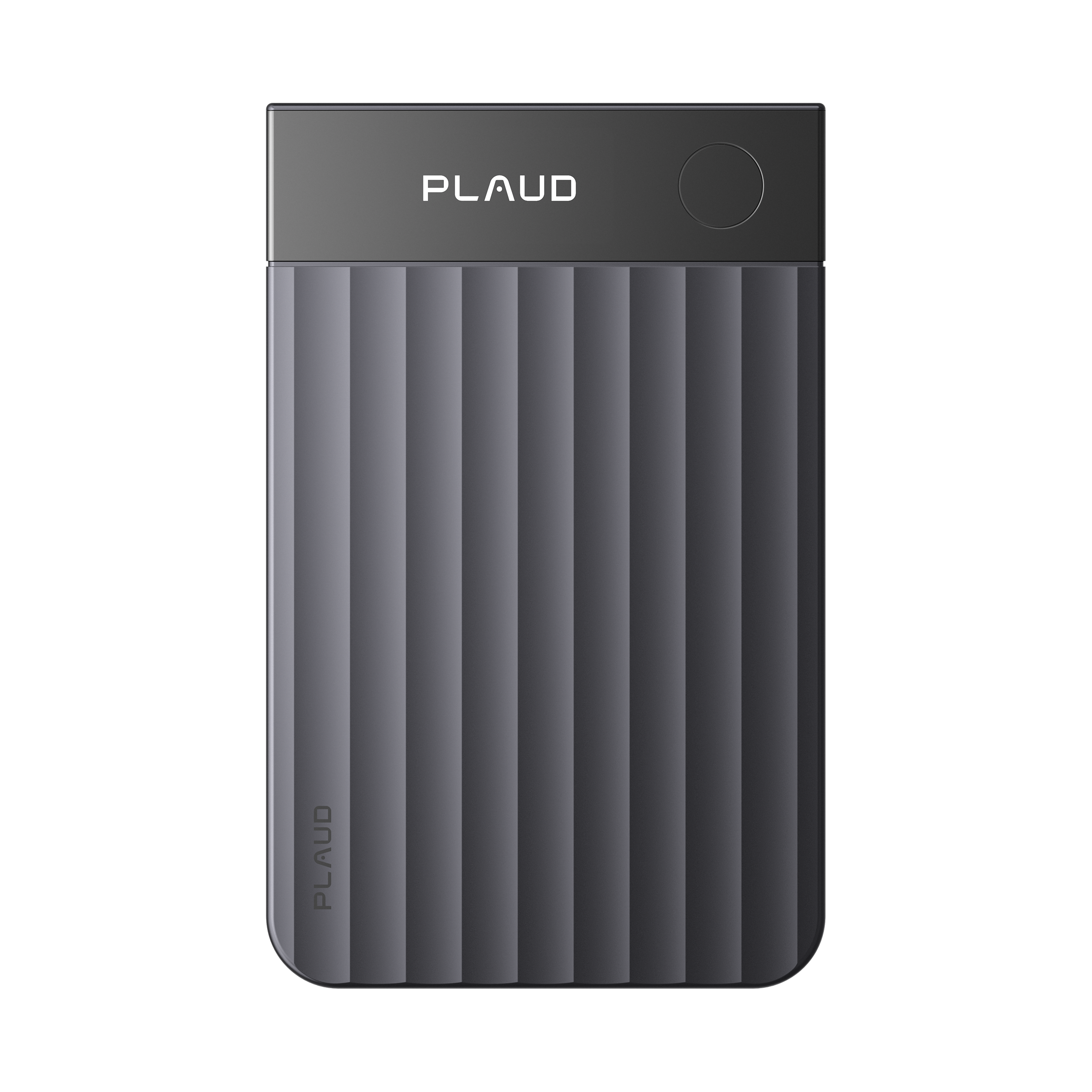
Overall, Plaud Note was our #1 pick of the year. It’s the most versatile recorder out there, and it’s perfect for capturing online meetings, in-person interactions, phone calls, and field recordings. It also comes with tons of AI productivity tools as part of its free plan, like automated transcription with speaker labels, summaries, and structured notes.
Ok, we might be slightly biased, but there’s a reason why over 1.5 million professionals use Plaud.
Still, Plaud Note isn’t the only mini voice recorder worth checking out in 2026. Other recorders may be a better pick for you depending on what and where you’re recording.
Keep reading for our full list of the best mini voice recorders of the year. We've also included a mini voice recorder buying guide at the end after our rankings. It’ll help you choose a device based on the features you need.
What Are The Best Small Recording Devices of 2026?
Based on our full weekend of research, personal testing methods, and industry knowledge, our top picks for the best mini voice recording devices of 2026 are:
- Plaud Note and NotePin: Best for business recordings, meetings, and AI-powered notes
- Zoom H5: Best digital audio recorder for content creators and high-quality field recording
- Sony ICD-TX660: Best voice recorder with noise cancellation
- Soundcore Work: Best for discreet recording on the go
- ZIPCIDE 64GB: Best budget entry-level recorder
- Tascam DR-07X: Best for musicians and filmmakers
- TileRec 2.0 (64GB): Best hidden voice recorder
Our Tiny Voice Recorders Top Picks
Now that AI is changing everything, there’s a lot more to consider when buying a mini voice recorder than ever before. We researched a bunch of them to bring you the best traditional and AI-powered options for a variety of use cases.
Plaud - Best for professional recordings, Meetings, and AI-powered notes

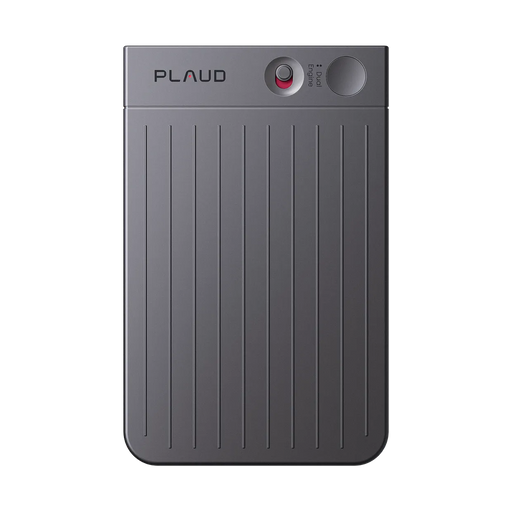
Plaud Note is a tiny voice recorder that uses AI to turn spoken words into searchable transcripts, notes, and summaries. Unlike most recorders, Plaud can record audio clearly in nearly any situation, including in-person conversations, online meetings, phone calls, and field recordings. 1.5 million professionals use it for its high transcription accuracy and strong data security. It also has a long battery life (60 days), which makes it ideal for people who need a reliable voice recorder.
We recommend it for businesspeople, sales professionals, medical staff, legal professionals, journalists, students, and anyone who needs to record frequently and turn their recordings into usable data.
Plaud Pros:
- Incredibly light and discreet (about 1 oz weight and 0.1 inch wide)
- Highly accurate AI-powered transcription in 112+ languages
- Organize notes, summaries, and action items with 10,000+ custom templates
- Up to 30 hours continuous recording (60 days standby) 64 GB storage (~480 hrs of audio sounds)
- Dual-mode recording (ambient + phone calls)
- Generous free plan includes all AI core features + transcription
- Wearable models available (Plaud NotePin and NotePin S)
- Strong data security and privacy (GDPR, SOC2, HIPAA, ISO 27001, ISO 27701, EN 18031)
- You can transfer files in the cloud or use a cable (just plug into a USB port)
Plaud Cons:
- Must sync to Plaud app to start AI transcription, summaries, etc.
- Only 300 minutes of transcription per month on free plan
Rather than just another recorder, Plaud is a complete productivity tool that fits in your pocket or clips to your shirt. It includes tons of AI features to automatically transcribe, summarize, and organize your recordings into structured data.
This can save you dozens of hours of work per month.
Imagine you have a client meeting with 4 people on a busy day. Instead of having to review your recording, take notes, and report to your colleagues at the end of the day, Plaud will give you a transcript with speaker labels, structured notes, and a list of action items. Aside from a brief accuracy check (Plaud gets it right about 98% of the time), your work is done.

Plaud also provides 10,000+ templates, allowing you to customize how you organize and display notes and summaries. Or, you can create your own to match your branding or compliance requirements. With Plaud, you can stop scribbling notes and poring over recordings and start using your data to get more done.
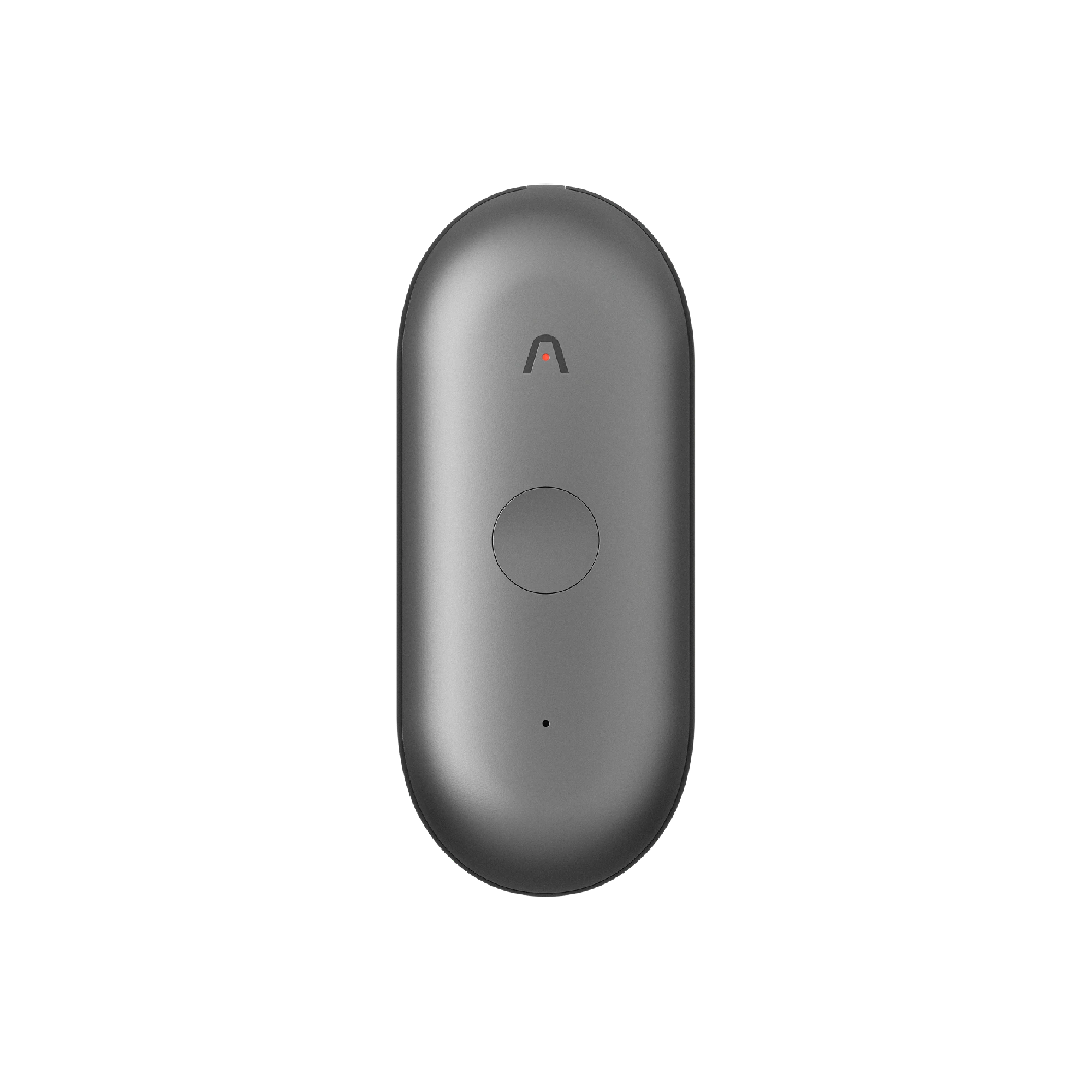
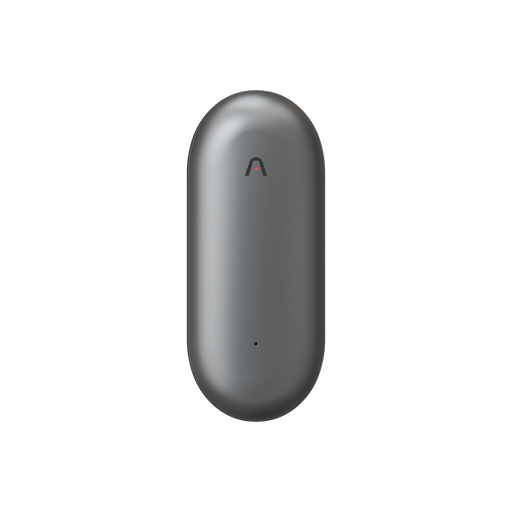
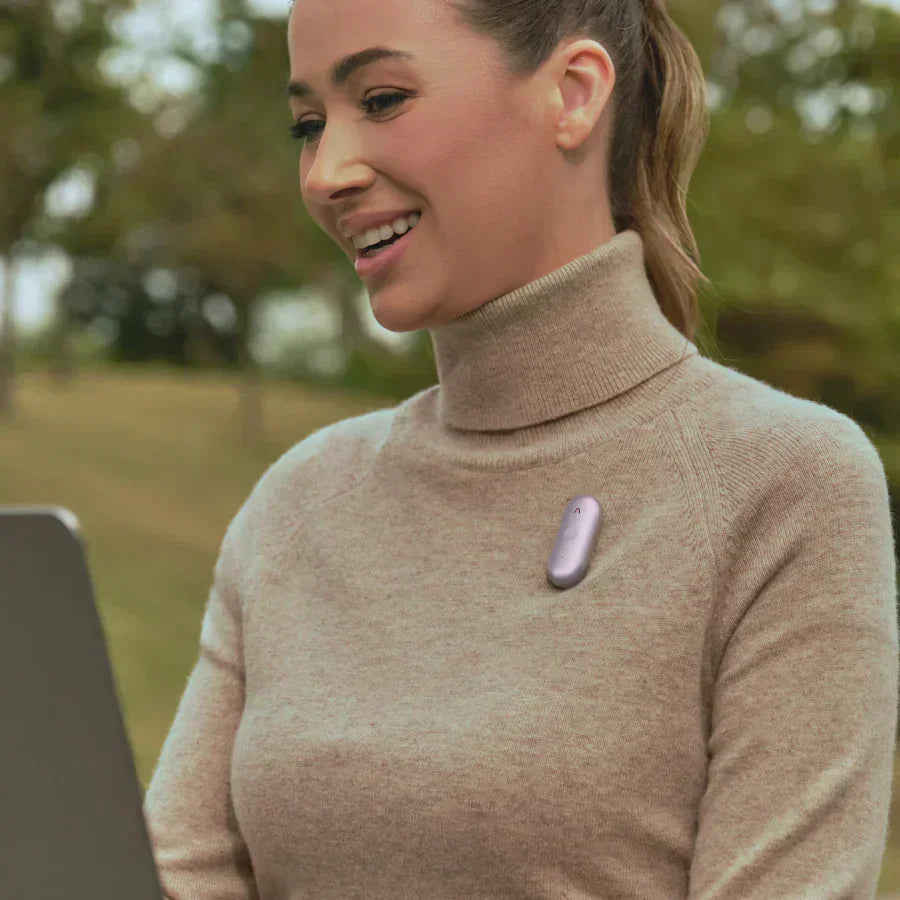
Tip: Plaud makes wearable versions like the Plaud NotePin and NotePin S, which pack all of Plaud’s AI capabilities in a clip-on form. They’re handy if you want an especially discreet recorder for hands-free capture on the go.
Zoom H5 - The Best Digital Audio Recorder for Content Creators and Field Recording

The Zoom H5 is a handheld digital audio recorder built for people who care more about sound quality than portability. It’s designed for creators who want clean, flexible recordings and are willing to trade size and simplicity for control.
If you plan to mix, edit, and adjust an audio track after recording, this is a good option. It’s ideal for content creators, musicians, podcasters, and filmmakers who want dependable, professional-grade audio.
Zoom H5 Pros:
- Overall, the best audio quality. You can record high-quality audio with its X/Y stereo microphones
- Record up to four tracks at 24-bit / 96kHz WAV for higher bit depth and the ability to capture multiple sounds at once
- Two XLR inputs with phantom power support pro mics, so you aren’t limited to built-in hardware
- Physical gain knobs and on-device controls make it easy to adjust levels during recording
-
Expandable SD/SDHC storage up to 32 GB Interchangeable microphone capsules let you swap mics without changing the recording device
Zoom H5 Cons:
- Much larger than true “mini” recorders
- No AI features (transcription, summaries, etc.)
- Steeper learning curve than one-button recorders
- Not discreet or pocket-friendly
The Zoom H5 earns its spot here because it focuses on recording high-quality audio above all else. The built-in X/Y microphones handle stereo recording well, while the dual XLR/TRS inputs let you connect lav mics, shotgun mics, or a mixer. Physical dials make it easy to adjust levels on the fly, which is important when you’re recording voices, instruments, or ambient sound in unpredictable environments.
If sound quality is your priority, go for the Zoom H5. But if you just need a voice recorder to record notes and meetings, it’s definitely overkill.
Zoom H5 also has a major learning curve, but that makes sense. It’s designed for audio professionals.
If you don’t commit to learning how to calibrate your recordings, you might end up with worse audio quality than an all-purpose recorder like Plaud. That’s because Zoom H5’s settings and mics need to be adjusted for the environment.
This is not a recorder you casually toss in your pocket for meetings. But if your priority is capturing clean, flexible audio for creative work, the Zoom H5 is a steal.
Further Reading: If you don't need a small recording device, perhaps you'd be interested in a normal-sized one? Or perhaps just some software instead?
Sony ICD-TX660 - The Best Voice Recorder with Noise Cancellation

The Sony ICD-TX660 is an ultra-slim digital voice recorder designed to capture clear speech in everyday environments. Its strength is built-in noise reduction and automatic voice-focused recording, so it’s a good choice for recording conversations, lectures, meetings, and interactions where clarity matters more than features.
It’s a solid recorder, but be aware that it focuses on in-person recording. It can’t record phone calls unless you use speakerphone, and it lacks AI productivity features like transcription, summaries, and speaker labels (Plaud has all of these…we aren’t biased though!).
It’s ideal for students who attend mostly in-person lectures and journalists who work in the field. You can get amazingly clear audio anywhere from outdoor venues to a large lecture hall. We don’t recommend it for people who need to record a mix of in-person, online, and phone conversations.
Sony ICD-TX660 Pros:
- Built-in noise cut and auto voice recording reduce background noise and prioritize speech
- Extremely slim and lightweight design
- 16 GB internal storage
- One-button recording USB-C connectivity for simple file transfers
Sony ICD-TX660 Cons:
- No AI transcription, summaries, or cloud sync
- Limited audio controls
- Not ideal for group conversations, phone call recording, or distant speakers
The Sony ICD-TX660 is a simple mini voice recorder that does its job well. It doesn’t try to compete with AI-powered recorders like Plaud, and that’s ok. You press record, and it does a solid job of filtering out low-level noise while keeping voices intelligible.
Playback controls make it easy to jump through long recordings, which you’ll love if you’re reviewing lectures or interviews later.
If you want something that’s thin, discreet, and focused purely on capturing clear (mostly in-person) speech without extra software or subscriptions, the ICD-TX660 makes sense. If you record a lot of audio and don’t want to have to relisten or transcribe manually, Plaud Note is a better choice.
Soundcore Work - Best for Discreet Recording on the Go

Soundcore Work is a compact, wearable voice recorder with built-in transcription features. It’s perfect for people who want something smaller and less formal than a business recorder but still want basic AI summaries.
It’s fine for personal notes, quick conversations, or casual meetings, but it’s so small that you may run into quality issues. So, we don’t recommend it for any important recordings.
Soundcore Work Pros:
- One of the smallest wearable voice recorders, about the size of a coin
- AI transcription and summaries save time when reviewing notes later.
- Charging case extends total battery life
- Simple tap controls let you start recording, stop, and mark moments without your phone
Soundcore Work Cons:
- Audio quality drops in larger rooms or multi-speaker settings
- Heavier than Plaud Note and NotePin
- Limited to GPT
- Transcription limited unless you upgrade
The reason Soundcore Work made this list is for its size. It’s as discreet as discreet gets.
It doesn’t look like a recording device at all. We were truly fooled.
It also comes with some AI features like transcription and speaker identification. However, it doesn’t have as many AI features as Plaud, and it locks some of them behind a paywall. Plaud provides all AI features to users as part of its free plan.
If discretion is the most important thing for you, then Soundcore Work was built for you.
Just keep in mind that it’s intended for personal note-taking and everyday recording, not surveillance or spying. We do not condone illegal recording. You are responsible for understanding and following the laws in your jurisdiction before recording any conversation.
ZIPCIDE - The Best Budget Mini Voice Recorder

The ZIPCIDE 128GB voice recorder is a low-cost, pocket-sized device built for simple audio capture. For such a small device, there's a lot to like about it.
It has lots of on-device storage, long recording time, and one-button operation. It doesn’t get much easier or cheaper than this. However, don’t expect AI features or especially high-quality audio.
This is a decent starter recorder at a super low price. It’s perfect for someone recording in the field for a long time (you can store 1000s of hours of audio on the device). Other than that, you may want to upgrade soon, especially if you record frequently.
ZIPCIDE Pros:
- 128 GB internal storage holds 9000+ hours of recording files
- Voice-activated recording saves battery Long recording time (30 hours continuous)
- USB-C file transfer plugs directly into a computer to upload recordings
- Simple controls make it easy to use right out of the box
- Very affordable
ZIPCIDE Cons:
- No AI transcription, summaries, or app support
- Audio quality is basic, especially at a distance
- No cloud backup or file organization tools
- Build quality feels entry-level
ZIPCIDE works. That’s about the best we can say about it, but it’s more than we can say about many other recorders of this size and price. When you get down to this price level, you can’t really complain.
You press record, it captures audio, and you transfer files when you’re done. It has an impressive battery life, supporting 30 hours of recording and 20 for playback. And, at less than 1.5 oz, it’s truly mini. It even comes with basic noise cancelling. Not bad for just over $20.
ZIPCIDE’s microphones deliver reliable HD audio for close-range recording, but this isn’t a device for group conversations or noisy environments. There’s also no help after the recording ends. You must manage files manually, name them yourself, and listen back in real time.
If you’re looking for a starter recorder and all you have is the change from your sofa cushions, buy ZIPCIDE. If you’re looking for a professional mini audio recorder, you’re better off with Plaud.
Bonus: ZIPCIDE doubles as an MP3 player (does anyone use those anymore…?)
Tascam DR-07X - Best for Musicians and Filmmakers

The Tascam DR-07X is a handheld digital recorder built for people who want more control over their sound, both before and after recording. Like the Zoom H5, this mini recorder prioritizes high-quality audio capture, manual settings, and reliability over practicality. That means it’s tougher to use, but if you need to mix and edit your recordings, you’ll have a lot more flexibility.
This recorder is made for musicians, filmmakers, and creators who really care about having the best audio possible. For example, a filmmaker recording dialogue and ambient sound on location can adjust mic patterns and levels to suit each scene. You can’t do that with simpler audio recorders made for capturing meetings and interviews.
Tascam DR-07X Pros:
- Stereo microphones let you switch between A/B and X/Y patterns for music, dialogue, or ambient sound
- High-resolution recording (24-bit / 96kHz WAV) captures detailed audio that holds up in post production
- Manual level controls and low-cut filter give you control over input levels and reduce low-frequency noise
- Long battery life (17.5 hours)
- Built-in screen for simple user interface and audio visualization
Tascam DR-07X Cons:
- Larger and bulkier than most mini recorders
- Requires AA batteries (no rechargeable battery)
- No AI transcription, summaries, or app-based features
- Learning curve for users new to audio recording
The Tascam DR-07X is made for a different type of recording than business or note-taking. It’s meant for creative recording sessions (especially music recording) that require more setup. The adjustable microphones and manual controls let you shape sound before it hits your computer, which saves time later.
For the price and size, it produces excellent audio quality…if you learn how to use it properly. And while it may not be as mini or discreet as some other recorders on this list, it packs a lot of power into a small package.
Battery life is another plus for long days on set or outdoor shoots. We don’t love that it only takes AA batteries. This certainly balloons the costs over time. But you can connect to a power source via USB cable if you run out of AAs.
If you often record live music or film on location, the Tascam DR-07X is a must. But for business purposes and everyday recording, it’s too complex.
TileRec 2.0 (64GB) - The Best Hidden Voice Recorder

The TileRec 2.0 is a slim, voice-activated recorder built for discreet placement. If you need continuous, hands-free recording, it’s for you. It’s also great for recording situations when you are not present. It’s not built to deliver convenience features or audio polish.
And just so we are clear on this...
TileRec 2.0 is for licensed private investigators, journalists, or users in one-party consent jurisdictions who need discreet recording. It is not intended for illegal surveillance and recording. Remember that recording someone without their consent is illegal in many states and situations.
Must Read: Please read our guide on recording laws in each state. You are solely responsible for understanding the law, and ignorance is not an acceptable defense.
TileRec 2.0 Pros:
- Ultra-slim, discreet design that stays hidden in a car, bag, drawer, or jacket pocket
- Voice activated recording automatically starts when sound is detected
- 30 hours of recording per charge 64 GB internal storage holds a large amount of audio without file management or memory cards
- Headphone playback support for reviewing recordings directly from the device
- USB-C file transfer for fast plug-and-play access on a computer
TileRec 2.0 Cons:
- No AI transcription or summaries
- Audio quality is not amazing
- No app, cloud storage, or file organization tools
- Very limited controls and settings
- May cause legal issues if you record without consent
TileRec 2.0 is marketed as the world’s thinnest voice recorder, so we had to include it on this list. You can’t really have a “mini” recorder list without the “miniest” of all devices.
But its real appeal is for 100% discreet recording. It’s so small that it can be hidden easily or left out in the open without attracting attention.
Voice activation features keep the recorder hidden and save battery life. The recorder stays idle until sound is detected, then starts recording automatically. That makes it useful for long stretches of monitoring without filling storage with silence.
This makes it great for private investigating and personal or home security, but as soon as you record someone without their consent, you may be committing a crime (depending on the situation and jurisdiction). It’s 100% on the user to use TileRec 2.0 legally, and we do not condone any type of illegal recording.
It’s also worth noting that TileRec 2.0 is not a general-purpose recorder or a productivity tool. There are no high-end features, like AI summaries, and no safety nets if you misuse it.
Mini Voice Recorder Buying Guide
We considered a lot of factors when choosing our top mini voice recorders. We’ll break down the key features we looked at in this buying guide to help you choose the right product.
Use Case
This is priority #1. Start with what you’re actually trying to record. Each of these devices works best in different situations.
Music and film work need clean stereo sound, multi-track recording, and manual controls, which is why devices like the Zoom H5 or Tascam DR-07X make sense there.
Interviews and lectures benefit from voice-focused recording and noise reduction. The Sony ICD-TX660 and Plaud Note are good choices here, or the ZIPCIDE if you’re short on cash.
Business use is a completely different animal altogether.
Recording meetings, calls, and client conversations is only useful if you can turn them into actionable data. And ideally, you’d want to spend minutes doing this, as opposed to hours. That’s what Plaud is for. It uses AI to turn recordings into transcripts, summaries, and action items you can actually use without replaying audio or scribbling notes during meetings.
Hardware
Next, you should consider hardware.
Look at the build quality first. Metal or reinforced plastic holds up better than thin shells if you’re going to carry your recorder daily. The Plaud Note and Sony ICD-TX660 have metal bodies and are prepared to handle everyday wear and tear.
Microphone specs are always a better indicator of quality than claims of “amazing super-clear audio.” Check for pro-level mics like MEMS mics, VPU sensors for call recording, and stereo mics for natural-sounding audio.
One more thing that we recommend you research first is battery life. You’d be surprised at how important it is.
A recorder that dies halfway through a meeting is basically useless, and you don’t want to have to charge your recorder daily just to record a meeting or two. If you record often, long standby time is just as important as recording hours.
Portability
Portability is about size, weight, and ease of use in a variety of situations. It’s important, but it depends on how you intend to use your recording device.
Handheld devices with some weight (like the Tascam and Zoom recorders) feel stable but are neither discreet nor easy to use hands-free.
Ultra-light recorders are truly portable, but be careful, as they are also easy to lose.
Wearables are some of the best choices for portability. They can clip to your clothes or lanyard like a lavalier mic, and you’ll always have them when you need them. Plaud NotePin and Soundcore Work are top wearable options.
Audio quality
Audio quality is extremely important, but it also depends on what your use case is. For example, if you're recording music, you need A+ quality. If you're recording conversations for daily notes, it's not nearly as important. Make sense?
In the end, audio depends on distance, environment, and microphones.
Built-in microphones on small recorders usually work best within about 5 meters (15 feet). In our experience, any more than that and the audio starts to suffer.
Multiple speakers and field recording can also muffle audio. If you’re noticing that problem, we recommend getting something with noise-canceling features to help limit this.
For practical recording and taking notes, we recommend a simple recorder like Plaud that has two mics, noise canceling, and automatic sound calibration. For superior audio, choose a higher-level device like Zoom H5 or Tascam DR-07X. You’ll need to manage their settings, but you can record higher-quality audio in more situations.
AI Features
AI features help you actually use the information you record (and save you from spending hours relistening or transcribing).
AI transcription turns audio into searchable text. And advanced AI devices like Plaud include speaker labels and timestamps to make transcripts easy to read.
If you use a voice recorder for your job, you’ll also love AI Summaries. They save time (and improve productivity) when reviewing long meetings, and structured notes make all your recordings shareable and reviewable, even for those who weren’t present.
Without these advanced features, you’re stuck scrubbing audio manually, which is unbelievably tedious.
The tools on this list with AI features include Plaud Note, Plaud NotePin, and Soundcore Work. Only Plaud gives you access to all of its AI features on its free plan.
Memory
Consider both on-device storage and cloud storage, depending on the recorder you choose.
Large internal memory is helpful if you don’t want to manage micro SD cards. But on-device storage can be a nightmare to organize. Modern recording devices allow you to upload files to cloud storage, where you can view and organize them easily.
For example, Plaud’s app keeps all your transcripts and audio files accessible long-term in its unlimited cloud storage. You can search them anytime on the Plaud app to find key points from past meetings and conversations.
If you record often, think beyond gigabytes. Think about how you’ll locate your recordings six months from now.
Playback/editing
Skipping silent parts, jumping forward, and speed control save time when reviewing long recordings. Many recorders have playback settings to help you skip to the important stuff. The Sony ICD-TX660 is one of these.
Luckily, with devices like Plaud, you don’t have to worry about searching through playback, as all your recordings are searchable using text on the app.
Editing is where simple recorders fall short. Once you record something, you can’t typically change it without uploading it to a sound editing tool.
However, apps like Plaud AI will allow you to edit transcripts, speaker labels, summaries, and more. This helps improve accuracy, but it’s also useful for adding additional notes, updating tasks over time, and adding visuals to your notes.
Verdict: The Best Mini Recorders of 2026
After comparing our top digital recording devices side by side, Plaud Note and the wearable Plaud NotePin stand out as the best mini voice recorders of 2026 (surprise!).
Ok, we’re a tiny bit biased.
But for practical voice recording for meetings, interviews, journalism, medical dictation, lecture recording, and research, no other device matches Plaud’s versatility and features.
Plaud can record anything you need, including online meetings, phone calls, in-person conversations, and field recordings. But more importantly, it’s built for what happens after you stop recording.
Transcription, summaries, speaker labels, searchable notes, and unlimited cloud storage all come standard, along with 300 minutes of transcription per month, for free, for life. All you have to do is buy Plaud, and you get it all. And if you need more minutes, you can upgrade to a paid plan. .
Is Plaud ideal for all types of recording? No.
If your priority is raw sound quality for music, YouTube, podcasts, or film, Plaud isn’t the right tool. In that case, devices like the Tascam DR-07X or Zoom H5 make more sense. They offer more control, better stereo capture, and cleaner audio for creative work, but they stop at recording.
If you want a recorder that helps you do more with what you capture, Plaud Note and the wearable Plaud NotePin are the best mini voice recorder picks this year.