For the past few years, the story of AI at work has been a story about whether. Whether it works. Whether it's trustworthy. Whether it belongs in professional life at all.
Our new research suggests that question is largely settled. In a May 2026 survey of 800 U.S. knowledge workers with hands-on AI experience, a clear majority report real productivity gains, growing optimism, and a readiness for what comes next. The debate has quietly shifted from whether to work with AI to how well it actually works — and that's a much higher bar.
Here are the findings that stood out, and what we think they mean for the years ahead.
Productivity is real — but it isn't the whole story
 The headline number is decisive: 85.7% of respondents report improved output since adopting AI tools, and nearly half describe the gain as significant. Only 4.4% report any net negative effect. Across age groups and income levels, the productivity dividend is remarkably consistent.
But there's a second number that complicates the picture. While 60.5% report a lower mental load thanks to AI, that lags productivity gains by roughly 25 points. And nearly one in four — 23.2% — say they now spend more time checking, prompting, and verifying AI output than the tools save them.
In other words, AI has delivered on productivity better than it has delivered on simplicity. For a meaningful minority, the gain comes with a new kind of overhead: supervising AI rather than simply using it. That gap — between doing more and feeling lighter — is one of the most interesting spaces in the entire category right now, and it's largely unclaimed.
Sentiment has moved decisively positive — led by experience, not hype
Among people who have actually used AI at work, the mood has turned. 78.7% feel more positive about AI than they did a year ago, and only 6.5% feel more negative.
What's driving the shift matters as much as the shift itself. The number-one factor isn't headlines or hype — it's firsthand experience (51.1%), outpacing high-profile news (34.2%) and watching colleagues (25.9%) combined. When asked about the future, 84.9% describe themselves as excited or cautiously optimistic about AI at work.
The takeaway: this is a workforce forming its views by using the tools, not by reading about them. Optimism here is earned, not borrowed — which makes it more durable, and harder to win with marketing alone.
AI agents have gone mainstream
The concept of AI "agents" — software that completes tasks autonomously — has moved from niche to normal. 86.6% of respondents are familiar with agents, and 84.1% are open to delegating tasks to them. Just 1.0% are not open at all.
What would they hand over first? The list is led by the connective tissue of professional life: summarizing meetings and generating action items (60.0%), scheduling (59.5%), and drafting routine emails (55.1%). Where hesitation exists, it clusters around trust — privacy and data security top the list of concerns, followed by accuracy and a fear of losing visibility or control.
The signal on AI hardware is strong
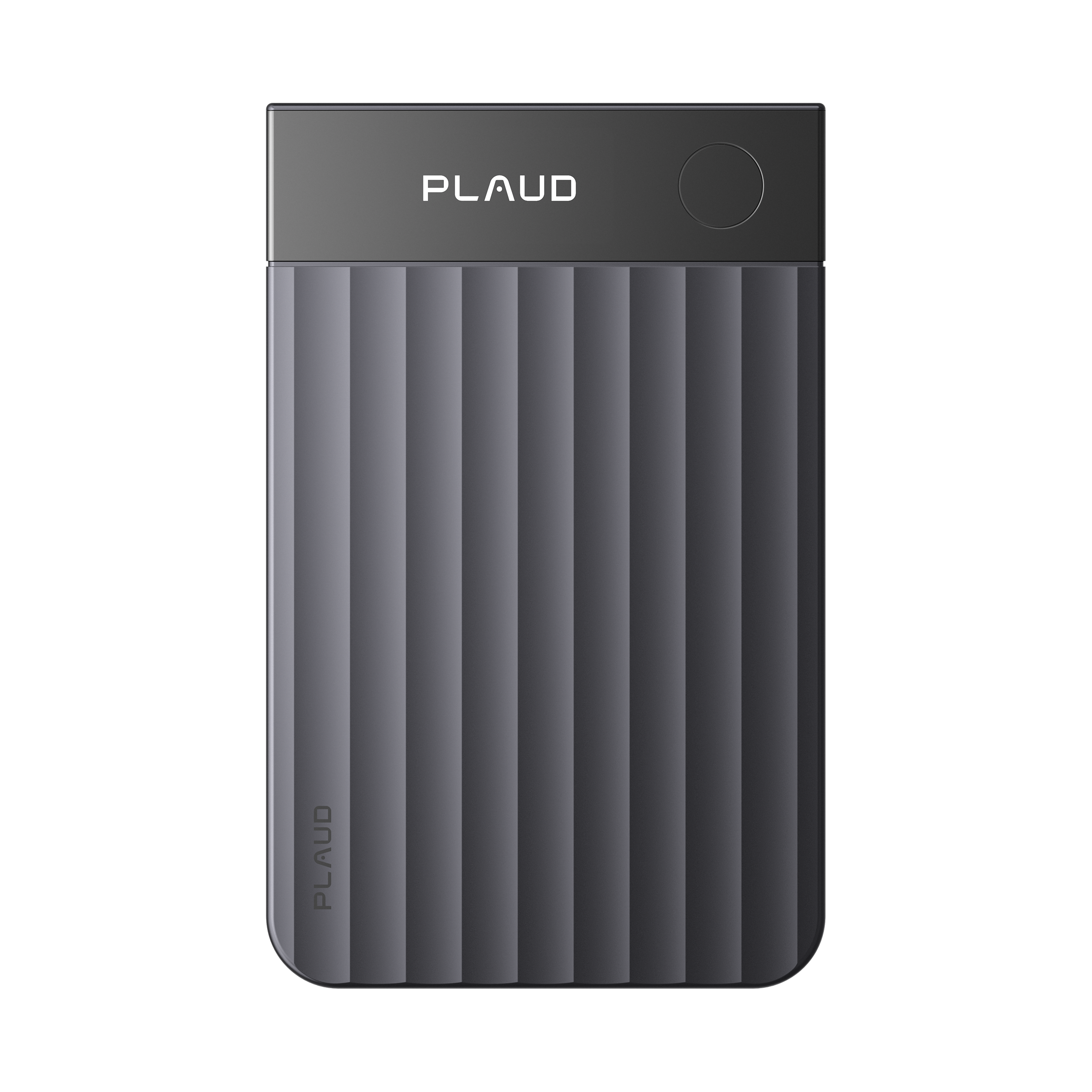
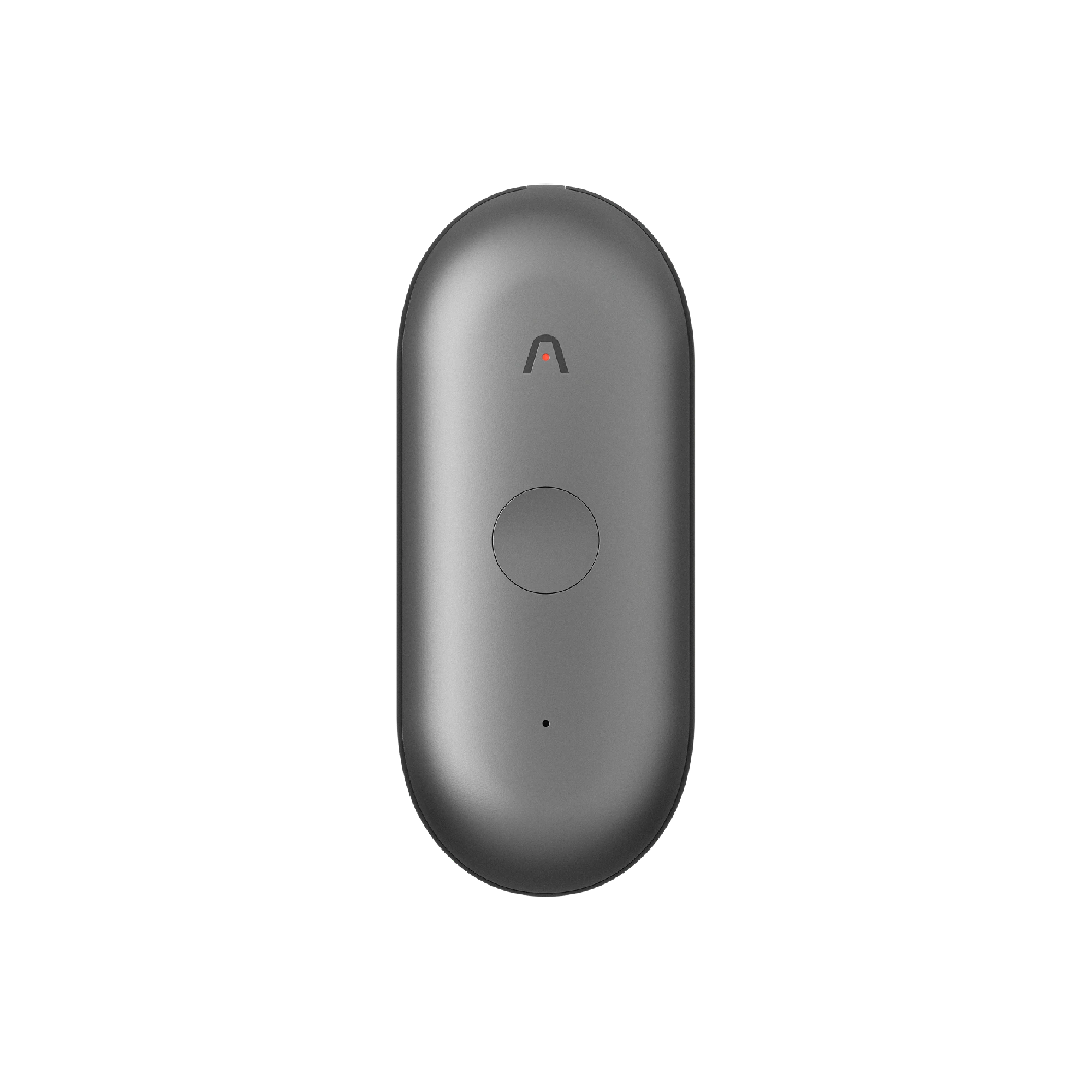
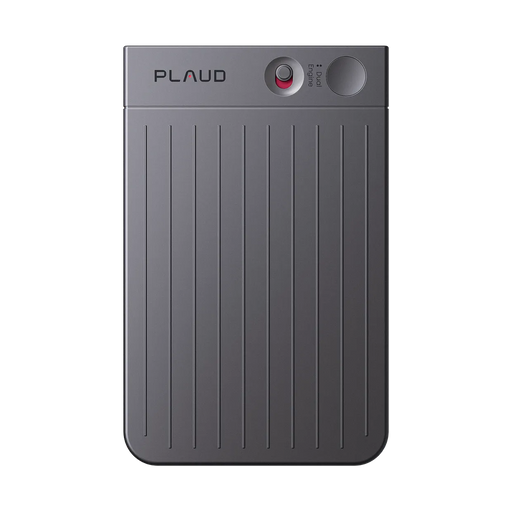
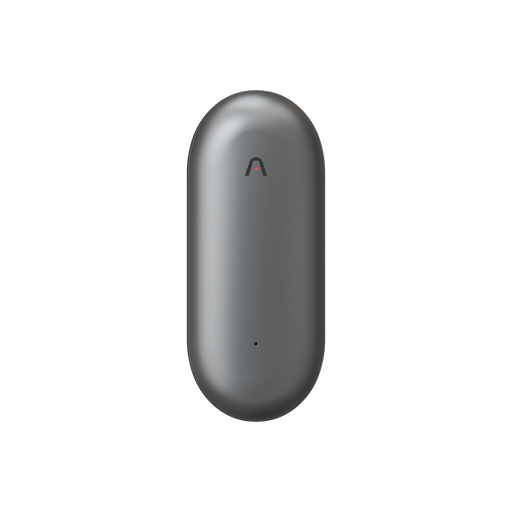
 Perhaps the clearest forward-looking finding: 83.5% of respondents are open to a dedicated AI hardware device — a wearable built to capture and summarize workplace conversations. Half (51.0%) are actively using or looking for one; only 3.1% are closed to the idea entirely.
Openness is highest among knowledge workers in their prime — those under 30 through their late forties show combined openness near or above 83%, tapering in older cohorts. But the more instructive detail is what would drive adoption. Respondents point to high-quality, structured output (34.8%) and strong privacy and security guarantees (32.1%) as the top two factors. Price ranks last.
That ordering is a signal worth sitting with. It suggests the category won't be won on cost or novelty. It will be won on whether a device produces genuinely useful output and can be trusted with sensitive conversations.
An unexpected finding: the confidence gap
One result we didn't anticipate: across every dimension we measured — productivity gains, agent openness, hardware openness, and sentiment — women were consistently less likely to hold committed positive positions than men, by roughly ten points each.

Importantly, this isn't resistance. Women in the sample were not more negative; the gap lived almost entirely in the neutral, still-deciding buckets. Majorities of women were positive across every measure.
We won't over-interpret the "why" — the data raises the question more than it answers it. One possibility worth exploring further: a cohort that responds less to the language of excitement and disruption dominating much of AI marketing today may simply be having a different conversation — one built on demonstrated outcomes, privacy, and genuine usefulness rather than possibility and momentum. That's not a harder audience to reach. It's a different one. We think it deserves real study, and we'll be looking into it.
Where this leaves us
Taken together, the study describes a workforce that has already crossed a threshold. Among people who have used AI at work, being "AI-powered" is no longer a differentiator — it's the baseline. This cohort is more fluent by the day, has clearer preferences, and holds higher expectations than early adopters did. They know what quality looks like, and they can tell when it's missing.
The gap between productivity and mental relief, the earned optimism, the mainstreaming of agents, and the pull toward trustworthy hardware all point in the same direction. The future of AI at work belongs to tools that are genuinely useful, demonstrably trustworthy, and built around real outcomes — tools that reduce the weight of work rather than adding to it.
The demand is present. The bar is higher. That's exactly the kind of challenge worth building for.
Want the full picture? Read the complete 2026 AI at Work: Sentiment & Hardware Study — including detailed breakdowns by age, income, and gender — here: [Plaud Research] The findings above come from the 2026 AI at Work: Sentiment & Hardware Study, owned research published by Plaud. The survey was fielded via Suzy, an independent research platform, among 800 U.S.-based knowledge workers between May 6 and May 10, 2026. Respondents were full-time employees or business owners who attend five or more meetings per week and have used AI at work. Findings may be cited with attribution to Plaud.