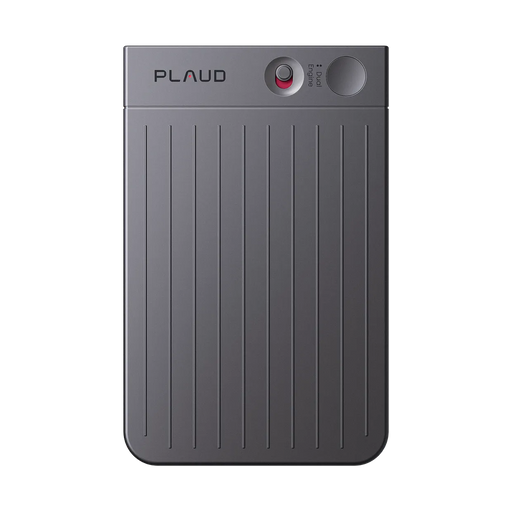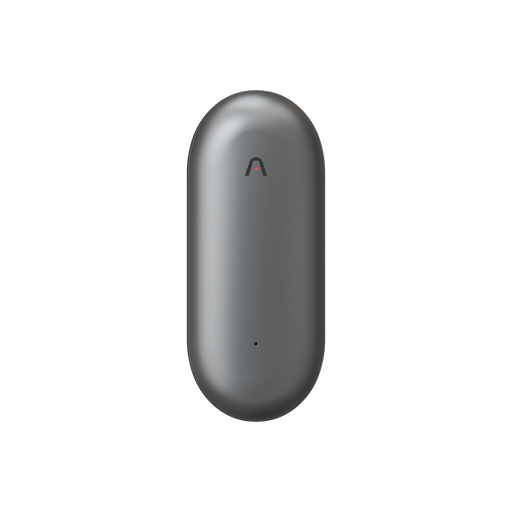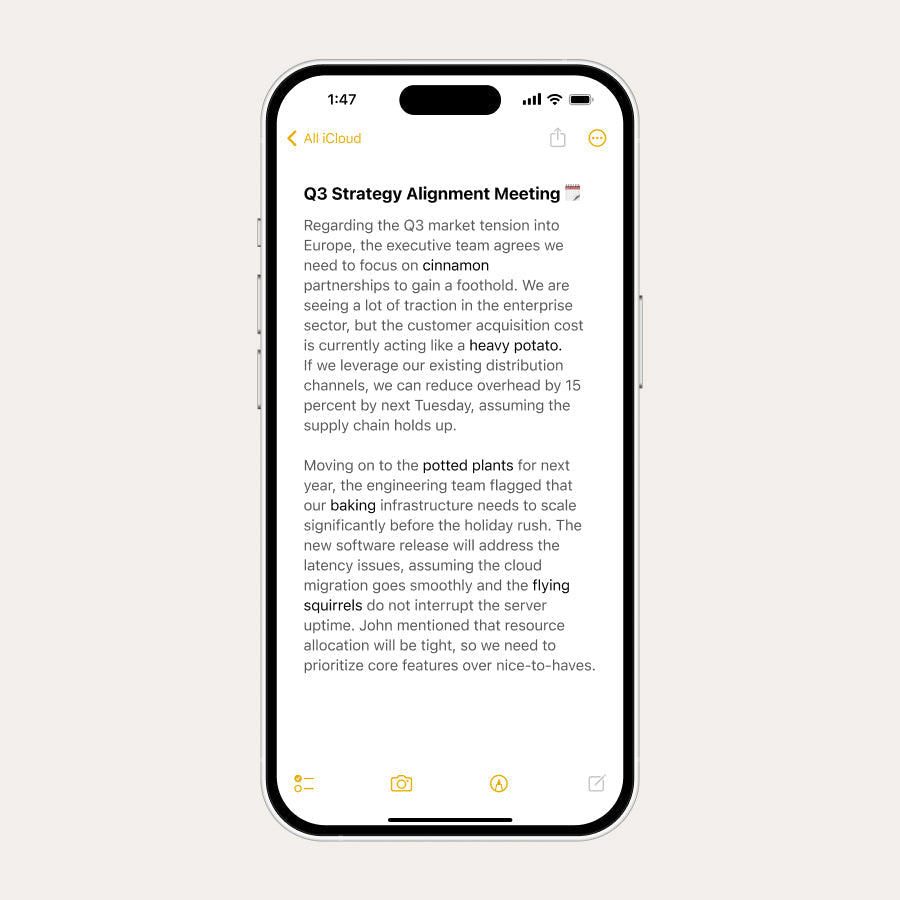

Ever recorded a meeting on your phone and got back a transcript full of errors? You're not alone. Meetings are one of the hardest environments to capture speech in. Multiple people talking, background noise, someone across the room, someone cutting in. All of it makes it harder for any device to capture what's actually being said.
Better AI Can't Fix Bad Audio

Many apps try to solve this with smarter AI. But no transcription model can recover words that were never clearly captured. If the audio going in is poor, the transcript coming out will be too.
Plaud Fixes the Problem at the Source
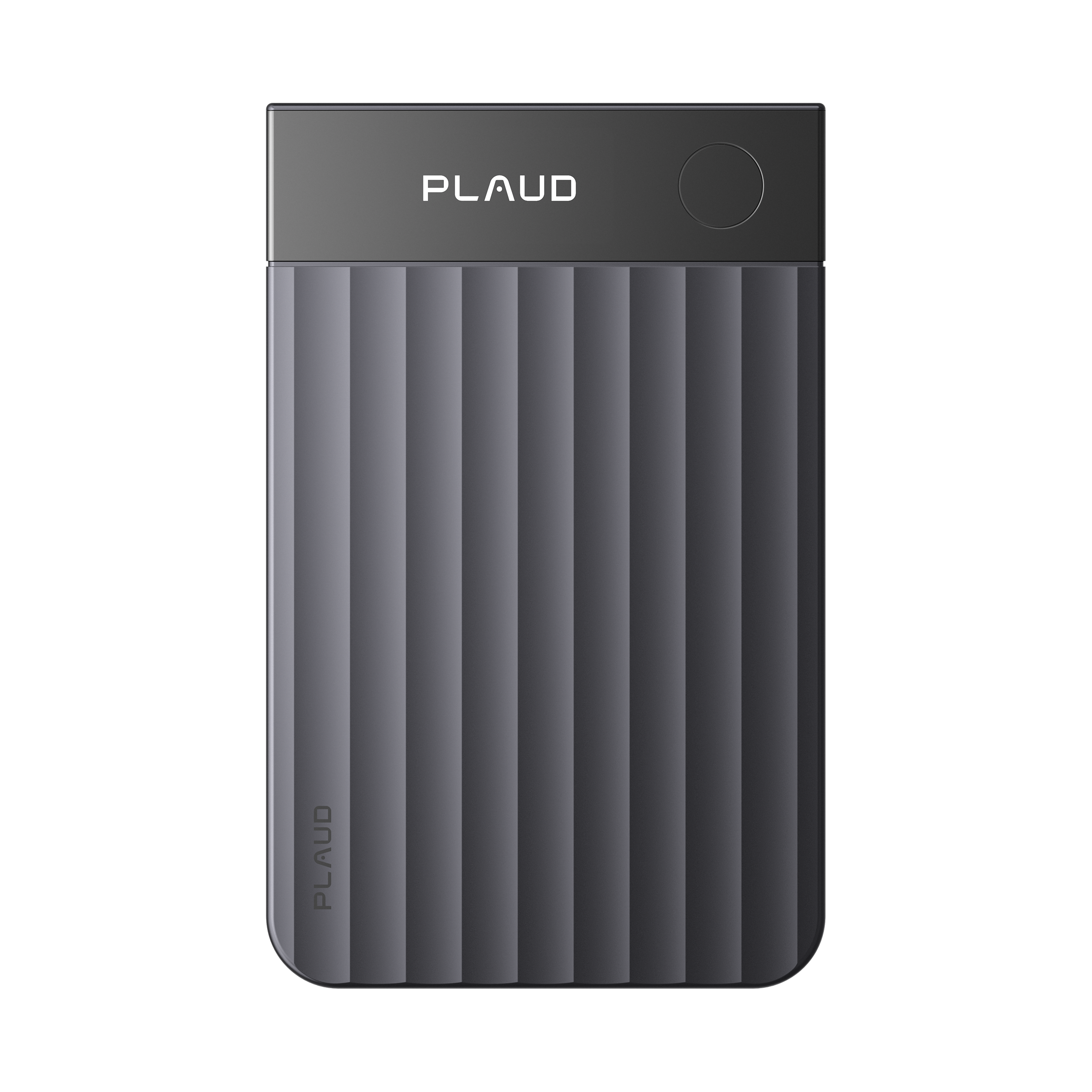
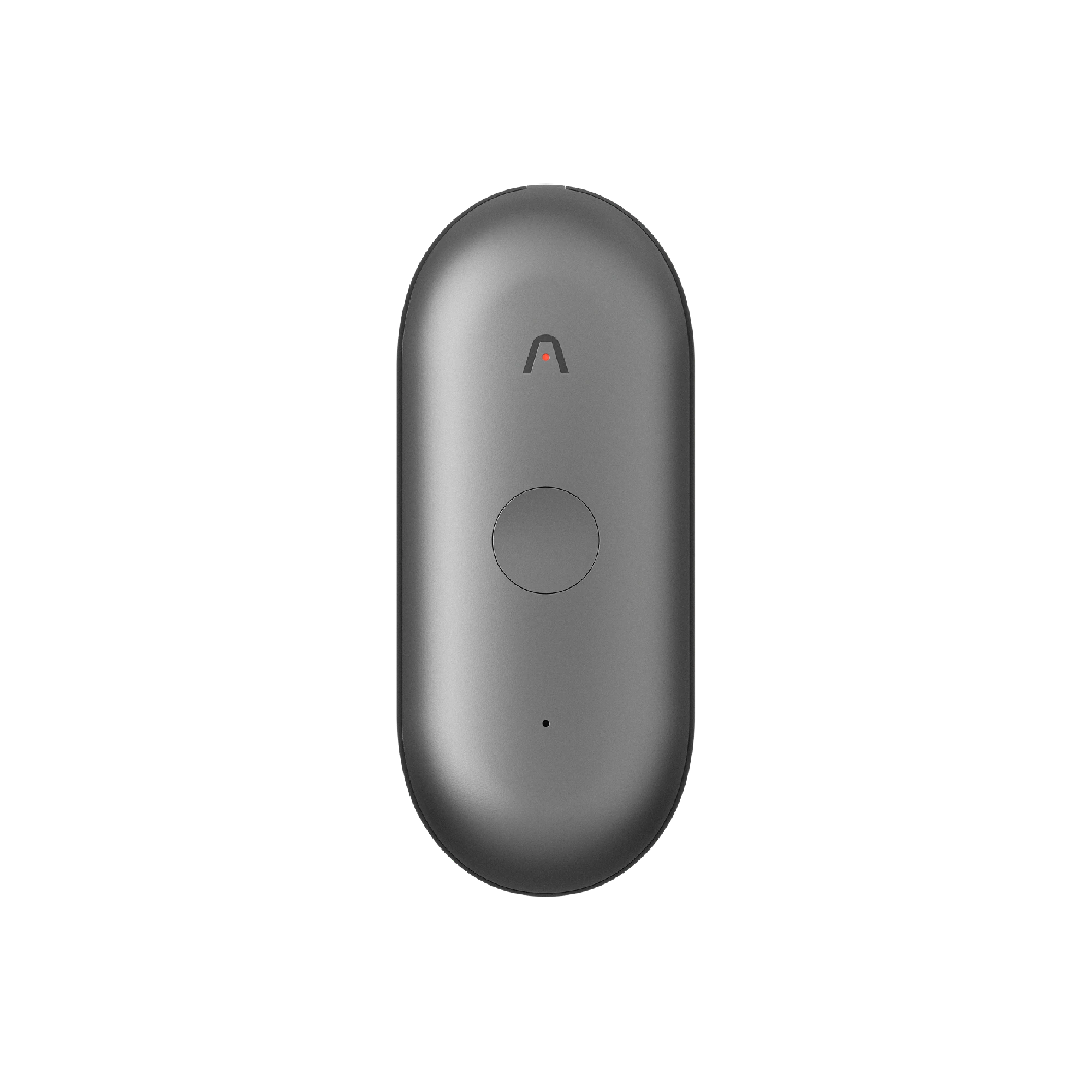
Plaud treats recording and transcription as one connected system, not two separate steps.

| Processing Location | Key Modules | Primary Function |
|---|---|---|
| Edge Device |
• Microphone array |
Enhances speech signals, creates spatial filters, and extracts angular metadata in real time |
| Cloud Backend |
• Voice Activity Detection (VAD) |
Uses edge metadata to attribute speakers correctly and decodes the enhanced audio into text |
Because the device tracks the physical direction of each voice and passes that to the cloud, Plaud can tell speakers apart even when they talk over each other. That's something a smartphone recording on its own simply can't do.
Disclaimer: The descriptions of smartphone audio processing and AI transcription limitations are generalized for illustrative purposes; individual smartphone performance may vary by make, model, and software version. Plaud’s Edge-Cloud Co-Design, including Direction-of-Arrival (DOA) metadata and speaker diarization, is designed to significantly improve speaker attribution, including instances of overlapping speech. However, absolute accuracy in speaker separation cannot be guaranteed in all environments. Performance is subject to factors such as room acoustics, the number of simultaneous speakers, speaker volume, and network connectivity for cloud processing.