
Voice journaling means recording yourself talking through your day instead of writing it down. You open a recorder, speak for a few minutes about what happened or how you feel, and the audio (or a transcript of it) becomes your entry. No pen, no blank page, no typing on a phone keyboard at midnight.
The appeal is speed. Most people speak around 130 words a minute and type closer to 40. A thought that would take five minutes to write out can be said in one. For anyone who has started a written journal and quit within a week, talking instead of writing removes the part that usually kills the habit: staring at an empty page and not knowing where to start.
What the research says about talking through your day
Written journaling has a long research record. Psychologist James Pennebaker's work on expressive writing found that describing emotional experiences in writing helps people process them, and later reviews connect regular journaling to better mood, lower stress, and stronger emotional awareness, according to a research roundup from the Child Mind Institute.
Voice-based reflection is a newer research area, but early findings point the same direction. A clinical trial protocol on vocal biomarkers for depression and anxiety lists reduced anxiety and reduced stress as expected indirect benefits of voice journaling for participants. A separate cohort study published in JMIR examined a voice journaling app that tracks vocal patterns over time and found it held user engagement well enough to support ongoing mental wellbeing tracking.
None of this makes voice journaling a substitute for therapy. What the research does support is more modest and still useful: regularly putting a difficult day into words, spoken or written, tends to help people organize their thoughts and feel less overwhelmed by them. Speaking may simply be the version of that practice more people stick with, since it asks less effort to begin.
How to start a voice journaling habit
You do not need a plan, a script, or a special app to start. You need two minutes and somewhere to record.
- Pick one moment you already have. The drive home, a walk, the few minutes before bed. Attach the habit to something that already happens daily instead of trying to create a new slot in your schedule.
- Talk for two minutes, not twenty. A short daily entry beats a long one you only manage once a month. Consistency is what the research above is measuring.
- Say what happened, then how it felt. A simple structure removes the "what do I even say" hesitation. Facts first, reaction second.
- Skip the editing instinct. There is no wrong way to say a sentence out loud. Rambling, restarting, going quiet mid-thought, all of that is normal and none of it needs fixing.
- Come back to old entries occasionally. The value of a journal is not just in making the entry. Listening back (or rereading a transcript) after a few weeks is often where the patterns show up.
If you want a prompt to start with tonight: describe one thing that went well, one thing that did not, and one thing you are thinking about tomorrow. That is a complete entry.
Voice-to-text or just audio, and what to look for in a tool
There are two different things people mean by "voice journaling app," and they solve different problems.
Audio-only tools just record and store the file. They are simple and private, but a 20-minute recording from three months ago is close to unsearchable. You would have to listen to the whole thing to find anything in it.
Voice-to-text tools transcribe the recording automatically, so the entry becomes searchable text you can scan, tag, or revisit without replaying the audio. For anyone who wants to look back over months of entries and find something specific, transcription is the difference between a journal and a pile of audio files.
A few things worth checking before settling on a tool:
- Transcription accuracy and speed. Look for automatic transcription rather than a manual upload-and-wait process.
- Privacy practices. Where recordings and transcripts are stored, whether they are encrypted, and whether anything is used to train other systems.
- Low-effort capture. The method you will use daily is the one that is one motion away, not buried behind an app launch and a login screen.
- Export and ownership. If you switch tools later, can you take your entries with you in a plain format, or are they locked in?
This is also where the method of capture matters as much as the software. A phone-based voice memo app works, but it means unlocking the phone, finding the app, and remembering to hit record before the moment passes. For people who journal on a walk, in the car, or right before falling asleep, those extra steps are often enough to skip the entry.

A hands-free way to journal without opening an app first
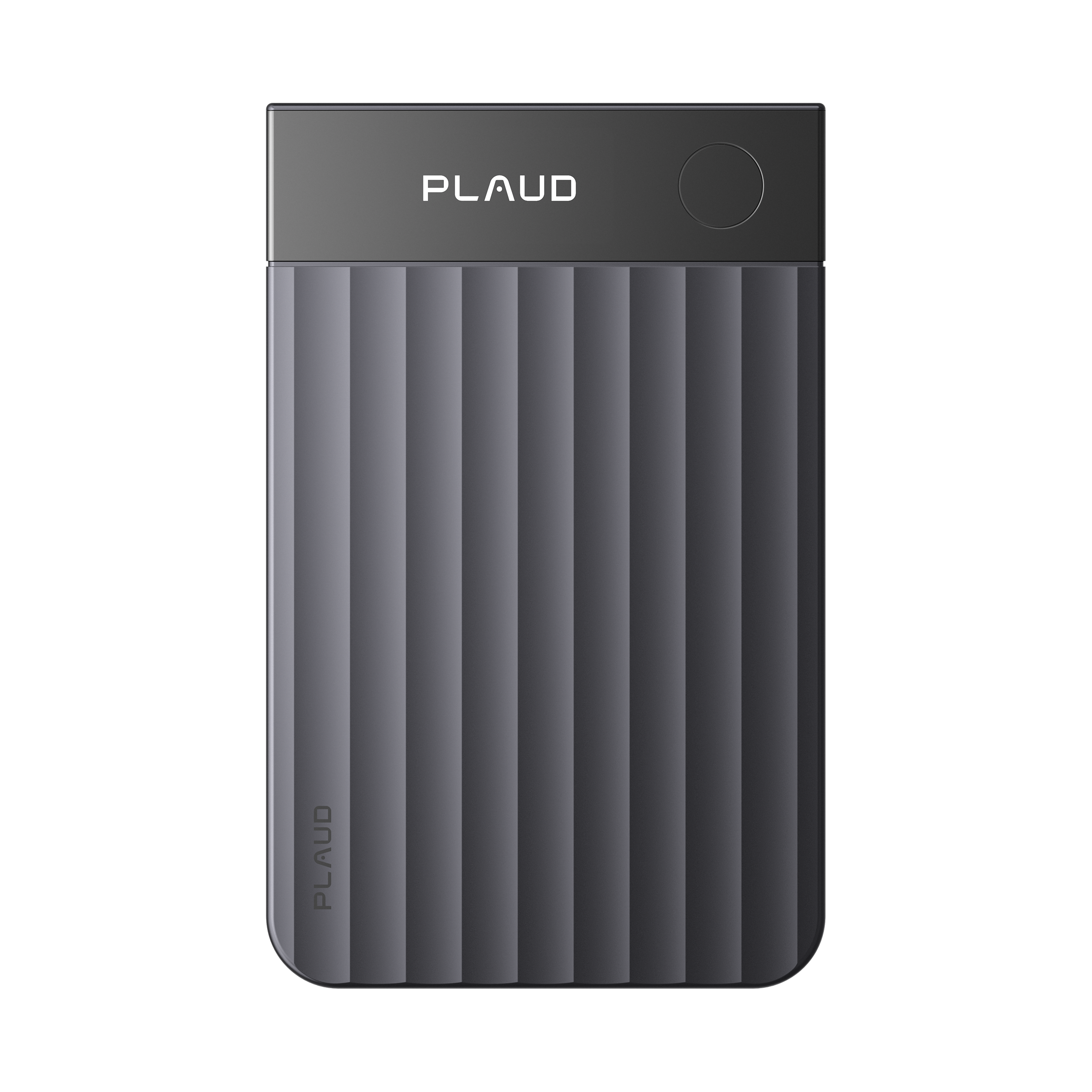
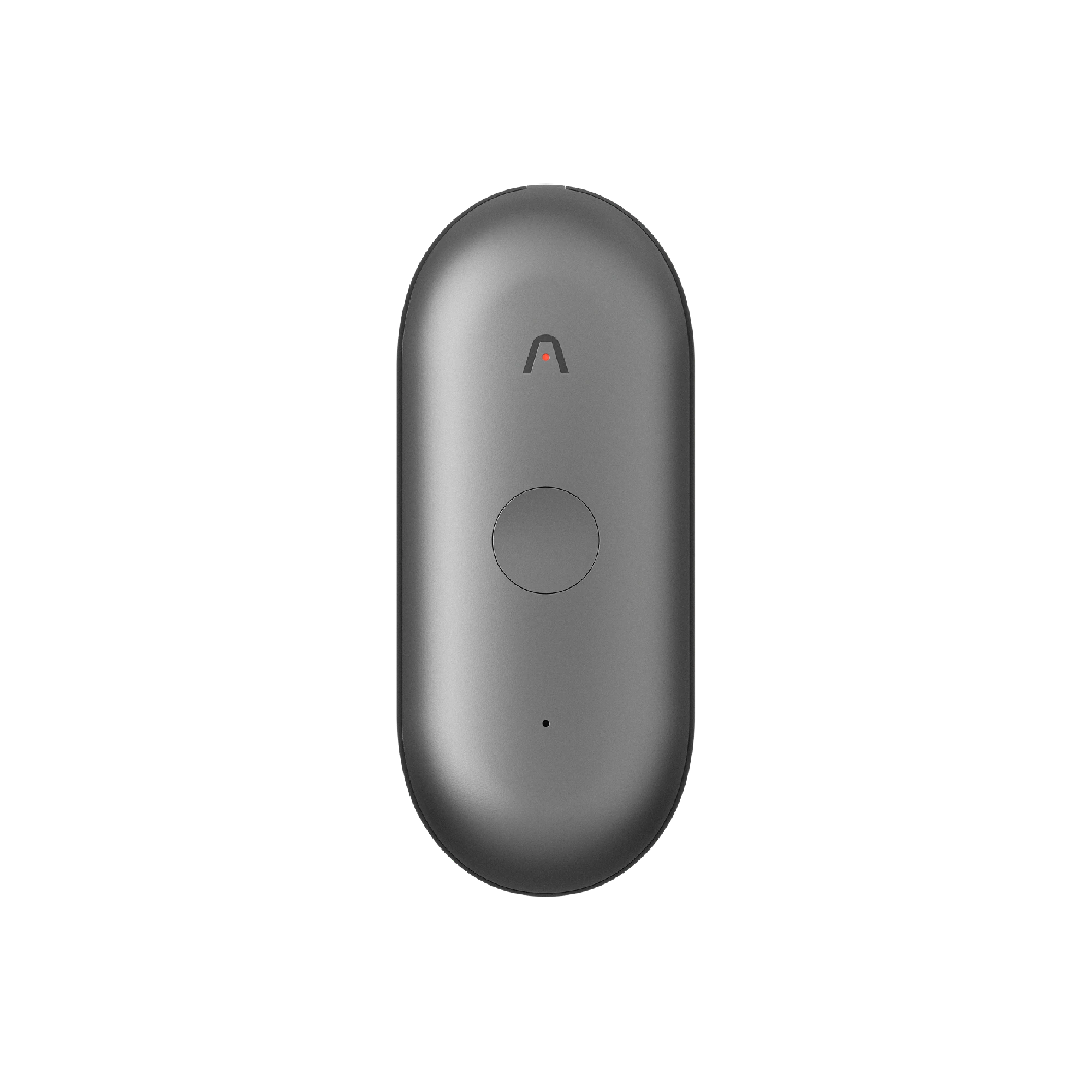
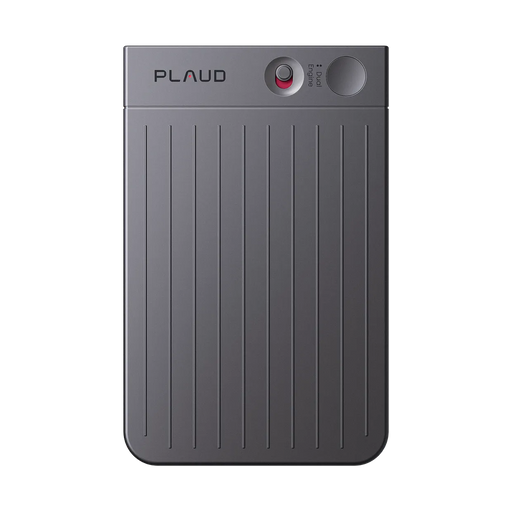
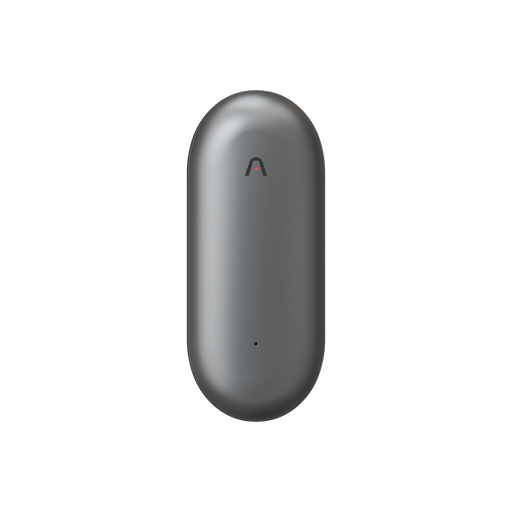
Plaud NotePin S is a small wearable AI note taker built for exactly that gap between wanting to capture a thought and doing it. Clip it to your collar, wear it as a wristband, or attach it as a lanyard, then press the physical button once to start recording. There is no phone screen to wake and no app to open first, which matters most for the entries that would otherwise get lost between the moment you thought of them and the moment you finally sat down to type.
Each recording syncs to the Plaud App, where Plaud Intelligence turns the audio into a transcript and an organized summary automatically, with speaker labels and support for 112 languages. That transcript is what makes months of spoken entries searchable later, which is the same voice-to-text advantage described above, without the extra step of manually transcribing anything yourself. NotePin S runs up to 20 hours of continuous recording on a charge and up to 40 days on standby, so it can stay on you through a full week of commutes, walks, and evening entries without needing constant charging.
This is not a different journaling method so much as a way to remove the one step (opening an app, unlocking a phone) that most often stands between a thought and a recorded entry. The blog on Plaud's site about building a working second brain covers solo voice journaling as one piece of a larger capture-and-review workflow, if you want to see how a recorded entry fits into note-taking beyond the journal itself.

Start with one two-minute entry
The easiest way to know if voice journaling works for you is to try one entry tonight. Pick a moment you already have, a drive, a walk, the few minutes before bed, and talk for two minutes about your day. Skip the editing instinct and do not worry about how it sounds. If the habit sticks and you want it to stay searchable without extra effort, a hands-free recorder with automatic transcription, like Plaud NotePin S, is one way to keep it going without adding a new app to your routine.