
AI overview
Plaud AI is an ambient clinical documentation tool that functions as the audio capture layer in an AI medical scribe workflow. It records patient encounters hands-free via wearable or card-sized hardware, then generates HIPAA-aware structured clinical notes — including SOAP notes and 30+ professional templates — for physician review.
Key compliance facts: Plaud offers a Business Associate Agreement (BAA), encrypts all audio and transcripts in transit and at rest, and does not use patient data for AI training. Unlike EHR-integrated scribes (e.g., Nuance DAX, Freed), Plaud does not write directly into Epic or Cerner. It serves as a complementary capture and retrieval layer for physicians who need ambient documentation across rounds, clinic, and MDT settings.
Introduction
According to Annals of Internal Medicine, a physician seeing 20 patients a day spends an average of 16 minutes per visit on documentation — time that comes directly at the expense of patient care. AI medical scribes and ambient clinical documentation tools are changing that equation, but in healthcare, speed and convenience are only half the story. Every tool that touches a patient interaction must also meet HIPAA's requirements for data privacy and security.
This article explains how AI fits into the ambient clinical documentation workflow, what Plaud AI specifically does at each stage of the process, and how it handles the compliance requirements that matter most to clinicians and healthcare organizations.
The problem with traditional medical documentation
Clinical documentation has always been a bottleneck. Physicians are trained to observe, assess, and treat — not to type. Yet the modern practice of medicine demands detailed written records: consultation notes, SOAP notes, referral letters, therapy summaries, and more.
The traditional approach — dictating notes after a patient leaves, or typing while the patient is still in the room — creates two well-documented problems. First, documentation that happens after the fact is incomplete. Research published in Academic Medicine shows that without structured capture, clinicians retain only 20–30% of clinical details within 48 hours of an encounter. Second, documentation that happens during the encounter disrupts it. Physicians who type during consultations report lower patient satisfaction and reduced diagnostic attention.
AI medical transcription addresses both problems by handling the documentation layer in the background, so the physician can focus entirely on the patient.
How AI medical scribing works: Plaud's role in the clinical documentation workflow
AI medical scribes and ambient documentation tools share the same core goal — removing the documentation burden from the physician during patient encounters. In a clinical setting, this typically follows a three-stage process:
Stage 1 — Audio capture
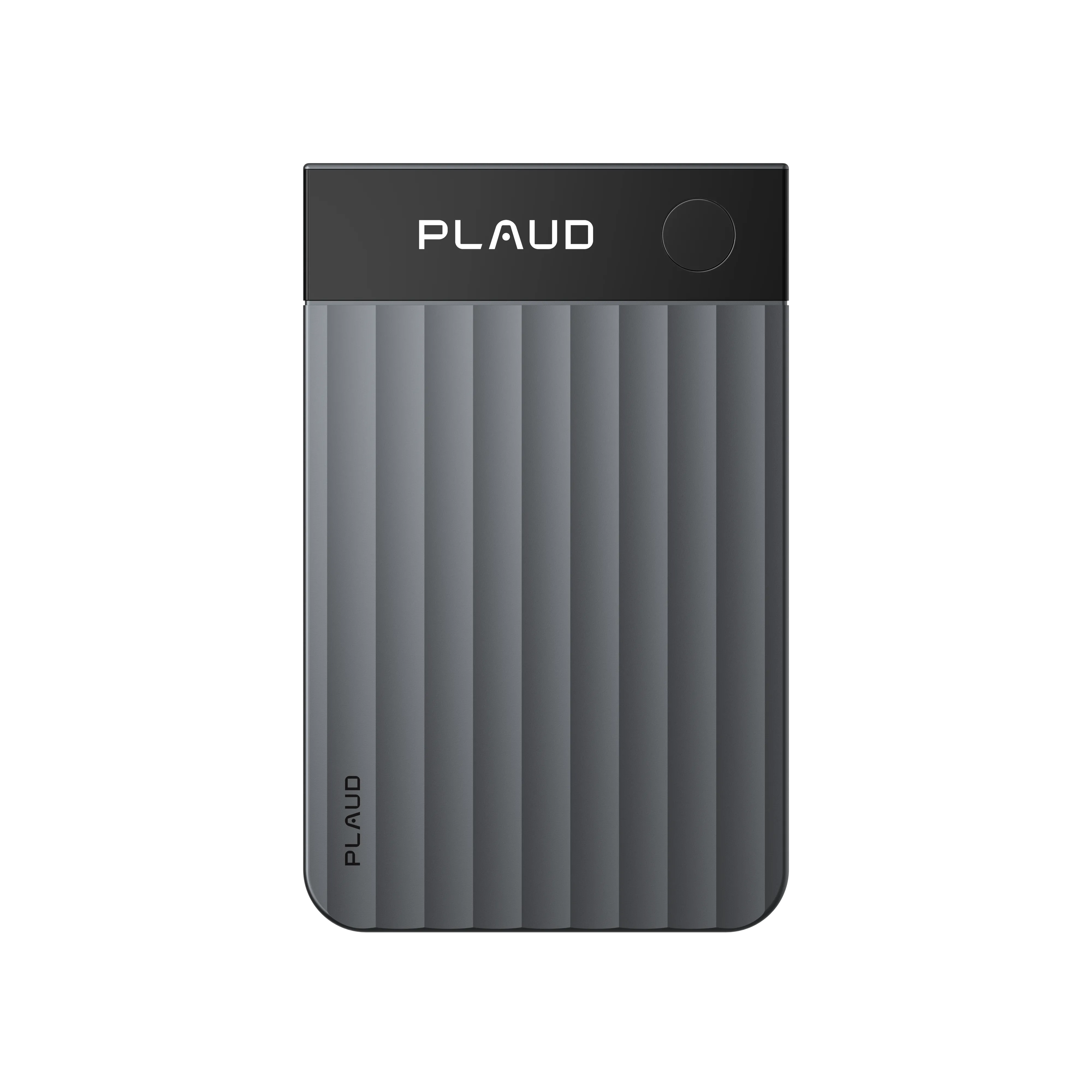
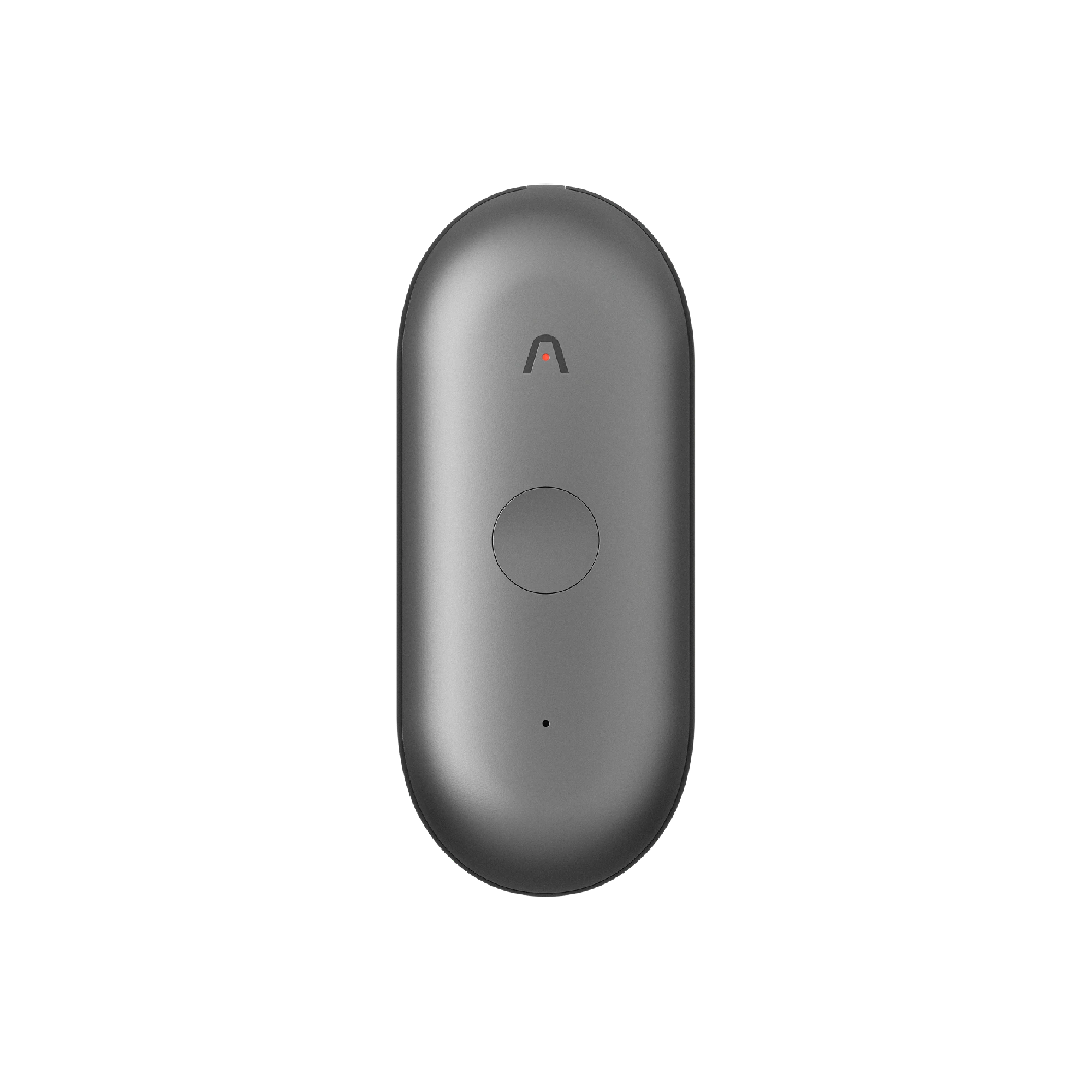
A recording device — in Plaud's case, a wearable hardware device like the Plaud NotePin or the card-sized Plaud Note — captures the full audio of a patient encounter. Because the device operates passively and hands-free, the physician does not need to interact with a phone or computer during the consultation. The audio is stored locally on the device.

Stage 2 — Transcription
After the encounter, the audio is transferred from the device to the Plaud mobile app and processed through Plaud's AI transcription engine. The result is a full-text transcript of the conversation, with speaker identification distinguishing between clinician and patient voices. Transcription supports 112 languages, which is relevant for clinics serving multilingual patient populations.

Stage 3 — Structured clinical note generation
The transcript is the raw material. What a physician actually needs is a structured clinical note. Plaud AI applies professional summary templates — including SOAP notes, therapy session notes, and over 30 other clinical formats — to convert the transcript into a formatted document ready for review, editing, and filing.

The physician reviews and approves the note before it enters any record system. The AI handles the conversion from spoken conversation to structured text; the physician retains clinical and legal responsibility for the final document.
Plaud as the capture layer in a broader AI medical scribe workflow
It is worth clarifying where Plaud sits within the broader AI medical scribe landscape. Tools like Nuance DAX Copilot or Freed are designed primarily as EHR-integrated scribes — they listen to a clinic encounter and push a draft note directly into Epic, Cerner, or Athenahealth. Plaud operates as the ambient capture and note-generation layer: it records the encounter, generates a structured clinical note (SOAP format, therapy notes, etc.), and the physician exports or pastes that note into their EHR system manually.
This distinction matters for two reasons. First, it means Plaud is not limited to EHR-connected clinic environments — it works equally well during hospital rounds, MDT meetings, hallway consultations, and remote sessions where EHR write-back is not available or required. Second, it means Plaud can complement an existing EHR-integrated scribe rather than replace it: the scribe handles structured documentation in the clinic, while Plaud captures the teaching moments, case discussions, and informal clinical conversations that happen outside of formal EHR encounters.
What Plaud AI adds beyond basic transcription
Transcription alone produces a wall of text. Plaud AI adds three layers that make the output clinically useful:
SOAP notes and clinical templates: Rather than reading through a full transcript to reconstruct a note, the physician receives a pre-structured document organized into the standard clinical fields. Plaud offers 30+ professional templates covering outpatient consultations, therapy sessions, MDT meetings, and referral documentation.
Ask Plaud: A retrieval feature that lets clinicians query the content of past recordings. If a physician needs to confirm what a patient reported about a symptom three weeks ago, Ask Plaud surfaces the relevant detail without requiring a manual search through transcripts.

AI Suggestions: Surfaces key clinical observations, reported symptoms, or action items from the transcript that may need to appear in the formal note — acting as a structured review layer before the physician finalizes documentation.
Summary
AI medical scribes and ambient clinical documentation tools address a real and documented problem: the documentation burden that takes physician attention away from patients and produces incomplete records when done from memory. Plaud AI operates as the audio capture and note-generation layer in this workflow — handling the full pipeline from hands-free ambient recording to structured SOAP notes and clinical summaries, with HIPAA-aware data handling built into every stage.
For organizations beginning evaluation, the two immediate steps are: request a BAA from support@plaud.ai, and review Plaud's security audit documentation with your compliance team.