Meeting notes · How-to guide

How to take meeting notes efficiently

Most people leave meetings with fragments. They were writing when the key decision landed, or listening when the action item was assigned. The problem is not effort or skill. Writing and listening compete for the same attention. The fix is removing that tradeoff entirely.

Plaud Note Pro on a desk beside a laptop showing structured meeting notesBest for complete, structured notes with zero attention split

Quick answer

4 steps to take meeting notes efficiently

Consent and preparation happen before the meeting starts. Capturing and processing happen after. Listening is your only job during the meeting itself.

1. Before the meeting: set up a template and confirm recording consent

Create a three-section note with Decisions, Action items, and Open questions. Copy the agenda into the top so you have context without switching windows. Confirm that all participants know the meeting will be recorded. Recording laws vary by jurisdiction. Many regions require the consent of everyone present before a recording begins. Do not skip this step.

2. During the meeting: focus on listening, not writing

Your only job is to understand the conversation. Write down a decision or action item only when it is clearly confirmed. Do not write when something might be a decision. Wait for the explicit confirmation. If you miss something, the recording will have it.

3. Record the full session as a backup

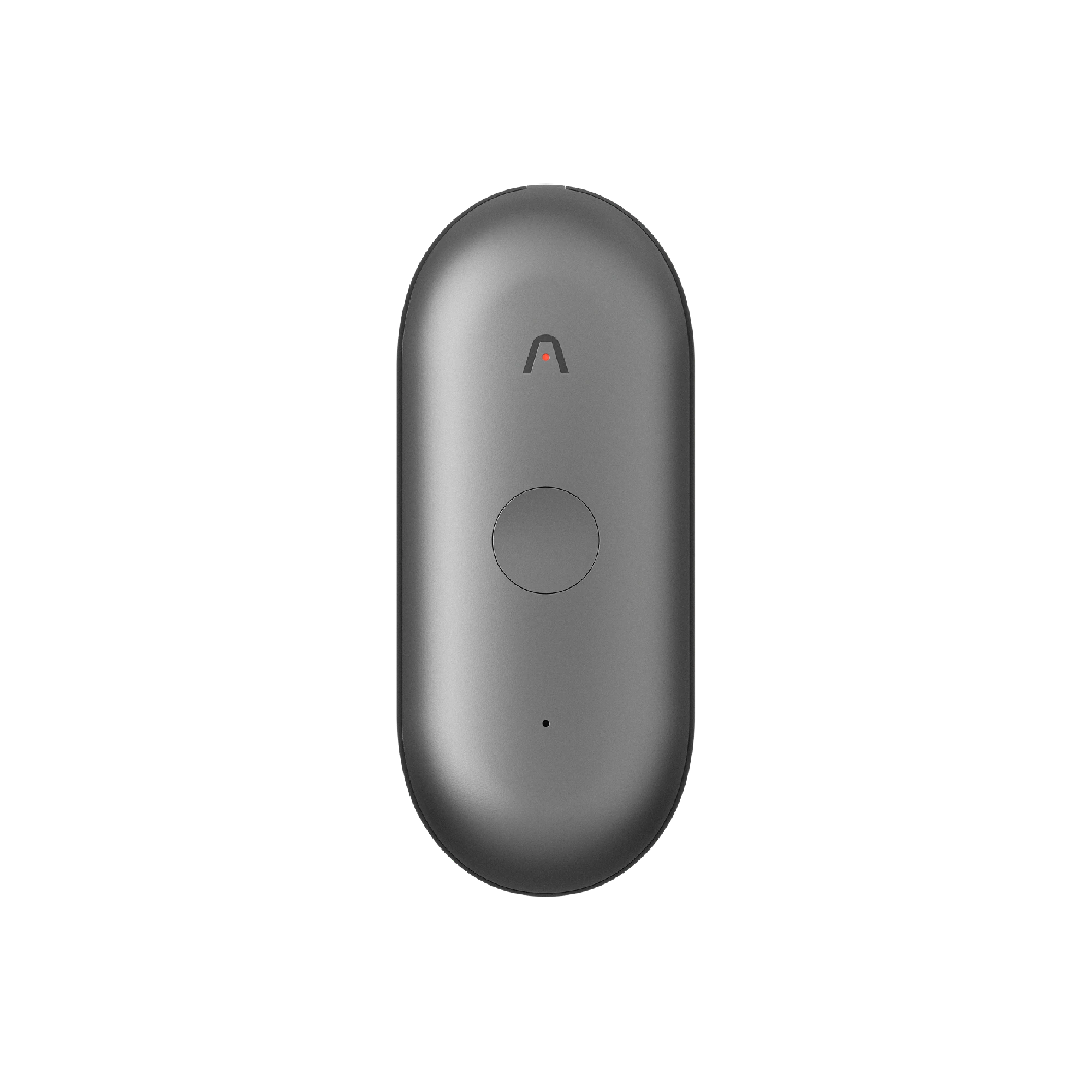
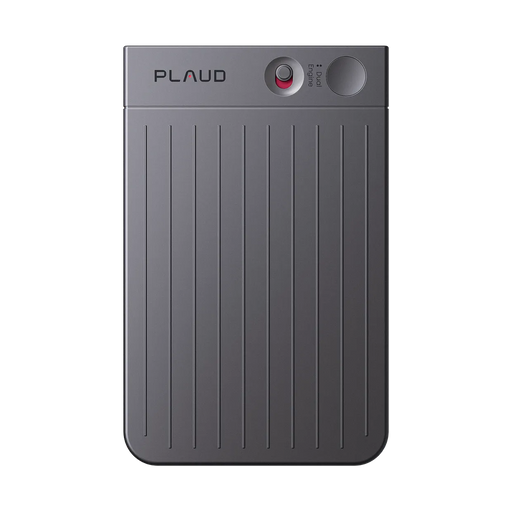
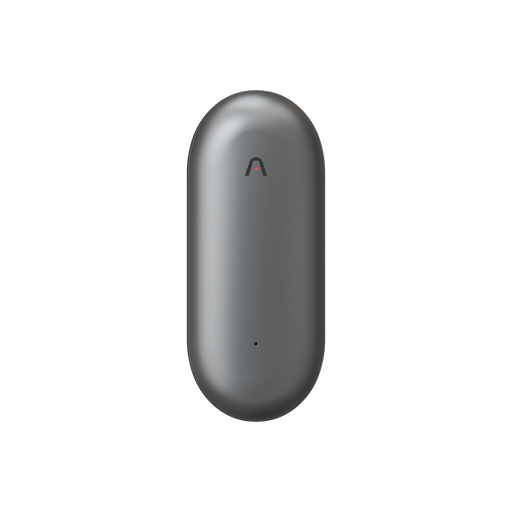
Start a recording at the beginning of the meeting. The recording is your safety net for anything you miss while staying present in the conversation. For video calls, connect Plaud Note Pro via Bluetooth to your phone or computer. For in-person meetings, place it on the table or clip Plaud NotePin S to your clothing.

4. After the meeting: process and send within 30 minutes

Open the recording or transcript. Plaud Intelligence processes the audio into structured notes using over 10,000 templates matched to the meeting type. Fill any gaps in your template and send the notes within 30 minutes. Notes sent the same day get read. Notes sent the next day often do not.

See full method comparison ↓

Methods

Which approach gives you complete notes without the attention split

Compared on attention cost during the meeting, completeness of the record, whether structured output is generated, and time to a shareable set of notes.

Manual notes while listening

Always available, no setup needed. Writing and listening compete for the same attention, so notes have gaps wherever you were writing instead of hearing.

Attention cost during meeting
High
Record completeness
Low
Structured output
None by default
Time to shareable output
Medium (cleanup needed)

Note-taking app typed in real time

Faster typing does not fix the attention split. The user still misses content while composing sentences. Editing is still required before the notes are shareable.

Attention cost during meeting
High
Record completeness
Low to medium
Structured output
None by default
Time to shareable output
Medium (still needs editing)

AI bot joins the call (Otter, Fireflies)

Low attention cost during the meeting. Works only for virtual calls. Many enterprise environments block third-party bots. Cannot attend in-person meetings.

Attention cost during meeting
Low
Record completeness
High for calls only
Structured output
Medium (auto-summary, may miss named owners)
Time to shareable output
Low (auto-delivered)

AI recorder (Plaud Note Pro)

One press at the start. Dual-mode covers virtual calls via Bluetooth and in-person meetings stand-alone. Plaud Intelligence returns structured notes by meeting type. Always record with participant consent.

Attention cost during meeting
Low (one press)
Record completeness
High (4 MEMS mics, dual-mode)
Structured output
High (10,000+ templates, decisions and action items)
Time to shareable output
Low (ready within minutes)

Based on common meeting note workflows and Plaud product data. Always confirm consent from all participants and follow local recording laws before recording any meeting.

Tips

Most meeting notes fail before the meeting ends

Attention cost, completeness, structured output, and time to send determine whether meeting notes are useful. The more mental bandwidth note-taking requires, the less you absorb from the actual discussion. A note system is only as good as the percentage of decisions and action items it captures. A raw transcript is not meeting notes. Notes need decisions, owners, and next steps called out explicitly. Notes sent two days later are less useful than notes sent within 30 minutes of the meeting ending.

Attention cost during the meeting: every minute writing is a minute not listeningThe moment you look down to type, you stop hearing the room. Plaud Note Pro handles capture with one press so your full attention stays on the conversation. The device runs in the background. You stay present.
Completeness: a gap in the record is a gap in follow-throughWhen a key decision lands while you are writing the previous sentence, it is missing from your notes. Plaud Note Pro's 4 MEMS microphones capture the full session. Plaud Intelligence extracts decisions and action items from the complete audio, not from what you managed to write down.
Structured output: a raw transcript is not meeting notesA wall of text requires a full re-read before anyone can act on it. Plaud Intelligence matches the recording to one of 10,000+ note templates by meeting type and returns decisions, owners, and next steps in a structured format, not a raw transcript to parse.
Time to send: notes sent the next day are notes that rarely get readThe gap between meeting end and sent notes is where follow-through breaks down. Plaud Intelligence delivers structured notes within minutes of the meeting ending. Review, confirm the action item owners, and send before the context fades.

The easier way

How Plaud Note Pro takes meeting notes for you

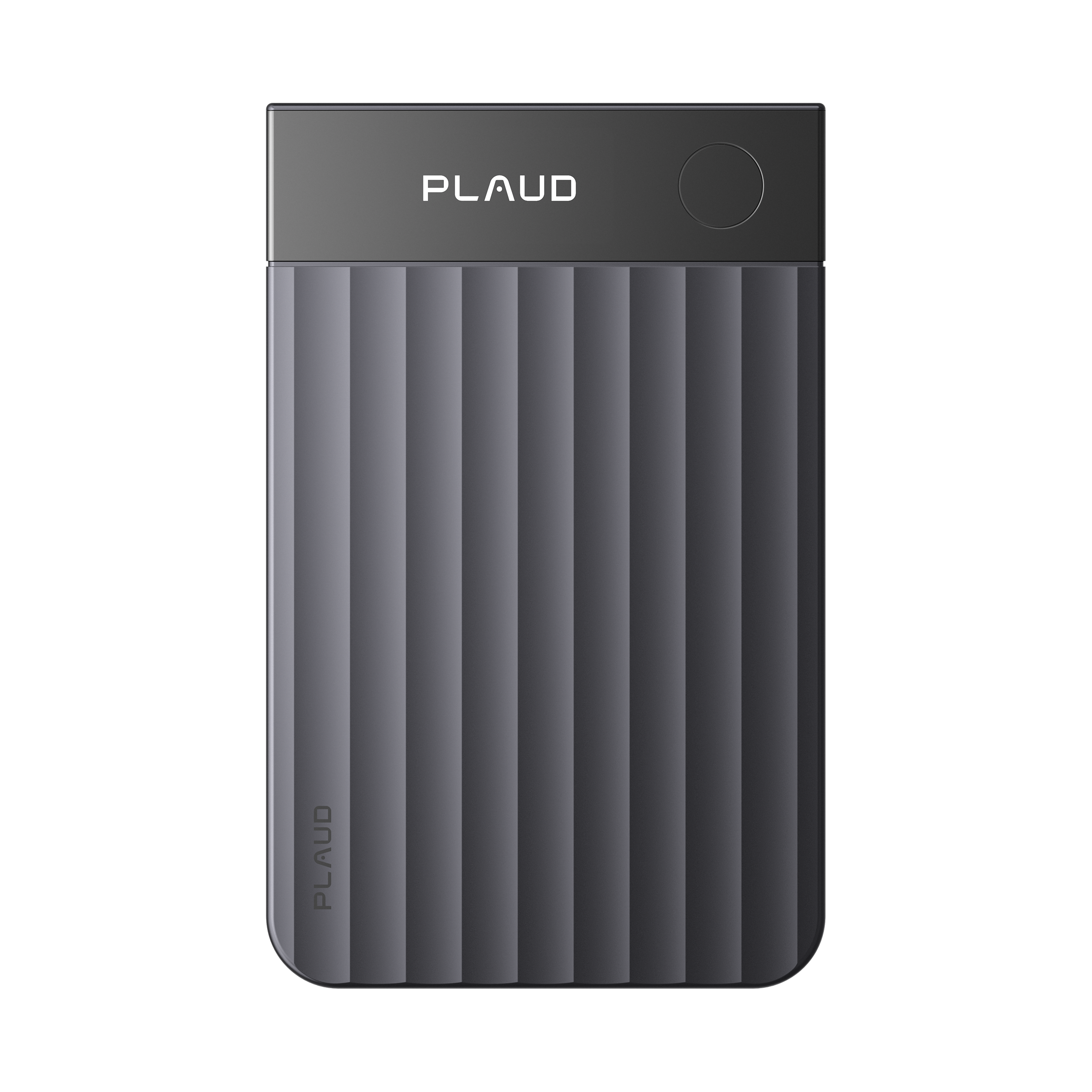
Plaud Note Pro is a physical AI recorder built for professionals who attend meetings in any format. It works for virtual calls via Bluetooth and for in-person sessions in stand-alone mode. One device handles both without switching tools. Plaud Intelligence processes the recording into structured notes using over 10,000 templates matched to the meeting type. Always confirm consent from all participants before recording any meeting.

  • Virtual calls, in-person meetings, and hybrid sessions all handled by one deviceConnect via Bluetooth to any phone or computer for calls. Switch to stand-alone mode for in-person meetings. No bot joining the room, no IT approval, no platform dependency.
  • Plaud Intelligence matches your recording to one of 10,000+ note templatesReturns decisions, action items, and key points already organized. Not a raw transcript to parse. Structured output ready to review and send within minutes of the meeting ending.
  • Press once to start recording at the beginning of any meetingFour MEMS microphones capture the room clearly. 30-hour battery means you never need to charge between back-to-back sessions. No login prompt on the call. No app setup mid-meeting.
Plaud Note Pro

Plaud Note Pro

The world's most advanced physical AI note taker. Dual-mode for virtual calls and in-person meetings. Structured notes in minutes.

4 MEMS mics · Dual-mode (calls and in-person) · 10,000+ note templates · Up to 30 hours recording
Microphones4 MEMS mics
ModesDual-mode auto-detection
Templates10,000+ Plaud Intelligence templates
BatteryUp to 30 hours
Thickness2.99 mm thin
Get Plaud Note ProCompare all methods

Plaud Note Pro vs Plaud NotePin S

Plaud Note Pro for virtual calls, in-person meetings, and any workflow that includes both. Plaud NotePin S for in-person meetings, interviews, and fieldwork where a wearable is preferred over a table device.

Plaud Note Pro

Plaud Note Pro

The world's most advanced physical AI note taker. Dual-mode for virtual calls and in-person meetings. Structured notes in minutes.

★★★★★4.9(154)
  • 4 MEMS mics, dual-mode (calls and in-person)
  • Plaud Intelligence with 10,000+ note templates
  • Up to 30 hours recording
  • Speaker diarization included
$189.00
Buy Plaud Note Pro
Plaud NotePin S

Plaud NotePin S

Best for in-person meetings, interviews, and fieldwork where a wearable device is preferred. Does not support phone or video call recording.

★★★★★4.9(88)
  • 17.4 g wearable design
  • Up to 20 hours recording
  • Lanyard, wristband, clip, magnetic pin (all included)
$151.99
Shop Plaud NotePin S

Frequently asked questions

How to efficiently take notes in a meeting?

Prepare a three-section template before the meeting: Decisions, Action items, Open questions. During the meeting, focus on listening and write only what is confirmed. Record the audio as a backup for anything you miss. After the meeting, process the recording and send the final notes within 30 minutes while the context is still fresh.

Which AI tool is best for taking meeting notes?

It depends on meeting format and your organization's policies. For virtual-only meetings without bot restrictions, tools like Otter.ai or Fireflies work. For hybrid, in-person, or enterprise environments where bots are blocked, Plaud Note Pro covers all formats. It connects via Bluetooth for calls and works stand-alone for in-person sessions.

What is the best way to take meeting notes?

Separate listening from capturing. Record the meeting so your attention stays on the conversation. Use a structured template so the output is already organized when you process it. Send the notes within 30 minutes of the meeting ending while context is clear.

Is it legal to record meetings for note-taking?

Recording laws vary by country, state, and platform. In many jurisdictions, you need the consent of all participants before recording. Best practice is to announce at the start of every meeting that it is being recorded for note-taking purposes. Always check the laws in your jurisdiction and your organization's recording policy before recording any meeting.