Writing meeting minutes is crucial for keeping track of your work and ensuring accountability within your team. Minutes should function as a vital tool, providing a short written record of what changed, what was decided, and who owns which tasks.
This guide provides new office professionals with a clear, 3-step approach for creating actionable records that others will actually read, complete with meeting minutes template examples.
You will learn how to:
- Decide the true purpose of your minutes before the meeting starts.
- Strategically capture only key decisions, owners, and deadlines during the discussion.
- Turn your rough notes into a concise, clear professional draft.
- Share and store the final record.
What are meeting minutes?
Meeting minutes are the short written record of what was discussed in a meeting. They show what you talked about, what you decided, and who owns which tasks, so anyone can see what happens next without replaying the whole call.
In practice, that means a simple document with the meeting title and purpose, the date and attendees, the main topics, and a clear list of decisions and action items.
If someone can skim your minutes in a couple of minutes and know what they should do, you are doing it right.
How to write meeting minutes: 3 steps
The stages to effectively write meeting minutes are:
- Step 1: Prepare for the meeting by defining the purpose of your notes and setting up a reusable meeting minutes template.
- Step 2: Capture decisions, essential facts, and problems.
- Step 3: Turn your rough notes into a concise, clear professional meeting draft.
Step 1 - Before you write meeting minutes
Define the purpose of your notes before the meeting. Ask yourself: “What will people use these minutes for?”
If your team needs a record of decisions, your minutes should highlight options, trade-offs, and final choices. If the focus is follow-up, action items matter most. Write one simple line at the top of your notes, such as:
- “Goal: capture decisions and owners for the Q2 plan.”
- “Goal: record client requests and next steps.”
Then create a reusable structure using a consistent template.
Let’s move on to using a structural tool: the meeting minutes template. This helps ensure structure and expedites note-taking.
Start by:
- Including standard fields for the Meeting Title, Purpose, Date, and Attendees.
- Listing the planned meeting agenda items as clear section headlines within the template.
- Pre-populating categories for Decisions and Action Items, including slots for Owner and Due Date.
- Saving this template in a shared drive or notes tool for efficient reuse in recurring meetings.
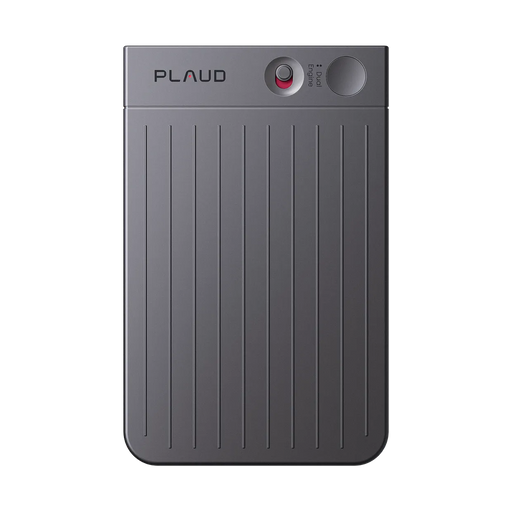
If you use an AI note taker such as Plaud Note Pro, you can pick a ready-made meeting minutes template from the community, or use a photo-to-template feature to turn your existing internal layout into a digital template.

Here’s a quick example of a prepared template structure:

Step 2 - During the meeting
Prioritize facts, problems, decisions, and actions. During the discussion, capture only major outcomes, such as decisions, essential facts, and problems, instead of attempting to transcribe the entire conversation.
To get this right, follow these steps:
- Use your pre-set template as a checklist during the conversation.
- Note any facts that come up in the meeting (e.g., project delays or status updates).
- Write down clear problems or major risks being raised.
- Record the full answer alongside the open question to ensure context is saved.
If you try to lead and type every sentence, you miss body language, lose the thread, and still end up with gaps. A better approach is to let an AI meeting note taker tool handle full capture while you only track what people must act on.
If your company allows recording, a simple pattern is:
- Let a recorder or app capture the whole conversation.
- Use your minutes template as a checklist, not a script.
- Only note key decisions, owners, deadlines, major risks, and open questions.
- Let the audio sync.
- Apply your meeting minutes template so the transcript is organized by topic.
- Use Ask Plaud to generate a draft summary and action list, giving extra weight to highlighted moments.
- Group scattered lines logically under the appropriate agenda items.
- Delete all conversational comments that did not lead to a decision, action, or outcome.
- Fix names, numbers, and dates, and tighten any confusing sentences.
- Write a short paragraph for each topic summarizing the discussion and decision.
Plaud Note Pro is designed for this. When someone makes a decision, changes scope, or sets a deadline, you tap once. That short press drops a highlight at that moment in the recording, so Plaud can treat it as a key point when it builds summaries and action lists.
Step 3 - After the meeting
Once the meeting ends, you have a short window where details are still fresh. Use that time to turn rough material into a clear minutes draft.
Raw notes are naturally fragmented, containing conversational shorthand and errors that make them difficult for anyone else to understand.
The good news is, there are ways to handle this. You can turn rough notes into professional meeting minutes examples by following these steps:
If you recorded the meeting with Plaud Note Pro:

If you only have notes:
In addition, remember to distribute the minutes promptly after the meeting. Timely distribution ensures immediate accountability and swiftly informs the team of critical outcomes captured in the meeting minutes.
FAQ
Who should write the meeting minutes?
Pick someone who can stay focused on the discussion and write clearly. In small teams, this can rotate. In formal groups, a set secretary or project coordinator usually owns the minutes.
How long should a meeting minutes report be?
Often, one or two pages are enough. Long reports are fine for board or legal meetings. For regular team sessions, focus on decisions and action items and skip detailed debate.
Do I need minutes for every meeting?
Not always. Use full minutes for meetings with real impact on money, risk, or policy. For quick check-ins, a short recap in chat or email can work if it still lists decisions and tasks.