Long meeting notes · How-to guide

How to take notes in long meetings

The reason long-meeting notes fail is not typing speed. It is the cognitive split between listening and documenting at the same time. When you are writing, you are not fully in the meeting. When you are back in the meeting, you have stopped writing. Recording the session removes that split: you participate in the meeting, the AI handles the record.

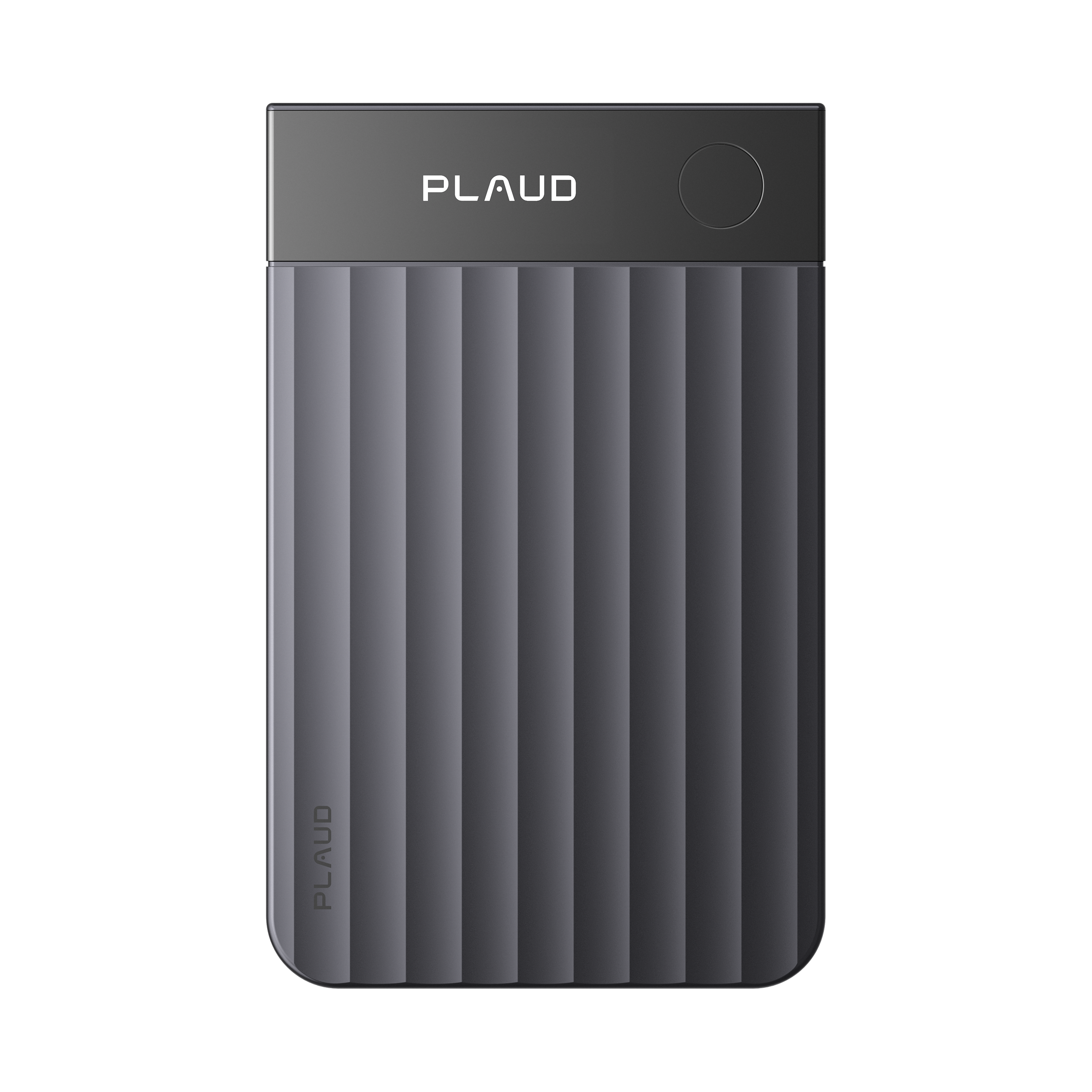
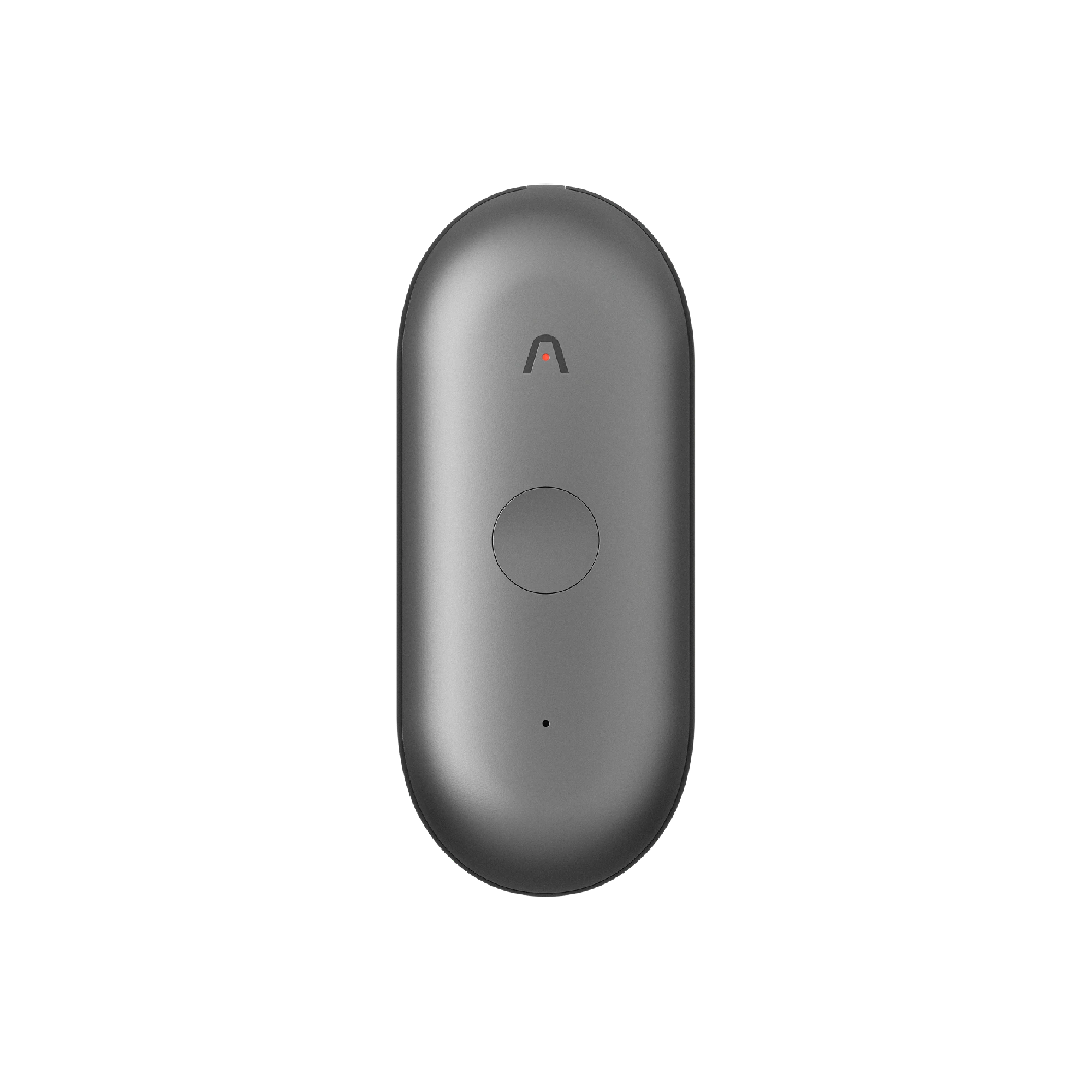
Plaud Note Pro physical AI recorder at a long meetingBest for all-day sessions

Quick answer

4 steps to long-meeting notes that cover everything

Set up once before the meeting starts. The rest happens after.

1. Record the meeting instead of taking notes in real time

Place a recorder on the table or let it run in the room. Your job in the meeting shifts from stenographer to participant.

2. Capture only immediate action items in real time

If something requires your action before the next step, note it. Everything else is in the recording.

3. Let AI transcription generate the full record after

Upload the recording after the meeting. A transcription tool with meeting templates produces a structured output with decisions, action items, and open questions separated.

4. One review pass to confirm owners and deadlines, then share

The AI draft needs a review, not a full rewrite. Confirm attribution and send to the team.

See full method comparison ↓

Methods

Which approach keeps you present and captures everything

Compared on attention cost during the meeting, completeness of the record, whether the output arrives already structured, and time to a shareable document.

Transcribe everything live

Write continuously throughout. Attention is split between listening and typing, and falls behind in fast discussions.

Attention cost
High
Completeness
Low
Structured
No
Time to share
High

Shorthand labels

Use fast abbreviations to mark decisions and action items. Reduces writing but still requires active tracking.

Attention cost
Medium
Completeness
Medium
Structured
Partial
Time to share
Medium

Record + manual listen-back

Record the session and take notes while replaying it. Doubles the time cost of a long meeting.

Attention cost
Low
Completeness
High
Structured
No
Time to share
High

Record with AI (Plaud Note Pro)

Record the session. AI produces structured output after. Attend the meeting fully and review the draft afterward.

Attention cost
Low
Completeness
High
Structured
Yes
Time to share
Low

Based on common meeting scenarios and Plaud product data. Always follow your organization's recording policy and local consent rules.

Tips

What long-meeting notes need to be worth using

Long-meeting notes fail for four specific reasons, and none of them are about being bad at note-taking. The task is structurally incompatible with full participation.

No cognitive split between listening and writing during the meetingWhen a note-taker writes, they fall behind. When they catch up, they miss the next exchange. Note Pro records continuously so the note-taker can focus on the meeting without losing any content.
A complete record prevents gaps that corrupt action itemsSelective notes miss context that makes commitments meaningful later. Note Pro records all voices in the room continuously so every word is available for the AI to process afterward.
Structured output that separates decisions, action items, and open questionsA raw transcript still requires formatting before it is shareable. Plaud Intelligence uses 10,000+ templates to produce output with the right structure in a single pass.
One review pass is enough before sharingAn AI-generated draft from clear audio needs confirmation, not reconstruction. The note-taker reviews for owner attribution and missing deadlines, which typically takes a fraction of the meeting length.

The easier way

Plaud Note Pro. Attend the meeting, review the notes after.

Plaud Note Pro is a physical AI note taker that records phone calls and in-person meetings for up to 30 hours without requiring a note-taker to split attention between listening and writing. After the session, Plaud Intelligence produces a structured transcript with decisions, action items, and open questions ready to review in a fraction of the meeting length.

  • 30-hour continuous recordingEnough for all-day sessions, board meetings, and multi-session workshops without recharging.
  • 4 MEMS mics with AI beamformingCapture all speakers at up to 5 meters, with no repositioning needed during the meeting.
  • 10,000+ meeting templatesProduce sorted output with decisions, action items, and open questions already separated.
Plaud Note Pro

Plaud Note Pro

The world's most advanced physical AI note taker. Thirty-hour recording, structured output, no note-taker required during the session.

4 MEMS mics · Smart dual-mode · Up to 30 hours recording · 10,000+ templates · 64 GB
Microphones4 MEMS with AI beamforming
Recording timeUp to 30 hours (Enhance mode)
Pickup range5 m
Thickness2.99 mm
Get Plaud Note ProCompare all methods

Pick the Plaud for your meeting setup

Note Pro for conference rooms, phone calls, and sessions where the recorder stays on a table. NotePin S for wearable capture when the note-taker moves around or attends in-person-only settings.

Plaud Note Pro

Plaud Note Pro

Best for conference rooms, phone calls, and fixed-table sessions.

★★★★★4.9(150)
  • 4 MEMS mics, 5 m pickup
  • Smart dual-mode (calls + in-person)
  • Up to 30 hours recording
  • Structured output with 10,000+ templates
$189.00
Buy Plaud Note Pro
Plaud NotePin S

Plaud NotePin S

Best for wearable, hands-free capture in face-to-face meetings.

★★★★★4.9(88)
  • 17.4 g wearable design
  • Up to 20 hours recording
  • Lanyard, wristband, clip, magnetic pin included
$179.00
Shop Plaud NotePin S

Frequently asked questions

Is there a free AI to take notes during meetings?

Several tools offer free tiers: Otter.ai (limited minutes per month), Fathom (free for Zoom), and Google Meet's built-in transcription for Workspace accounts. Most free tiers have usage caps and work only with specific platforms. For in-person or cross-platform coverage, a paid plan or dedicated hardware is typically required.

How to take notes effectively in meetings?

The most effective approach for long meetings is to record the session and focus on listening rather than writing in real time. During the meeting, note only the items that require immediate action. After the meeting, review the AI transcript to build the complete record. This produces more accurate notes with less effort than writing live.

How do you keep up with notes when a meeting moves faster than you can type?

You cannot keep up by typing faster. In a fast discussion, writing and listening compete for the same cognitive resource. The standard workaround is to record the meeting, capture only the most urgent items in real time, and build the full record from the transcript afterward.

What is the best format for first-time meeting minute-takers?

The simplest reliable format uses three sections: decisions, action items (with owner and deadline), and open questions. Open a template with those three headings before the meeting starts. During the meeting, add one-line entries under the right section as they occur. Everything else is captured in the recording.