
Most project managers don’t fall behind because they forget something. It’s because they spend hours reacting to the wrong things. The Eisenhower matrix changed the way I manage time, not by giving me another checklist, but by helping me sort through what’s worth doing in the first place.
It’s a simple framework with real impact. This article breaks down how it works, what each quadrant means in practice, and how I’ve used it to cut noise and get real work done.
What is the Eisenhower matrix, and why do project managers need it
The Eisenhower matrix is a framework for deciding what actually needs your time. It divides tasks by urgency and importance so you can stop reacting and start planning. Before I used this method, I kept a long to-do list that grew faster than I could finish it. I was moving all day, but not making progress where it mattered.
The Eisenhower matrix forced me to make hard calls. It separates tasks into four types: urgent and important, important but not urgent, urgent but not important, and neither. Once I started managing my time through that lens, my projects became less reactive and more stable.
How does the Eisenhower matrix work
The Eisenhower matrix divides tasks into four quadrants.

Quadrant 1: urgent & important (do)
These are fires. The things that break when no one’s watching. A deadline that was missed. A critical bug right before launch. A stakeholder who needs a decision now.
You can’t avoid Q1. But if you're constantly stuck here, something upstream is broken. I’ve had projects where every week was a crisis, until I realized Q2 work was being ignored.
Q1 isn’t the enemy. Letting Q1 become your default mode is.
Quadrant 2: important but not urgent (schedule)
This is where everything that actually makes a project better lives. It’s planning, risk mapping, team check-ins, backlog grooming, and process reviews.
The problem? Q2 never screams for attention. That’s why it gets bumped. Then a week later, you’re in Q1 firefighting mode because Q2 got pushed.
Blocking time for Q2 tasks isn’t a nice-to-have. It’s the only way to avoid chaos. I treat Q2 work like a client meeting. Once it's on the calendar, it doesn't move.
Quadrant 3: urgent but not important (delegate)
Q3 is where your calendar gets stolen. Endless status calls. Messages marked “urgent” that aren’t. Reports that no one reads, but everyone expects.
The trap here is that these tasks still feel productive. They look like work. But when I audit my week, Q3 is usually where I lost the most time with the least result. Most of them don’t need you. They need a process. The more structure you build around Q3, the more time you reclaim.
The solution isn’t to ignore them. It’s to stop being the one who owns them. Delegation isn’t about offloading, it’s about protecting focus.
Quadrant 4: not urgent & not important (delete)
I used to keep these around “just in case.” A file no one opened. A slide deck for a stakeholder who never showed up. Random admin tasks that had no impact.
Q4 isn’t obvious until you start asking: does this task protect the project, move it forward, or reduce risk? If not, I cut it.
The cleaner Q4 gets, the more space I have to work in Q2, where real progress happens.
How to use the Eisenhower matrix in your project schedule
Theory helps. But the real value comes when you apply the matrix to your daily and weekly rhythm.

Step 1: Review your past week
I take 20 minutes on Fridays to look at my calendar and task list. Where did my time go? Did I spend hours on Q3 meetings? Did I push Q2 tasks into next week?
I’ve had weeks that felt packed but did nothing for project momentum. Seeing it laid out makes it clear what to fix.
Step 2: Prioritize quadrant two tasks
I schedule Q2 first before anyone grabs that time. Planning, code reviews, team 1:1s, prep for retros. These go into my calendar before client calls and update meetings.
If Q2 isn’t scheduled first, it won’t happen. It’ll get overrun by Q3 noise.
Step 3: Set boundaries and rules
No meetings without an agenda. No messages during deep work hours. No repeat questions that aren’t in the shared doc.
Boundaries protect Q2. If your day is wide open, Q3 and Q4 tasks will fill it. Every minute I keep Q3 out of my focus blocks is a minute I can use to push the project forward.
Tips: How can project managers get more done without burning out
Most project managers don’t burn out from too much work. They burn out from too much noise. Meetings that didn’t need to happen. Tasks they didn’t need to own. Ideas that mattered but never got written down.
The Eisenhower matrix helps you sort the mess. But you still need tools and habits to act on it.

Strategy 1: automate your Eisenhower matrix with a smarter AI note taker
Most project managers already understand the Eisenhower Matrix. The hard part is not sorting tasks, but remembering what matters after a long week of noise. Meetings pile up, small requests interrupt focus, and the important work fades into the background.
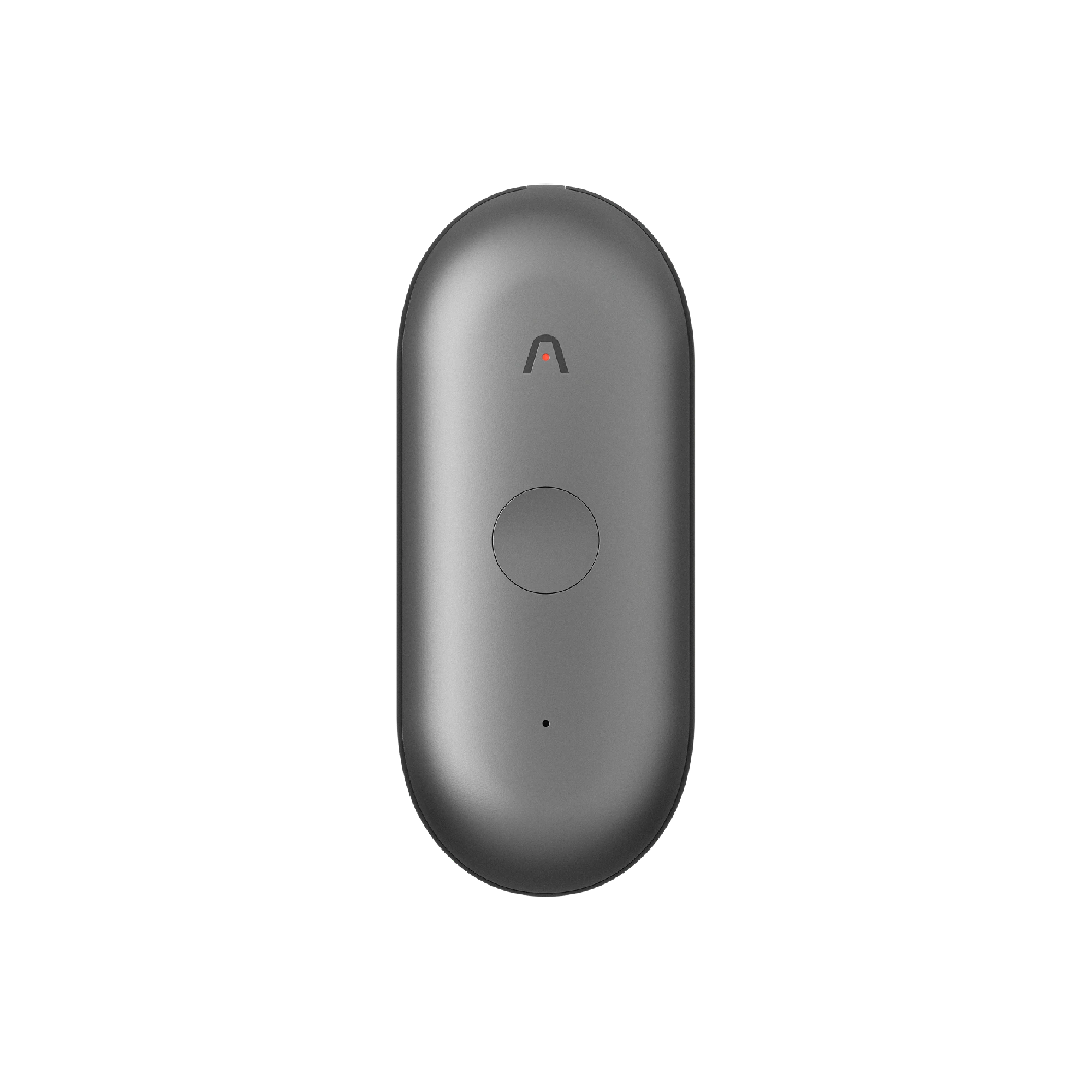
An AI note taker helps you keep those moments visible. I use Plaud Note to record my 1:1s, planning sessions, and quiet thinking time. These are often where long-term choices are made, but they are also the first to get lost as the day speeds up.
Here’s a simple habit that keeps my Q2 work, the important but not urgent tasks, organized and easy to act on.
- Record your planning or reflection sessions with Plaud Note.
- Use Ask Plaud to pull key decisions, open questions, and ideas worth following up on.
- Label each note as Q2 or Q3 based on the Eisenhower Matrix.
- Schedule time for Q2 items and delegate or drop the Q3 ones.

This keeps my strategic work from getting lost in the daily noise. My notes are clear, searchable, and easy to share, so I can focus on progress instead of chasing what I forgot.
Strategy 2: the art of delegation
You don’t need to run every status meeting or write every update. The real blocker is fear — fear that delegation means losing control.
I’ve found the opposite. I delegate Q3 tasks like recurring reports or basic admin to others, and I use shared dashboards to track what matters. If I need input, I get it asynchronously. That gives me back hours each week.
Delegation works best when it’s paired with a system. Don’t delegate into a void. Delegate into structure.
Strategy 3: set communication boundaries
Most PMs said they felt like a “ping response system.” That’s not sustainable. I set clear rules: no ad hoc meetings without an agenda, and I don’t respond during my deep work blocks.
The key is not being reactive. Let people know when you’ll check messages — and then follow through. If everything feels urgent, nothing gets done.
Strategy 4: training your stakeholders
This part takes effort. People won’t respect your time unless you teach them how to respect it.
I walk my team through the Eisenhower matrix and show them where their requests land. Most of the time, they get it. Once they understand that saving five minutes now creates chaos later, they stop pushing random tasks into my day.
Time protection is a team skill, not a solo effort.
Eisenhower matrix example: how a PM uses the matrix to launch a product
During a product launch, everything feels urgent. The backlog explodes. Everyone wants something. Without the matrix, I’d chase requests all day.
Here’s what I did instead:
- Q1: Blockers for go-live, critical bugs, and compliance checks. These got handled immediately.
- Q2: Weekly strategy sessions, long-term risk mapping, and post-launch planning. These were protected calendar time.
- Q3: Update emails, scheduling demos, and processing low-priority feedback. Delegated to support and tracked in the calendar.
- Q4: Irrelevant feature ideas, repetitive check-ins, anything that didn’t move the launch forward. Cut completely.
We launched on time. We avoided panic. And the post-launch plan was already in motion.
Conclusion
The Eisenhower matrix doesn’t fix bad projects. It gives you the space to run good ones.
It helped me stop chasing every task and start protecting the ones that matter. That’s the shift from being busy to being in control.
FAQ
What is the difference between Kanban and the Eisenhower matrix?
The Eisenhower matrix helps you decide what to work on by sorting tasks based on urgency and importance. Kanban helps you move work through stages once it’s chosen. I use the matrix first to filter, then Kanban to track progress.
Is there an Eisenhower matrix app?
There isn’t one official app, but you can build it into tools like Notion, Asana, or Todoist. I’ve seen teams create quadrant-based views or tags that match the Matrix. What matters most is the habit, not the interface.
What is better than Eisenhower's matrix?
If your backlog is full of large, strategic projects, you might need frameworks like RICE or WSJF. But for managing focus and cutting noise, especially when you're drowning in inputs, I haven’t found anything better than the Eisenhower matrix