Recording a podcast and taking notes about one are different jobs. A host needs source audio. A listener may save an idea from another show. A production team may need show notes or clips.
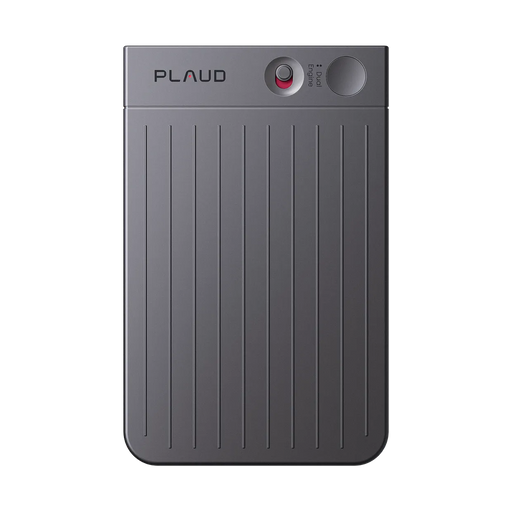
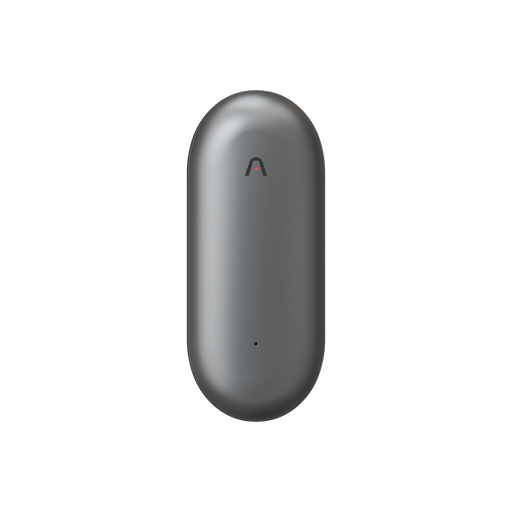
Plaud NotePin S suits two-person in-person recording. Plaud Note Pro suits a roundtable, phone conversation, or supported online recording. Snipd is for listener highlights. Descript and Podsqueeze start after an episode exists.
Choose based on the job: capture, mark, review, or repurpose. An editor does not replace a recorder or backup.
Best AI note takers for podcasts
Start with the production role, not the word "AI." If you are hosting the conversation, look for a recorder that stays close to the speakers and lets you mark a useful moment. If you are editing an existing episode, transcript controls and exports matter more. If you are listening to other shows, clipping and discovery are the real job.
| Product | Best podcast role | In-person host recording | Listener snip | Show notes/clips | Bot-free? | Entry price |
|---|---|---|---|---|---|---|
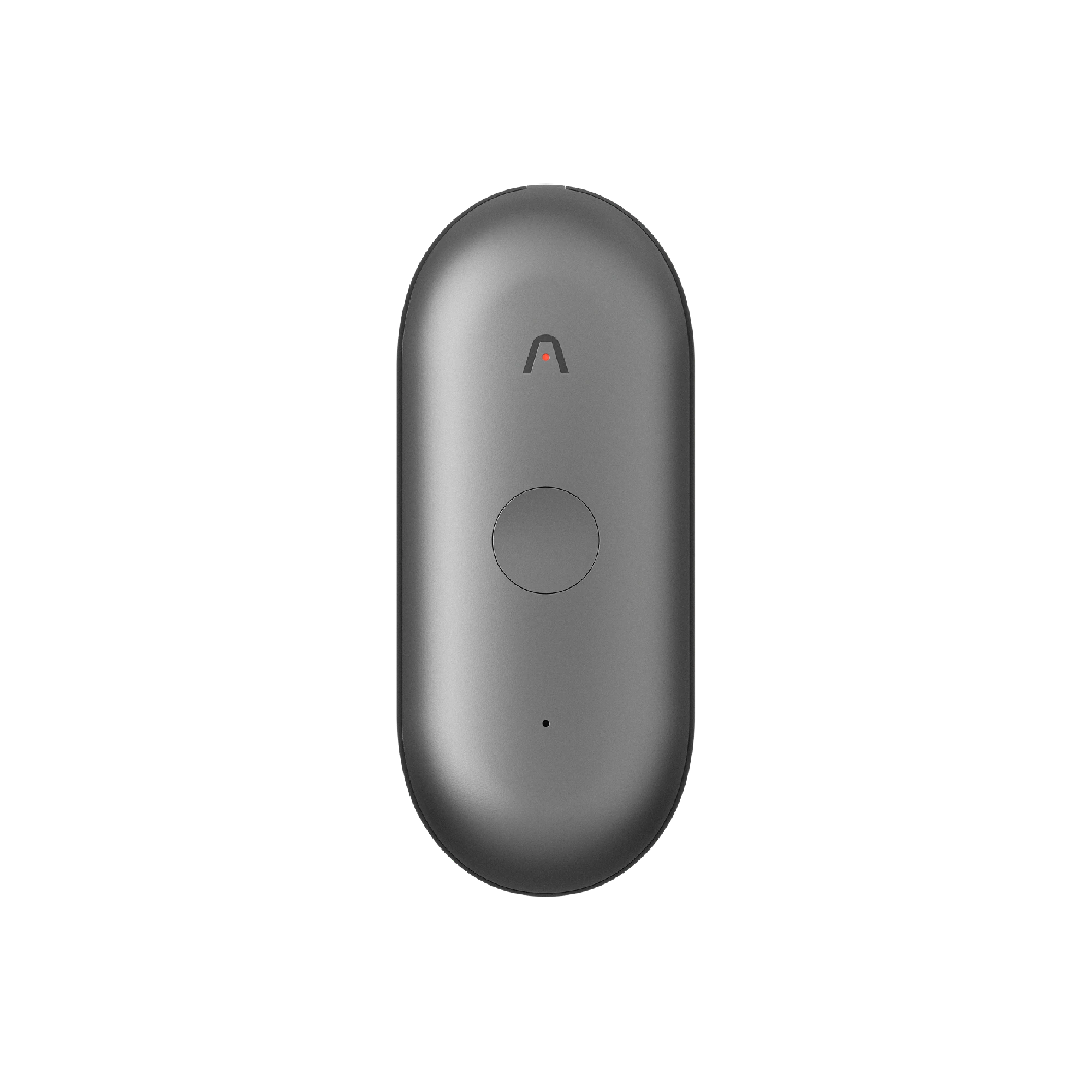
| Plaud NotePin S | In-person podcast host | Wearable, one-press capture | No | Summaries, highlights, and review | Yes, hardware capture | $179 |
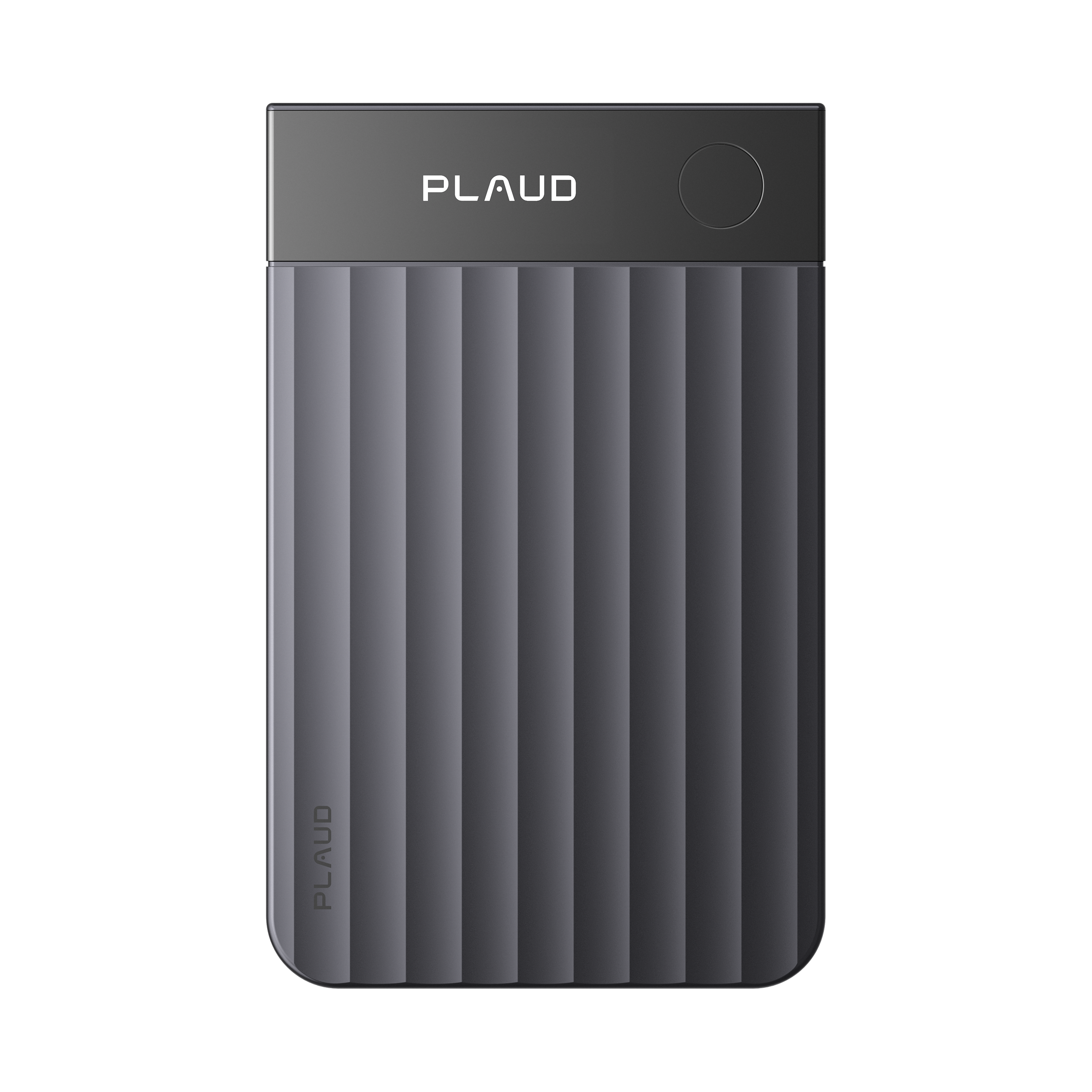
| Plaud Note Pro | Studio table, phone, and supported online host recording | Table or phone-mounted device | No | Transcripts, summaries, and review | Yes, hardware and desktop capture | $189 |
| Snipd | Podcast listener | No host recording | Yes | Saved highlights and discovery | Not a host recorder | App pricing varies |
| Descript | Edit-first show notes and clips | Import or editor-based recording | No | Show notes, chapters, clips, captions | Yes, editor workflow | Free plan included. Creator from $12/editor/month annually |
| Otter.ai | Remote recordings and file uploads | Mobile or computer microphone | No | Searchable transcripts and summaries | Desktop capture can be bot-free | Free plan included. Pro from $8.49/user/month annually |
| Podsqueeze | Podcast post-production | Upload-first | No | Show notes, chapters, posts, clips, and audiograms | Upload workflow | Check Podsqueeze site for current pricing |
| Happy Scribe | Multilingual transcripts and subtitles | Mobile app or upload | No | Transcripts, subtitles, translation, and review | Depends on capture mode | Free plan available, regional paid tiers listed |
The table separates three jobs. Plaud NotePin S and Plaud Note Pro create the source record. Snipd saves listener ideas. Descript, Podsqueeze, Otter, and Happy Scribe help once audio exists or capture happens through a computer or phone.
Podcast host vs listener (don't pick the wrong category)
A host controls the conversation, guest notice, microphone position, and episode file. A listener needs only to mark an idea, find it later, or share it.
Snipd is useful for discovery and saved highlights from other podcasts. It is not the primary recorder for your guest interview. NotebookLM can question saved material, but that is still separate from producing an episode.
Post-production tools sit in a third category. Descript can edit an existing recording through its transcript and create show notes, chapters, captions, and clips. Podsqueeze can turn uploaded podcast content into show notes, timestamps, mentions, newsletters, blog posts, social posts, clips, audiograms, and enhanced audio.
Neither one removes the need to capture a clean source file first.
How to choose an AI note taker for podcasts
Ask these questions before comparing feature lists:
- Are you recording the host and guest, saving highlights as a listener, or repurposing a finished episode?
- How many people need to be heard, and where will the microphone sit?
- Do you need a full source file, a searchable transcript, a marked quote, or a finished clip?
- What happens if the guest's consent, the upload, or the internet connection changes?
- Will the result go to an editor, a show-note page, a newsletter, or social channels?
For a host, the first test is capture. A summary cannot recover a missed sentence or poor room sound. For an editor, the first test is control over the existing file. Timecodes, speaker labels, filler-word removal, and text-based editing can matter more than the recording button.
The podcast transcription guide helps when the source file exists and you need transcript review. Keep the original audio to check names, quotes, and speaker labels.
Transcripts improve access. W3C guidance recommends transcripts and captions, while Apple Podcasts chapter guidance explains how markers help listeners navigate.
Best AI note takers for podcasts, ranked
Plaud NotePin S
Plaud NotePin S is a wearable physical AI note taker for two-person podcast interviews, walk-and-talk episodes, and small in-person recordings where the host needs to stay engaged with the guest.
- Pros: 17.4 g design, Press to Highlight, four wearing options, 112 languages, 64GB storage, and no meeting bot.
- Cons: $179 upfront, in-person-only capture, 300 Starter minutes/month per account, and limited room coverage for several speakers.
The host can wear it as a pin, clip, lanyard, or wristband. A long press starts recording. A short press marks a quote, anecdote, or possible clip without opening a phone.
Plaud NotePin S records up to 20 hours and stores the source audio locally. Typed notes, images, and highlights can preserve a guest detail or editorial cue. After syncing, Plaud App turns the file into a transcript, speaker-labeled review, and summary.
Plaud Intelligence also supports custom vocabulary, Ask Plaud, and reusable templates for repeatable episode review. For the recording steps, see how to use Plaud NotePin S.
The limit is the scene. Plaud NotePin S is not a studio multitrack recorder. A three-person roundtable may need separate microphones or a backup. Start deliberately, tell the guest, and check audio before treating a transcript as a quote.
A host who records in varied locations or needs to stay fully present with the guest gets the most from the wearable format.
Price: $179. Hardware is sold separately from the Plaud Starter Plan.
Plaud Note Pro
Plaud Note Pro is a physical AI note taker for studio tables, three-to-four person podcast roundtables, phone conversations, and supported online recordings through Plaud Desktop after device binding.
- Pros: 4 MEMS microphones with AI beamforming, Smart Dual-Mode, Press to Highlight, InstantView AMOLED display, and up to 5 m pickup in Enhance mode.
- Cons: $189 upfront, larger than a wearable recorder, not a multitrack production system, and weak networks may delay online upload.
Place Plaud Note Pro in the middle of a small table when several speakers need to be heard. Its microphone array gives more room coverage than a phone beside one guest, while the display shows recording status.
Enhance mode offers about 30 hours and pickup up to 5 m / 16.4 ft. Endurance mode can record up to 50 hours, but pickup is within 3 m / 9.8 ft. The two modes represent separate configurations with their own battery and distance limits.
Smart Dual-Mode covers phone and in-person conversations. After a purchased device is bound to the buyer's account, Plaud Desktop can capture supported online meetings without adding a meeting bot. That extends capture across more podcast scenes, but the remote guest still needs notice and consent.
Plaud Note Pro fits a small production team that needs room, phone, and supported online capture in one device-led system. Projects, AutoFlow, exports, and controlled sharing can carry the transcript into review, but they do not replace a mixer, separate tracks, or a backup recorder.
Price: $189. Hardware is sold separately from the Plaud Starter Plan.
Snipd

Snipd is a podcast listener tool for saving highlights and discovering ideas from episodes you did not produce.
- Pros: Listener-focused highlights, saved ideas, and discovery around podcast episodes.
- Cons: It does not solve guest capture, microphone placement, consent, or episode production.
Snipd fits listening research rather than guest recording. You can save a passage from another podcast and return to it later, but it does not record the guest sitting across the table.
Do not choose Snipd because you saw the words "podcast notes." First decide whether you are producing the conversation or learning from someone else's episode. For production, you need a source recording and a review process before listener-style clipping becomes relevant.
Price: Pricing varies by app store. Check the current Snipd listing for plan details.
Descript

Descript is a transcript-led audio and video editor for podcast teams that already have a recording and want to produce show notes, chapters, captions, clips, or blog content.
- Pros: Text-based editing, timecodes, speaker labels, filler-word removal, Studio Sound, show notes, chapters, and clips.
- Cons: It is not a dedicated wearable recorder, plan limits apply, and editing still depends on a reliable source file.
The imported transcript gives the editor another way to find a passage. Removing a repeated phrase or creating a clip can be faster than searching a waveform. Show notes and captions build from the same record.
That strength starts after capture. Descript is not a hands-free recorder for a walk or small room. It makes more sense when the team already has audio and needs to edit.
Price: Free includes one transcription hour per month. Creator is listed at $12/editor/month annually, and Pro at $24/editor/month annually.
Otter.ai

Otter.ai is a cloud transcription tool for remote podcast recordings, mobile capture, and uploaded audio or video when searchable transcripts matter more than production editing.
- Pros: Mobile and web recording, offline mobile capture, speaker identification, imports, summaries, search, and supported online meeting capture.
- Cons: In-person quality depends on the phone or computer microphone, live transcription needs internet, and it does not replace studio audio production.
Otter can record through a mobile or computer microphone, import an episode, or capture supported online meeting audio through Otter Desktop. That helps a small team that records remote conversations and wants a searchable archive without editing every file first.
The microphone remains the practical limit. A phone placed far from two guests will not become a studio source because the transcript is searchable. Offline recording can continue during a network interruption, but live transcription waits for the connection.
Price: Basic is free with 300 transcription minutes per month. Pro is listed at $16.99/user/month monthly or $8.49/user/month on the annual view.
Podsqueeze

Podsqueeze is podcast post-production software for turning an uploaded episode into show notes, timestamps, newsletters, blog posts, social content, clips, audiograms, and enhanced audio.
- Pros: Transcript and speaker labeling, show notes with timestamps and mentions, newsletters, blogs, social posts, clips, audiograms, and audio enhancement.
- Cons: The reviewed evidence does not establish dedicated live recording, and current price and usage limits are not confirmed.
Upload the finished episode when the team needs several supporting assets. Podsqueeze can reduce blank-page work, but someone still needs to check names, claims, tone, and whether the copy matches the episode's promise.
Podsqueeze addresses post-production repurposing. Use it after capture and basic editing are done. It does not solve microphone placement or in-room capture, so it fills a different stage than Plaud NotePin S or Plaud Note Pro.
Price: Check Podsqueeze's current site for plan pricing and usage limits.
Happy Scribe

Happy Scribe is a multilingual transcription and subtitle service for finished podcast audio, mobile recordings, uploads, translation, and optional human review.
- Pros: 60+ transcription languages listed, automatic speaker detection, subtitle exports, translation, AI Chat, mobile recording, and optional proofreading.
- Cons: Plan-based minute limits, extra charges for credits or human review, and no wearable capture.
Happy Scribe helps when an episode needs subtitles or translation for more than one audience. It can process a mobile recording or uploaded file, but it does not solve the host's microphone position or replace a production recorder.
The Free plan lists 45 minutes per recording. Basic and Pro have separate AI-minute allowances, and regional pricing may differ. Check the current plan before choosing it for a long episode or a recurring production schedule.
Price: Free and paid tiers are available. Check the current plan page for regional pricing.
Podcast recording patterns that actually work
The right tool depends on where the recording happens and how many people need to be captured.
- Two-person couch interview: Plaud NotePin S keeps the host engaged and marks a strong guest moment without putting a phone between the speakers.
- Three-to-four-person roundtable: Plaud Note Pro sits on the table. Choose Enhance mode for wider pickup or Endurance mode when the session is longer and speakers stay closer.
- Remote co-host recording: Riverside can preserve separate participant tracks, while Otter or Fathom can support transcript review when the team accepts the platform's recording and consent process.
- Listener-only research: Snipd saves ideas from other podcasts. NotebookLM can help a listener question saved material, but neither route records the listener's own show.
Keep a backup. A note taker does not create multitrack audio, a release form, a camera file, or a finished master.
Guest consent and release basics (short guide)
Tell guests that the conversation will be recorded before the first question. Explain where the file will go, who will review it, and whether clips, quotes, subtitles, or translated versions may be published.
Recording rules vary by location and by whether the conversation is in person or by phone. The Reporters Committee recording guide summarizes state recording rules for journalists. For remote recordings, Zoom's consent guidance describes participant notices when recording begins.
A release is a separate production question. Consent to record does not automatically answer whether you can publish the guest's name, image, voice, quote, or edited clip. Keep the original audio and document the agreement according to your publication or company policy. This is not legal advice.
Plaud NotePin S costs $179 and Plaud Note Pro costs $189. Hardware is sold separately from the Plaud Starter Plan, which includes 300 transcription minutes per month per Plaud account.
Choose the wearable for two-person in-person recording, or choose Plaud Note Pro when the episode includes a roundtable, phone call, or supported online conversation.

- Smart dual-mode: Auto detects calls and in-person conversations.
- Pro performance: 0.12 in thin, 5 m pickup, 30 hours recording,

- Versatile options: Wear it as a lanyard, wristband, clip, or pin.
- Lightweight: 0.61 oz, 20 hours recording, 64GB storage.

- Dual-mode recording: Capture calls and in-person conversations.
- Ultra-thin: 0.12 in, 30 hours recording, 64GB storage.

- Versatile options: Wear it as a lanyard, wristband, clip, or pin.
- Lightweight: 0.61 oz, 20 hours recording, 64GB storage.