In an interview, you have to listen for the next question, read the participant's reaction, and keep the conversation comfortable at once. Note-taking can pull your attention away.
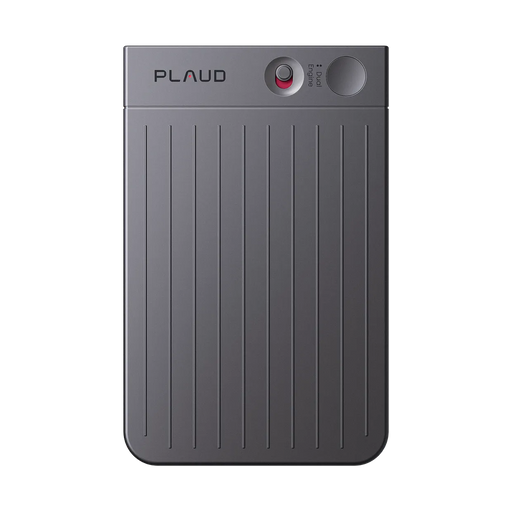
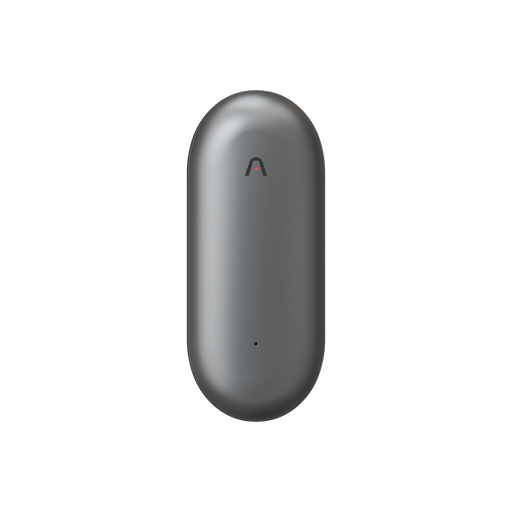
The recorder depends on the scene. Use Plaud NotePin S for one-to-one interviews where a phone would distract from eye contact. Use Plaud Note Pro for desk interviews, focus groups, and phone calls. Otter, tl;dv, and Fathom suit supported video calls.
Best AI note takers for interviews
Choose the capture method before comparing summaries. An in-person interview needs a microphone that can stay out of the conversation. A phone interview needs a device that can capture both sides of the call. A remote interview needs the right computer audio and a recording notice that the participant understands.
| Product | Best interview setting | Unobtrusive in-person | Phone/remote support | Bot-free? | Free allowance | Entry price |
|---|---|---|---|---|---|---|
| Plaud NotePin S | One-to-one in-person interviews | Wearable, one-press capture | No direct phone calls | Yes, hardware capture | Plaud Starter Plan: 300 minutes/month per account | $179 |
| Plaud Note Pro | Desk, panel, focus group, and phone interviews | Table or phone-mounted device | Supported online capture through Plaud Desktop after binding | Yes, hardware and desktop capture | Plaud Starter Plan: 300 minutes/month per account | $189 |
| Otter.ai | Occasional mobile and video interviews | Phone or computer microphone | Mobile, desktop, and meeting bot options | Desktop botless capture, platform-dependent | 300 minutes/month on Basic | $8.49/user/month annual view |
| tl;dv | Remote UX interviews and clip review | Not confirmed | Remote meetings and device audio | Bot-free capture is described | Unlimited recording and transcription, AI notes for up to 10 meetings/month | $18/seat/month annual Pro view |
| Fathom | Remote-only video interviews | Limited and platform-dependent | Zoom, Meet, and Teams | Bot-free beta varies | Unlimited recordings and transcriptions | Free |
| Granola | Laptop-based interviews without a bot | iPhone or computer capture | Desktop and iPhone support | Yes, no meeting bot | 30-day note history | $14/user/month Business |
| Happy Scribe | Multilingual uploads and mobile interviews | Mobile app | Meeting bot, mobile, and upload options | Depends on capture mode | 45 minutes per recording on Free | Region-dependent |
What counts as an interview, and why normal meeting bots fall short
An interview can be a café conversation, a research session, a hiring screen, a focus group, or a remote call. Each scene needs a reviewable record, but not the same microphone position.
In a café, a bot cannot join the room and a laptop may change the tone of the conversation. In a focus group, the microphone must cover several speakers without leaving the interviewer tied to a keyboard. On Zoom, a bot may work well, but the participant needs to know that a separate meeting attendee is recording.
The review task changes too. A journalist may need an exact quote. A UX researcher may want timestamps around a usability problem. HR still requires transcript review before sharing.
Capture quality comes before the summary badge. If the microphone misses a sentence or assigns it to the wrong speaker, the polished note cannot repair the source.
How to choose an AI note taker for interviews
Ask four questions before you look at price.
- Where will the interview happen? Room, phone, desk, or video platform?
- Can the recorder stay out of the participant's way? A visible phone may affect the conversation.
- What will you review afterward? Full transcript, selected quotes, themes, clips, or action items?
- What policy controls the file? Consent, retention, storage, sharing, and research governance all matter.
For in-person work, check distance and speaker count. A wearable near the interviewer suits a one-to-one conversation, but it is not a universal room microphone. A table device can cover a small group, while a phone app depends on its position.
If your next task is quote checking or thematic coding, keep the original transcript and review the audio around important passages. For more guidance on interview notes, focus on how the record will be used after the conversation, not only how it is captured.
Best AI note takers for interviews, ranked
Each profile below covers the interview setting where the capture method fits, plus the formats it does not handle.
Plaud NotePin S
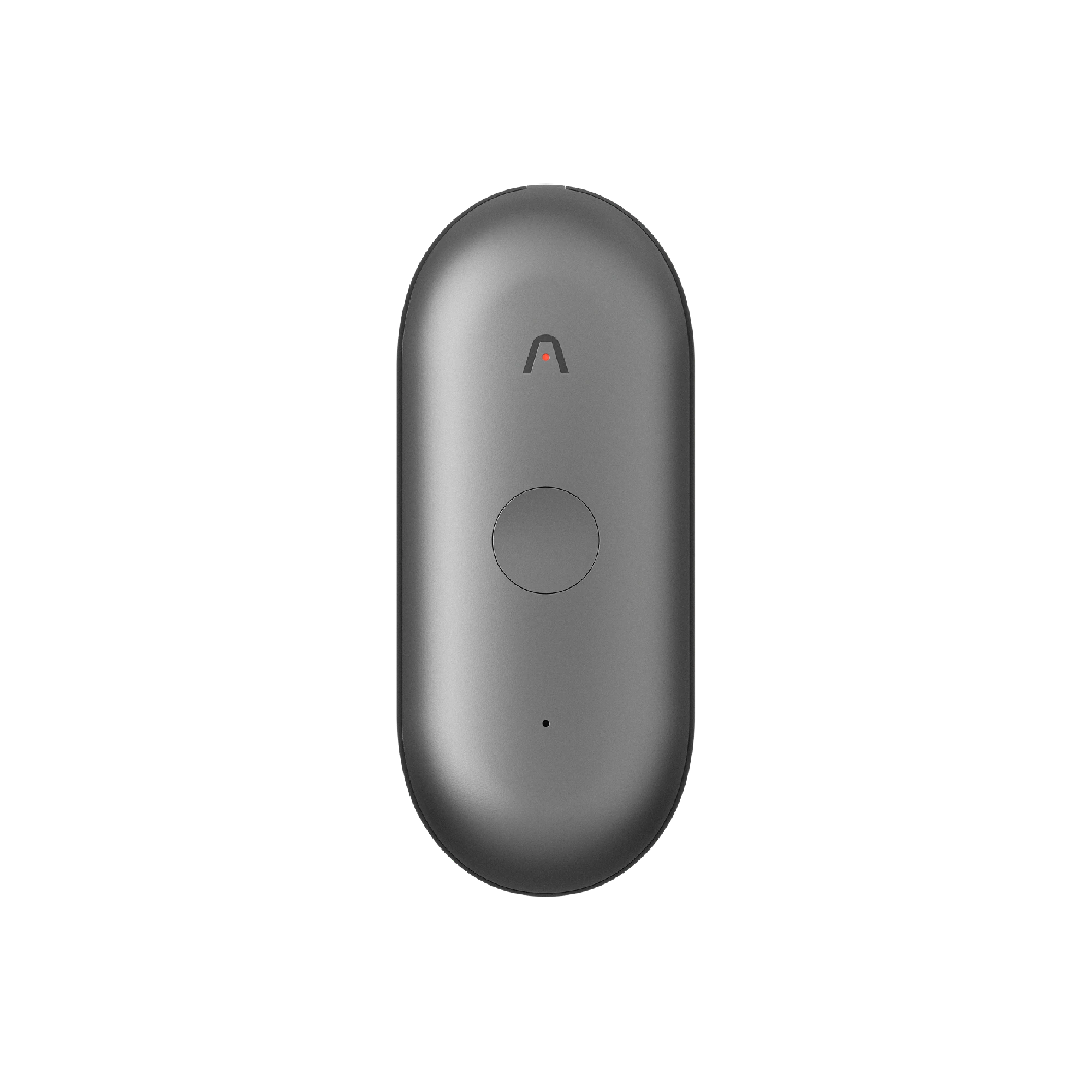
Plaud NotePin S is a wearable AI note taker for one-to-one in-person interviews where the interviewer needs eye contact and a phone-free table.
- Pros: One-press capture, four wearing options, Press to Highlight, and 64GB local storage.
- Cons: $179 upfront, in-person recording only, and 300 Starter minutes/month per account.
The 17.4 g device can sit on a lanyard, clip, wristband, or magnetic pin. That keeps the recording control within reach without placing a glowing screen between two people. A long press starts recording, while a short press marks a quote or follow-up moment.
That short press marks a moment in real time. Flag a strong quote or a follow-up point mid-conversation, then return to it in Plaud App. Plaud Intelligence supports 112 languages, speaker labels, custom vocabulary, summaries, Ask Plaud, and AutoFlow.
The device records up to 20 hours and stores audio on 64GB local storage. Typed notes, images, and highlights can preserve a research code or visual reference alongside the audio.
Start deliberately, tell the participant, and sync the file before review. For a broader comparison, see this recording device for interviews guide.
Plaud NotePin S makes the most sense when participant comfort and interviewer attention matter more than phone-call support. In Plaud App, you can mark a moment mid-conversation, add a context note, and review the transcript against the audio when the interview ends.
Price: $179. Hardware is sold separately from the Plaud Starter Plan.
Plaud Note Pro
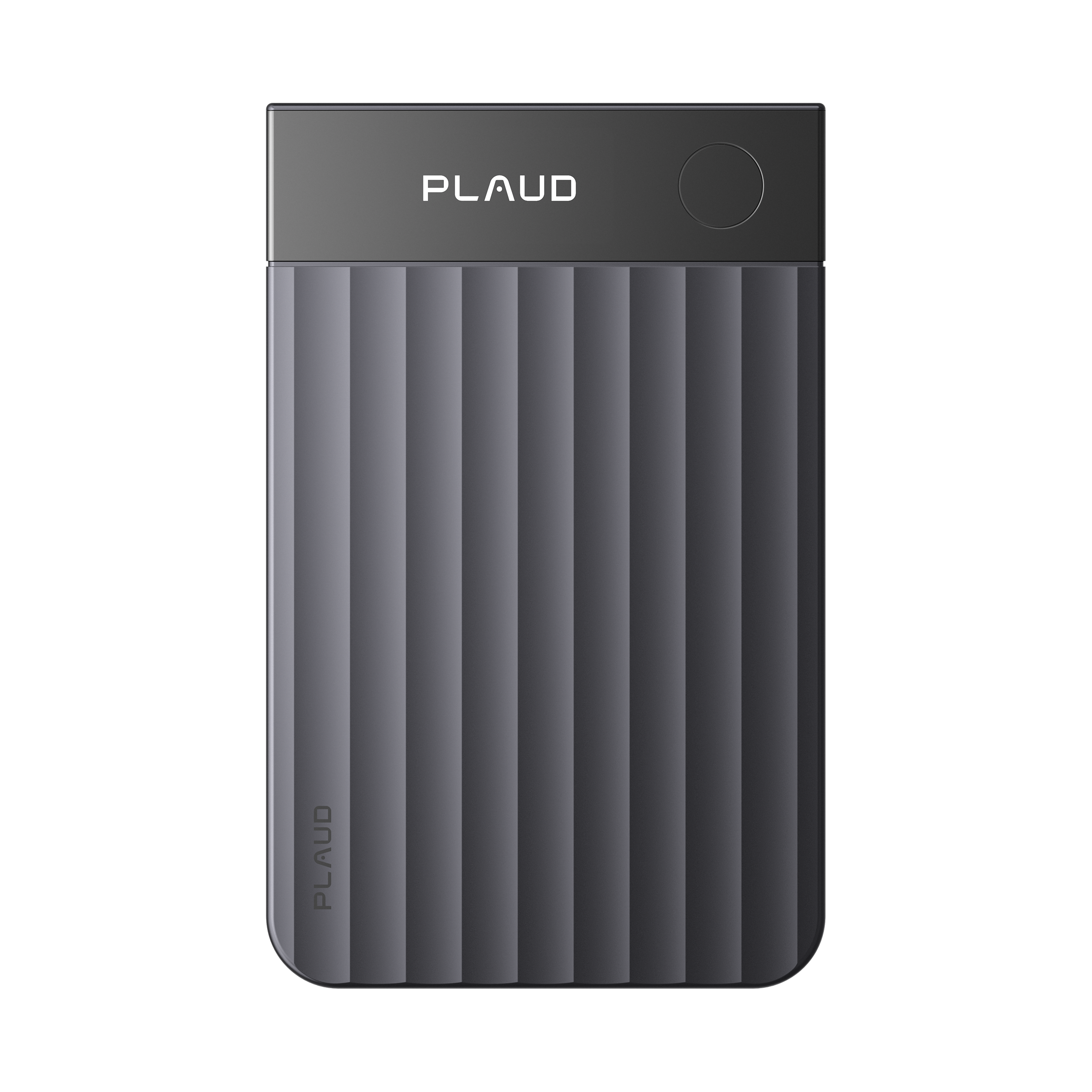
Plaud Note Pro is a physical AI note taker for desk interviews, two to four person focus groups, phone calls, and supported online interviews.
- Pros: Four MEMS microphones with AI beamforming, Smart Dual-Mode, up to 5 m pickup in Enhance mode, and InstantView AMOLED display.
- Cons: $189 upfront, larger than a wearable recorder, and weak networks can delay online upload.
Place Plaud Note Pro on the table when several people need to be heard. Its four-microphone array and AI beamforming give a small focus group more room than a phone placed beside one speaker.
The visible status display also makes the recording state easier to check before the conversation starts.
Smart Dual-Mode switches between phone calls and in-person conversations. If you bind a purchased device to the buyer's account, Plaud Desktop can capture supported online meetings without adding a meeting bot. You can therefore use the same product at a desk, in a room, or on a phone call, but participants still need notice.
Enhance mode offers up to 30 hours of recording and pickup up to 5 m. Endurance mode extends recording to up to 50 hours with a shorter pickup range. Choose the mode based on the interview room and schedule, not as one universal battery claim.
Choose Plaud Note Pro when the interview moves between a desk, phone, focus group, and supported online call.
Price: $189. Hardware is sold separately from the Plaud Starter Plan.
Otter.ai

Otter.ai is best for occasional interviews when a phone, browser, or supported video meeting already forms part of the recording process.
- Pros: Mobile recording, offline mobile capture, speaker identification, search, imports, and meeting integrations.
- Cons: Phone or computer microphone placement affects in-person quality, and account and plan limits apply.
Otter can record through a mobile or computer microphone, join supported Zoom, Meet, or Teams meetings, or import an existing audio or video file. That flexibility helps a researcher who conducts interviews in several formats and wants one searchable archive.
The phone remains part of the scene for in-person work. Otter's own guidance recommends placing the microphone near the speakers, so a phone on a café table may be more visible than a wearable recorder.
Offline mobile recording can continue during a network interruption, but live transcription waits until the connection returns.
Otter fits occasional mobile or video interviews when the primary need is a searchable, shareable transcript. For sensitive research, review the organization's account, retention, sharing, and consent settings before recording.
Price: Basic is free with 300 transcription minutes per month. Pro is listed at $16.99/user/month monthly or $8.49/user/month on the annual view.
tl;dv

tl;dv is best for remote UX interviews where timestamps, clips, and post-call review matter more than in-person capture.
- Pros: Remote recording and transcription, AI notes, timestamps, clips, and multi-meeting insights.
- Cons: Phone, offline, and room-first capture are not confirmed in the current evidence.
For a remote research call, a timestamped clip can be easier to share than a long transcript. A UX team can return to the moment a participant describes a problem.
tl;dv is documented for remote meeting capture and device audio, but the current source material does not establish a phone or offline workflow. Use a physical recorder instead when the participant is sitting across the table.
Price: An official July 2026 comparison lists a Free plan, Pro at $18/seat/month billed annually or $29 monthly, and Business at $29/seat/month annually or $39 monthly. Refresh the pricing page before publication.
Fathom

Fathom is best for remote-only video interviews when a free recording and transcription plan is more important than room or phone coverage.
- Pros: Free unlimited recordings and transcriptions, summaries, action items, search, and clips.
- Cons: Platform and permission requirements, bot-free capture varies, and external recording uploads are not supported.
Fathom supports Zoom, Google Meet, and Microsoft Teams. It can produce a transcript and summary without requiring manual notes during the call. That fits a scheduled video interview where every participant is already online.
Do not stretch that recommendation to a café, phone call, or focus group. The reviewed materials describe an iOS route for direct in-person recording, while room capture through a laptop cannot reliably distinguish multiple speakers. Bot-based capture also changes the participant experience, so disclose it before the interview.
Price: Free. Paid plans begin at $16/month on the monthly Premium view.
Granola

Granola is best for interviews held on a laptop when the interviewer wants notes without a meeting bot joining the call.
- Pros: Local microphone and system-audio capture, no meeting bot, desktop notes, and iPhone in-person capture.
- Cons: Phone, offline, and fully in-person coverage are less complete than a dedicated recorder.
Granola captures desktop microphone and system audio locally. No bot appears as another participant. That can make a remote interview feel less crowded, especially when the interviewer already has a Mac or Windows computer open.
Its iPhone app can capture in-person conversations and supported calls, but the computer or phone still has to be active.
Granola does not retain audio or video after transcription, and the reviewed documentation does not confirm general offline transcription. It suits desk-based remote interviews better than fieldwork or room interviews.
Price: Basic is free with limited 30-day note history. Business is listed at $14/user/month.
Happy Scribe

Happy Scribe is best for multilingual interview transcription, subtitles, mobile recording, and optional human review after the conversation.
- Pros: 60+ transcription languages listed, automatic speaker detection, mobile recording, AI Chat, and subtitle exports.
- Cons: Plan-based minute limits, usage charges for extra credits, and no wearable capture.
Happy Scribe can record interviews in its mobile app, process uploaded files, or use its AI Notetaker for supported video meetings. That gives multilingual research teams more options when the source file already exists or the transcript needs subtitles and translation.
It is not a direct hardware alternative to Plaud NotePin S. The Free plan lists 45 minutes per recording, while higher tiers add more AI minutes and longer recordings. Human proofreading is available as an extra service, so check the price and currency for the target region.
Price: Region-dependent. The reviewed pricing page lists Free, Basic, Pro, and Business tiers.
Interview patterns that actually work
Use the smallest capture method that covers the scene.
- Café or office one-to-one: Plaud NotePin S keeps the phone off the table and lets the interviewer stay engaged.
- Two-to-four-person focus group: Plaud Note Pro sits in the center and gives the microphone more room to hear several speakers.
- Phone interview: Plaud Note Pro Smart Dual-Mode is the relevant hardware pattern. A meeting bot cannot capture a normal phone call.
- Remote Zoom interview: Fathom or Otter can work when the organization accepts the platform, account, and consent process.
For the wearable process, see how to use Plaud NotePin S.
Recording consent and ethics (short guide)
Consent is part of the interview design, not a sentence added after recording starts. Tell the participant what will be recorded, why, who can access it, and how long you will keep it. The Reporters Committee recording guide notes that consent rules vary by state and by whether the conversation is in person or by phone. For remote calls, Zoom's consent guidance shows how participant notices can appear when recording starts.
Journalists, universities, HR teams, and UX researchers may also have policies beyond local law. An academic project may require institutional review or a consent form. A newsroom may have a source-protection policy. A company may restrict where interview audio can be stored.
Check the recording indicator or device action before asking the first question. Keep a backup only when policy allows it. Review speaker labels and important quotes against the audio before publication or internal sharing.
Recording rules vary by location and context. This is not legal advice.
Plaud NotePin S costs $179 and Plaud Note Pro costs $189. Hardware is sold separately from the Plaud Starter Plan, which includes 300 transcription minutes per month per Plaud account.
Choose the wearable for one-to-one in-person interviews, or choose Plaud Note Pro when the work includes a desk, focus group, phone, or supported online interview.