As an executive assistant, the hardest part of my job isn't scheduling or travel logistics. It's what happens in the room. I sit in board meetings, leadership off-sites, and one-on-ones with the CEO where people say things they'd never put in an email. My job is to capture those conversations accurately, and the stakes for getting it wrong are high.
If your exec's calendar is mostly Zoom calls with mid-level managers, a standard meeting bot will probably work fine. This article is for EAs who support C-suite leaders in rooms where confidentiality isn't optional, it's the whole point.
The real problem isn't whether a tool can record. It's whether your executive will trust it enough to speak freely with it running. I've watched a CFO clam up the moment someone mentioned "AI transcription." And I've spent evenings reconstructing meeting notes from memory because I didn't have a recording, only to get an email the next morning asking, "Wasn't there a third action item?" That kind of gap doesn't just create extra work. It erodes the trust your exec places in you.
How I chose the best AI note takers for executive meetings
Why security matters more than features
According to Fellow.ai's 2025 survey, 50% of professionals who don't use AI note takers cite privacy and security as their main concern. In executive settings, that number feels low. I've been in meetings where discussing M&A targets, board compensation, or pending litigation is the agenda. One data leak from a cloud-stored transcript, and the consequences aren't a slap on the wrist. They're legal liability, regulatory exposure, and broken trust that takes years to rebuild.
The same survey found that 84% of people change how they speak when an AI note taker is present. In a leadership meeting, that self-censoring defeats the entire purpose of being in the room. So the first question I ask about any tool isn't "how accurate is the transcript?" It's "will the people in this room feel safe enough to talk normally?"
What actually matters (and what doesn't)
After testing several approaches over the past year, three things consistently separate tools that work in executive settings from those that don't.
Where the data lives. Does the recording stay on a physical device until I choose to sync it? Or does it stream to a cloud server the moment I hit record? For sensitive meetings, local-first storage isn't a nice-to-have. It's the starting line.
What certifications back it up. When legal or IT asks me about the tool I'm using (and they will), I need to point to something concrete: SOC 2 Type II, ISO 27001, HIPAA, GDPR. Vague promises about "enterprise-grade security" don't hold up in a compliance review.
How it looks in the room. Executive meetings have a certain decorum. A phone propped on the table with a recording app running sends the wrong signal. So does a meeting bot announcing itself on a video call with a board member. The tool should be discreet enough that it doesn't shift the energy in the room.
Security feature comparison
| Feature | Plaud Note Pro | Manual + Pro Transcription | Cloud Tools (Otter/Fireflies) | Plaud Note | Pen & Paper + AI |
|---|---|---|---|---|---|
| Storage | Local device (64GB), optional encrypted cloud sync | Physical recorder, files stay on device | Cloud-based by default | Local device, optional encrypted cloud sync | Physical notes, no digital trail until you choose |
| Encryption | End-to-end, at rest and in transit | Depends on transcription vendor | In transit and at rest (cloud) | End-to-end, at rest and in transit | N/A |
| Offline Mode | Full recording, no internet needed | Full recording, no internet needed | Limited (record-only, no live features) | Full recording, no internet needed | Always works |
| Compliance | SOC 2 Type II, ISO 27001/27701, HIPAA, GDPR, EN 18031 | Varies by transcription vendor (look for NDA + SOC 2) | SOC 2, GDPR (varies by plan tier) | SOC 2 Type II, ISO 27001/27701, HIPAA, GDPR, EN 18031 | No digital compliance needed |
5 Best AI Note Takers for Executive Meetings
Plaud Note Pro
Plaud Note Pro is the device I now carry into every boardroom, and the reason is simple: it records locally, it looks professional, and when IT asked me about compliance, I handed them a list of certifications instead of excuses.

Why It works for executive meetings
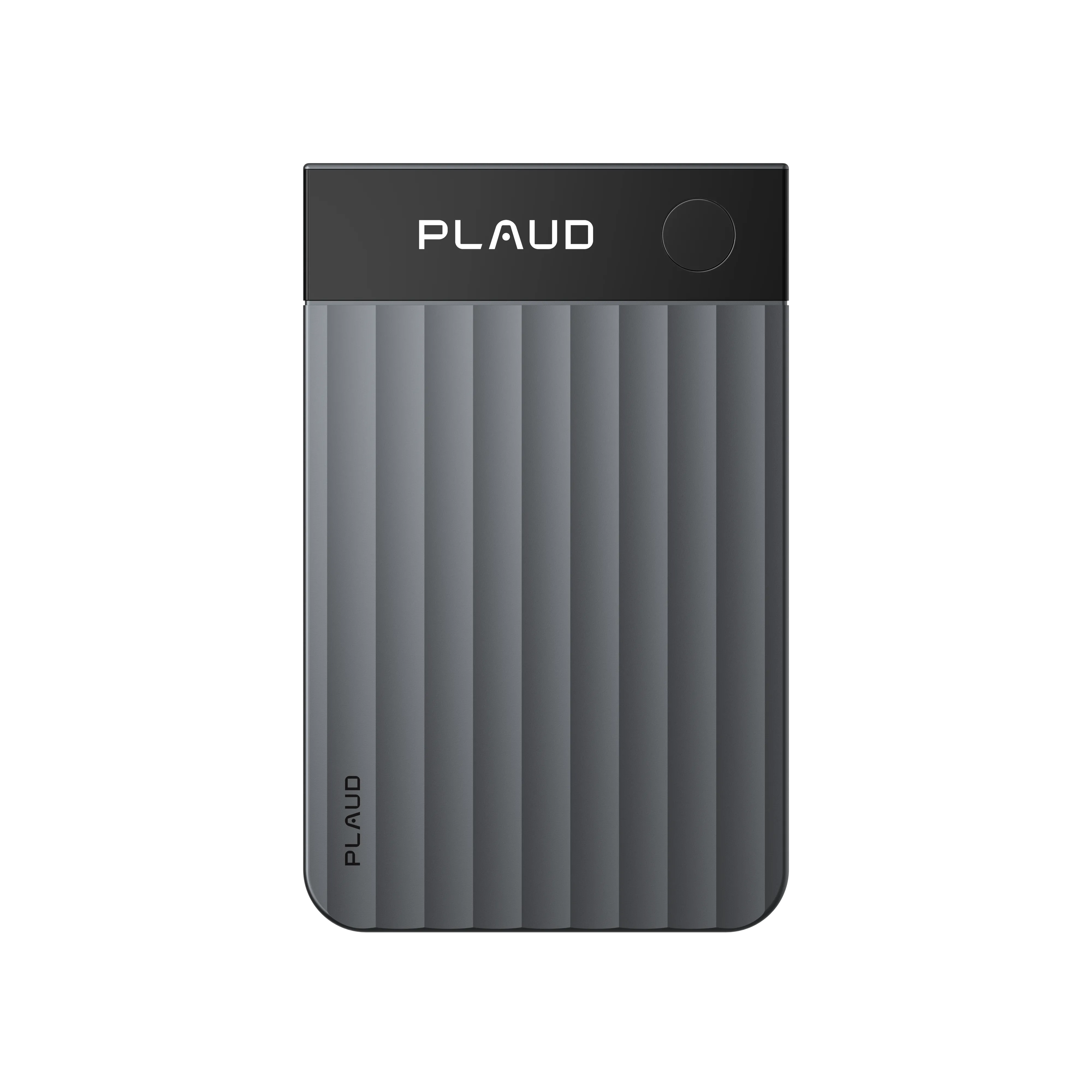
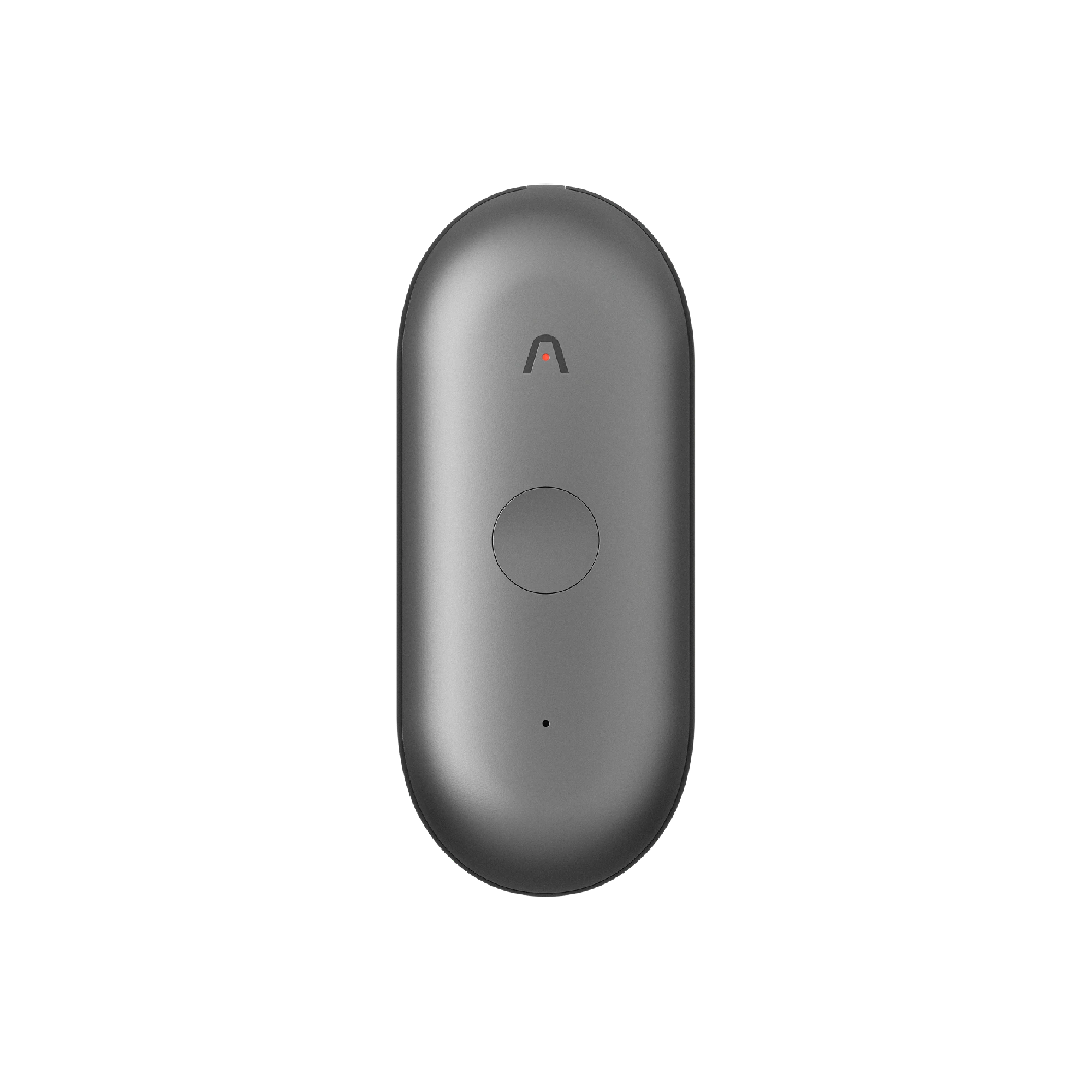
The device is about the size of a credit card and sits flat on the table. It doesn't look like consumer tech. It looks like it belongs there, which matters when you're in a room with a CEO, general counsel, and two board members. The small AMOLED screen on front lets me glance down and confirm it's recording without pulling out my phone or interrupting the conversation.
Everything records locally to 64GB of onboard storage. No cloud connection needed during the meeting. That means even in a secure facility with no guest Wi-Fi (which describes about half the boardrooms I've been in), the device works exactly the same. I sync it to the app later, on my own time, over a connection I trust. Plaud gives me the option to keep recordings local-only or use encrypted cloud sync, and I can delete any recording permanently from the app at any time.
The compliance stack is the part that made my job easier. SOC 2 Type II, ISO 27001, ISO 27701, HIPAA, GDPR, EN 18031. When our legal team vetted the tool, those certifications shortened the approval process from weeks to days. The Plaud Intelligence platform generates transcripts with speaker labels and lets me produce different summary formats from the same recording. I typically run a "meeting minutes" template for formal distribution and an "action items" template for the exec's personal follow-up list.
The highlight button has become part of my workflow now. When the CEO makes a decision or assigns something, I press it. Those moments get flagged in the transcript, so when I'm writing up the official minutes, I don't have to scrub through two hours of audio looking for the one sentence that matters.
Where It's not the best choice
The device costs $179, and if your monthly transcription exceeds the free 300-minute allotment, you'll need a paid plan. For an EA supporting one executive with a manageable meeting load, the free tier might be enough. But if you're covering a full C-suite calendar, the cost adds up. I also can't get real-time transcription during the meeting itself, since it processes after the fact. For meetings where I need to flag something to the exec in the moment, I still rely on my own shorthand alongside the recording. And the proprietary magnetic charger is easy to forget on a trip.
Manual recording + Professional transcription service
This is the approach that's been around forever, and there's a reason it hasn't gone away. You record with a dedicated device (a Sony ICD, an Olympus, or even the Plaud hardware without using the AI features), then send the audio to a professional transcription service that operates under an NDA and strict confidentiality terms.
Why It works for executive meetings
For the most sensitive meetings I support, like board executive sessions or conversations involving legal strategy, this is still the most defensible workflow. The audio never touches a cloud AI model. A human transcriptionist, bound by contract, listens to the recording, produces a transcript, and the file handling follows whatever data retention and destruction policies you've agreed on. It's the option that makes legal counsel most comfortable, and in executive settings, that comfort has real value.
The accuracy tends to be higher than AI transcription for complex discussions with industry jargon, multiple speakers talking over each other, or mixed accents. I've had AI tools consistently fumble our CFO's name and a few technical terms that came up in every meeting. The human transcriptionist got them right after the first session.
Where It's not the best choice
Turnaround time is the obvious trade-off. Most services deliver within 24 to 48 hours, and rush orders cost extra. If my exec needs the meeting summary within the hour (which happens more often than I'd like), this approach can't keep up. Cost is the other factor. Professional transcription runs anywhere from $1.50 to $3.00 per audio minute, so a two-hour board meeting could cost $180 to $360 for a single transcript. Over a month of regular executive meetings, that budget gets significant. And you're still dependent on finding a vendor you trust. Not all services have the same security posture, so vetting the vendor becomes its own project.
Cloud solutions: otter AI and Fireflies.ai (With Caveats)
Tools like Otter and Fireflies dominate the AI meeting assistant market, and for good reason. They're fast, they integrate with calendars and CRMs, and the AI summaries are genuinely useful for day-to-day meetings. But when it comes to executive-level conversations, they come with trade-offs that an EA needs to understand before hitting record.
Why they work for executive meetings
For lower-sensitivity executive meetings (team all-hands, strategy brainstorms, recurring leadership syncs), these tools save a lot of time. Otter's real-time transcription lets me follow along during the meeting and catch anything I might have missed. Fireflies generates structured summaries with action items, key topics, and even sentiment markers. Both tools search across past meetings, so when my exec asks "What did we decide about the vendor contract three weeks ago?", I can pull it up in seconds instead of digging through folders.
If your organization is already paying for an enterprise plan with one of these tools, the security features at the higher tiers are reasonable. Otter's Business and Enterprise plans offer admin controls, data retention settings, and compliance documentation. Fireflies offers SOC 2, GDPR, and HIPAA compliance on enterprise plans, along with a private cloud storage option.
Where they're not the best choice
The fundamental issue is that audio goes to the cloud for processing. Even with encryption and compliance certifications, the data leaves your control during transcription. For meetings involving M&A discussions, litigation strategy, executive compensation, or board-level decisions, that creates a risk that many legal and IT teams aren't comfortable with.
There's also the bot problem. Otter and Fireflies join virtual meetings as visible participants, which can be awkward or disruptive in executive settings. I've had a board member refuse to continue a call until the recording bot was removed. For in-person meetings, the mobile app approach works (using your phone's microphone), but the audio quality is inconsistent and the phone sitting on the table sends the wrong message in a formal setting.
One more thing that bothers me: data retention defaults. Both tools store recordings and transcripts in the cloud indefinitely unless you configure otherwise. For executive content, that's a liability. You have to actively manage deletion schedules, and if someone on the team doesn't follow the protocol, sensitive material sits on a server longer than it should.
Plaud Note
If you're supporting an executive whose meeting load doesn't justify the Pro price tag, the Plaud Note gives you the same security infrastructure in a more affordable package. Same credit-card form factor, same local-first recording, same compliance certifications, same app and AI backend.

Why It works for executive meetings
The security story is identical to the Pro. SOC 2 Type II, ISO 27001, HIPAA, GDPR. Your data stays on-device until you choose to sync, and the encryption standards are the same. For an EA whose primary concern is "can I put this tool in front of legal and get a yes?", the Note clears the same bar.
The recording workflow is straightforward: one button to start, one button to stop. The audio syncs to the Plaud app when I'm ready, and I get the same transcript quality, the same summary templates, and the same export options (DOCX, PDF, markdown) as the Pro. For a standard executive 1-on-1 or a small leadership meeting with four or five people, the audio quality is clean and reliable.
Where it's not the best choice
The Note has two microphones versus the Pro's four, so the pickup range is shorter. In a large boardroom with eight or more people spread across a long table, the corners get fuzzy. There's no screen on the device, so I can't confirm recording status without checking my phone, which feels slightly less polished in a formal setting. And the form factor, while professional, lacks the AMOLED display that makes the Pro look like a premium piece of hardware rather than a generic gadget. For high-profile board meetings or meetings with external VIPs, that visual difference matters more than you'd think.
Pen & Paper + Post-meeting AI summary
Every EA I know started here, and most of us still fall back on it when the situation calls for zero technology in the room. Pen, legal pad, shorthand, and then type up the notes afterward (optionally running them through an AI tool like ChatGPT to structure and clean up the output).
Why It works for executive meetings
There is no data risk. Nothing is recorded, nothing is stored on a server, nothing can be subpoenaed from a cloud provider. For meetings where the topic is so sensitive that even a physical recorder would raise eyebrows (executive sessions, HR investigations, sensitive legal briefings), pen and paper is sometimes the only appropriate option. Some organizations have explicit policies against recording certain meeting types, and in those cases, this isn't a fallback. It's the requirement.
There's also an interpersonal dimension. In some executive cultures, the EA quietly taking handwritten notes is a sign of professionalism and discretion. It signals "I'm here to support the conversation, not surveill it." That social signal can matter, especially with older board members or executives who are skeptical of AI tools.
Where It's not the best choice
The limitations are obvious but worth naming. Handwritten notes are only as good as my listening and shorthand skills, and in a fast-moving two-hour meeting with six people, I miss things. Every time. The post-meeting write-up takes 30 to 60 minutes of focused work, and even with an AI tool to help structure the output, I'm working from incomplete source material. There's no recording to go back to, no way to verify an exact quote, and no safety net if someone disputes what was said.
I also find that the cognitive load of note-taking pulls me out of the meeting. When I'm scribbling, I'm not reading the room, not anticipating what my exec needs, and not catching the tone shifts that sometimes matter more than the words. A dedicated recording device frees me from that split attention.
So which one should you pick?
If the meeting involves board-level decisions, legal strategy, M&A, or executive compensation, and your organization allows recording, Plaud Note Pro gives you the strongest combination of local-first security, compliance documentation, and professional appearance. For the most sensitive subset of those meetings, pairing it with a professional transcription service (instead of cloud AI) adds another layer of control.
If your organization requires zero AI processing of certain meeting types, manual recording plus a professional transcription vendor under NDA is the most defensible path. Budget for the turnaround time and cost.
If your exec's meetings are mostly internal leadership syncs and the content is sensitive but not regulated, a cloud tool like Otter or Fireflies on an enterprise plan can work, as long as you configure retention policies and get IT's approval. Use these for the 70% of meetings that don't touch the most sensitive material.
If budget is a constraint but compliance isn't optional, the Plaud Note offers the same security stack as the Pro at a lower price point. It handles smaller meetings well and clears the same legal review.
If the meeting is too sensitive for any recording device, pen and paper is the right call. Know when to leave the tech in your bag.
Conclusion
For an EA supporting C-suite leaders, the first question about any note-taking tool should always be "Is this secure enough for the room I'm walking into?" Features and speed matter, but they're secondary to trust. If the people in the meeting don't trust the tool, they'll hold back, and the notes you capture won't reflect what actually happened.
My setup: Plaud Note Pro for most executive meetings, pen and paper for executive sessions and the most sensitive conversations, and Otter for lower-stakes internal syncs. That tiered approach covers about 95% of what lands on my exec's calendar.
Here's a practical next step: list out the meetings you support in a typical week. Tag each one by sensitivity level (routine, confidential, highly restricted). That map will tell you exactly which tool fits where, and it'll make the conversation with legal or IT much smoother.