
Ever stare at a 2-hour video and think, "I don't have time for this"? You're not alone. Long videos eat up your day.
The solution? AI video summarizers. They extract important stuff in seconds instead of hours.
What kind of videos are we talking about? Could be a YouTube lecture. A locked training video from your company. Or a live presentation happening right now. Whatever you're dealing with, there's a tool that can help.
There are three methods that actually work. Free options that use transcripts. Hardware recorders for restricted content. And apps that do everything automatically. Which method is right for you? Let's break down each one.
How to summarize a video? 3 ways to convert a video into a summary
The best approach depends on whether you can access the video's transcript, download permissions, or if you're dealing with protected content. Free methods work great for standard YouTube videos, while locked or live content requires different solutions. Here's how each method works and when to use it.
Method 1: YouTube transcript + ChatGPT (free)
The most popular free method combines YouTube's built-in transcript feature with AI chatbots like ChatGPT or Claude.
Step 1: Get the YouTube transcript
Open a YouTube video that has captions. Under the video, in the description area, click “Show transcript.” A transcript panel will appear on the right side (or below the video on smaller screens). Click once inside the transcript panel, then press Ctrl+A (or Cmd+A on Mac) to select all the text, and copy it.

Step 2: Use ChatGPT or Claude for summarization
Open ChatGPT or Claude and upload your transcript. Rather than asking the question “Can you summarize this?” write something more specific, such as “Can you summarize this lecture in an outline with 2-3 key points per section?” or “Please extract the top five key points from that video.” The more specifically you write the question, the more accurate your video summary AI results will be.

Step 3: Try Google's AI Studio or NotebookLM
To make the process even smoother, Google AI Studio and NotebookLM allow direct linking to YouTube videos without the need to manually copy the URL. NotebookLM is particularly useful since one can “talk” to the video to ask secondary questions, such as, “What are the counter-arguments to this solution?” These platforms allow free use of the AI YouTube video summarizer.

Method 2: Plaud Note Pro for protected or inaccessible videos
What if you can't download the video? Or there's no transcript available? Think about proprietary training videos. DRM-protected content. Password-locked lectures. You need a different approach. You need to capture the audio as it plays.
Step 1: Position the Plaud Note Pro near your speaker
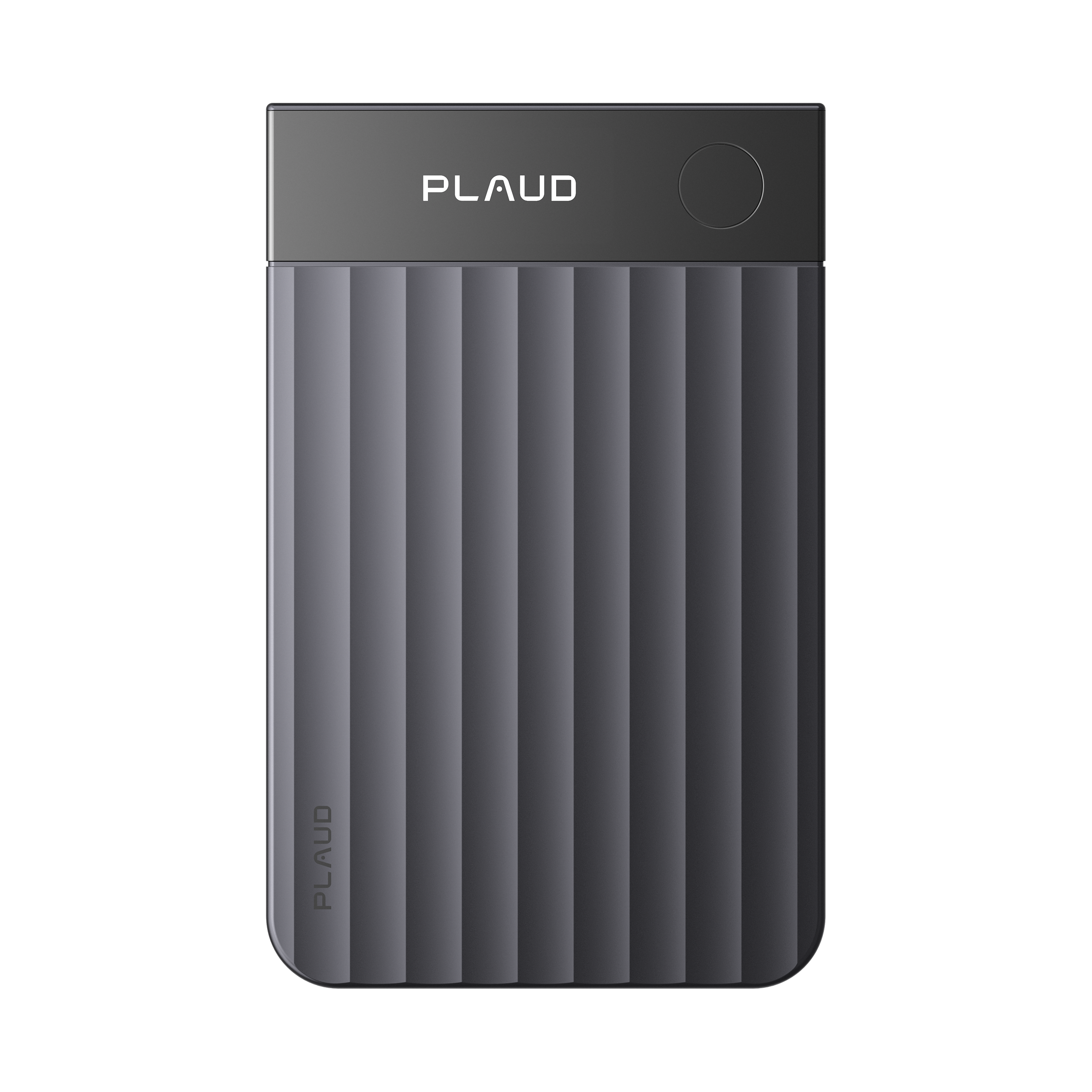
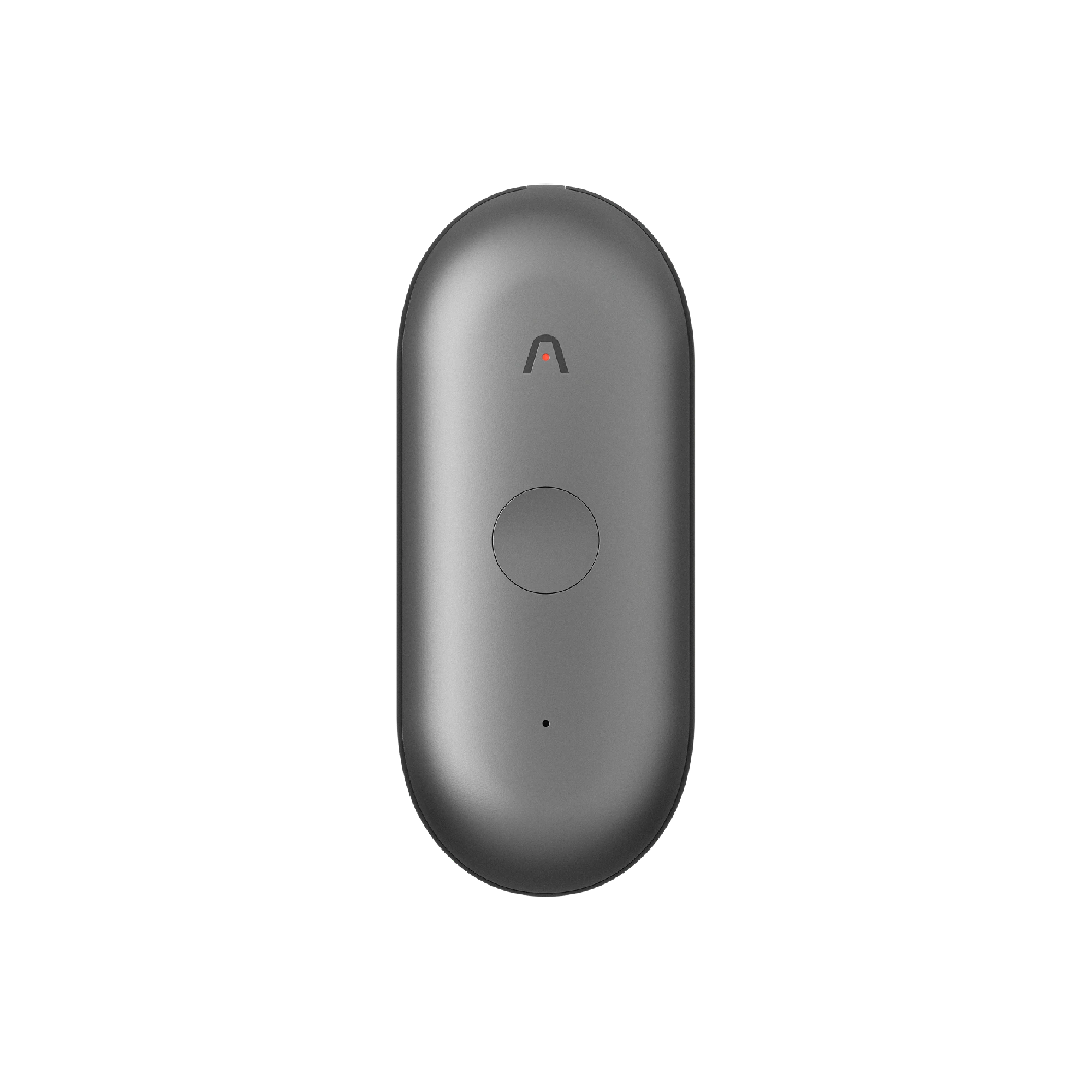
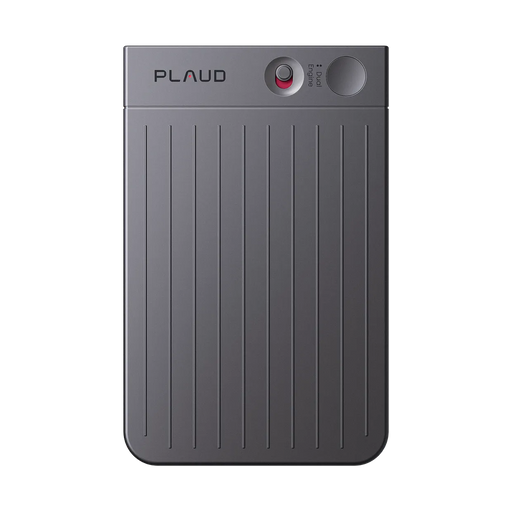
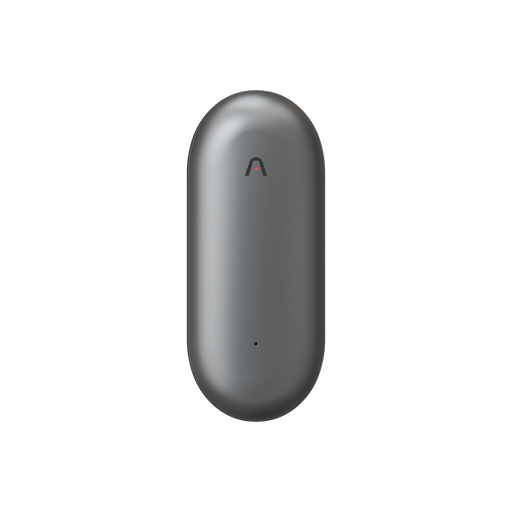
The Plaud Note Pro is a credit card-sized AI note-taker made for exactly this problem. Just place it near your computer speaker or phone while the video plays.
It has four precision MEMS microphones that capture clear audio. The AI beamforming technology is pretty smart, too. It filters out background noise and focuses on the speaker's voice.
Step 2: One long-press to start recording
Press and hold the button to begin recording. That's it. The Plaud Note Pro can record for up to 50 hours straight. Even those marathon webinars or all-day training sessions? No problem.
Here's where it gets really useful. While you're watching, just tap the button quickly to mark important moments. You don't need to pause. You don't need to scramble for a pen. Just tap when something matters. These highlights tell the AI which parts to emphasize when it creates your summary later.

Want to remember something visual? You can snap photos and add them right into your recording. See an important diagram on the screen? Take a picture. Complicated chart? Capture it. These images get attached to your notes. Later, when you review, you'll have both the audio transcript and the visual context. It helps you remember exactly what was happening at each moment.
Step 3: Get your AI-generated summary
Once you stop recording, the Plaud app takes over. It automatically transcribes everything in any of 112 languages. It even labels who's speaking.
Now here's the cool part. You get to choose how you want your summary formatted. There are over 10,000 professional templates to pick from. Need meeting action items? There's a template for that. Want a lecture outline? Got it. Training highlights? Yep, that too. You pick the format that matches what you need.

Got a specific question about what was said? Use the "Ask Plaud" feature. You can type questions like "What were the three main compliance requirements mentioned?" and get answers pulled straight from your recording. Every answer links back to the exact moment in the audio, so you know it's accurate.
Method 3: AI note-taking apps
Several dedicated apps now handle the entire process automatically—just paste a link or upload a file, and they return a complete transcript with a summary.
How it works: Apps like Otter.ai, Fireflies.ai, and similar AI video summarizer tools accept YouTube links or uploaded audio/video files. Drop in the URL, and the app pulls the audio, transcribes it, and delivers a structured summary with timestamps. Most include "Ask AI" features where you can chat with the content—useful when you need specific details without re-watching.

When to use this method: These apps excel at batch processing multiple videos or integrating summaries into your workflow through exports and sharing features. They typically offer free tiers with limited minutes and paid plans for heavier use. If you regularly summarize videos and want a push-button experience without manual transcript copying, this method saves significant time.
Each method serves different situations. Free transcript tools work perfectly for accessible YouTube content and give you full control over the AI prompts. Hardware recorders like Plaud Note Pro become essential when videos are protected, played live, or simply unavailable for download. Dedicated apps split the difference—they're more automated than manual transcript copying but require the video to be linkable or uploadable. Pick the approach that matches your content source and how much hands-on control you need over the final summary.
Which is the best AI video summarizer?
There's no single "best" AI video summarizer for everyone—the right choice depends on where your video lives, your budget, and how much manual work you're willing to do. A free solution might be perfect for casual YouTube watching, while locked corporate training demands a different approach entirely.
"Best" by what you value
Best free option: YouTube transcript + ChatGPT
You control exactly how the summary looks, and it doesn't cost a cent. The only trade-off is spending a few minutes copying and pasting, but you can tweak your prompts until the AI video summary is exactly what you need.
Best for automation: Dedicated apps
These AI video summarizer apps take a link or file and spit out a transcript, summary, and Q&A feature automatically. You give up some control in exchange for speed, and most charge monthly fees after the free trial runs out.
Best for locked or live content: Plaud Note Pro
When you can't download a video or get a transcript, this hardware recorder captures audio from any source. Its AI (powered by GPT-5, Claude Sonnet 4, and Gemini 2.5 Pro) transcribes in 112 languages and creates summaries using over 10,000 professional templates. It requires buying the device plus a subscription, but it's the only practical way to handle DRM-protected videos or live presentations.
So which method is right for you?
If you have a YouTube link (fast + free):
You can grab YouTube's built-in transcript and paste it into ChatGPT or Claude. It's free, and it works.
But you're doing a lot of manual work. Copy the transcript, open ChatGPT, paste it in, type your prompt, and wait for the response. Not happy with the format? Start over. For one or two videos, it's fine.
If you want everything automated:
Dedicated video summary AI apps handle the heavy lifting when you're summarizing videos regularly. Just drop in a YouTube link or upload an audio file, and the app spits out a transcript, structured summary, and Q&A feature automatically. These tools charge subscription fees, but they're worth it for professionals who value convenience and process multiple videos each week.
If the video is locked or you can't download it:
Free transcript tools won't help you here. Neither will most apps. They need access to the video file or at least a public link. But what if the video is password-protected? Behind a firewall? DRM locked?
You're stuck, right? Not quite.
The Plaud Note Pro solves this perfectly. It's a credit card-sized device that records audio directly from your speaker. Set it near your computer. Hold the button to start recording. That's it.
The app transcribes everything with labels for all the speakers. Creates summaries in whatever format you need. Want to mark important moments? Just tap the button while recording. The AI will emphasize those parts in your summary later. This works for password-protected webinars, company training videos, and anything that blocks downloads.
If you're watching something live or in person:
Online tools can't help you with physical events. No video file means no transcript to upload.
But again, the Plaud Note Pro handles this perfectly. Conference presentations. Classroom lectures. Live talks. Just record the audio. Its four microphones and noise-filtering technology work even in crowded rooms. You can snap photos during the session, too. They get attached to your recording for extra context.
Later, use the "Ask Plaud" feature to find specific information. Every answer links back to the exact audio moment. So you know it's accurate.
Choose your AI video summary tool and reclaim your time
Video summary AI tools range from completely free to hardware investments, and the right pick depends on your content type. YouTube's transcript plus ChatGPT costs nothing and works brilliantly for accessible videos. Apps automate the process for busy professionals who summarize content regularly. When videos are protected or live, the Plaud Note Pro records audio and delivers AI-powered summaries through its app—test free options first, then invest in specialized tools as your needs grow.