Como consultor de gestión, mis conversaciones más trascendentales tienen lugar en salas que no controlo. Salas de juntas de clientes, talleres externos, sesiones de alineación con partes interesadas de la alta dirección. No son sincronizaciones casuales. Cada reunión es una actuación y un ejercicio de recopilación de datos al mismo tiempo.
Si la mayoría de sus reuniones se realizan en Zoom o Teams con colegas internos, una aplicación básica de transcripción probablemente le será suficiente. Este artículo es para consultores que pasan horas reales en el sitio, cara a cara con los clientes, donde las apuestas de registrar mal los datos son mucho mayores.
Este es el problema con el que me encontraba constantemente: salía de una sesión de comité directivo de dos horas, abría mi portátil y me daba cuenta de que mis notas tenían lagunas. No pequeñas lagunas. De esas en las que un vicepresidente de un cliente dijo "estamos abiertos a reestructurar el cronograma", y yo anoté algo vago sobre "flexibilidad". Dos semanas después, el cliente disputa el cambio de alcance, mis notas no pueden respaldarme, y mi equipo pasa un día entero reconstruyendo un plan de trabajo que se suponía que estaba resuelto. Eso no es un problema de eficiencia. Eso es un problema de credibilidad, y en consultoría, la credibilidad es el producto.
Cómo elegimos los mejores tomadores de notas de IA para reuniones de consultoría
Tus notas no son solo notas. Son entregables.
En la mayoría de los trabajos, las notas de las reuniones son una referencia personal. En consultoría, son un producto de trabajo. Mis notas se integran directamente en las presentaciones del comité directivo, las actualizaciones de estado, los registros RAID y los resúmenes para el cliente. Si mis notas son descuidadas, mis entregables son descuidados. Y los clientes lo notan.
Eso cambia lo que necesito de una herramienta para tomar notas. No solo necesito una transcripción. Necesito algo que produzca un resultado que pueda limpiar y entregar a un cliente en cuestión de horas, no de días.
Lo que realmente considero antes de elegir
Después de probar varias herramientas en diferentes tipos de compromisos, he llegado a tres cosas que son las más importantes para el trabajo de consultoría:
-
Fiabilidad sin conexión. Muchas de mis reuniones tienen lugar en oficinas de clientes con Wi-Fi restringido, salas de conferencias sin señal de teléfono móvil o espacios de taller donde conectarse a la red requiere una aprobación de TI que no tengo. Si una herramienta necesita una conexión a Internet estable para grabar o transcribir, me falla precisamente en los momentos en que más la necesito. Necesito algo que capture el audio localmente y se sincronice más tarde.
-
Cumplimiento y control de datos. Las empresas de consultoría operan bajo acuerdos de confidencialidad (NDA), acuerdos de manejo de datos y, a veces, restricciones regulatorias. No puedo usar una herramienta que suba el audio del cliente a un servidor en la nube aleatorio sin límites claros de datos. Necesito saber dónde residen mis datos, cuánto tiempo se retienen y si puedo eliminarlos. Algunos clientes prohíben explícitamente la grabación, por lo que la herramienta también debe ser lo suficientemente discreta como para que pueda obtener el consentimiento sin incomodar a la sala.
-
Resultados listos para entregar. Una transcripción en bruto me es inútil. Necesito resúmenes estructurados, elementos de acción y decisiones clave extraídas automáticamente. Idealmente, el resultado es lo suficientemente parecido a un formato de acta de reunión como para que pueda pegarlo en un correo electrónico del cliente o en una presentación de estado con una edición mínima.
Comparación rápida
Los 5 mejores tomadores de notas de IA para reuniones de consultoría
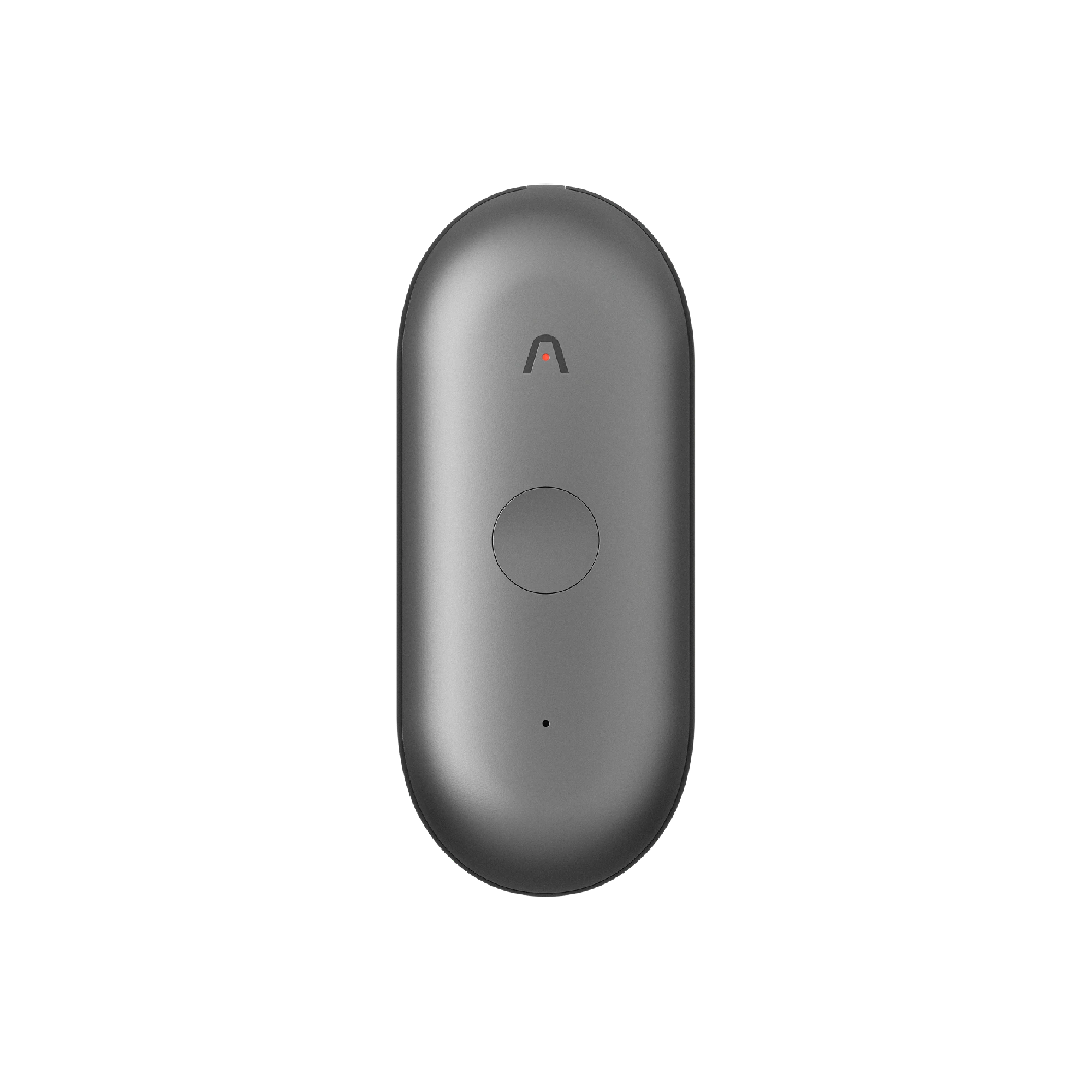
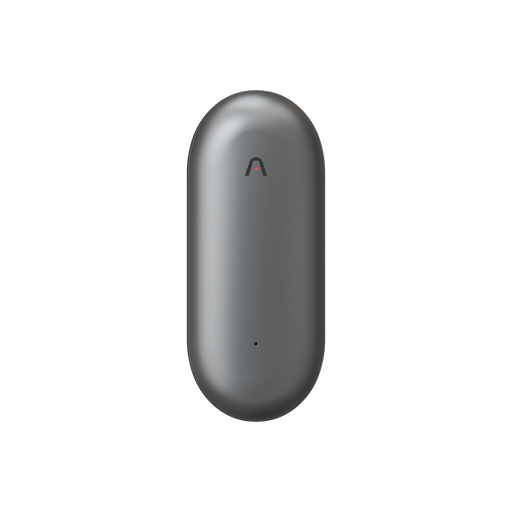
Plaud NotePin S
El NotePin S es una pequeña grabadora portátil que se engancha a la solapa de mi chaqueta, y es lo más parecido que he encontrado a "olvídate de ella y céntrate en el cliente".

Por qué funciona para consultoría
Lo que más me importa en las reuniones con clientes es la presencia. Necesito mantener el contacto visual, leer la sala y responder en tiempo real. El NotePin S me permite hacerlo porque una vez que está enganchado, no pienso en él. Capta las voces claramente incluso en una sala de conferencias de tamaño mediano, y graba localmente, lo que significa que no dependo del Wi-Fi del cliente.
Después de la reunión, lo sincronizo con la aplicación Plaud y obtengo un resumen estructurado con los puntos clave y los elementos de acción extraídos. El resultado no es perfecto, pero es lo suficientemente bueno como para que pueda convertirlo en un resumen de reunión para el cliente en quizás 15 minutos en lugar de una hora.
Algunas cosas que importan específicamente para la consultoría:
-
Es discreto. Los clientes no se sienten vigilados. Eso importa cuando se discuten cambios organizativos delicados.
-
Los datos permanecen en el dispositivo hasta que decido sincronizarlos. Eso me da una respuesta clara cuando los clientes preguntan sobre el manejo de datos.
-
La batería me dura un día completo de sesiones consecutivas sin necesidad de cargarla.
Cuando no es la mejor opción
Me encontré con limitaciones durante un gran taller con unas 15 personas distribuidas en una configuración de mesa en forma de U. El NotePin S es un dispositivo portátil, por lo que capta mi lado de la conversación claramente, pero las personas sentadas lejos se escuchaban más bajo. Para esas sesiones en salas grandes, he cambiado a una configuración diferente (más detalles a continuación). Tampoco realiza transcripciones en tiempo real, así que si necesita subtítulos en vivo durante una reunión, esta no es la herramienta.
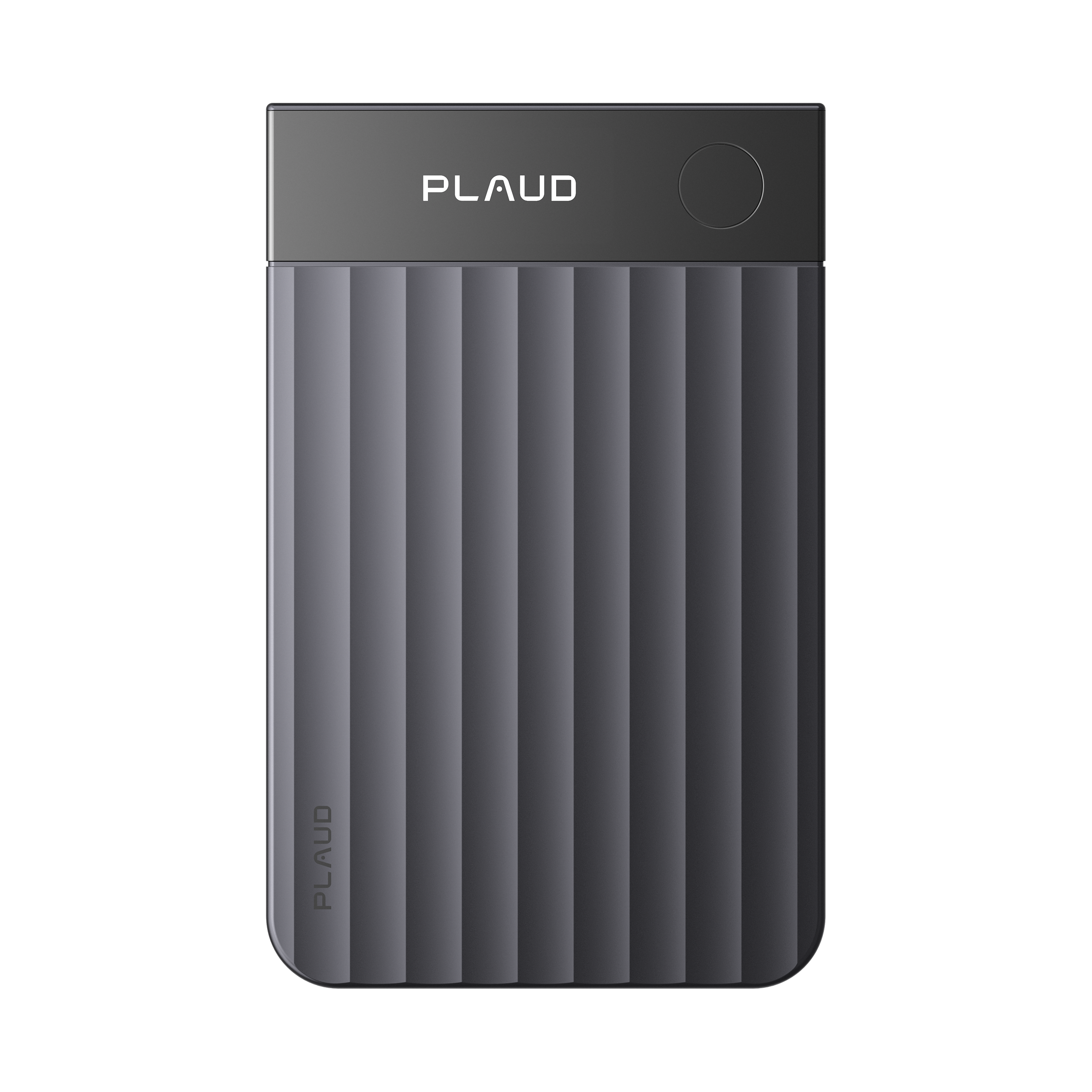
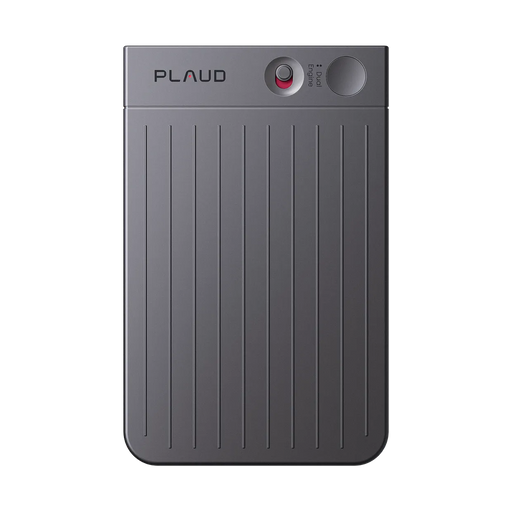
Plaud Note Pro
Piense en esto como la versión de mesa de conferencias del NotePin S, construido para salas donde hay muchas voces que captar.

Por qué funciona para consultoría
Utilizo el Note Pro para talleres facilitados y grandes reuniones del comité directivo. Lo pongo en el centro de la mesa, y capta a todos claramente, incluso con diez o más personas en la sala. Ese es el caso de uso donde mis notas personales siempre se desmoronaban antes: demasiados oradores, demasiados hilos, y yo intentaba facilitar al mismo tiempo que capturaba decisiones.
El Note Pro graba todo localmente y genera resultados estructurados a través de Plaud Intelligence, su capa de IA. Obtengo un resumen desglosado en temas, decisiones y elementos de acción. Para un taller de dos horas, eso me ahorra una hora sólida de redacción posterior a la sesión.
Lo que también aprecio:
-
Funciona sin conexión, lo cual es innegociable para los sitios de clientes con redes restringidas.
-
El resultado estructurado se adapta bien a los formatos de entregables de consultoría (decisiones, acciones, responsables, plazos).
-
Tener un dispositivo físico sobre la mesa en realidad facilita el consentimiento. La gente puede verlo, puedo explicar lo que hace y se siente más transparente que una aplicación oculta.
Cuando no es la mejor opción
Es un dispositivo de sobremesa, así que no es algo que lleve a una conversación informal en el pasillo o a un café rápido con un patrocinador del cliente. Para esos momentos, uso el NotePin S en su lugar. También descubrí que la configuración lleva un minuto. En un día ajetreado en el que estoy saltando entre habitaciones, ocasionalmente me olvidé de cogerlo. No es un problema, pero es algo que hay que incorporar a la rutina.
Otter.ai
Otter es una herramienta de transcripción basada en software que se conecta a Zoom, Teams y Google Meet, y es potente cuando su trabajo de consultoría es principalmente virtual.
Por qué funciona para consultoría
Para trabajos remotos, Otter hace un buen trabajo. Se une a reuniones virtuales automáticamente, transcribe en tiempo real y genera un resumen después. La transcripción en vivo es útil durante las llamadas porque puedo echarle un vistazo para confirmar que escuché correctamente el comentario de un cliente antes de responder.
Donde lo encuentro más valioso:
-
La transcripción en tiempo real significa que puedo buscar en la transcripción durante la propia reunión si un tema vuelve a surgir.
-
Maneja razonablemente bien a varios oradores en las llamadas.
-
El resumen es decente para uso interno, como compartir con mi equipo después de una llamada con el cliente.
Cuando no es la mejor opción
Aunque Otter ahora tiene una aplicación móvil, todavía depende del procesamiento en la nube. Esto lo hizo poco confiable para mí en los sitios de los clientes con mal servicio o donde no podía conectarme a su red. También tuve una preocupación de cumplimiento: Otter procesa el audio en la nube, y para algunos de mis clientes (servicios financieros, relacionados con la atención médica), no me sentía cómodo con ese flujo de datos. Cuando pregunté sobre la residencia de datos y las políticas de retención, las respuestas fueron menos específicas de lo que necesitaba para un acuerdo formal de manejo de datos. Para las llamadas de equipo internas, está bien. Para trabajos delicados con clientes, me alejé de él.
Fireflies.ai
Fireflies es un asistente de reuniones que graba, transcribe y se integra con herramientas como Salesforce, HubSpot, Notion y Slack. Está diseñado para equipos que desean que los datos de las reuniones fluyan hacia sus sistemas existentes.
Por qué funciona para consultoría
Si su empresa utiliza un CRM o una herramienta de gestión de proyectos como centro, Fireflies puede ahorrar tiempo al enviar resúmenes de reuniones y elementos de acción directamente a esos sistemas. Lo usé durante un período en el que mi equipo estaba rastreando los entregables en Notion, y que las notas de las reuniones se autocompletaran allí fue realmente útil.
Algunas cosas que destacaron:
-
La biblioteca de integración es amplia. Si su flujo de trabajo depende de herramientas como Asana, Jira o Slack, Fireflies se conecta a ellas.
-
Maneja bien las llamadas con varios oradores y etiqueta a los oradores con precisión después de un poco de entrenamiento.
-
La función de búsqueda en reuniones anteriores es útil cuando necesito encontrar lo que un cliente dijo hace tres semanas.
Cuando no es la mejor opción
Aunque Fireflies ahora ofrece una aplicación para grabar reuniones presenciales, sigue siendo fundamentalmente una herramienta en la nube. Para mí, subir el audio del cliente a la nube después de una sesión presencial es un punto de fricción en cuanto al cumplimiento. También me encontré con un punto de fricción en cuanto al cumplimiento. En un encargo, el equipo legal del cliente señaló que el bot de Fireflies se unía a las llamadas como un tercero no autorizado. Esa fue una conversación incómoda. Las integraciones son potentes, pero también significan que los datos del cliente tocan más sistemas, lo que hace que la historia del cumplimiento sea más complicada de explicar.
Fathom
Fathom es un tomador de notas de IA centrado en Zoom con un nivel gratuito generoso y una interfaz limpia y sencilla. Hace una cosa bien: graba sus llamadas de Zoom y le ofrece un resumen conciso después.
Por qué funciona para consultoría
Para consultores individuales o pequeñas empresas que viven en Zoom, Fathom es difícil de superar en cuanto a valor. El plan gratuito le ofrece grabación ilimitada y resúmenes de IA, lo cual es inusualmente generoso. Los resúmenes son concisos y bien estructurados, y la función de resaltado me permite marcar momentos clave durante una llamada para poder encontrarlos más tarde.
Lo que me gusta:
-
La configuración tarda unos dos minutos. Simplemente funciona dentro de Zoom.
-
Los resúmenes de IA son consistentemente buenos, mejores que la mayoría de las herramientas que he probado para extraer lo "importante" de una llamada larga.
-
El nivel gratuito es genuinamente utilizable, no una demo limitada.
Cuando no es la mejor opción
Fathom es solo para Zoom (con soporte limitado para Teams). Si sus clientes usan Webex, Google Meet o cualquier otra plataforma, no le servirá. Y para reuniones presenciales, no aplica en absoluto. También descubrí que para llamadas con múltiples partes interesadas con más de 10 participantes, la atribución del orador se volvía inconsistente. Funciona mejor para llamadas más pequeñas con turnos de palabra claros. Para una gran empresa de consultoría con formatos de reunión variados, es demasiado limitado para ser la herramienta principal.
Entonces, ¿cuál deberías elegir?
La elección depende de dónde y cómo se desarrollan realmente sus reuniones de consultoría. Así es como lo veo:
Si la mayor parte de su trabajo es in situ y la imagen profesional importa, el Plaud NotePin S es con lo que yo empezaría. Es discreto, funciona sin conexión y los datos permanecen en su dispositivo hasta que esté listo para sincronizar. Para entornos de talleres más grandes, combínelo con el Plaud Note Pro para cubrir escenarios individuales y grupales.
Si el cumplimiento y la sensibilidad de los datos son lo primero, querrá una grabadora basada en un dispositivo con almacenamiento local claro, no una herramienta SaaS en la nube. Los dispositivos Plaud me dan la respuesta más clara cuando el equipo legal de un cliente pregunta "a dónde va el audio". Esa tranquilidad importa más que cualquier lista de características.
Si su trabajo de consultoría es principalmente virtual o una mezcla de online y presencial, un enfoque combinado funciona mejor. Utilice Otter o Fathom para sus reuniones virtuales, y un dispositivo Plaud para las sesiones presenciales. De esa manera estará cubierto independientemente del formato de la reunión, y no estará forzando a una sola herramienta a hacer algo para lo que no fue diseñada.
Conclusión
Para la consultoría, la prioridad de selección que recomendaría es: confianza y cumplimiento primero, luego fiabilidad sin conexión, luego calidad del resultado. Una herramienta que produce resúmenes excelentes pero crea un dolor de cabeza de cumplimiento no vale la pena. Y una herramienta que funciona muy bien con Wi-Fi pero falla en la sala de conferencias del sótano de un cliente no está resolviendo el problema correcto.
Mi sugerencia para el siguiente paso: establezca una regla interna simple para su equipo. Clasifique sus reuniones en niveles de sensibilidad, luego decida cuáles se pueden grabar, cómo se almacena el audio y qué formato toma el resultado antes de que llegue al cliente. Ese marco importa más que la herramienta específica que elija, porque la herramienta cambiará, pero el hábito de tratar la captura de reuniones como un proceso controlado se mantendrá.