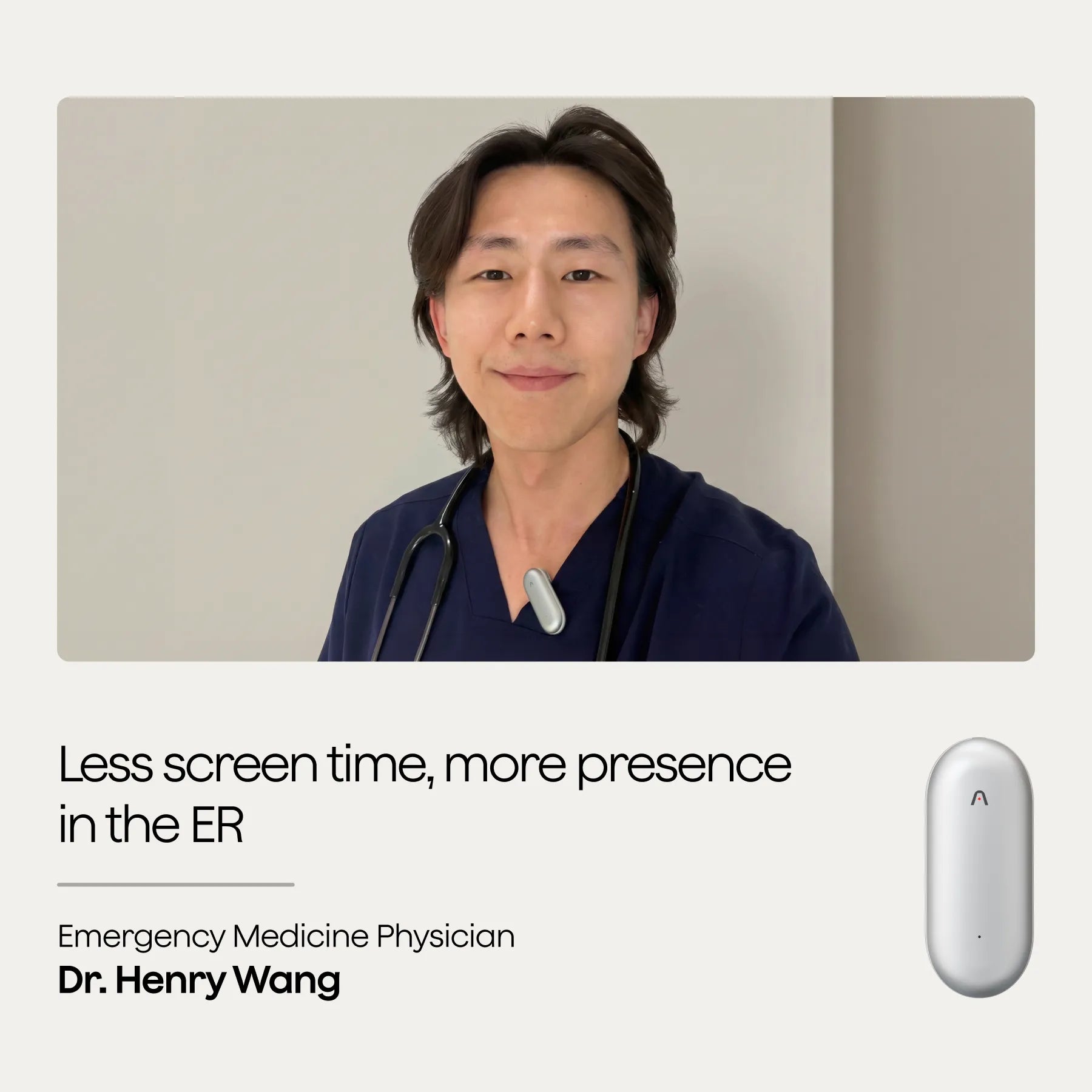

Dr. Wang rarely sits down at work. As an emergency physician at a busy quaternary care center in Montreal, Canada, his shifts don't really allow for it. Trauma, transplant complications, and cancer patients in crisis are just a few examples of the complex cases that arrive in a steady yet unpredictable stream over the course of a single shift.
" While at work, your mind and body are never still," Dr. Wang says. " You're always either doing something, or thinking about the next thing. There are always patients to see, questions to be answered, and above all, documentation to catch up on.
For Dr. Wang, that's not a complaint. It's part of why he chose emergency medicine.
He trained in some of Canada's most austere environments, including rural and remote regions where resources were limited. At times there was no CT scanner, limited laboratory testing, no specialists on call, no backup. Working lean shaped Dr. Wang into a physician who listens carefully before diagnosing, and who values the therapeutic relationship between doctor and patient as much as any test result or clinical finding.
"Patients who present to the emergency department are filled with apprehension and uncertainty.” He says. “And the truth is we cannot always find the cure on the same visit. However, through careful listening and appreciation of their fears and expectations, we can offer clarity, reassurance and set them on the right therapeutic pathway towards the care that they need.”
In the emergency department, he must do that quickly and repeatedly. And if he’s not careful, the machinery of documentation can quietly pull him away from the part of the work that matters most
When documentation competes with patient care
The workflow of emergency medicine is built around transitions. Dr. Wang sees a patient, returns to the computer to document, orders investigations, goes to see the next patient, loops back around later to check results, orders further tests or treatments, returns to discuss the findings or with the patient, and goes back to document again. The cycle repeats constantly.
The documentation load is real and relentless. Every observation, every exam finding, every prescription has to be captured accurately and in full for medical-legal purposes. That requirement is non-negotiable. But capturing it the traditional way often means more time spent at a keyboard, rather than at a bedside.
Dr. Wang had tried other AI scribing tools before Plaud. They worked, to a point. But they required his phone—and pulling out a personal device in an exam room created an unexpected barrier.
"Your phone is very personal,” he says. "And at the same time it's very formal in that you’re obviously recording a privileged conversation on a personal device. It makes the interaction a little awkward.
In medicine, as in anywhere else, awkward and unnatural are the enemies of trust.
A device that disappears into the work
What changed things for Dr. Wang was a new form factor.
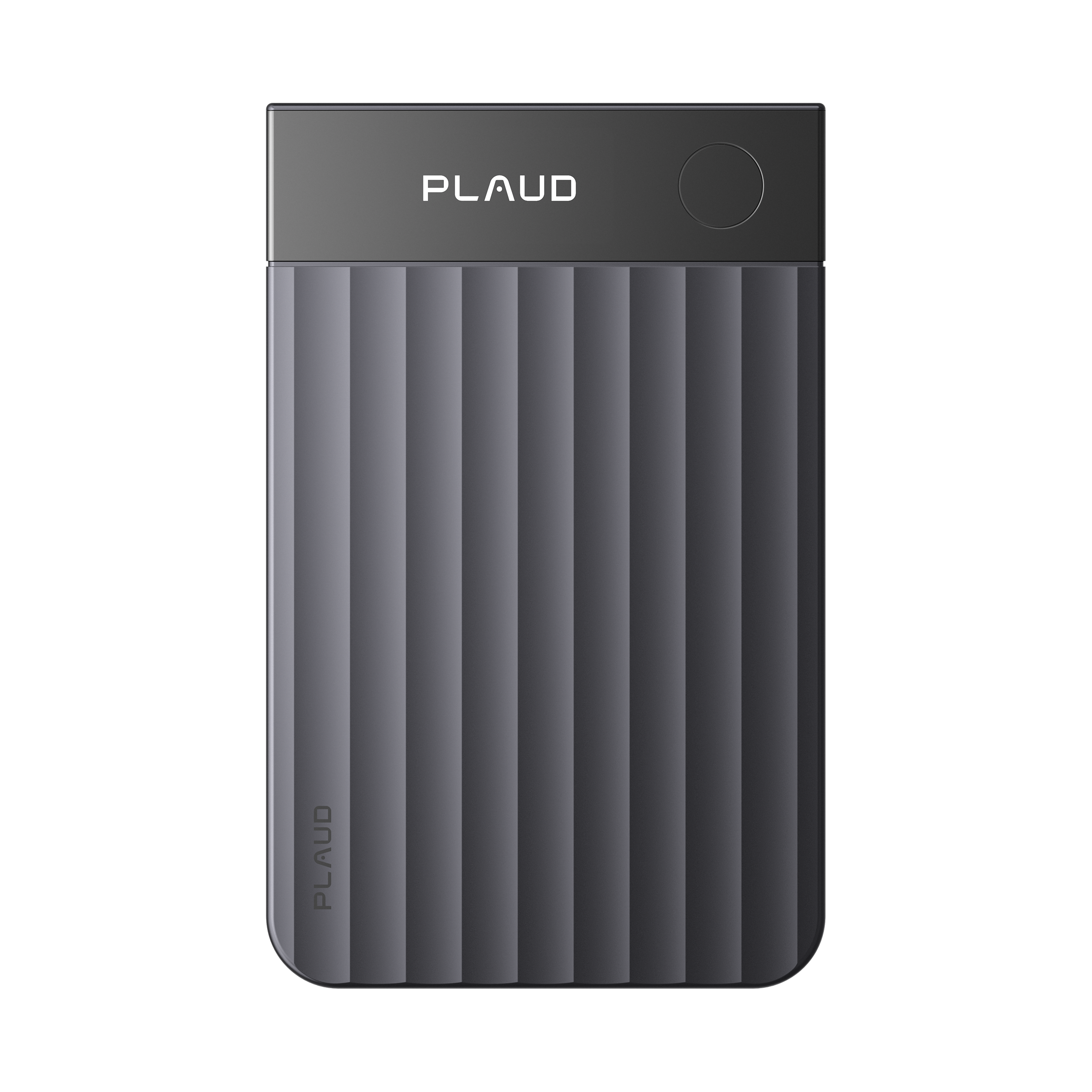
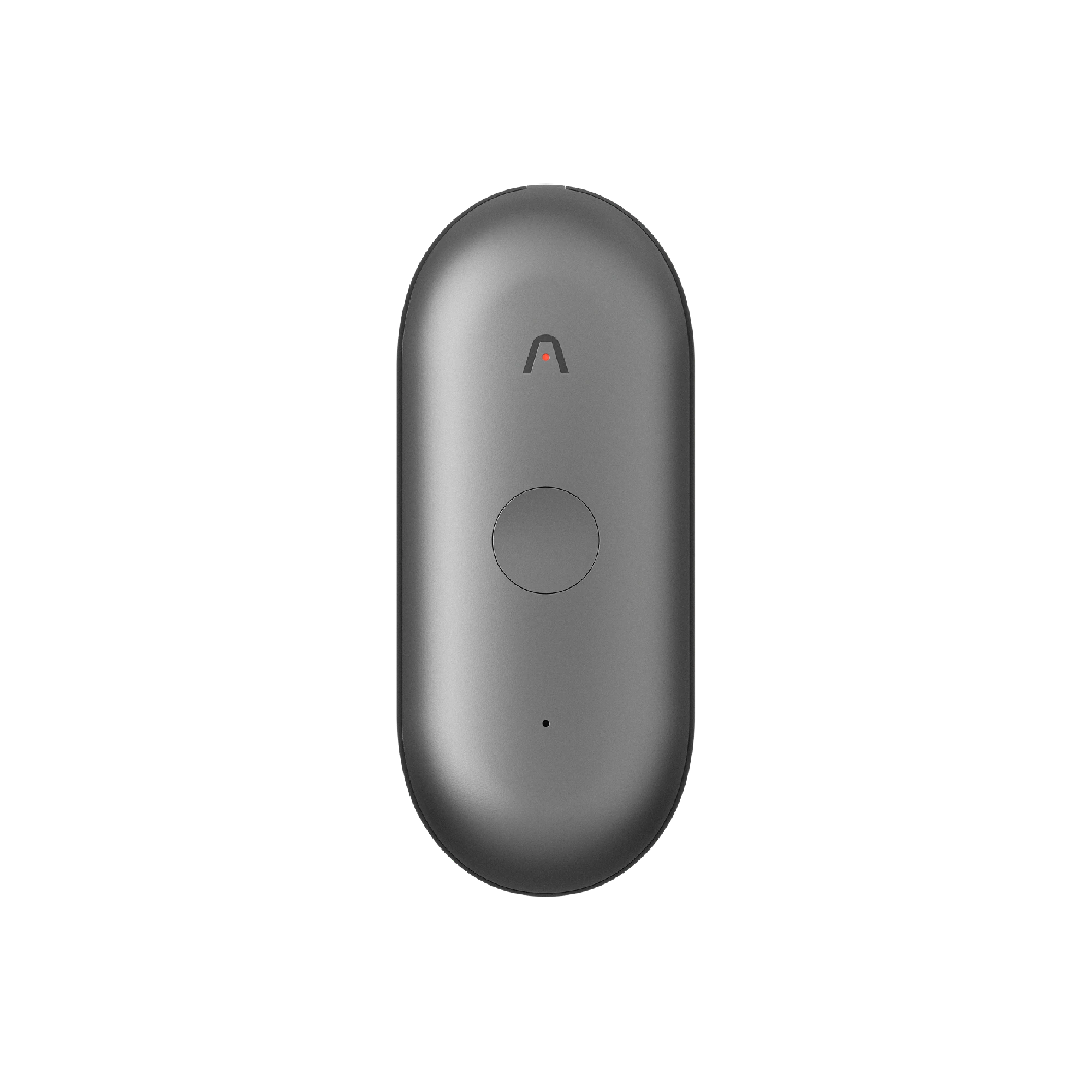
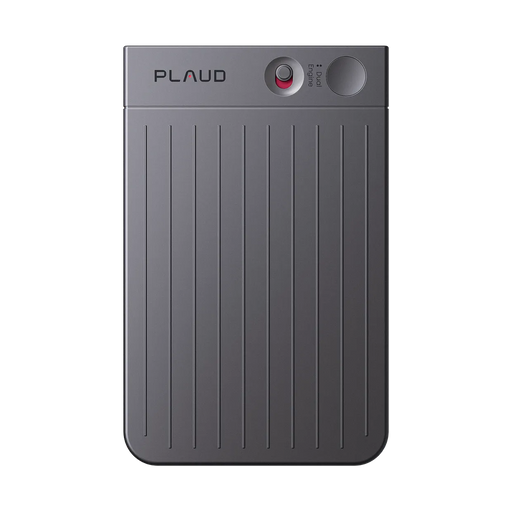
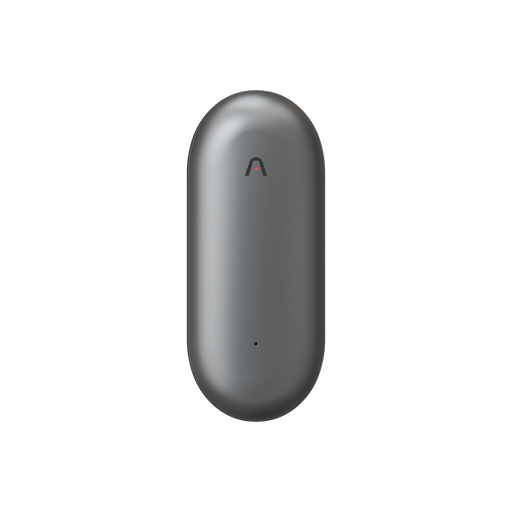
The Plaud NotePin he wears is small, light enough to forget you're wearing it. When he starts a shift, he clips it on before entering the first patient's room, sometimes reviewing a chart out loud as he prepares. By the time he walks through the door, Plaud is already working.
The consent conversation is brief and natural.
"Hey, I'm Dr. Wang. I'm using an AI scribe to help with documentation. Is that okay with you?" And then he begins the encounter, without the interruption of opening an app or waiting for it to load
"It also frees up my phone to do other stuff," he says. "I can take a call. Look something up. It doesn't interfere."
What it does instead is follow the natural arc of his clinical thinking. And in emergency medicine, that thinking doesn't stop when you leave the room.
Between patients, Dr. Wang keeps moving and keeps talking. Observations from the last room. Medication discrepancies. Differentials forming in real time. To a bystander, it might look like he's talking to himself. To anyone who works in a hospital, it looks familiar, a physician dictating his thoughts. g. Plaud runs in the background, capturing all of it — so by the time he's back at the computer, the note is already mostly written.
Dr Wang estimates that the new system allows him to see one or two additional patients per shift. But for him, the real benefit is not found in the metrics.
It is presence.
"I'm able to be much more present," he says. "When I’m with the patient I’m not scrawling notes or frantically tapping away at my keyboard with eyes glued to the screen, I don’t even need to memorize the patients’ medication list. I can just be there with the patient for the duration.
The human side of medicine that technology can’t replace
Dr. Wang has thought a lot about the role of human connection in medicine. He talks about it with the clarity of someone who has seen what gets lost when the system optimizes too aggressively for efficiency.
In traditional family medicine, he notes, the long-term relationship between a doctor and patient can itself be therapeutic. Patients who trust their physician are often more open, more engaged in their care, and more likely to follow treatment plans.
And when serious moments arrive, like a difficult diagnosis, an end-of-life conversation, a moment of crisis, that relationship becomes the foundation for treatment that respects the patient's values and needs.
"The day that you are sick, you may value the opinion of the doctor who knows you. Maybe more than a hyper-specialist. Maybe more than an AI that has trained on all the medical information ever recorded. . Because how that information relates to you and your personal values, that matters."
Emergency medicine doesn't always allow for that depth of relationship. Patients arrive as strangers. The history is incomplete. The time is limited.
Which is precisely why attention is so valuable.
“When I can spend less time in front of my computer documenting, I choose to spend those extra moments in the room with my patients,” he says
That, he says, is what Plaud gives him. Not time in the abstract, but something more specific: the ability to lift his eyes from the screen and focus on the person in front of him
The tool that fits the doctor, not the other way around
Dr. Wang didn't need another system to learn or a new workflow to build around. Plaud runs quietly in the background, capturing his words as he naturally speaks them, and turning it into documentation he can trust.
One day, he hopes to open his own primary care clinic. He wants the continuity of care, the annual well-patient checkups, the longitudinal relationships, the opportunity to guide patients through the important moments of their lives.
The instinct toward knowing the person behind the patient has always been what drives him.
For now, in the emergency department, Plaud helps him hold onto it.