AI transcription · Workflow guide

Transcription and AI Summarization Workflow: How to Do It in One Step

A transcription and AI summarization workflow has three stages: capture clean audio, convert it to a transcript, and generate a structured summary. Most people run each stage in a separate tool with a manual file transfer between them. This guide shows four approaches and explains where each one breaks the chain.

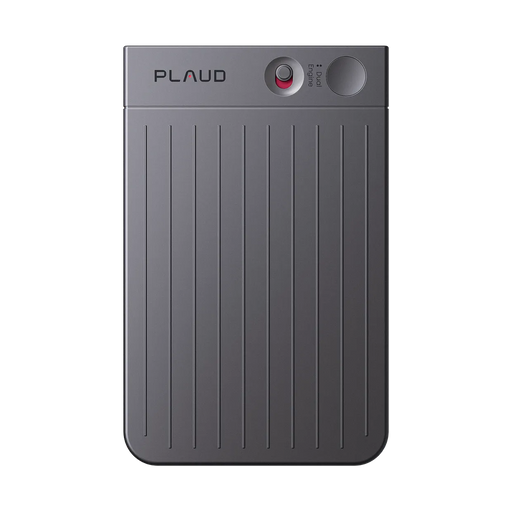
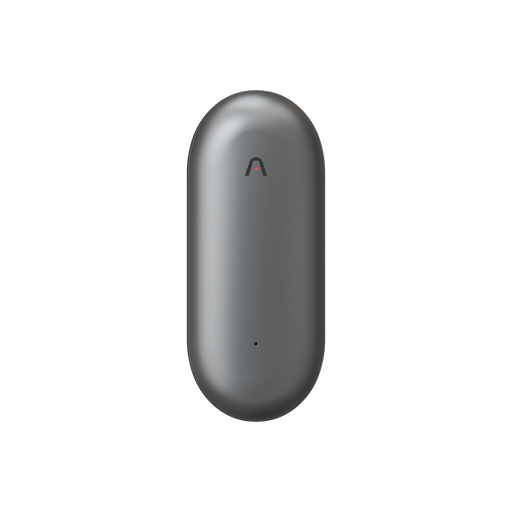
Plaud Note Pro beside a phone showing an AI transcription and summarization workflowBest for end-to-end workflow without tool switching

Quick answer

4 steps to run a transcription and AI summarization workflow

Audio quality determines transcript accuracy. Template choice determines whether the summary is usable. Both decisions happen before you open the AI tool.

1. Capture clear audio and confirm speaker consent

Record in a quiet space and position your device within range of all speakers. Background noise is the leading cause of transcript errors downstream. Always confirm that all speakers have given their consent before recording any conversation.

2. Sync or upload the audio to a transcription tool

Most tools require a manual file upload. A device that syncs automatically to its companion app removes this step and keeps the workflow moving without interruption.

3. Review the transcript for accuracy before summarizing

AI transcription accuracy varies by recording quality. Review the output before applying a summary template. Errors in the transcript carry through to the summary without correction.

4. Apply a session-specific AI summary template

A raw transcript is not a summary. Choose a template that matches the session type: meeting, interview, lecture, or call. The right format organizes the content into sections your workflow can act on immediately.

See full method comparison ↓

Methods

Four ways to run a transcription and AI summarization workflow

Compared on how many manual handoffs each method requires, how the summary is structured, how templates are selected, and what export options are available at the end.

Three separate tools (recorder, transcription app, AI summarizer)

The most common setup. Each stage requires a manual file export and re-upload. You manage three apps, three files, and three waiting periods before a summary appears.

Manual handoffs
Three separate handoffs
Summary structure
None at the transcription stage. The AI tool formats what you paste in.
Template selection
Manual, written as a prompt in the AI tool
Export options
Varies by tool. Rarely exports directly to Notion or email.

Phone voice memo with a third-party AI service

Phone memos record well in quiet settings. You still export the file, upload it to a transcription service, then paste the transcript into a separate AI tool for a summary.

Manual handoffs
Two handoffs (export, then paste)
Summary structure
None until the paste step. Format depends on the prompt.
Template selection
Manual
Export options
Copy-paste only

Browser-based transcription with AI chat

Services like Otter.ai or Fireflies handle transcription. You copy the output into an AI chat tool to get a summary. Results depend on copy accuracy and the prompt you write.

Manual handoffs
One handoff (copy and paste to AI chat)
Summary structure
Varies by prompt
Template selection
Manual. The user writes the summary prompt each time.
Export options
Manual download or copy-paste

Plaud Note Pro with Plaud Intelligence

Plaud Note Pro records through four MEMS mics with AI beamforming. The Plaud App syncs on open and Plaud Intelligence selects a session-specific template automatically. Always record with participant consent.

Manual handoffs
None
Summary structure
Structured by section, auto-generated
Template selection
Automatic, from 10,000 templates
Export options
Notion and email export built in

Based on common transcription and summarization workflows and Plaud product data. Always confirm consent from all participants and follow local recording laws before recording any conversation.

Tips

Most multi-tool workflows break before the summary is ever generated

Four things determine whether a transcription and AI summarization workflow produces output you can act on. The upload step is where most workflows stall.

Every tool switch is a point where the workflow can failMoving audio between three apps requires three successful file transfers. One failed upload means no transcript and no summary.
A raw transcript passed to an AI chat is not a structured summaryPasting text into an AI chat and asking for a summary returns generic output. It does not match the format your workflow expects.
Writing a new prompt every session costs time and produces inconsistent resultsUsers who write their own summarization prompts get different output formats each time.
Summaries that require copy-paste to share rarely get usedAn export path that adds friction means the summary stays in the AI tool and goes unread.

The easier way

How Plaud Note Pro completes the full transcription and AI summarization workflow

Plaud Note Pro records through four MEMS mics with AI beamforming. It syncs automatically to the Plaud App on open and Plaud Intelligence applies a session-specific template from a library of over 10,000 options.

  • Auto-sync removes manual uploadsThree separate tools mean three manual uploads. Plaud Note Pro auto-syncs to the Plaud App on open so transcription starts without a separate file transfer.
  • Automatic template selectionA generic AI prompt returns inconsistent output. Plaud Intelligence auto-selects a session-specific template from over 10,000 options.
  • Direct exports to your toolsSummaries that sit in a standalone app go unread. Plaud Note Pro exports directly to Notion and email through the Plaud App.
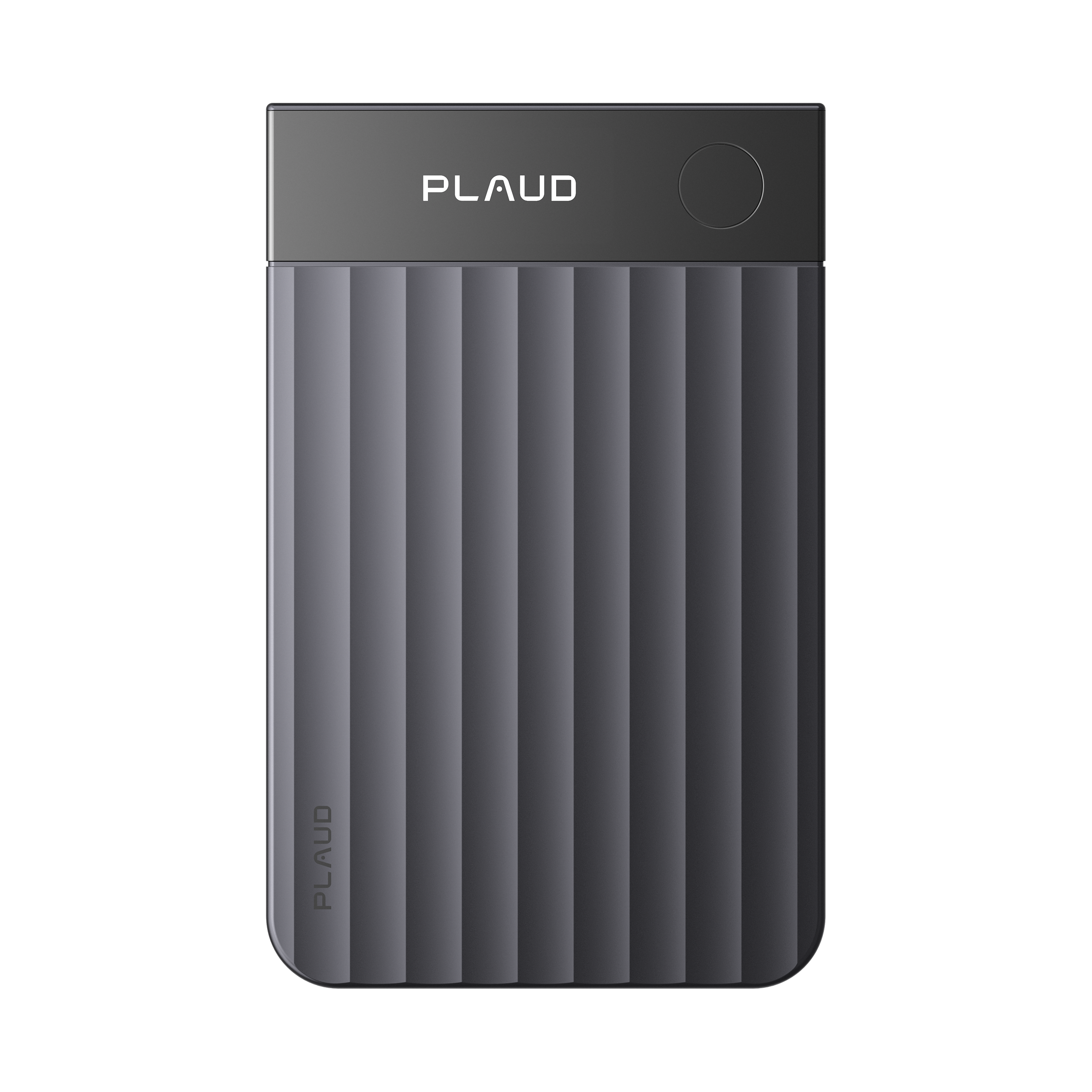
Plaud Note Pro

Plaud Note Pro

A physical AI note taker built for the full transcription and summarization workflow. Four MEMS mics with AI beamforming. Auto-sync, 10,000 templates, and direct Notion export.

4 MEMS mics · AI beamforming · 10,000+ note templates · Auto-sync · Up to 30 hours recording
Microphones4 MEMS with AI beamforming
Templates10,000+
Languages112
Get Plaud Note ProCompare all methods

Plaud Note Pro vs Plaud Note

Plaud Note Pro for users who need a structured AI summary generated automatically after every recording. Plaud Note for users who want accurate transcription and prefer to select the summary template themselves.

Plaud Note Pro

Plaud Note Pro

A physical AI note taker built for the full transcription and summarization workflow.

★★★★★4.9(152)
  • 4 MEMS mics · AI beamforming
  • 10,000+ auto-selected templates
  • Notion and email export
  • Up to 30 hours
$189.00
Buy Plaud Note Pro
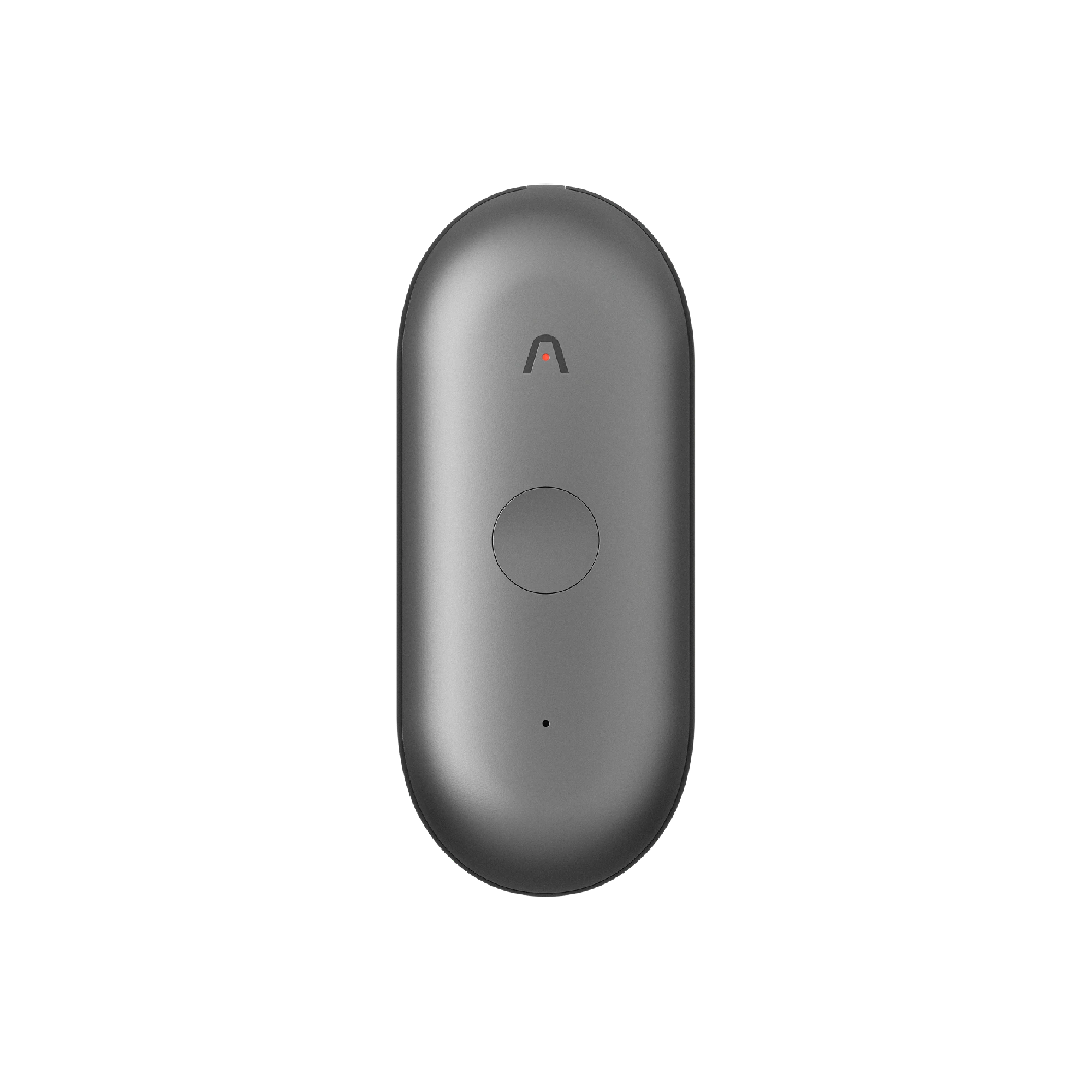
Plaud Note

Plaud Note

Better for users who prefer to select the summary template manually and review the transcript before applying a format.

★★★★★4.9(1020)
  • High-accuracy mic array
  • Transcription via Plaud App
  • Manual template selection
  • Notion export
$159.00
Shop Plaud Note

Frequently asked questions

What is a transcription and AI summarization workflow?

A transcription and AI summarization workflow has three stages. First, audio is captured from a meeting, call, or interview. Second, the audio is converted to a text transcript. Third, an AI tool applies a template to generate a structured summary from the transcript.

Do I need three separate tools for transcription and AI summarization?

Not necessarily. The most common setup uses a recorder, a transcription service, and a separate AI tool. Each handoff adds time and a potential failure point. Plaud Note Pro handles all three stages in one device.

How accurate is AI transcription for summarization purposes?

Accuracy depends on audio quality. Background noise, distance from the speaker, and overlapping voices all reduce accuracy. Plaud Note Pro uses four MEMS mics with AI beamforming to reduce noise before the transcript is generated.

Do I need consent before recording a conversation for transcription?

Yes. Recording laws vary by location, but most require consent from at least one party and many require all-party consent. Always confirm that every speaker has agreed to be recorded before you start.

Can I choose which summary format the AI uses?

Yes. Plaud Intelligence selects a session-specific template automatically from a library of over 10,000 options. If you prefer to choose the format yourself, Plaud Note uses the same transcription engine but lets you select the template manually.