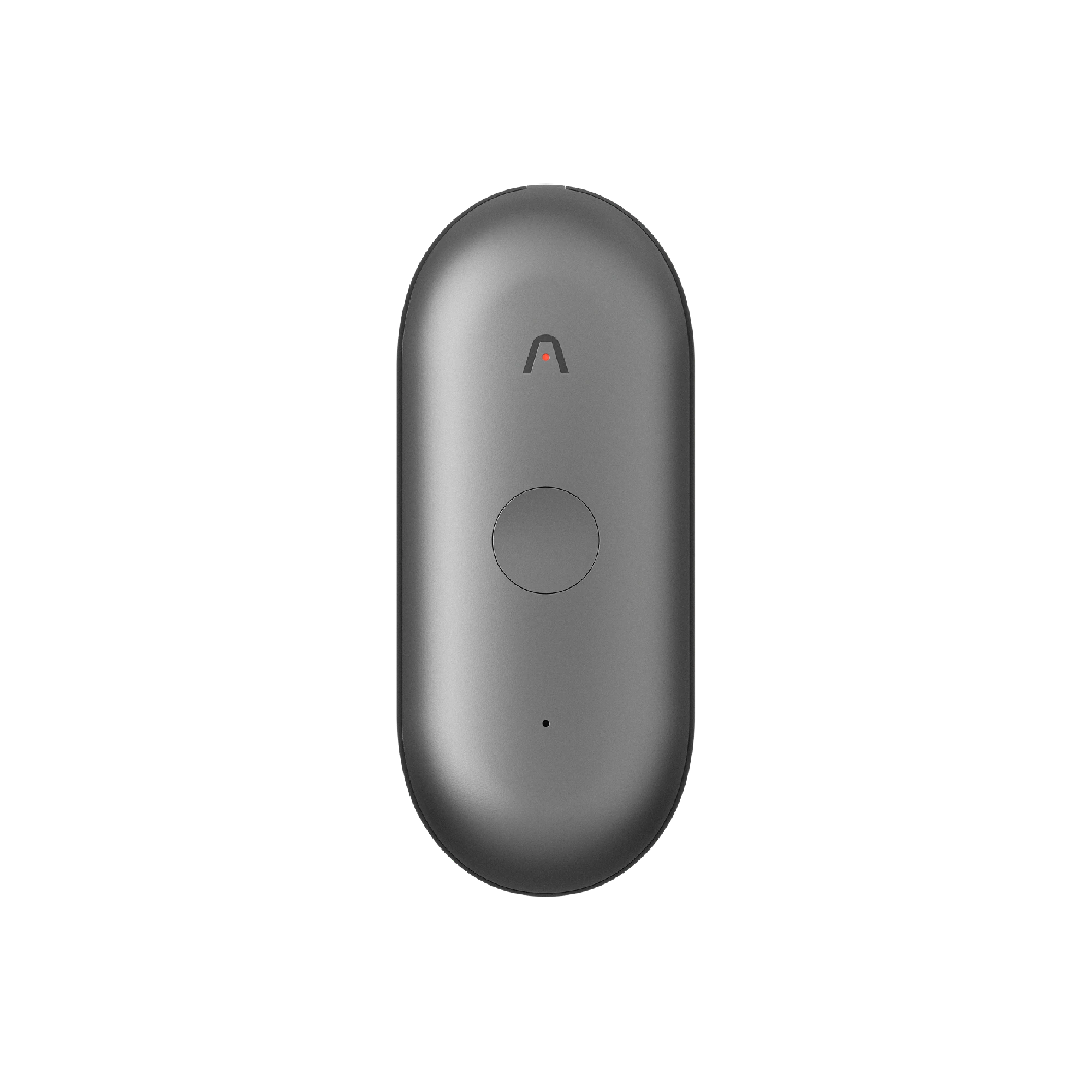
Plaud NotePin S
The world's most wearable physical AI note taker.
Wearable design for lectures with up to 20 hours recording.
Weight17.4 g
RecordingUp to 20 hours
Lecture recording · How-to guide
Recording a lecture solves the problem of losing content when the lecturer moves faster than you can write. Taking notes during the lecture solves the problem of staying engaged. Doing both together produces a different result than either alone: the recording becomes a complete source, and the in-class notes become an index — markers for the sections that need closer review.
 Best for lecture recording
Quick answer
The key is treating recording and note-taking as two different jobs: recording captures everything; in-class notes mark what matters.
Leave it running continuously. A continuous recording from start to finish is the complete source.
Key terms, topic markers, and questions only. These become the index for the transcript.
Locate sections marked during the lecture and fill in missed details from the full transcript.
Combine the complete transcript with prioritized in-class markers for efficient revision.
Methods
Compared on attention required, recording quality, reconstruction effort, and final note completeness.
High attention needed with incomplete results for fast lectures.
Low attention but variable audio quality and high post reconstruction.
High attention with poor mic quality from keyboard noise.
Low attention, good close-range audio, minimal reconstruction.
Always check your institution's recording policy before recording.
Tips
Recording and note-taking can complement each other when designed correctly.
The easier way
Wearable AI note-taking device for continuous lecture recording and accurate transcription.
The world's most wearable physical AI note taker.
NotePin S for in-person lectures. Plaud Note for phone-based sessions too.
Wearable for close-range lecture capture.

Compact for phone and in-person use.
A wearable device at collar height produces cleaner audio than phones or laptops at desk distance.
Record fully and take minimal in-class notes as markers, then review the AI transcript afterward.
Most institutions require consent. Always check policy and request permission beforehand.
Trending Search