
Is there a good alternative to Rev for transcription?
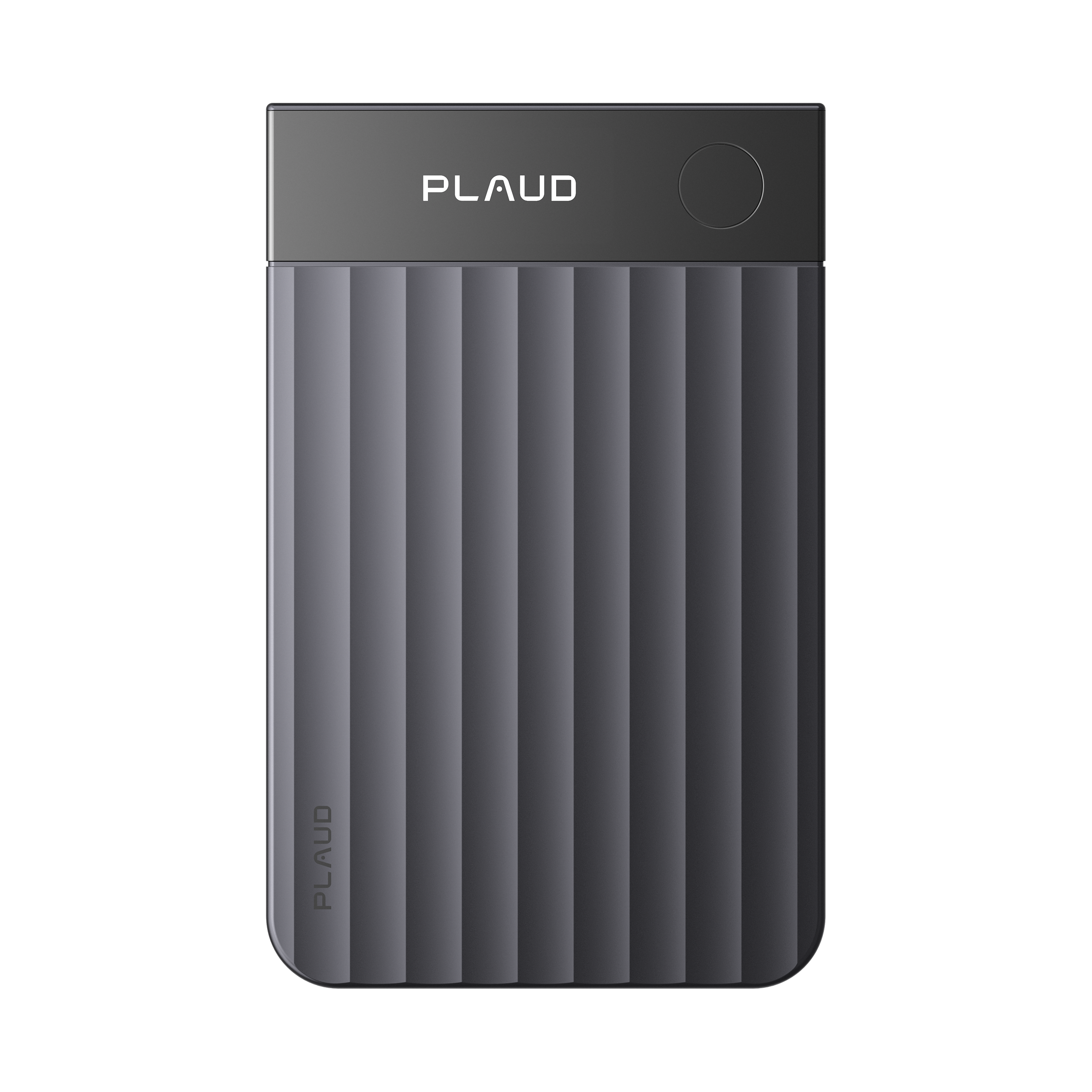
Yes, and the right one depends on what Rev's per-minute and per-seat pricing is not solving for you. Sonix and HappyScribe both support more languages at a more predictable cost for high-volume use, Trint is built for newsroom-speed turnaround, and Plaud Note Pro covers what none of the transcription services can: creating the recording itself, for phone calls and in-person conversations, since it is a physical device rather than a file-upload or meeting-bot service.
Why people look for a Rev alternative or competitor
Rev covers a real gap other tools miss: AI transcription at $0.25 a minute and human transcription at $1.99 a minute with a 99% accuracy guarantee, both from the same platform. The reasons people still look for a Rev alternative are specific and mostly come down to cost structure and compliance.
HIPAA compliance is the biggest one. It is not included on Rev's standard Free, Essentials, or Pro plans. It requires a separate HIPAA-specific subscription that is billed annually only, sold through Rev's enterprise sales team, and comes with some standard features removed or modified to meet privacy requirements. A healthcare team on a regular plan has no HIPAA coverage by default and has to go through a separate sales process to get it. Billing terms add complications too: there are no prorated refunds for unused subscription minutes when you cancel, no refunds on human transcription orders once submitted, and a subscription has to be canceled before its renewal date with no grace window. The free tier is English-only, and per-minute AI overage charges on top of a subscription can make monthly costs harder to predict than a flat-rate competitor.
The structural limitation is scope. Rev processes files you upload or, on some plans, meetings its AI Notetaker joins on Zoom, Teams, or Google Meet. Either way, it needs an existing recording or a bot in the room. It has no way to capture a phone call or an in-person conversation directly, so anything that happens away from a file or a video call falls outside what it can do.
What to look for in a Rev alternative
Four things separate a good pick from a bad one.
- Where HIPAA coverage sits. Check whether compliance is included on the plan you would buy, not just mentioned somewhere on the pricing page.
- Total predictable cost, not just the headline rate. Per-minute overages and seat-based subscriptions can make a cheap-looking plan expensive at real volume.
- Language coverage for your work. Rev's free tier and lower tiers lean English-first, so multilingual teams should check coverage before committing.
- Where recording happens. A phone call or a face-to-face conversation needs a tool built to capture audio directly, not one that only processes a file or joins a video call.
Rev alternatives compared
| Tool | Best for | Records in-person or phone calls | Languages | Starting price |
|---|---|---|---|---|
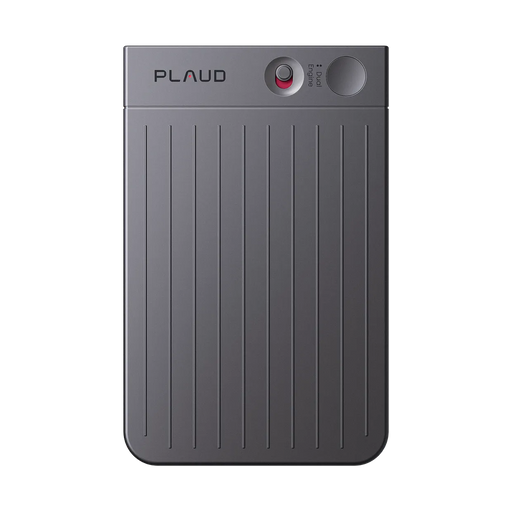
| Plaud Note Pro | In-person and phone calls, offline | Yes, dedicated hardware | 112 | $189 device, free Starter plan |
| Sonix | High-volume multilingual teams needing HIPAA | No | 53+ | Free trial, from ~$10/audio hour |
| HappyScribe | Teams that need both AI speed and human proofing | Mobile app for in-person | 150+ | Free trial, subscriptions from ~$9/mo |
| Trint | Newsrooms and media teams | No | 40+ | No free plan, from ~$52/seat/mo |
| Otter.ai | Live captions during online meetings | No | A handful | Free plan, Pro from ~$8.33/mo |
The 5 best Rev alternatives and competitors in 2026
Plaud Note Pro
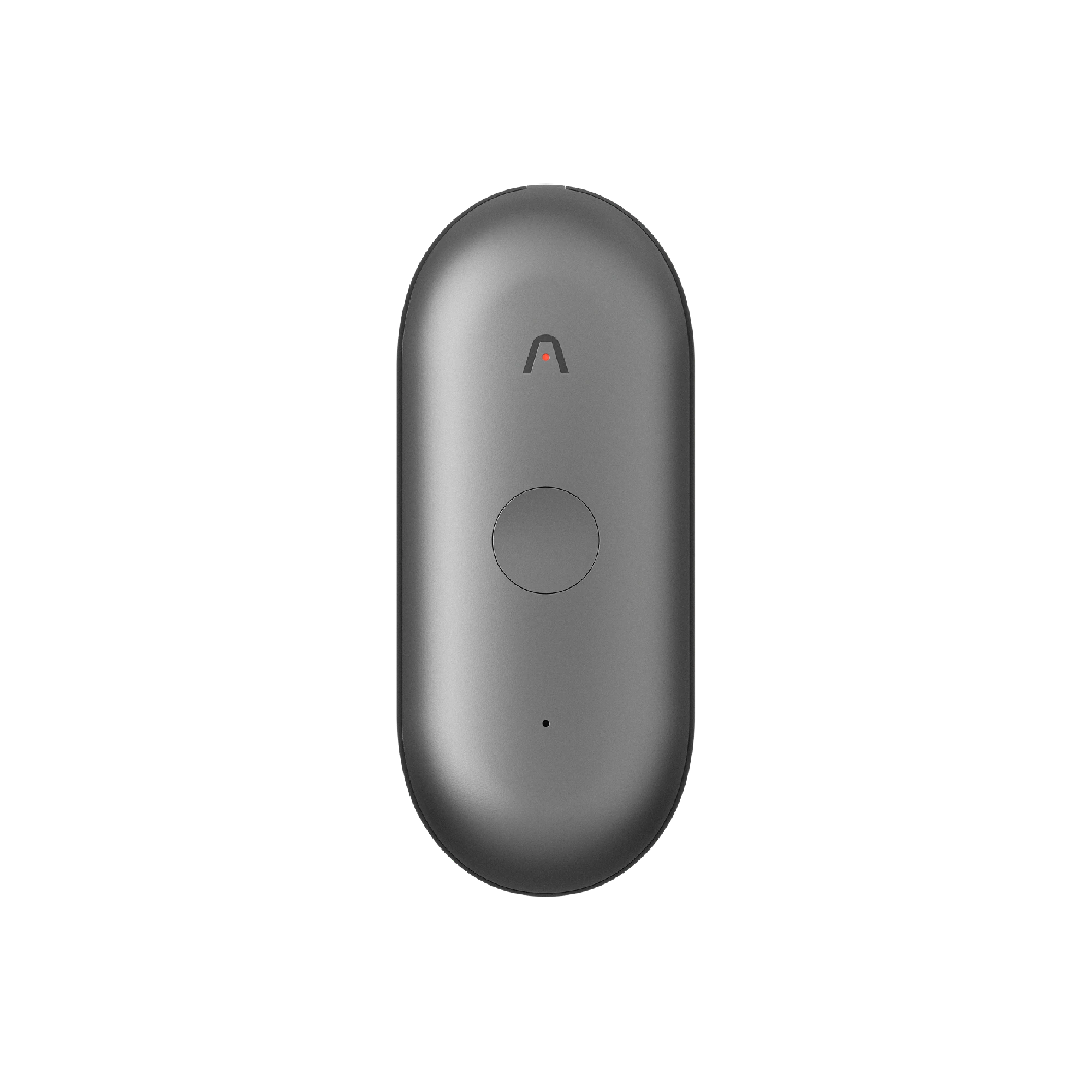
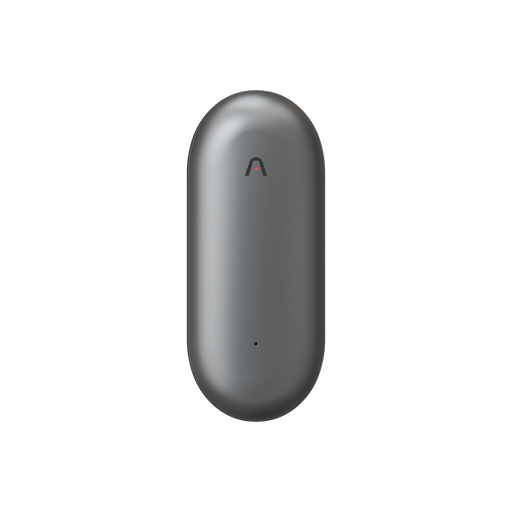
 Rev needs a file or a meeting bot before it can do anything. Plaud Note Pro is a physical device built to create that recording in the first place, for the conversations neither option can reach. It clips onto a phone for call recording or sits on a table for in-person meetings, picking up clear audio from up to 16.4 feet away with 4 MEMS microphones and AI beamforming. Smart dual-mode recording works out on its own whether you are on a phone call or in a room with other people, and one charge lasts up to 50 hours in Endurance mode.
For online meetings on Zoom, Google Meet, or Microsoft Teams, Plaud Desktop covers those too, detecting when a call starts and recording system audio directly with no bot joining as a visible participant. Plaud Intelligence then produces the transcript and summary in 112 languages, with speaker labels and industry-specific vocabulary, synced across the Plaud App, Plaud Web, and Plaud Desktop. The device costs $189 and includes a free Starter plan with 300 minutes of AI transcription a month. The Pro plan runs $99.99 a year for 1,200 minutes, and Unlimited is $239.99 a year, both flat rates with no per-minute overage billing. Plaud holds ISO 27001, ISO 27701, GDPR, SOC 2, HIPAA, and EN 18031 compliance on its standard plans, not gated behind a separate enterprise tier.
Best for: anyone who needs to create the recording, whether that's a phone call, an in-person conversation, or a meeting, not just process one that already exists.
Sonix
 Sonix supports 53 or more languages natively, well past what Rev covers on its lower tiers, and offers HIPAA-ready transcription through Medical Sonix with a BAA available on qualifying plans, without requiring the enterprise-only sales process Rev's HIPAA plan needs. Volume pricing around $5 to $10 an audio hour tends to land noticeably cheaper than Rev's per-minute rate once usage climbs past a few hundred hours a month.
Sonix does not offer Rev's human-transcription option for the highest-stakes files, so teams that specifically need a human-verified transcript alongside AI will still need to weigh that gap.
Best for: high-volume, multilingual teams that need HIPAA coverage without an enterprise sales process.
HappyScribe
 HappyScribe combines AI transcription with human proofreading in one dashboard, similar to Rev's dual-tier model, but adds live meeting capture through calendar integration and a mobile app for in-person recording that Rev's core product does not offer. Language coverage runs to 150 or more.
Subscription credits cap AI minutes on HappyScribe's plans, so a team doing very high AI-only volume with no need for human review may still find Rev's flat per-minute AI rate simpler to budget for that specific case.
Best for: teams that want AI speed and human accuracy together, plus meeting capture.
Trint
 Trint is built for newsrooms and media teams that need transcripts tied to timecode and translated into 40 or more languages, fast enough to turn around same-day. It skips Rev's per-minute billing entirely in favor of per-seat pricing.
There is no permanent free plan, only a trial, and pricing starts around $52 a seat a month, which is a real jump from Rev's pay-as-you-go entry point for a team that only transcribes occasionally.
Best for: newsrooms and media teams that need story-ready transcripts on a deadline.
Otter.ai
 Otter.ai adds something Rev's core transcription product does not: live captions displayed during the call itself, plus a 300-minute monthly free tier with no per-minute charge for staying within it. For teams that mainly need a searchable archive of virtual meetings, it is a lower-cost starting point than Rev's subscription tiers.
Otter carries its own consent controversy, including an active class-action lawsuit over how its meeting bot joins calls, and it does not offer Rev's human-transcription option for files that need certified accuracy.
Best for: teams that want live captions and a free tier without per-minute billing.
How to choose the right Rev alternative for your workflow
Start with what Rev is failing to do for you, not with a feature list. If HIPAA coverage on a standard plan is the issue, Sonix and Plaud both include it without an enterprise sales process. If cost predictability at volume matters most, Sonix's hourly rate or Plaud's flat annual plans avoid per-minute overage math. If you need story-ready output fast, Trint is built for that specific deadline pressure.
If the honest answer is that you need to create a recording in the first place, whether that's a phone call, a walk to someone's desk, or a meeting on a platform without a bot, none of the transcription services above can help, because they all still need an existing file or a joined call before they can do anything. That is the specific gap Plaud Note Pro is built to close.
Start with how the recording gets made
Before you commit to any Rev alternative, check where HIPAA coverage sits on the plan you would buy, since that trips up more people than any pricing detail. Then ask a more basic question: does your work start with a file that already exists, or a conversation that still needs to be captured? If it's the second one, no transcription service on this list can help, no matter how accurate it is. That is where Plaud Note Pro is built to help.