
Most recording devices for sales give you the audio and nothing more. The transcript, CRM entry, and follow-up email are still yours to write.
What are the different types of recording devices?
Recording devices fall into three categories: traditional audio-only recorders, AI recording devices, and software recording bots. For a sales rep, which type you choose determines how much work is left after every conversation.
- Traditional recorders capture audio cleanly and produce a file. Sony, Olympus, and Zoom H-series devices all do this well. After a 90-minute QBR, you have the audio. Finding what each client committed to still means listening back through the whole file and writing the CRM entry manually.
- AI recording devices record the conversation and process it automatically. After the same meeting, you get a transcript with every speaker labeled, a summary, and a list of action items.
- Software recording bots like Otter, Fireflies, and Fathom work on Zoom and Teams calls. When a prospect calls your mobile directly, or when you walk into a client’s office for a review, there is no meeting link for the bot to join. Covert recording devices exist as a separate category and are not relevant here.
This article is for reps who need every conversation documented without 20 minutes of manual write-up after each one.
How to choose the best recording device for sales
The choice comes down to two things: which conversations the device covers, and what it produces after each one.
Traditional voice recorders capture the audio and nothing more. After a 90-minute QBR, the rest is manual: listen back through the recording to find the commitments, write the CRM entry, write the follow-up. A rep with six to eight conversations a day cannot spend 15 minutes on this after each call.
Software bots cover Zoom calls and go silent everywhere else. When a prospect calls your mobile directly or a meeting moves in-person, the bot has no link to join and the call is not captured.
An AI note taker built into hardware closes both gaps. It records the room or the call and processes the transcript, summary, and action items automatically.
Two questions narrow the choice for a sales workflow:
- If your week includes phone calls or in-person meetings, you need hardware. Software bots alone will not cover them.
- If you want the transcript, summary, and action items generated automatically after each call, you need an AI recording device, not a traditional voice recorder.
According to the Salesforce State of Sales report, sales reps spend only 28% of their week actually selling. Documentation is where the rest goes, which is why output matters more than audio quality when choosing recording hardware.
Best recording devices for different sales scenarios
Two Plaud AI recording devices cover a full sales week. Which one depends on whether placing a device on the table changes how the prospect speaks.
Phone calls and scheduled meetings
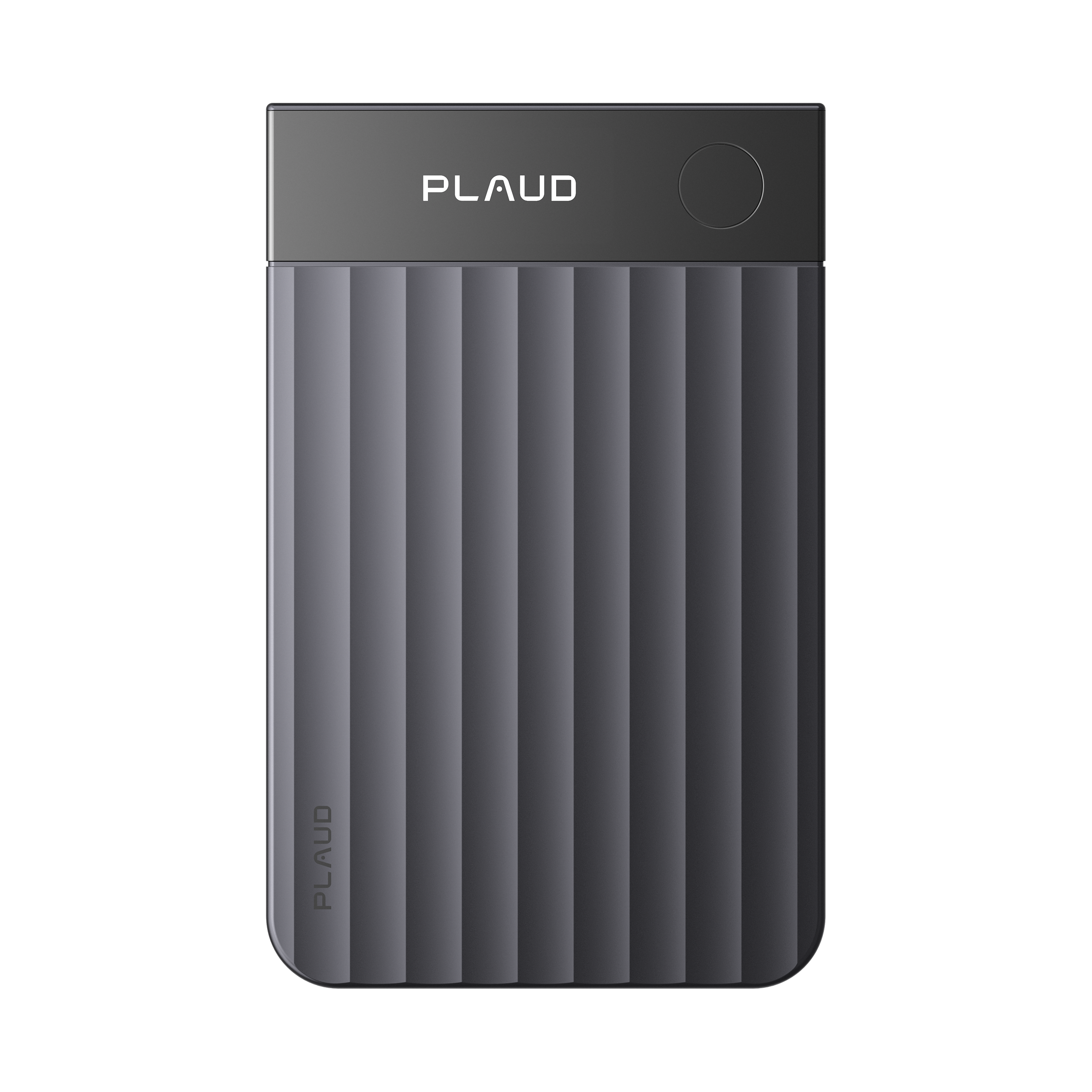
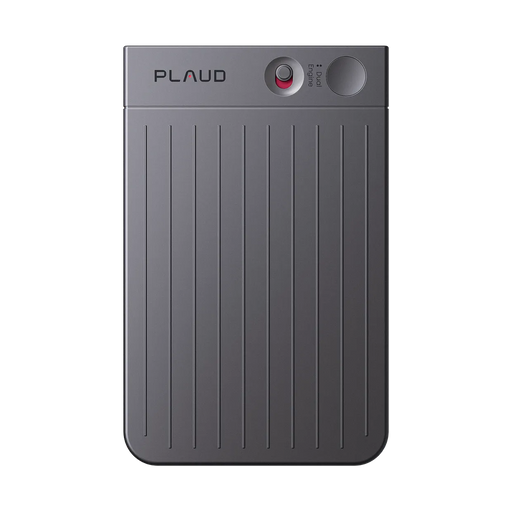
Plaud Note Pro is a physical AI note taker for phone calls and room-based meetings.
For a phone discovery call, attach it to the back of your phone and switch to call mode. It records both sides automatically. The prospect hears a normal phone call, with no speakerphone, no bot invite, and no Zoom link required.

For an in-person client meeting, place it on the table and press record. After a two-hour QBR with three stakeholders, the transcript comes back with each speaker labeled and every commitment logged. After a session with six clients across a conference table, the output covered every speaker clearly without repositioning the device.
That covers the recording setup.
Plaud Note Pro also works alongside Plaud Desktop, which captures online meetings without a bot joining the call. One account covers phone calls, in-person meetings, and video calls.
Open the app when the recording ends and Plaud Intelligence has the transcript ready, labeled by speaker, with a summary and action items. The Plaud App’s 10,000+ templates include discovery call summaries, QBR notes, and follow-up email drafts. Most reps send the summary as the follow-up email before leaving the building.
For reps with international accounts, transcription covers 112 languages. If client conversations have to stay confidential, Plaud Note Pro is cleared for SOC 2, GDPR, and HIPAA.
“This will allow me to be present for meetings instead of focusing on notes.” — verified buyer (Amazon)
In-person client visits and prospecting conversations
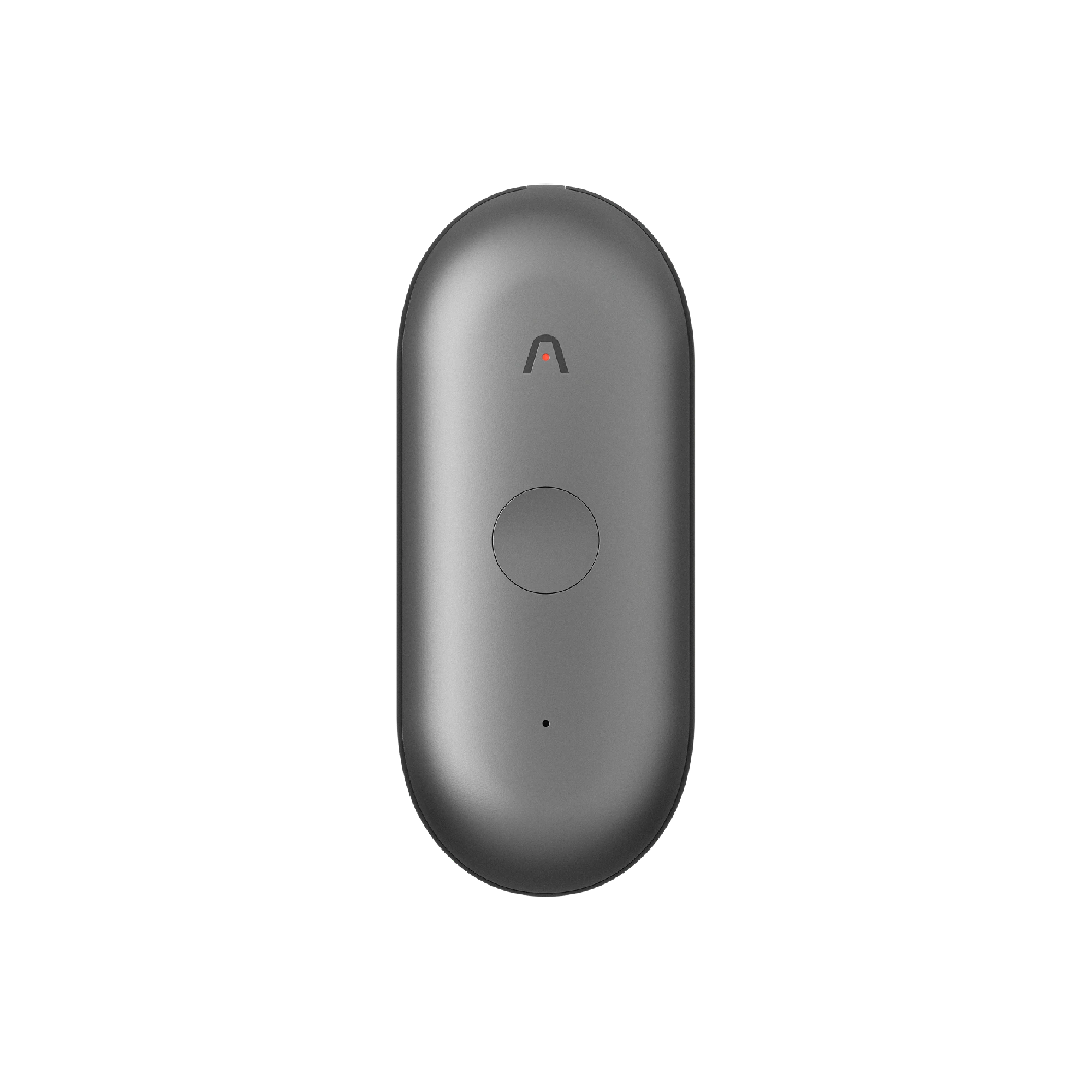
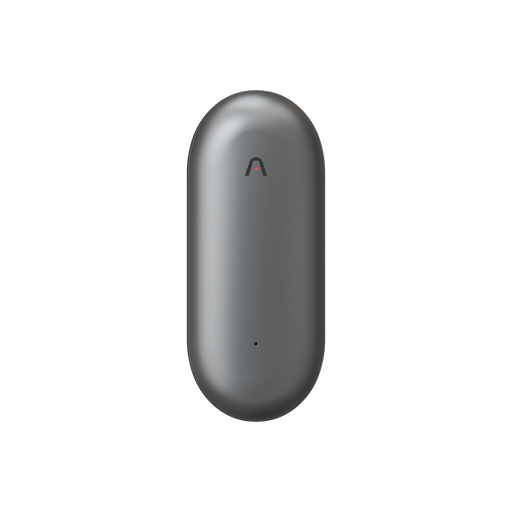
Plaud NotePin S is a wearable AI note taking device with a 17.4 g wearable design that records without anything on the table.
On a client site visit, placing a recording device on the prospect’s desk signals that the conversation is being formally documented. It can change how freely they speak. Clip Plaud NotePin S to your jacket before you walk in and press record. The visit is captured the same way a phone call is.
Between visits, clip it on in the car and record a debrief voice note with both hands free.
The device clips to clothing, hangs on a lanyard, attaches to a wristband, or pins magnetically. The battery runs all day. The output is the same as Plaud Note Pro: full transcript, summary, and action items through Plaud Intelligence and the Plaud App.

For reps who cover both
Both devices run on the same Plaud account with the same app and template library. For reps who handle phone calls, in-person visits, and video meetings in the same week, both devices together cover the full pipeline.
Getting started with your first session
Both devices are ready out of the box. Press record at the start of the meeting and open the Plaud App when it ends. The transcript processes in the background while you are already in your next call.
References
- Salesforce. (2022). State of Sales (5th ed.). https://www.salesforce.com/resources/research-reports/state-of-sales/