
A brain dump journal is a dedicated notebook or section set aside for one job: catching everything in your head, unsorted, so it stops taking up space. Unlike a regular journal, which often holds reflections, gratitude notes, or a narrative of your day, a brain dump journal holds raw material. Tasks, worries, half-formed ideas, and reminders all land on the same page, in whatever order they arrive.
The habit itself, why it works, and the five-step method behind it are covered in our guide on how to do a brain dump. This guide goes one level deeper into the journal itself: how to set one up, which page layouts and templates fit best, a working list of prompts, and how to adapt it if you have ADHD.
Brain dump journal or bullet journal brain dump page
A brain dump journal can be a standalone notebook, or it can live as one page inside a bullet journal. Both work. The difference is structure.
A standalone brain dump journal is unstructured by design. Open to a blank page and write. No columns, no symbols, just a fast, wide list of whatever is on your mind.
A bullet journal brain dump page borrows the rapid logging system that Ryder Carroll built for bullet journals. Instead of full sentences, you use short bullets and simple symbols, a dot for a task, a dash for a note, a circle for an event, so the page stays scannable at a glance. If you already keep a bullet journal for planning, adding a brain dump page in the same book means your rapid-fire thoughts sit next to your daily log instead of in a separate notebook. See the official Bullet Journal method for the full rapid logging system if you want to borrow its symbols.
Pick the standalone version if you want total freedom on the page. Pick the bullet journal version if you already rapid log and want your brain dump to migrate cleanly into tasks and future log entries.
How to set up a brain dump journal
Set a timer, pick a page layout, and write without editing. The setup matters less than opening the notebook when your head feels full.
- Choose your container. A cheap notebook, one section of an existing bullet journal, or a printable template all work equally well. The best choice is whichever one is already within reach when you need it.
- Set a short timer, five to ten minutes. This keeps the page from turning into an editing session.
- Write in fragments, not full sentences, especially if you are using a bullet journal page. Speed beats neatness here.
- Date each entry. A brain dump journal becomes far more useful once you can flip back and see patterns across weeks.
- Leave the sorting for after the timer ends. Group similar items and circle the two or three that matter most.
For the reasoning behind each step and a worked example of a completed dump, see the full method in our brain dump guide.

Brain dump journal templates and formats
The right format is whichever one survives contact with a busy week. Four options cover most people.
| Format | Best for | Trade-off |
|---|---|---|
| Plain notebook | People who want zero structure and total flexibility | Easy to abandon without a habit anchor |
| Printable or PDF template | People who freeze up at a blank page | Less flexible if your needs change |
| Bullet journal page | People who already rapid log for planning | Takes longer to learn the symbol system |
| Digital app or voice | People who think faster than they write, or who are away from the notebook when ideas hit | Loses some of the tactile, screen-free feel of paper |
A brain dump journal template usually gives you pre-drawn sections such as tasks, ideas, and worries, so you spend the timer writing instead of drawing boxes. That structure helps on days when a blank page feels like one more thing to manage.
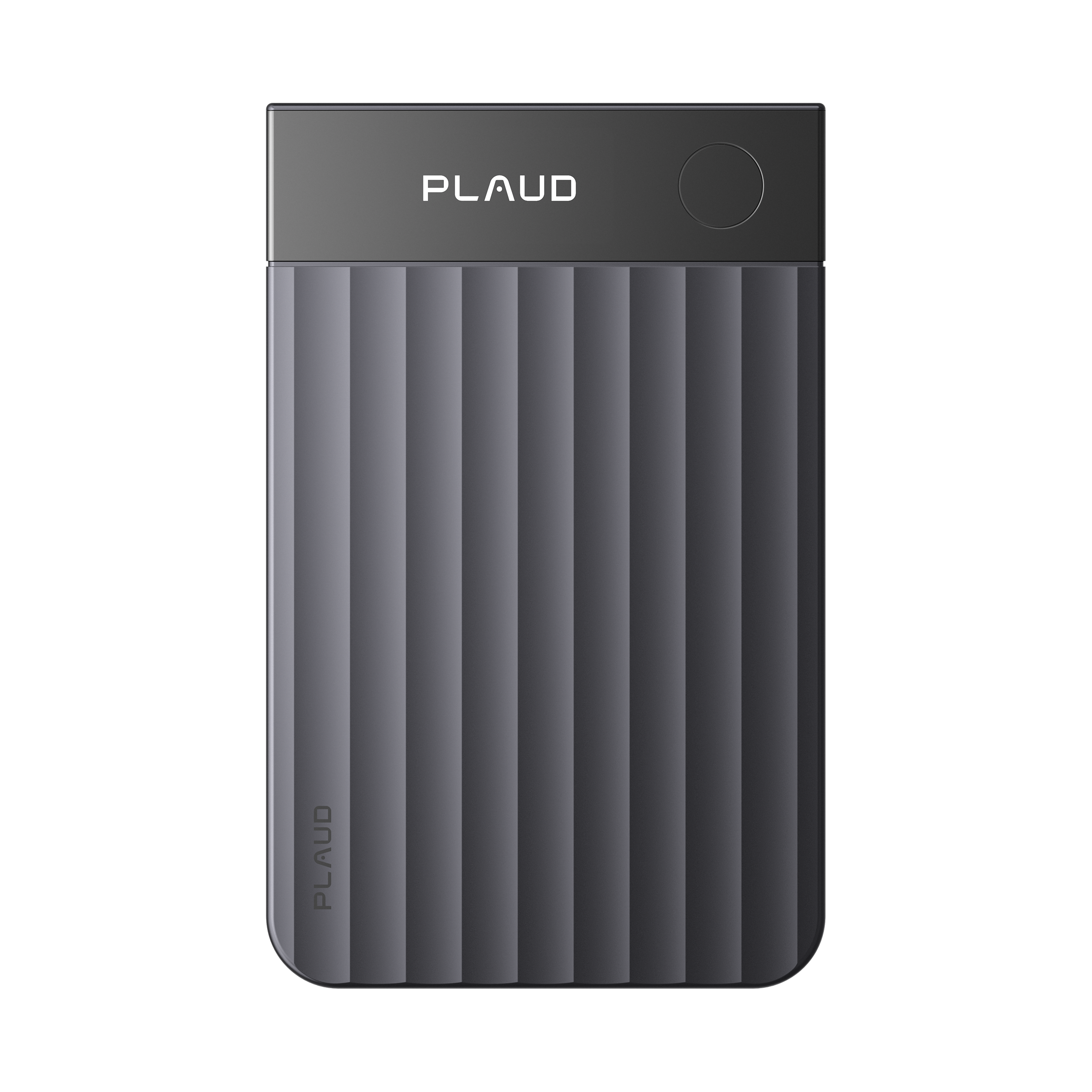
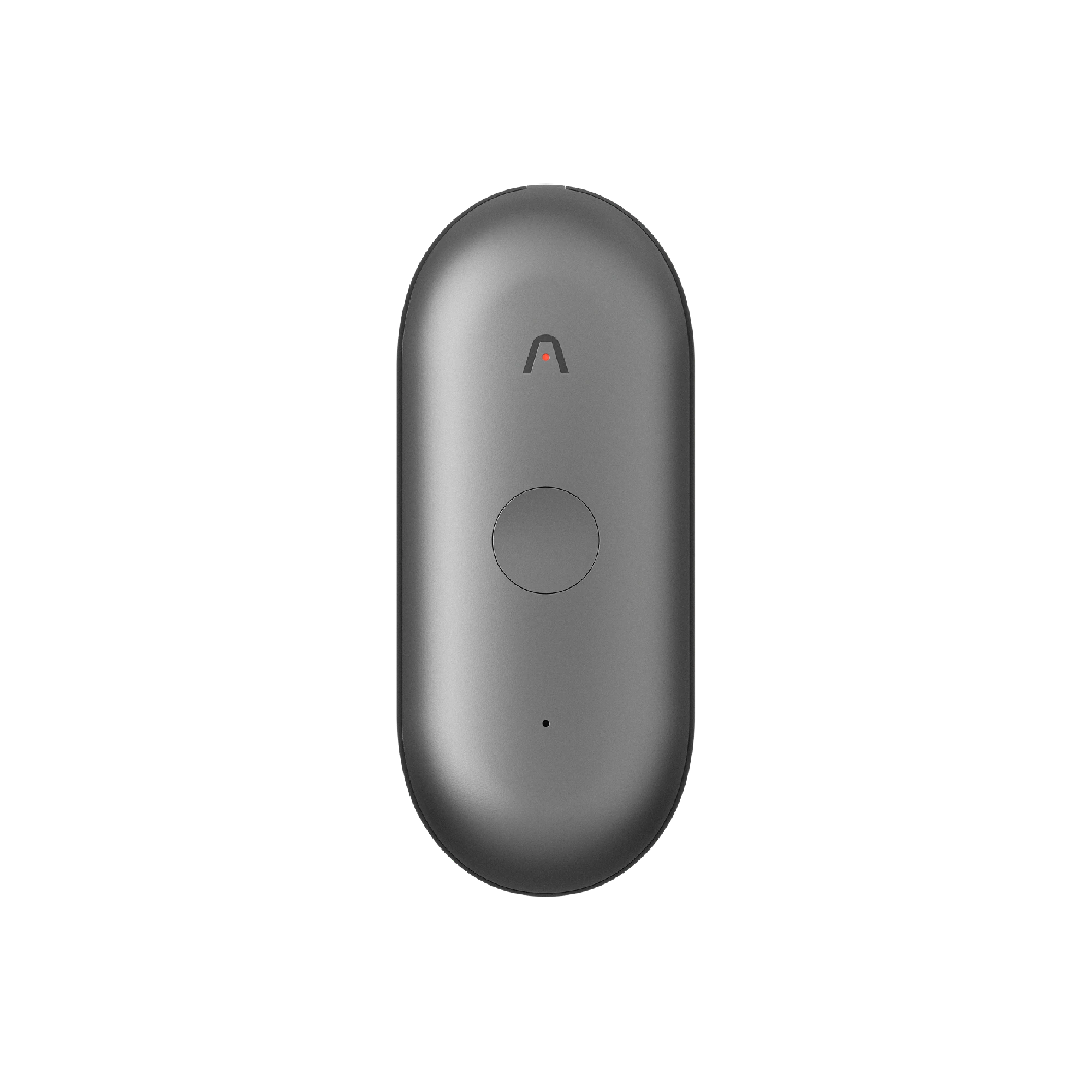
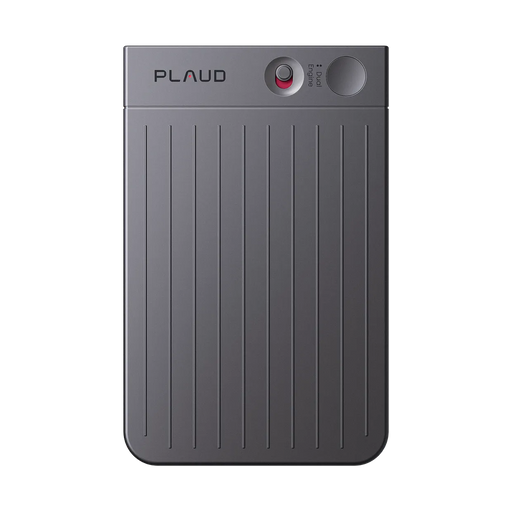
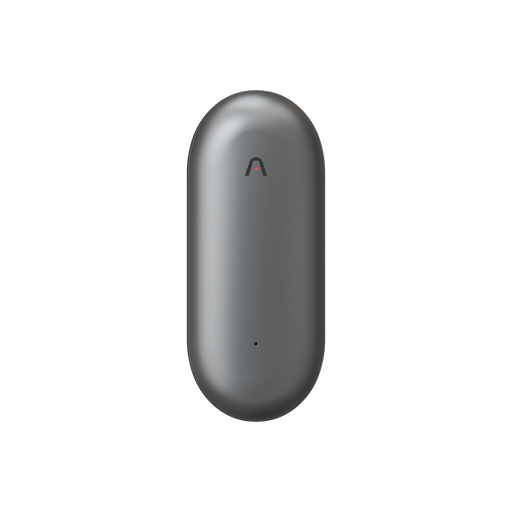
The gap every format above shares is timing. The clearest thoughts tend to show up on a walk, during a commute, or right as you are falling asleep, exactly when opening a notebook is inconvenient or impossible. A wearable recorder like the Plaud NotePin S covers that gap. Clip it on, wristband it, or clip it to a lanyard, then press once to start talking through whatever is crowding your head. Plaud Intelligence turns the recording into a transcript and a structured summary afterward, so a rambling two-minute dump comes back organized enough to copy straight into your paper journal the next morning. Before you record, take a moment to let others know and get their okay if anyone else is around.
Brain dump journal prompts
Prompts help most on the days a blank page feels harder than usual. Pick one line and start writing, you do not need to work through the whole list.
Tasks and to-dos
- Everything on my plate today, big and small
- What I keep forgetting to do
- The one task I have been avoiding, and why
- Something I said I would do but haven't started
Worries and stress
- What is bothering me right now
- The worst-case version of a decision I am putting off
- What I would tell a friend who had my exact week
- A conversation I keep replaying in my head
Ideas and projects
- Any idea I've had in the last 24 hours, half-formed is fine
- What I would build or start if time and money were not an issue
- A problem at work I have not fully worked through yet
- Something I read, watched, or heard that stuck with me
Mood and gratitude
- Three things that went right today
- What is taking up the most mental space right now
- How I would describe today's stress level as weather
- One small win nobody else noticed
Nightly and next-day
- What I need to remember before tomorrow morning
- What's still open from today that can wait until tomorrow
- One thing I want tomorrow to include
- Anything keeping me from falling asleep right now
If you would rather speak these prompts than write them, a short recording answers the same way a page does. Long press to record, say whatever comes, and review the summary once Plaud Intelligence organizes it.
Brain dump journaling for ADHD
An ADHD brain dump journal works best with more structure than a blank page offers, since an open page can feel just as overwhelming as an open mind. A few adjustments make the habit stick.
- Use a template with fixed sections instead of a blank page, so there is less deciding involved before you start writing.
- Keep the page in the same spot every time, a nightstand, a bag, a desk drawer, so finding it is not its own task.
- Pair the habit with something you already do daily, right after brushing your teeth or during the first coffee, so it does not need to be remembered on its own.
- Keep entries short. A cluttered page with too many categories can recreate the overwhelm the journal is meant to relieve.
For the ADHD-specific reasoning behind why externalizing thoughts helps working memory, and for a bedtime routine that pairs well with this, see the ADHD section of our brain dump guide and our broader guide on staying productive with ADHD.
A voice-first option is worth considering here too. Reviewers who use the Plaud NotePin S for exactly this purpose describe it as a way to stay present through a scattered day and unload a string of thoughts the moment they show up, rather than losing them while searching for a notebook. Wearing it means the capture step is already done before you sit down to sort anything. Before you record, take a moment to let others know and get their okay.

When a brain dump journal is not enough
A brain dump journal is a self-help habit, not a treatment. It helps most with everyday mental clutter, a busy week, a long to-do list, a mind that will not slow down at bedtime. It is not built for deeper processing. If the same fear or memory resurfaces dump after dump without loosening its grip, that pattern is worth bringing to a therapist rather than writing through alone. Verywell Mind notes that a brain dump can relieve everyday overwhelm, but it works alongside professional support for anxiety or trauma, not in place of it.
Start your first brain dump journal page
Pick a notebook, a template, or your phone, whatever is already within reach, and give yourself five minutes to write down everything on your mind. The format matters less than starting today. If your clearest thoughts tend to arrive away from your desk, the Plaud NotePin S lets you capture them by voice and get an organized summary back to copy into your journal later.
A brain dump journal is a self-help and productivity practice, not medical advice. If anxiety, sleep problems, or overwhelm are persistent, consider speaking with a qualified professional.