
Meeting minutes are the official written record of what a group decided, who owns what, and what happens next. They are not a transcript. A transcript captures every word. Minutes capture only what matters: decisions, owners, deadlines, and the votes or motions that got them there.
Good minutes let someone who missed the meeting understand exactly what happened in under two minutes of reading. Bad minutes turn into a pile of vague notes nobody opens again. This guide covers what to include, how to capture minutes live without losing the thread of the discussion, and how to turn a messy set of notes into a document people want to read.
What to include in meeting minutes
Every set of minutes needs the same core information, whether it is a two-person check-in or a formal board meeting.
- Meeting details. Date, start time, location or call link, and the meeting type (weekly sync, board meeting, project kickoff).
- Attendees and absences. Who was present, who joined late, and who sent regrets. For board and committee meetings, note whether a quorum was met.
- Approval of prior minutes. A one-line note that the last meeting's minutes were reviewed and approved, with any corrections.
- Agenda items and key discussion points. A short summary of what was discussed under each agenda item, not a word-for-word account.
- Decisions and motions. What was decided, and for formal meetings, the exact wording of any motion, who moved it, who seconded it, and the vote count.
- Action items. Every task, its owner, and its due date. This is the section people reread most.
- Next meeting. Date and time, if set.
- Adjournment time and preparer. When the meeting ended and who wrote the minutes.
If you're taking minutes for a board or another body that follows parliamentary procedure, Robert's Rules of Order is the standard reference for what a formal motion needs to include and how corrections to approved minutes get handled.
Before the meeting: set up for easy minutes
The work that makes minutes easy happens before anyone sits down.
- Get the agenda in advance. An agenda with clear items gives your minutes a built-in structure. Without one, you're guessing at how to organize what you hear.
- Build or reuse a template. A consistent template means you're filling in blanks during the meeting instead of formatting from scratch afterward. See the template below.
- Confirm who's taking minutes. In many organizations this falls to a secretary or coordinator by default. If nobody owns it, decisions get lost. Assign it explicitly.
- Set expectations on detail level. A weekly team sync needs a fraction of the formality of a board meeting. Match the effort to the stakes.
Before you record any conversation to help with this, whether on your phone or a dedicated device, take a moment to let others know and get their okay. If required by law, obtain consent from all participants and comply with applicable local rules.
During the meeting: capture minutes without losing the thread
Most minute-takers struggle at this exact step. Trying to write full sentences while also following the discussion means you either fall behind or stop listening.
- Write in fragments, not sentences. Capture the decision or action, not the full exchange that led to it. You can clean up the language afterward.
- Flag motions and votes verbatim. These are the parts that need exact wording. Everything else can be paraphrased.
- Assign owners the moment a task is agreed. If someone says "I'll follow up with legal," write the name and the task immediately. Waiting until later means guessing.
- Note timestamps for anything you'll need to revisit. If a conversation gets complex, a rough timestamp lets you go back to the recording instead of trying to remember it.
- Don't transcribe the debate. Minutes record what was decided, not who argued for what. Keep opinions and side discussions out.
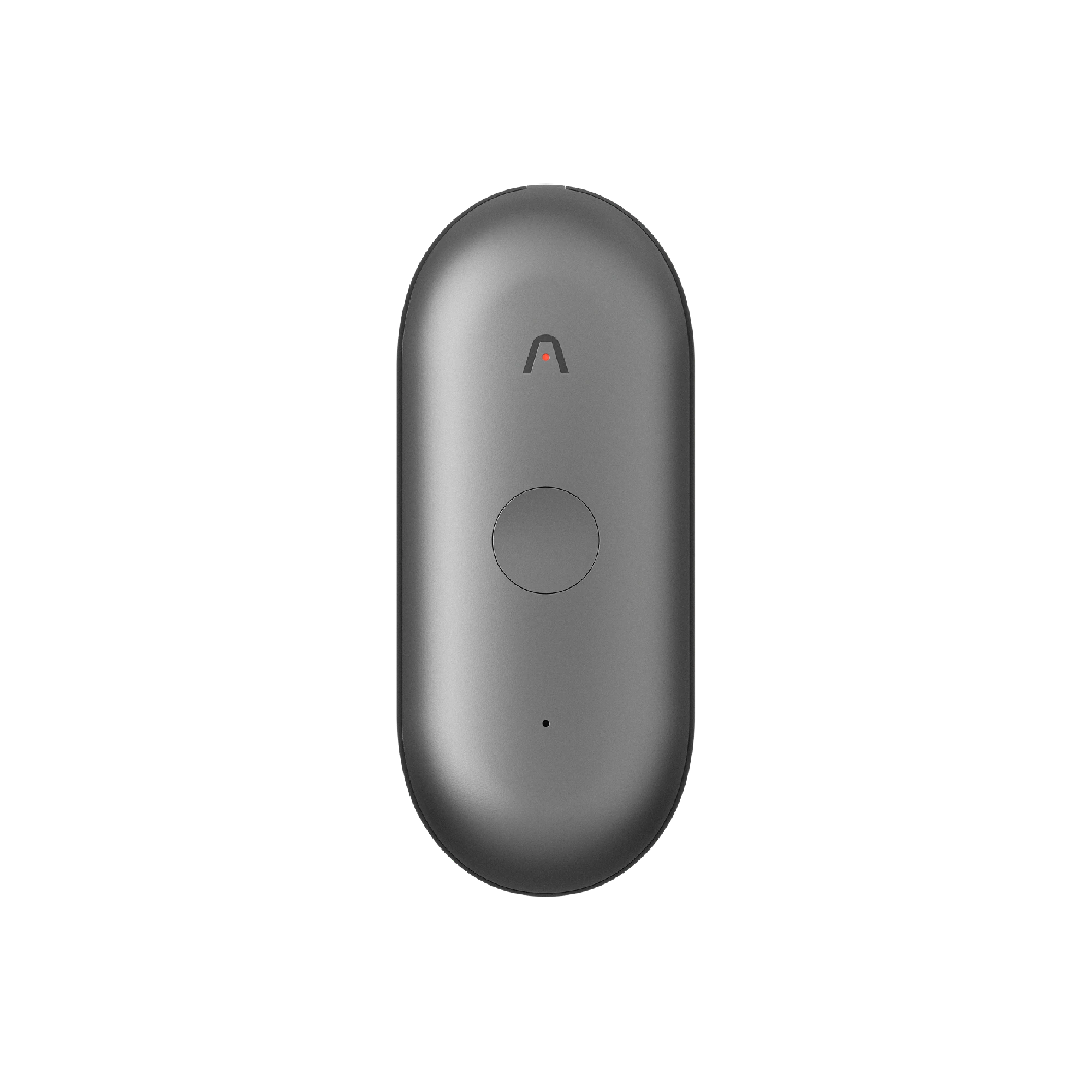
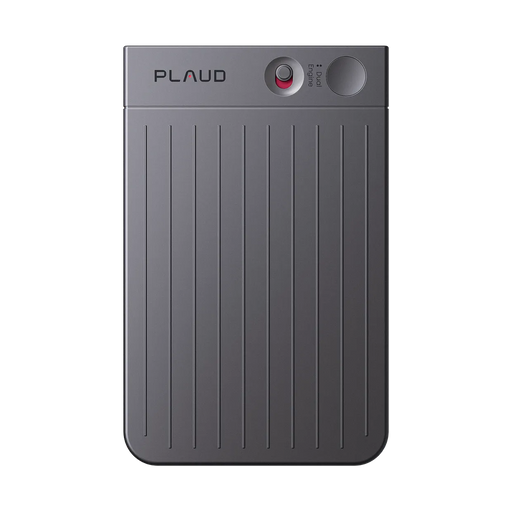
 If you'd rather stay fully present in the room, a physical AI note taker like Plaud Note Pro can handle the raw capture while you focus on the conversation instead of your notepad. It picks up voices clearly from up to 16.4 feet away with 4 MEMS microphones and AI beamforming, so it works for a small huddle or a full boardroom, and it automatically switches between phone call and in-person recording so you don't have to think about mode.
After the meeting: turn notes into finished minutes
Raw notes are not minutes yet. Finish them while the meeting is still fresh, ideally the same day.
- Fill in gaps immediately. Memory fades fast. If you flagged a timestamp during the meeting, this is when you go back and check it.
- Convert fragments into clear, neutral language. Write in the past tense, third person, and stick to what was done, not what was said. "The team approved the Q3 budget" reads better than a paraphrased quote.
- Group by agenda item, not by speaker. Minutes organized by topic are far easier to scan than a chronological play-by-play.
- Double-check every action item has an owner and a date. A task with no owner is a task nobody will do.
- Send minutes within 24 to 48 hours. The faster people see their action items, the faster things move.
- Route for approval. Formal bodies typically approve minutes at the start of the next meeting. Until then, label the document "draft."
A simple meeting minutes template you can copy
This works for most team and project meetings. For formal board minutes, add a motions and votes section directly under decisions.
Meeting: [Name]
Date: [Date]              Time: [Start–End]
Location/Link: [Location or call link]
Attendees: [Names]        Absent: [Names]

Approval of previous minutes: [Approved / approved with corrections]

Agenda item 1: [Topic]
- Discussion summary: [1–2 sentences]
- Decision: [What was decided]

Agenda item 2: [Topic]
- Discussion summary: [1–2 sentences]
- Decision: [What was decided]

Action items:
- [Task] (Owner: [Name], Due: [Date])
- [Task] (Owner: [Name], Due: [Date])

Next meeting: [Date/Time]
Adjourned: [Time]
Minutes prepared by: [Name]
Adjusting minutes for the type of meeting
The core structure stays the same, but the level of formality should match the stakes.
- Board and committee meetings. These typically follow parliamentary procedure, so minutes need exact motion wording, the name of who moved and seconded, and the vote count. A designated secretary usually owns the task, and the minutes are read and approved at the start of the next meeting before they count as an official record.
- Team and project meetings. Formal motions rarely apply. Focus on decisions, owners, and deadlines, and keep the discussion summary brief. Rotating the task among team members works fine here.
- Client or external meetings. Minutes often double as a record of what was promised. Send them the same day, and be precise about commitments and dates, since these documents can get referenced later in a dispute.
- One-on-ones and small syncs. Full minutes are usually overkill. A short list of decisions and action items sent right after the call covers most of the value.
If you're new to taking minutes as a secretary or administrative lead, sit in on a meeting first without writing anything, just to learn how the group runs its agenda. It's much easier to capture decisions accurately once you know the group's rhythm.
Let AI handle the transcript so you can focus on the conversation
The slowest part of writing minutes is usually not the writing. It's trying to remember exactly what was said an hour after the meeting ends. Plaud Intelligence turns a recording into a transcript with speaker labels in 112 languages, then generates a structured summary using one of over 10,000 templates, including a meeting minutes format with decisions and action items already organized. Ask Plaud can also answer specific questions afterward, like "what did we decide about the launch date," with the answer grounded in the actual recording instead of a guess.
For virtual meetings, Plaud Desktop captures Zoom, Google Meet, and Microsoft Teams calls directly from your computer's audio, without adding a bot to the call. For in-person meetings, a physical device is still the more reliable option, since laptop microphones and meeting bots can't capture a conference room the way a dedicated recorder can.
Plaud users report saving about 260 hours a year on post-meeting work.* That time comes back the moment you stop typing minutes from memory and start editing an AI-generated draft instead.
Common mistakes that make minutes useless later
- Writing too much detail. Minutes that read like a transcript take longer to write and longer to read. Stick to decisions and actions.
- Leaving action items without owners. An action item with no name attached rarely gets done.
- Waiting too long to send them. Minutes that arrive a week later have already lost their usefulness for anyone tracking deadlines.
- Skipping the approval step for formal meetings. Unapproved minutes are still a draft, not an official record.
- Recording opinions instead of outcomes. Minutes are not a debate transcript. Keep who-said-what out unless a formal vote requires it.
- Reusing a template that doesn't fit the meeting. A board template forced onto a casual team sync makes minutes feel bureaucratic. Match the format to the group.
Start with the next meeting on your calendar
You don't need a perfect system to write better minutes. Pick a template, decide who owns the task, and capture decisions and owners the moment they happen instead of trying to reconstruct them later. If the hardest part of your meetings is staying present while also taking notes, letting a recorder handle the transcript is often the fastest fix.