Audio transcription · How-to guide

How to transcribe a voice recording or audio into text

You recorded the audio. Now you need the text. The gap between an audio file on your phone and a clean, searchable transcript is where most transcription methods fall short. Phone dictation only works live. Free upload tools run out of minutes. Manual typing takes hours.

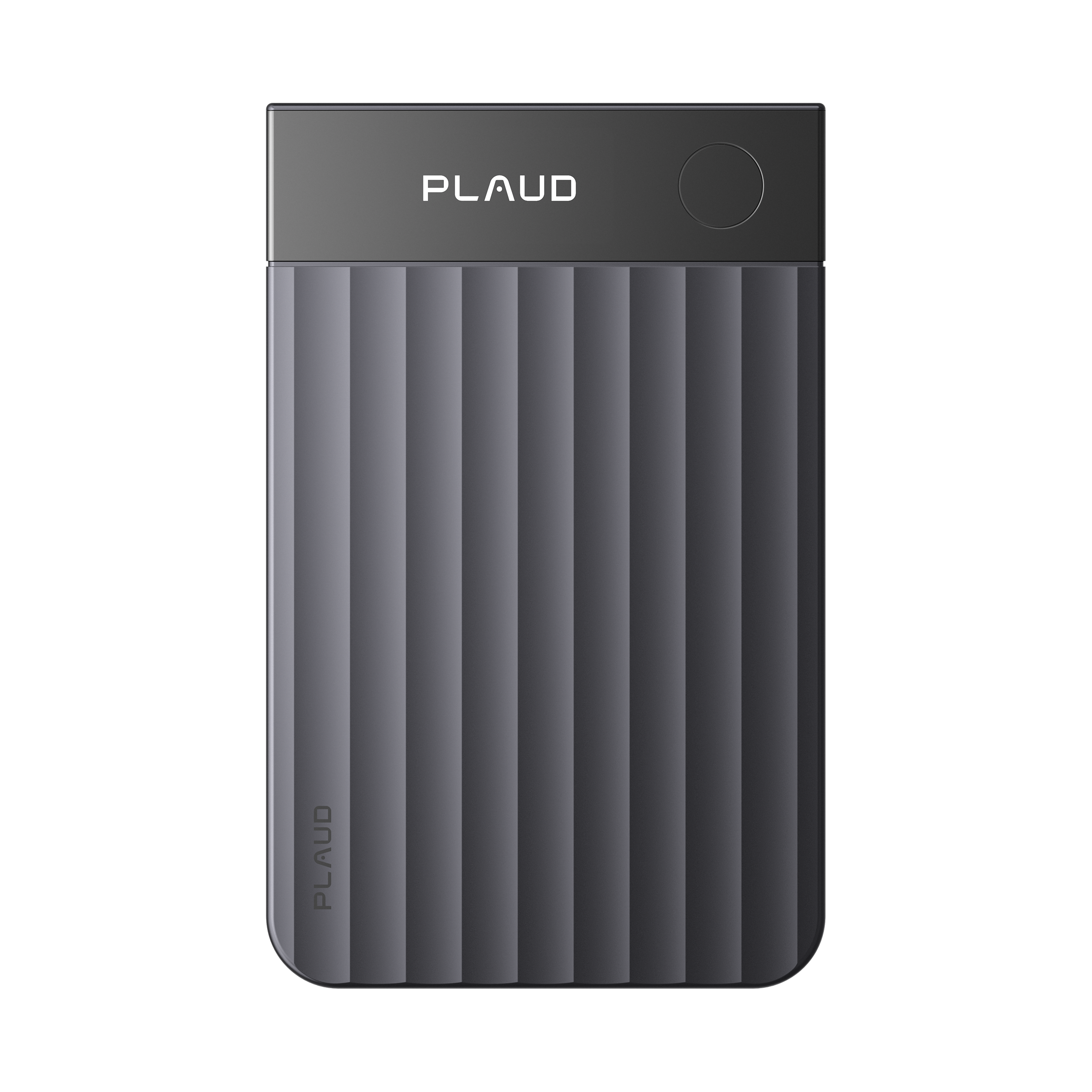
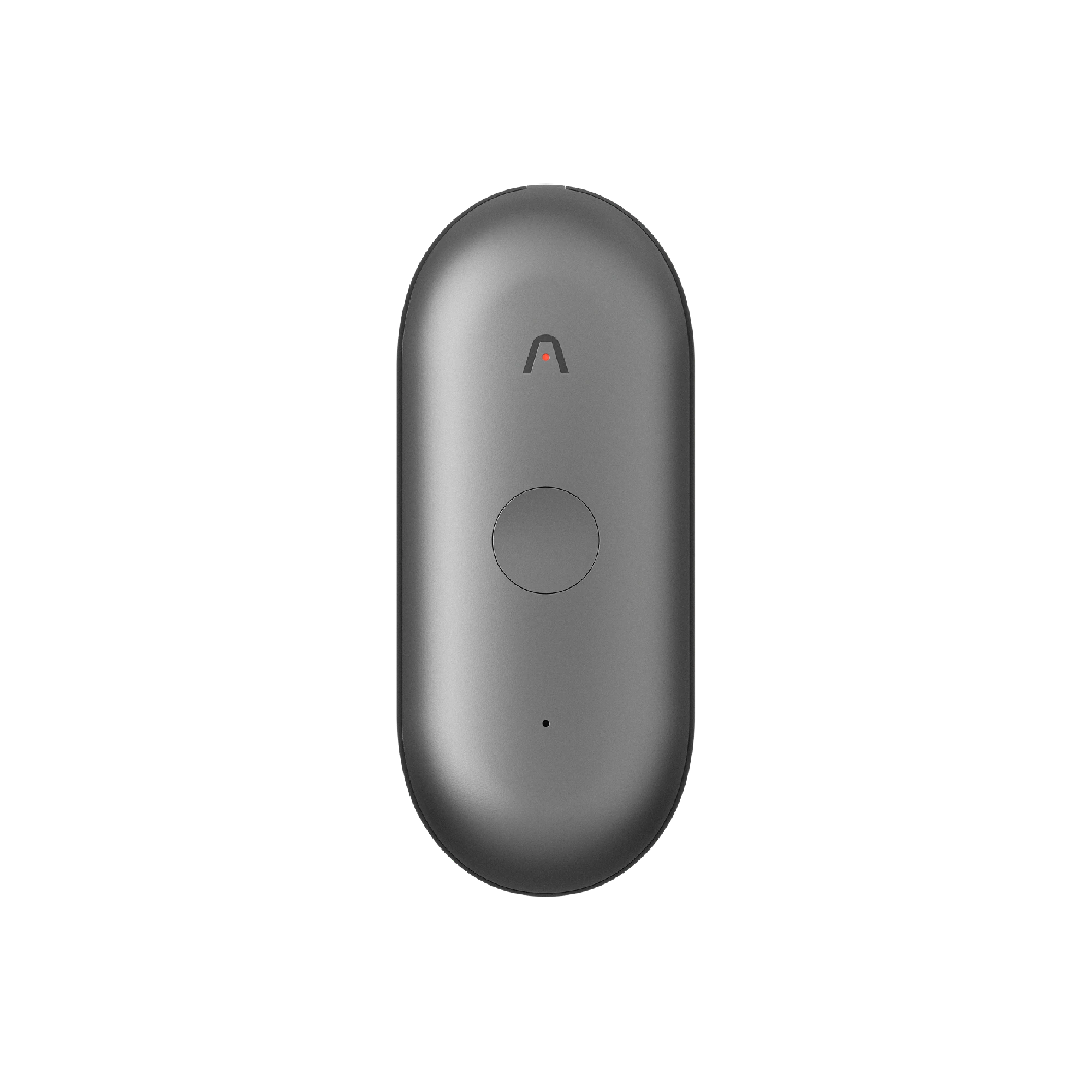
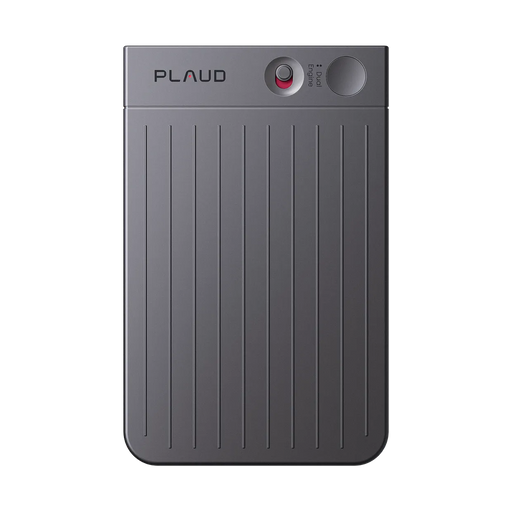
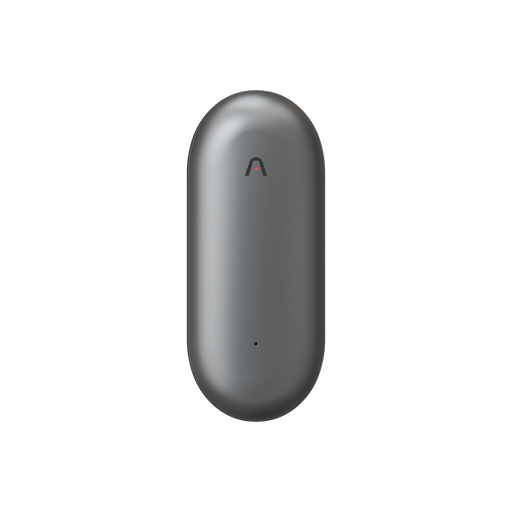
Plaud Note Pro beside a phone displaying a transcript of a voice recordingBest for no-upload, no-cap transcription

Quick answer

4 steps to transcribe a voice recording or audio file

The right method depends on whether you are recording now or working with a file you already have. Match the method first, then run transcription.

1. Identify your audio source: a live recording you are about to make, or an existing file you already have

If you are recording live right now, phone dictation and most AI tools are available. If you already have an audio file from a phone recorder, meeting app, or field device, you need a method that accepts uploaded files. Phone dictation cannot process existing files. It captures live speech only.

2. Match the method to your audio type: phone dictation, browser upload tool, or a dedicated transcription device

Phone dictation works only for live speech. Browser-based tools accept existing files in MP3, M4A, WAV, and MP4 formats but may cap your monthly transcription minutes on free plans. A dedicated recording device with on-device AI handles both live capture and subsequent transcription without an upload step or a monthly limit.

3. Run the transcription and review the output for accuracy

Check proper nouns, names, and speaker turns. AI transcription tools are accurate for clear recordings but still benefit from a quick review pass. Multi-person recordings require speaker label support if you need attribution.

4. Export the text and organize it alongside the original audio

Save the transcript as TXT, DOCX, or SRT depending on your workflow. Keep the original audio file alongside the transcript so you can return to any moment by timestamp.

See full method comparison ↓

Methods

Which transcription method fits your audio type

Compared on whether the method accepts existing audio files, how long transcription takes, whether speaker labels are available, and whether a monthly minute cap applies.

Manual transcription (type while listening)

Works on any audio file from any source. No account or upload required. Accurate because you control every word. Takes four to six times the length of the audio to complete.

Input format accepted
Any format you can play
Accuracy
Highest (human-verified)

Browser-based AI upload tool

Accepts existing files and returns a transcript in minutes per hour of audio. Free tiers cap monthly minutes, typically at 300 to 600 minutes. Speaker labels and export options are often paywalled.

Input format accepted
MP3, M4A, WAV, MP4
Accuracy
Strong for clear audio

Phone dictation (iOS or Android)

Real-time only. You speak and the phone types what it hears. Cannot process an existing audio file. Users who already have a recording cannot use this route.

Input format accepted
Live speech only
Accuracy
Good for clear live speech

AI recorder (Plaud Note Pro)

4 MEMS mics capture audio at the source. Plaud Intelligence transcribes after recording without requiring a file upload to any third-party service. No monthly caps. Speaker diarization included. Always record with participant consent.

Input format accepted
On-device capture (MP3, M4A)
Accuracy
High with speaker labels

Based on common transcription workflows and Plaud product data. Always confirm consent from all participants and follow local recording laws before recording any conversation.

Tips

Most transcription methods break down on audio you already have

Whether a method accepts existing files, whether it removes monthly limits, and whether it returns speaker labels are the three things that determine whether a transcription workflow is actually usable for regular work. A method that only captures live speech locks out anyone with an existing recording. A method with a free-tier cap creates a wall the moment your audio volume grows. A method with no speaker labels returns a wall of unattributed text that has to be annotated manually before it is useful.

Phone dictation is real-time only and cannot process a file you already haveMost iOS and Android dictation tools type what you say live. They do not accept an audio file as input. Users who already have a recording from a voice memo app, a meeting, or a field recorder cannot use phone dictation to get a transcript. They need a tool that accepts uploaded files.
Free upload tools run out of minutes before a full month of audio is processedBrowser-based transcription services commonly cap free usage at 300 to 600 minutes per month. A few long interviews or one full day of meetings can exhaust that allowance quickly. Plaud Note Pro processes recordings via Plaud Intelligence without a monthly cap.
A transcript with no speaker labels requires a full re-read before anyone can act on itUnattributed text from a multi-person recording cannot be used for follow-up, accountability, or quotation without a manual annotation pass. Plaud Intelligence diarizes each speaker from the audio and attributes every statement in the transcript without post-session annotation.
Uploading sensitive audio to a third-party web service adds a privacy risk and an extra workflow stepInterview recordings, meeting audio, and field recordings often contain confidential information. Routing that audio through an upload to an external service is a privacy exposure point. Plaud Note Pro processes recordings on-device via Plaud Intelligence. The audio does not leave your device.

The easier way

How Plaud Note Pro removes the upload step and the minute cap

Plaud Note Pro captures audio with 4 MEMS microphones in smart dual-mode and transcribes via Plaud Intelligence without requiring a file upload to any third-party service. There is no monthly transcription cap and no separate upload workflow.

  • On-device processingBrowser-based tools require you to upload your audio file to an external server. Plaud Note Pro processes the recording on-device via Plaud Intelligence.
  • No monthly capFree transcription services cap monthly usage at 300 to 600 minutes. Plaud Note Pro has no monthly transcription cap.
  • Speaker diarization includedPlaud Intelligence diarizes each speaker from the audio and labels every statement in the transcript.
Plaud Note Pro

Plaud Note Pro

The smart dual-mode AI recorder with on-device transcription. No upload required. No monthly caps. Speaker labels included.

4 MEMS mics · On-device Plaud Intelligence · No monthly caps · Smart dual-mode · Up to 30 hours recording
Microphones4 MEMS mics
ModeSmart dual-mode auto-detection
IntelligencePlaud Intelligence on-device
TranscriptionNo monthly cap
RecordingUp to 30 hours
Thickness2.99 mm thin
Get Plaud Note ProCompare all methods

Plaud Note Pro vs Plaud Note

Plaud Note Pro for users who record regularly, need on-device Plaud Intelligence, and want the least manual setup. Plaud Note for users who record occasionally and prefer manual control at a lower price.

Plaud Note Pro

Plaud Note Pro

The smart dual-mode AI recorder with on-device transcription. No upload required. No monthly caps. Speaker labels included.

★★★★★4.9(152)
  • 4 MEMS mics, smart dual-mode
  • On-device Plaud Intelligence
  • No monthly transcription cap
  • Speaker diarization included
$189.00
Buy Plaud Note Pro
Plaud Note

Plaud Note

Best for occasional recording and voice memos where manual mode control is preferred at a lower price.

★★★★★4.9(1020)
  • Dual-mode manual recording
  • Plaud App transcription
  • Works for voice memos, interviews
$159.00
Shop Plaud Note

Frequently asked questions

How can I transcribe a voice recording into text?

Upload the audio file to an AI transcription service, or use a dedicated recording device with built-in AI. Browser-based tools accept common formats (MP3, M4A, WAV) and return text in minutes. Phone dictation does not work for existing files. It only captures live speech as you speak. Always confirm consent from all participants before recording any conversation involving other people.

Is there a device that can transcribe audio to text?

Yes. Dedicated AI recording devices like Plaud Note Pro and Plaud Note capture audio and transcribe it using on-device AI without requiring a file upload to a third-party service. Plaud Note Pro uses Plaud Intelligence for automatic transcription with speaker diarization after each recording.

How do I automatically transcribe an audio recording?

Use an AI transcription service or a dedicated device with built-in AI. For browser tools: upload your file, select language, and the tool returns a transcript. For Plaud Note Pro: record the audio and Plaud Intelligence transcribes it automatically after capture. No upload step is required.

Can I transcribe audio for free?

Yes, with limits. Most AI transcription tools offer free tiers but cap monthly minutes between 300 and 600 minutes. For occasional short recordings, free tools work well. For regular or long-form audio such as interviews, lectures, or meetings, a paid plan or dedicated hardware removes the cap entirely.