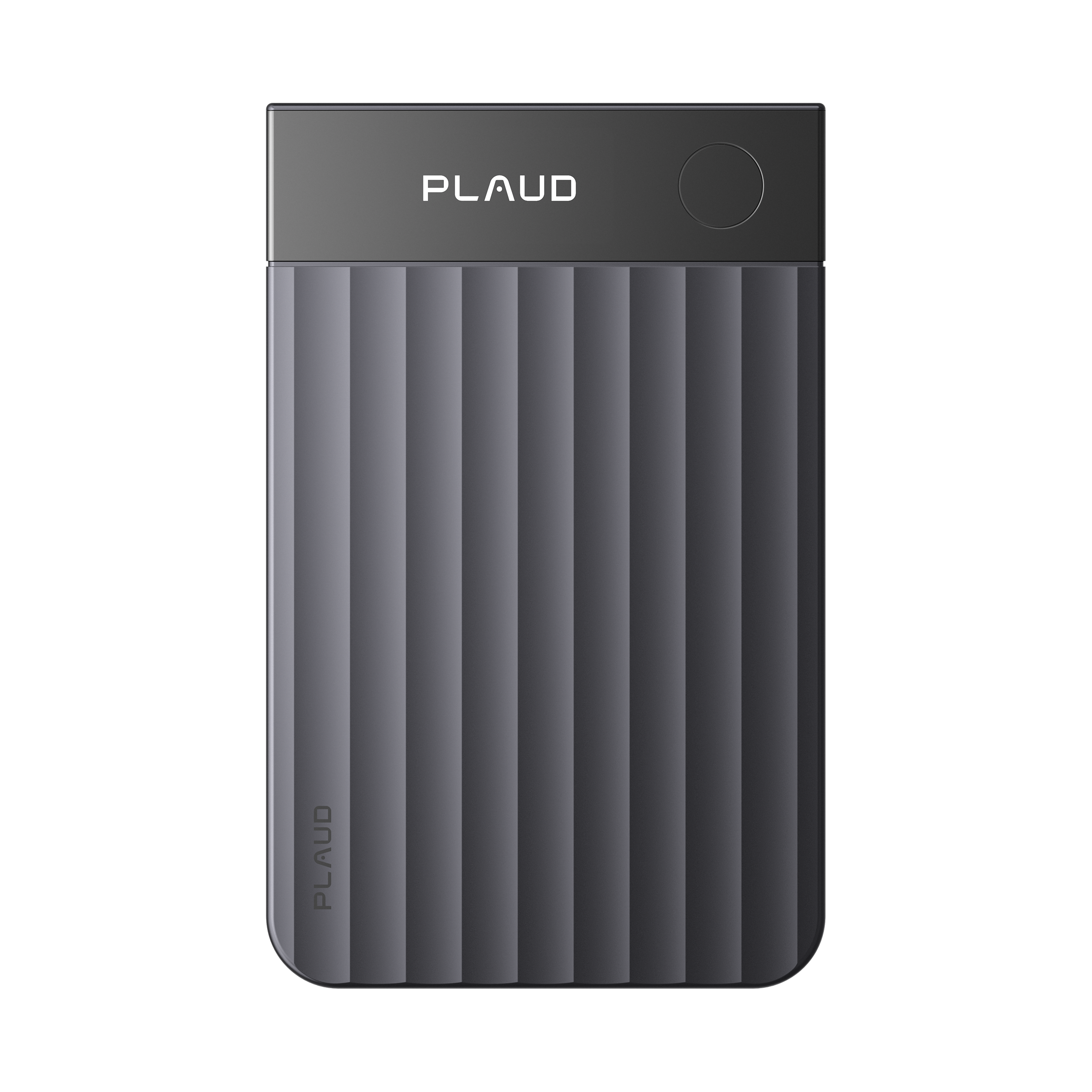
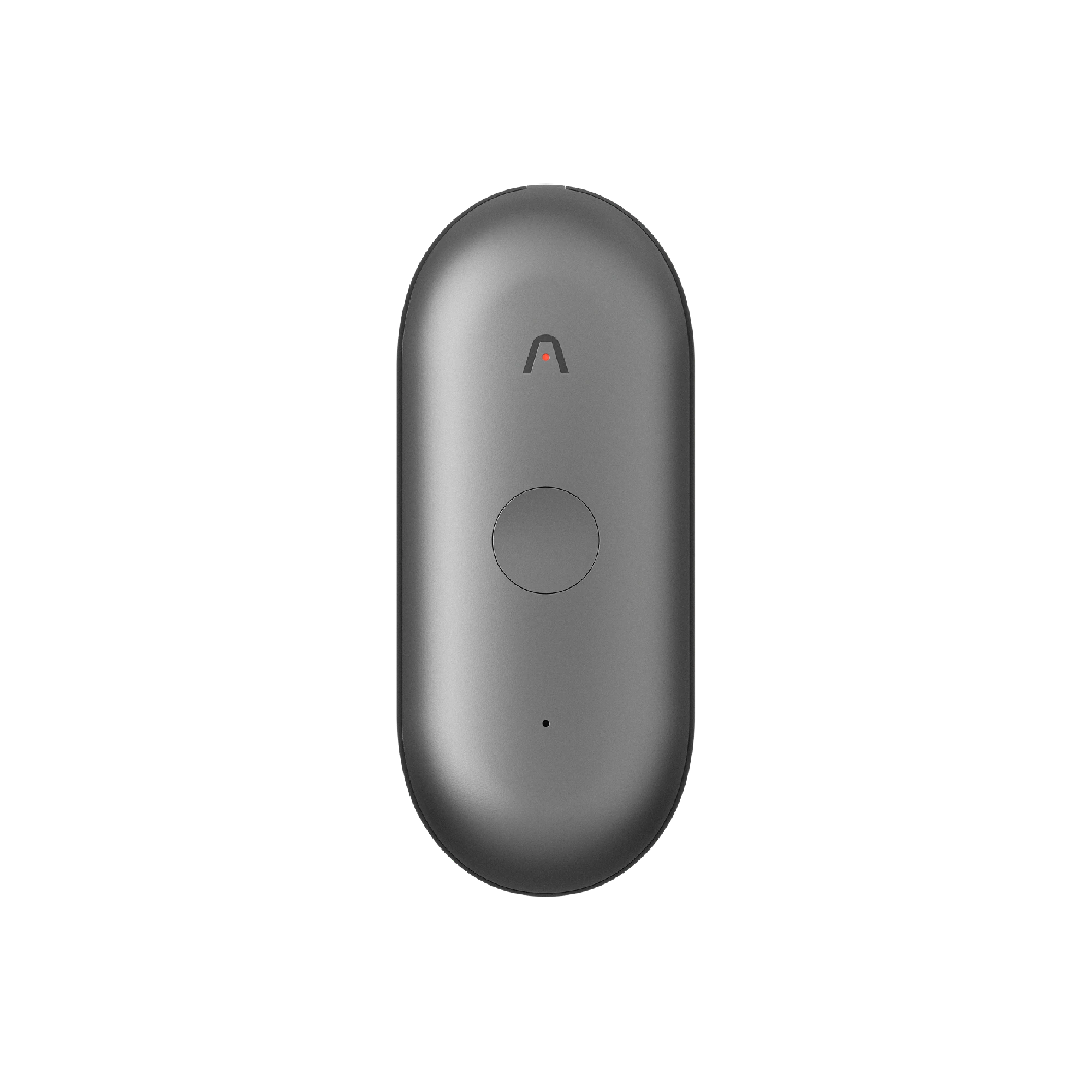
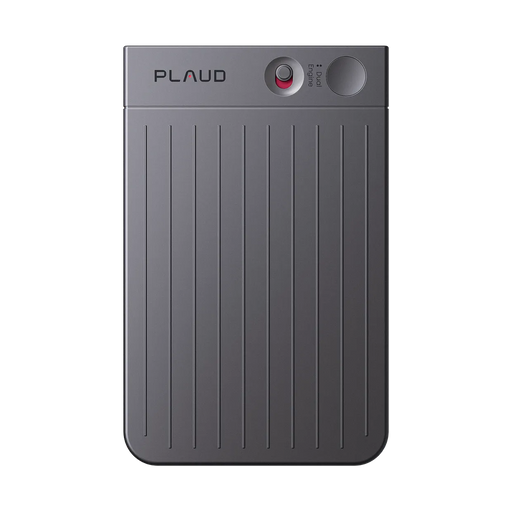
Plaud Note Pro
A physical AI note taker built for transcription and structured notes. Four MEMS mics with AI beamforming. Transcript and organized notes from one recording.
Voice recording · How-to guide
Most voice recording apps stop at the transcript. Getting from raw audio to organized notes takes a second tool, a second workflow, and extra time you did not plan for. This guide shows four methods and explains exactly where each one breaks down.
Best for transcript and structured notes in one step
Quick answer
Audio quality and tool choice happen first. Note structure follows from the transcript.
Record in a quiet space with minimal background noise. Distance from the speaker and ambient sound are the two biggest factors in transcript accuracy. Always confirm all speakers have given their consent before transcribing any recording.
Most tools accept common audio formats. Upload the file manually, or use a device that syncs automatically to avoid a separate upload step.
Read through the transcript and mark decisions, action items, and key topics. Accuracy problems show up here. Fix them before building notes.
Group marked content by topic, decision, or time. Assign action items to owners if the recording was a meeting or call. Save in the format your workflow uses.
Methods
Compared on how many manual steps each method requires, whether speaker labels are generated, whether notes are structured automatically, and how long the process takes.
Free tools return raw text. Most cap uploads at a few minutes. None provide speaker labels or note structure.
Phone dictation works in real time only. It cannot process a recording you already made.
Manual typing takes four to six times the length of the recording.
Plaud Note Pro records through four MEMS mics with AI beamforming and applies session-specific templates automatically.
Based on common transcription workflows and Plaud product data. Always confirm consent from all participants and follow local recording laws before recording any conversation.
Tips
Four things determine whether the output from a voice recording is actually usable. Transcript accuracy comes first. Note structure, processing speed, and export path each decide whether the record gets used or abandoned.
The easier way
Plaud Note Pro records audio through four MEMS mics with AI beamforming. It syncs automatically to the Plaud App and applies Plaud Intelligence to generate structured notes in your chosen template.

A physical AI note taker built for transcription and structured notes. Four MEMS mics with AI beamforming. Transcript and organized notes from one recording.
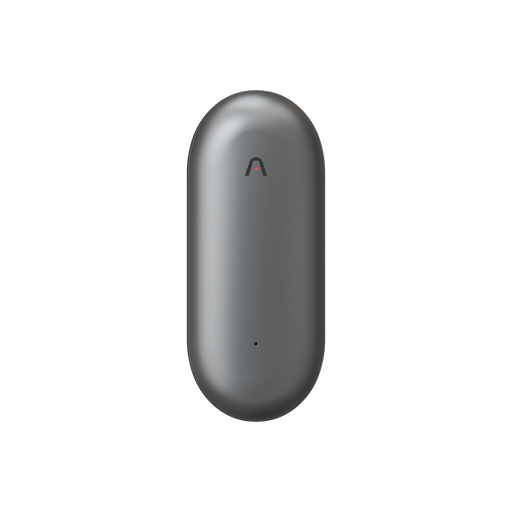
Plaud Note Pro for users who need structured notes generated automatically from every recording. Plaud Note for users who want reliable transcription and prefer to format notes themselves.

Structured notes generated automatically from every recording.

Reliable transcription with manual note formatting.
Upload the audio file to a transcription tool such as Otter.ai, Whisper, or Descript. These services convert speech to text automatically. For higher accuracy, record with a device designed for transcription.
Start with a clean transcript, then extract key points, decisions, and action items by topic. Plaud Note Pro with Plaud Intelligence applies a session-specific template automatically.
Yes. Free tools like Whisper and Otter.ai handle short recordings. Most free tiers cap recording minutes and strip speaker labels.
Record with a device that connects directly to an AI notes tool. Plaud Note Pro syncs to Plaud Intelligence on open and applies one of 10,000 templates.