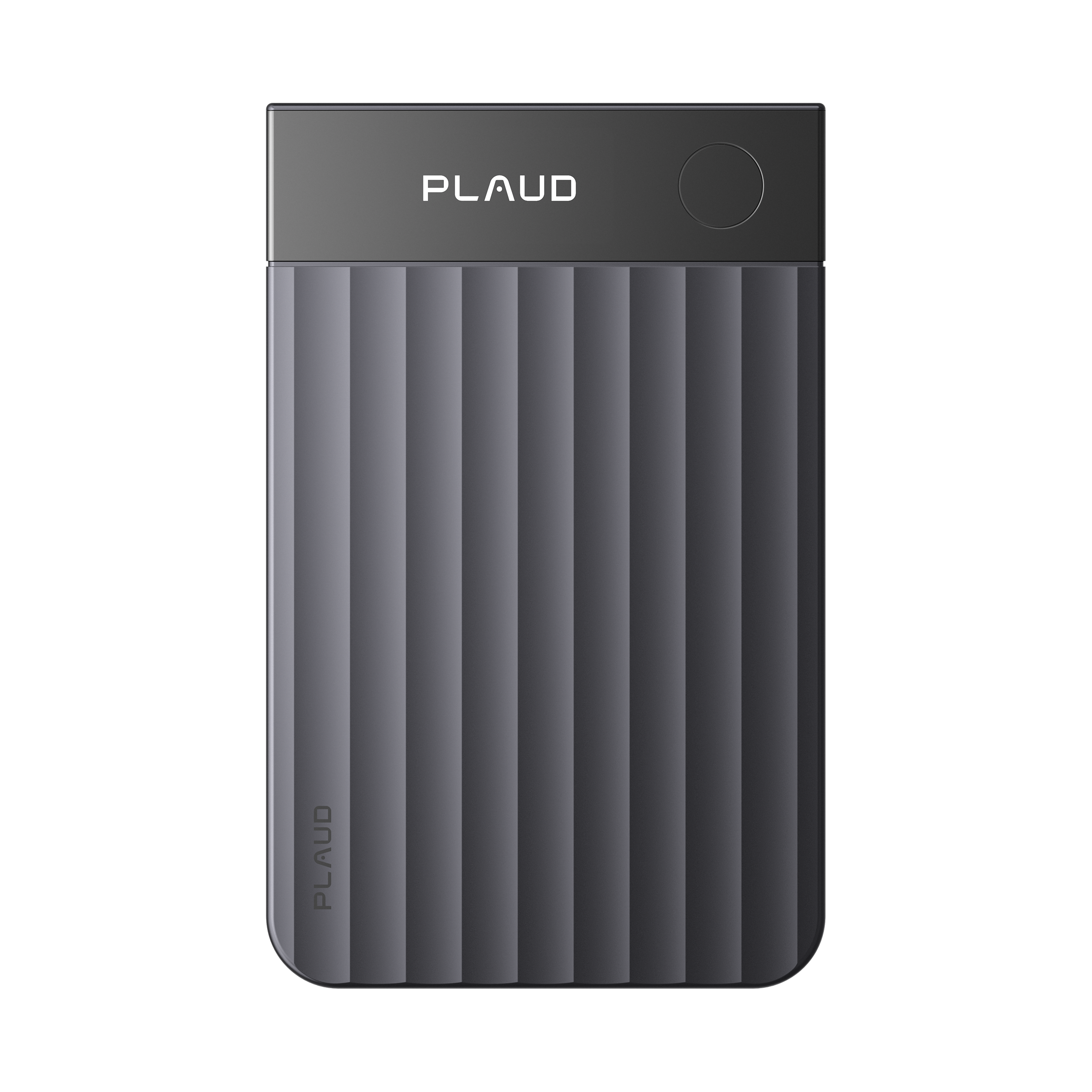
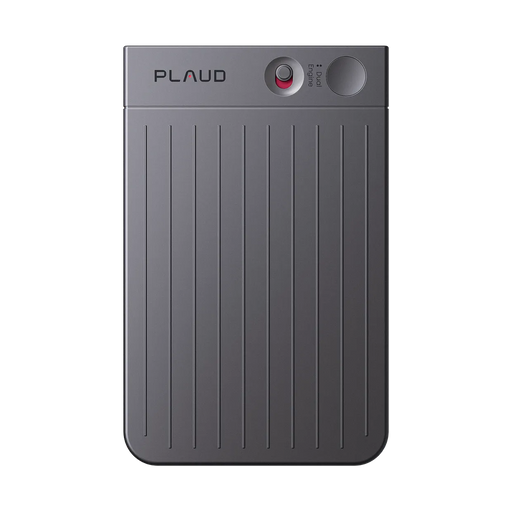
Plaud Note Pro
A physical AI recorder built for multi-speaker recordings. Four MEMS mics with AI beamforming. Automatic speaker diarization in 112 languages.
Voice recording · Speaker identification guide
A multi-speaker recording without speaker labels is a wall of text you cannot act on. Speaker identification, also called diarization, assigns each statement to the person who said it. This guide explains how it works, what breaks it, and which method produces labeled output without extra steps.
Best for automatic speaker labels in 112 languages
Quick answer
Recording quality sets the ceiling for diarization accuracy. Tool choice determines whether labels are generated at all.
Distance is the biggest factor in diarization failure. Each speaker needs to be within clear pickup range. Always get consent from every participant before you start recording any conversation.
Not all transcription tools output speaker labels. Confirm the tool you choose has diarization built in before you record, not after.
AI diarization may merge two speakers or split one speaker into two. Read through the labeled output and correct any misattributions before sharing.
A labeled transcript that stays inside the transcription tool does not help your team. Export to the format your workflow uses so the labeled output can be acted on.
Methods
Compared on whether diarization is included, whether the tool works without internet, how accurate the speaker labeling is, and how much manual work the output requires.
Phone apps capture audio but produce no transcript and no speaker labels. You get a raw audio file you must upload to a separate service to get any text output at all.
Cloud services accept uploaded audio and return transcripts with speaker labels. Free tiers cap recording minutes and require manual file upload each time. Accuracy drops when audio quality is low.
Base Whisper transcribes audio but does not output speaker labels. Adding diarization requires installing and configuring a separate model such as pyannote. Setup takes technical knowledge.
Plaud Note Pro records through four MEMS mics with AI beamforming. The Plaud App syncs on open and Plaud Intelligence applies speaker diarization in 112 languages automatically. Always record with participant consent.
Based on common recording and transcription workflows and Plaud product data. Always obtain consent from all participants before recording any conversation, and follow local recording laws.
Tips
Four things decide whether a multi-speaker recording produces usable labeled output. Diarization capability comes first. Recording quality, sync friction, and export path each determine whether the labeled transcript ever gets used.
The easier way
Plaud Note Pro records through four MEMS mics with AI beamforming. It syncs automatically to the Plaud App and runs Plaud Intelligence to generate speaker-labeled transcripts in 112 languages. Every recording comes back with each statement attributed to the person who said it. Always confirm consent from all participants before recording any conversation.

A physical AI recorder built for multi-speaker recordings. Four MEMS mics with AI beamforming. Automatic speaker diarization in 112 languages.
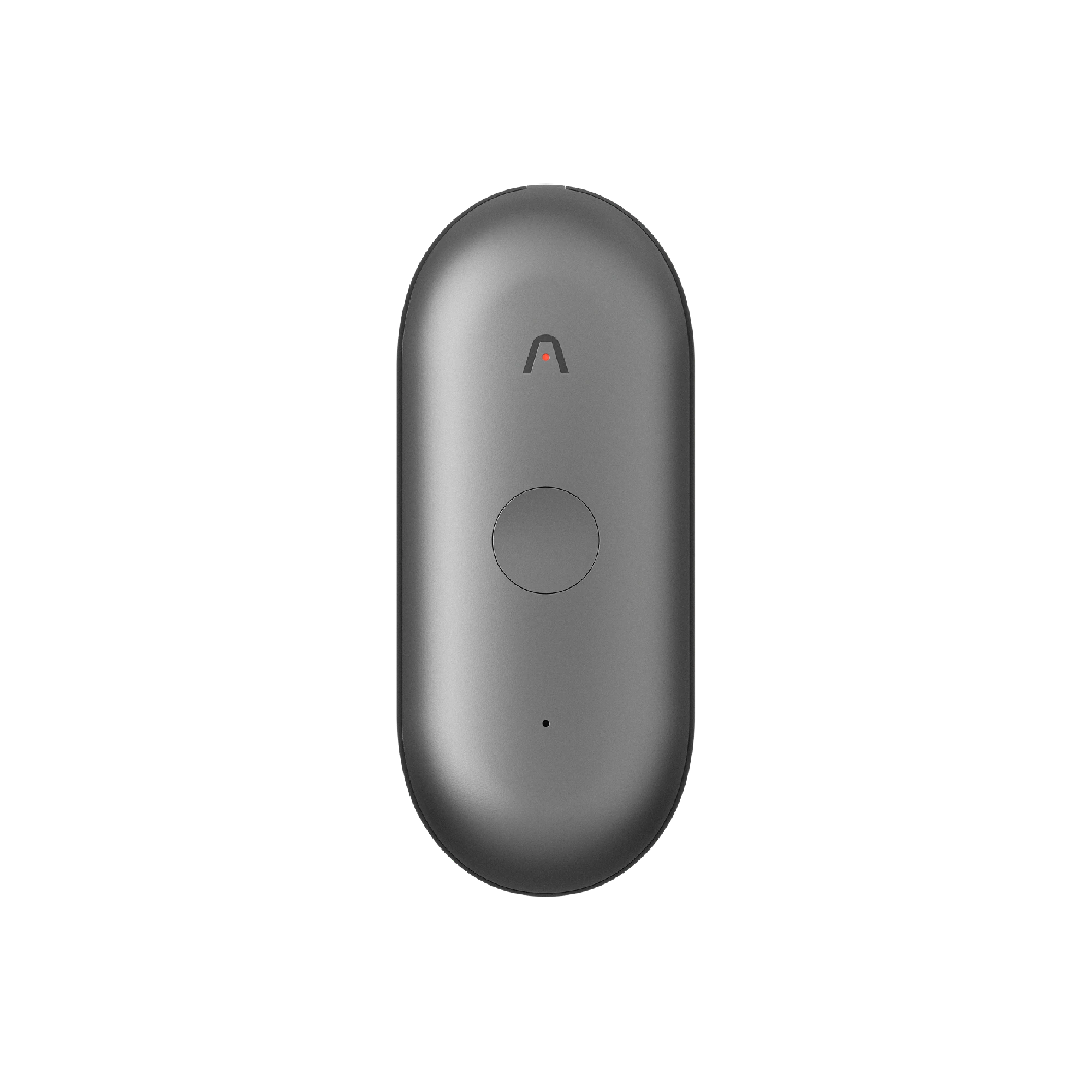
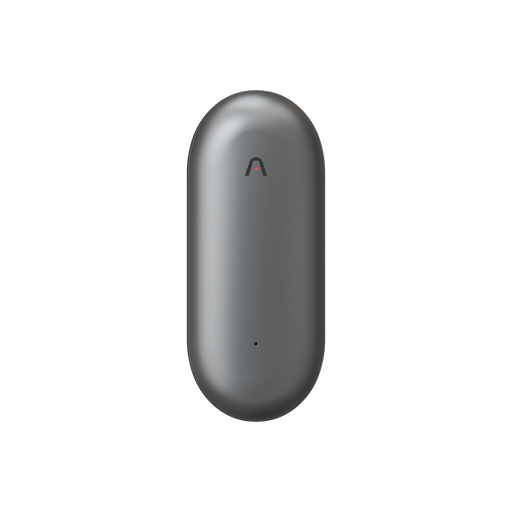
Plaud Note Pro sits on a desk and picks up all speakers in the room. Plaud NotePin S is worn on the body and captures voices clearly in face-to-face conversations.

A physical AI recorder built for multi-speaker recordings. Four MEMS mics with AI beamforming. Automatic speaker diarization in 112 languages.

Better for in-person conversations where a wearable device stays close to speakers and captures voices from both sides clearly.
Speaker identification, or diarization, is the process of separating a recording so each statement is attributed to the person who said it. You need a transcription tool with diarization built in and a recording clear enough for AI to distinguish voices. Plaud Note Pro handles both: it records through four MEMS mics with AI beamforming and runs Plaud Intelligence to label speakers automatically.
Yes. Otter.ai and similar services offer free tiers with speaker labels. Free plans cap recording minutes, limit file uploads, and strip labels on longer sessions. Accuracy also drops when audio quality is low. For reliable diarization on longer recordings, a dedicated recorder handles audio quality and labeling together.
A device with multiple directional microphones produces audio clean enough for accurate diarization. Plaud Note Pro uses four MEMS mics with AI beamforming to capture each speaker up to 5 meters away. The Plaud App then runs Plaud Intelligence to label every speaker automatically in 112 languages.
Yes. Recording a conversation without the knowledge and agreement of all participants is illegal in many jurisdictions. Always tell everyone in the room that you are recording and confirm they agree before you start. This applies to phone calls, in-person meetings, and online video calls.
The two main causes are poor audio quality and speakers who sound similar. When voices are recorded from too far away or in a noisy environment, the AI cannot clearly distinguish them. Recording with a device close to all speakers, such as Plaud NotePin S worn near the conversation, reduces the problem at the source.
Transcription converts speech to text. Diarization goes further by labeling which speaker said each line. A transcription without diarization gives you a wall of text. A transcription with diarization gives you an attributed record you can act on. Plaud Intelligence does both in one step.
Trending Search
Suggested Searches
Popular Products
Matching Results