
Is there a good alternative to Fathom AI?
Yes, though it depends on what part of Fathom is not working for you. Avoma and Sembly AI both go further on team features and language coverage, tl;dv matches Fathom's free-forever pricing with a bit more platform reach, and Plaud Note Pro covers what none of the software options can: a phone call or an in-person conversation, since it is a physical device rather than a meeting-platform bot. The right pick depends on how much of your week happens on a scheduled video call.
Why people look for a Fathom AI alternative or competitor
Fathom's free plan is genuinely generous: unlimited recordings, transcripts, and storage for Zoom, Google Meet, and Microsoft Teams, with no monthly cap on basic use. The reasons people still go looking for a Fathom alternative are specific and come up repeatedly in reviews.
The free plan's ceiling is narrower than it first appears. Advanced AI summaries, custom templates, and detailed action item extraction are capped at five a month before the roughly $19-to-20-a-month Premium tier kicks in. There is no mobile app, so reviewing a summary from a phone between meetings is not an option, and Fathom cannot transcribe an uploaded audio file. It only works with a live meeting on a platform it connects to. Official support covers Zoom, Google Meet, and Microsoft Teams on Mac and Windows, but real-world reports describe weaker performance on Teams and Google Meet than on Zoom, and there is no Android app at all. Speaker attribution also gets less reliable in larger calls, with ten or more participants talking over each other.
Like most meeting-bot software, Fathom's classic mode joins as a visible "Fathom Notetaker" participant, which some users say shifts the mood in the first few minutes of a client call. It also trains its models on de-identified call data by default. And Fathom is built for one thing: scheduled online meetings. It has no native way to push notes into Slack or a project management tool the way Fireflies does, and it has no way to capture a phone call or a face-to-face conversation at all, so anything that happens away from a screen falls outside what it can record.
What to look for in a Fathom AI alternative
Four things separate a good pick from a bad one.
- What the free plan includes. A generous recording limit means little if AI summaries, exports, or team features are capped or paywalled.
- Where it can record. Some tools only work inside Zoom, Meet, or Teams. Others can also record a phone call or a face-to-face conversation without an app running in the background.
- Accuracy at scale. Test a tool on a call with several people talking over each other, not just a clean one-on-one, since that is where transcription quality gets decided.
- What happens to your data. Ask directly whether call audio is used to train AI models by default, and whether that can be turned off.
Fathom AI alternatives compared
| Tool | Best for | Records in-person or phone calls | Languages | Starting price |
|---|---|---|---|---|
| Plaud Note Pro | In-person and phone calls, offline | Yes, dedicated hardware | 112 | $189 device, free Starter plan |
| Otter.ai | Live captions during the call | No | A handful | Free plan, Pro from ~$8.33/mo |
| Fireflies.ai | CRM and sales team workflows | Mobile app only | 100+ | Free plan, Pro from ~$10/mo |
| Avoma | Enterprise sales coaching | No | Multiple | No permanent free plan, from $19/seat/mo |
| tl;dv | Lightweight teams on a budget | No | 30+ | Free forever plan |
| Sembly AI | Multilingual teams that need documents, not just notes | No | 48 | Free plan, Pro from ~$15/mo |
The 6 best Fathom AI alternatives and competitors in 2026
Plaud Note Pro
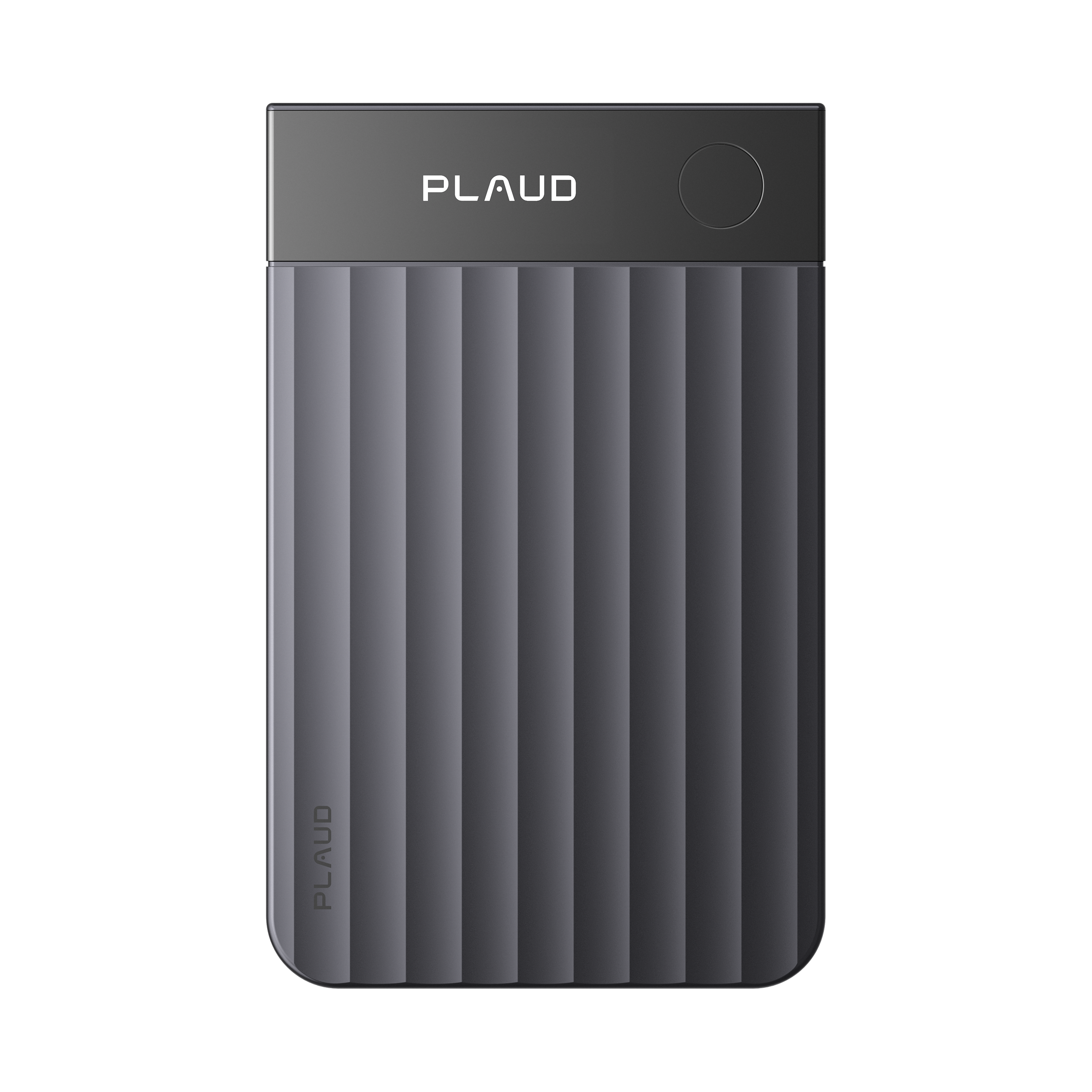
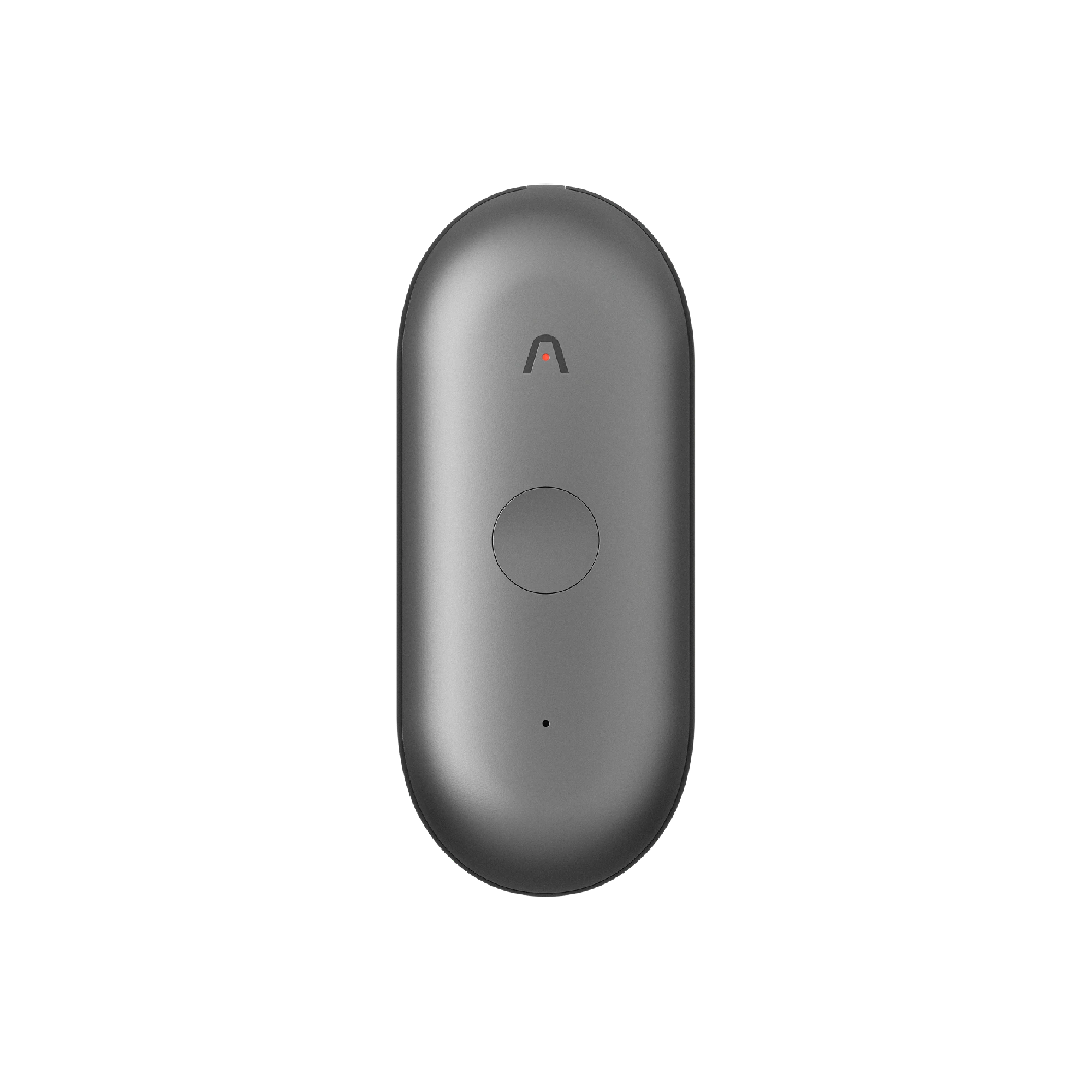
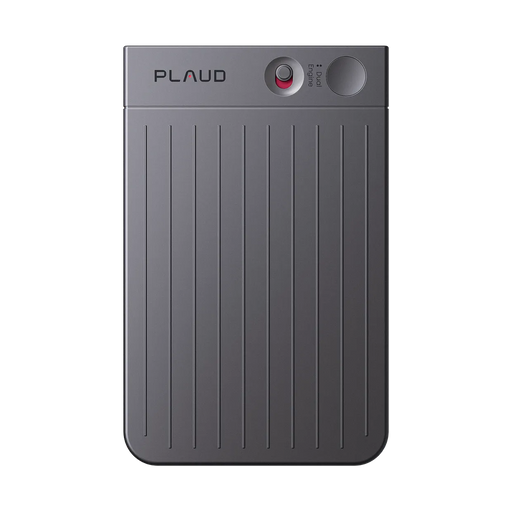
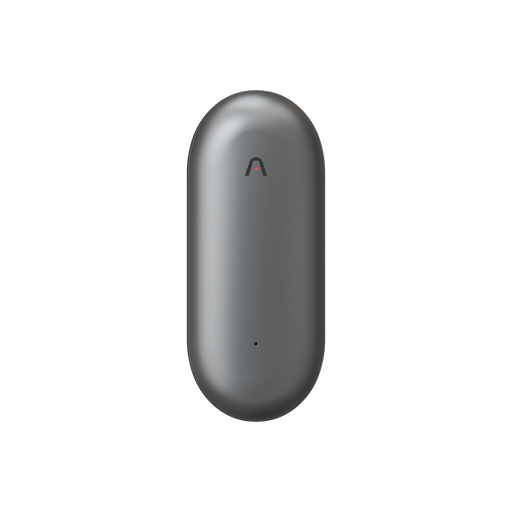
 Fathom's free plan covers Zoom, Meet, and Teams, but nothing on this list, Fathom included, can follow a conversation once it leaves the browser. Plaud Note Pro is a physical device built for exactly that gap. It clips onto a phone for call recording or sits on a table for in-person meetings, picking up clear audio from up to 16.4 feet away with 4 MEMS microphones and AI beamforming. Smart dual-mode recording works out on its own whether you are on a phone call or in a room with other people, and one charge lasts up to 50 hours in Endurance mode.
For the online meetings that still happen on Zoom, Google Meet, or Microsoft Teams, Plaud Desktop covers those too, and without the bot Fathom relies on. It runs quietly on your computer, detects when a call starts, and records system audio directly, so there is no "Notetaker" listed among the participants. You can set it to record automatically, ask first, or wait for a manual start, and it also captures webinars and other streamed audio a meeting bot could never join. Plaud Intelligence then produces the transcript and summary in 112 languages, with speaker labels and industry-specific vocabulary, all synced across the Plaud App, Plaud Web, and Plaud Desktop. The device costs $189 and includes a free Starter plan with 300 minutes of AI transcription a month. The Pro plan runs $99.99 a year for 1,200 minutes, and Unlimited is $239.99 a year. Plaud holds ISO 27001, ISO 27701, GDPR, SOC 2, HIPAA, and EN 18031 compliance.
Best for: anyone whose most important conversations happen on the phone or in person, not just on Zoom.
Otter.ai
 Otter.ai covers more ground than Fathom on video platforms, with real-time captions during the call itself and a 300-minute-a-month free tier rather than a five-summary cap. Search across past transcripts is also more built out than Fathom's natural-language "Ask Fathom" query.
The tradeoff is Otter.ai's own consent controversy, including an active class-action lawsuit over how its meeting bot joins calls, plus a shorter list of supported transcription languages than Fathom offers. Neither tool records a phone call or an in-person conversation.
Best for: teams that want live captions and a bigger free monthly allowance than Fathom's summary cap.
Fireflies.ai
 Fireflies.ai closes the exact gap that shows up most in Fathom complaints: notes that go nowhere. It pushes transcripts and summaries directly into Salesforce, HubSpot, Notion, and Slack, and supports 100 or more languages against Fathom's English-first setup.
The bot is visible on the call just like Fathom's, and Fireflies adds its own complication on top: a separate AI credit pool for advanced features that can run out mid-month regardless of which base plan you are on.
Best for: sales and customer success teams that need meeting notes pushed straight into a CRM.
Avoma
 Avoma is built for revenue teams that want call coaching and pipeline analytics layered on top of meeting recordings, going well past what Fathom's basic summaries cover. Talk-pattern analysis, deal risk signals, and CRM sync to Salesforce and HubSpot come standard even on the entry tier.
There is no permanent free plan, only a 14-day trial, and pricing adds up fast once coaching and revenue-intelligence add-ons are layered on top of the $19-a-seat base price, with some teams reporting an effective cost closer to $77 to $87 a seat. Reviewers also describe the recording bot occasionally joining calls late or dropping mid-meeting.
Best for: sales teams that want coaching and deal analytics, not just transcripts.
tl;dv
 tl;dv matches Fathom's free-forever pricing model but extends it with 30 or more supported languages and native highlight-clip sharing. Paid plans start at $18 a user a month for CRM push and sales coaching analytics.
Like Fathom, it is a software-only tool built around joining a scheduled call, so a phone conversation or an in-person meeting is outside what it can capture.
Best for: small teams that want unlimited free meeting recording with broader language support than Fathom.
Sembly AI
 Sembly AI supports 48 languages against Fathom's English-first transcription, and it goes further than a summary by generating client-ready documents such as proposals and reports directly from a meeting. A free Personal plan covers 60 minutes a month, and Professional starts at about $15 a month for unlimited recording.
Independent accuracy tests have put Sembly noticeably behind Fathom, with one benchmark showing accuracy dropping into the low 70s percent range on fast-paced conversations, and long sessions can fragment into multiple disconnected summaries that need manual stitching back together.
Best for: multilingual teams that need meeting output turned into finished documents, not just notes.
How to choose the right Fathom AI alternative for your workflow
Start with what Fathom is failing to do for you, not with a feature list. If the five-summary cap is the problem, Otter.ai's bigger free tier or tl;dv's unlimited free plan solves it directly. If notes disappearing into a folder nobody reopens is the problem, Fireflies.ai's CRM push is built for that. If you run a sales team that needs coaching data, not just transcripts, Avoma is worth the higher price. If your team works across languages Fathom does not support well, Sembly AI covers far more ground.
If the honest answer is that a meaningful share of your important conversations happen on the phone, in a client's office, or in a room with no laptop open, none of the software options above can help, because none of them can capture audio that never touches a microphone connected to the internet. That is the specific gap Plaud Note Pro is built to close.
Track where your best conversations happen
Before you commit to any Fathom AI alternative, spend a week noting where your most important conversations take place, not just how many meetings are on your calendar. A five-summary cap or a missing mobile app might be the whole problem, in which case a free software swap solves it in an afternoon. But if client calls and in-person visits make up a real share of your week, no tool on this list built around a meeting link can follow you there. That is where Plaud Note Pro is built to help.