Dictation devices · Complete guide

Dictation devices for every recording workflow

Dictation devices convert spoken words into recorded audio or structured text. Two hardware form factors cover every professional scenario.

Based on real user reviews · Trusted by 2M+ users globally since 2023

The basics

What is a dictation device?

A dictation device is a tool that captures spoken words as recorded audio or converts speech directly into written text. The process covers recording, transcription, speaker identification, summarization, and action item extraction. Phone apps and software tools handle basic speech-to-text but stop working outside their connected platforms. A dedicated hardware device records from any room or phone without a platform connection.

Works beyond the meeting room

AI-powered dictation devices record in any environment, from conference rooms to field sites. They do not require a meeting platform or internet connection to capture audio.

Text, not just a recording file

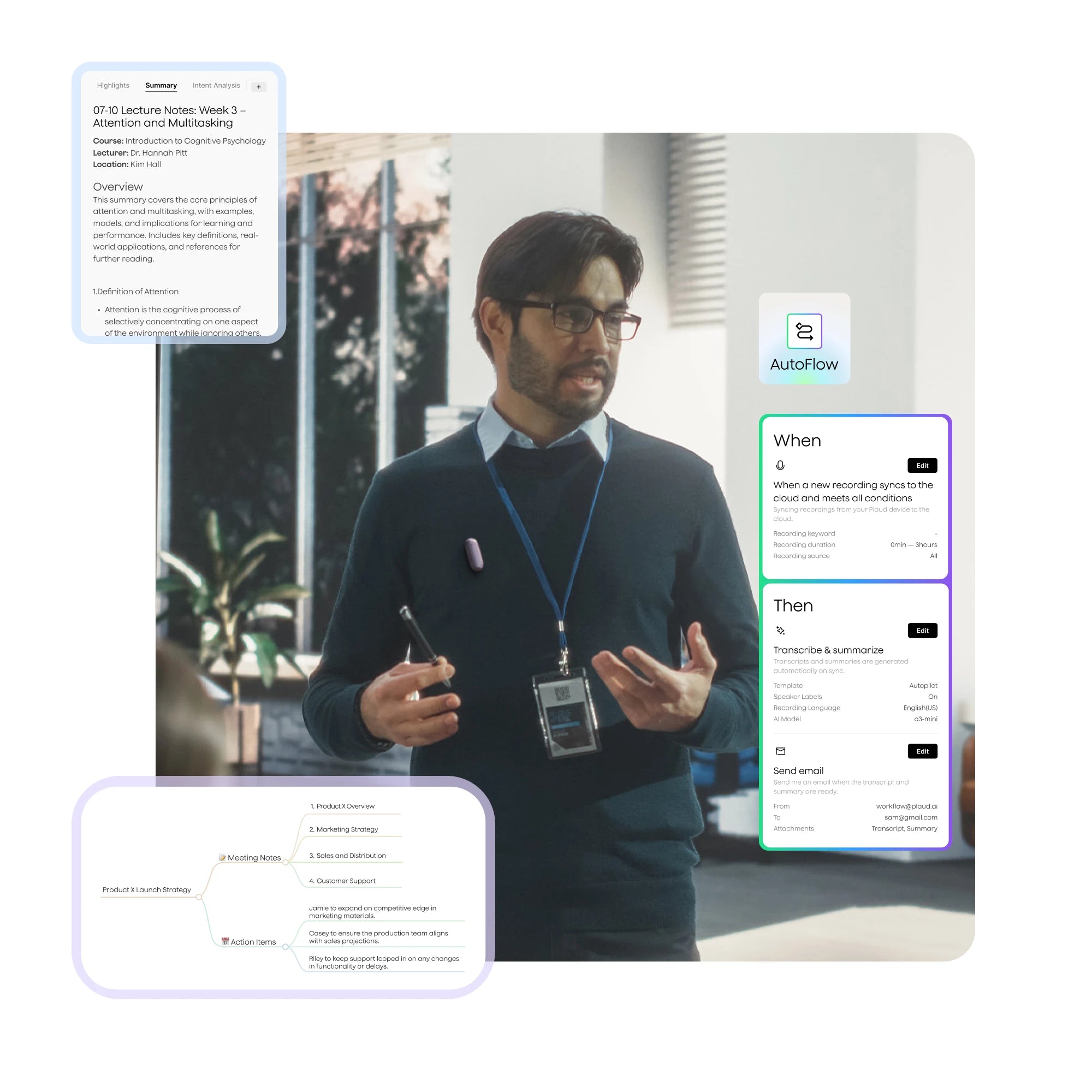
Modern dictation devices produce searchable transcripts, summaries, and action items from the audio. The output arrives in structured written form, ready to share or file.

Records while you move

Wearable and card-slim form factors allow hands-free capture during phone calls, site visits, and patient consultations. No bot joins the session and no laptop is required.

Phone app vs Plaud hardware
Capability Phone app Plaud hardware
Works without a meeting platform
AI transcription in 112 languages
Captures in-person multi-speaker audio
Works on phone calls without a bot
Dedicated battery, 20 to 50 hr recording
Cloud backup with ISO 27001 security

Form factors

Types of dictation devices

Dictation devices come in two main hardware form factors. The right one depends on how and where you record.

Card-slim

When you sit across the table

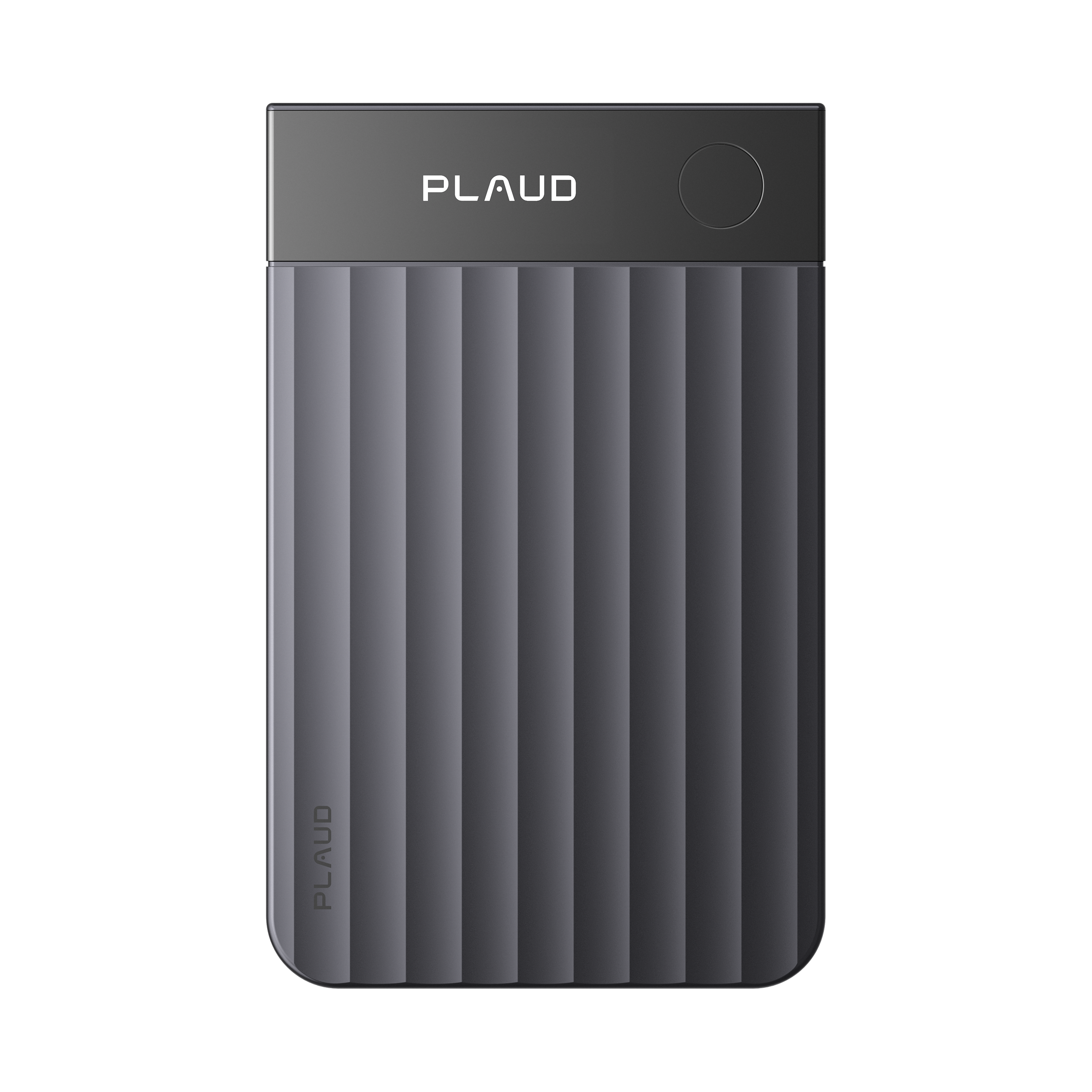
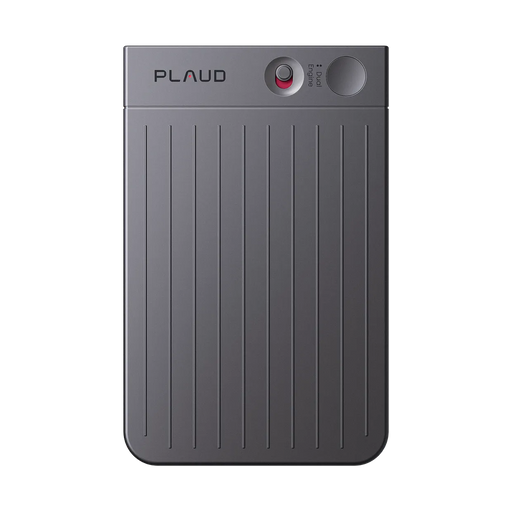
Sits flat on a desk and captures multi-speaker discussions from up to 5 meters away. Clips to a phone for calls. At 2.99 mm thin it fits in any pocket.

Form factorCard-slim · 30 g · 2.99 mm thin
Best forClient discussions, case prep, depositions, review sessions
SetupPlace on table or clip to phone. Smart dual-mode switches automatically.
Plaud modelPlaud Note Pro
Learn more about Plaud Note Pro
Wearable

When conversations come to the patient

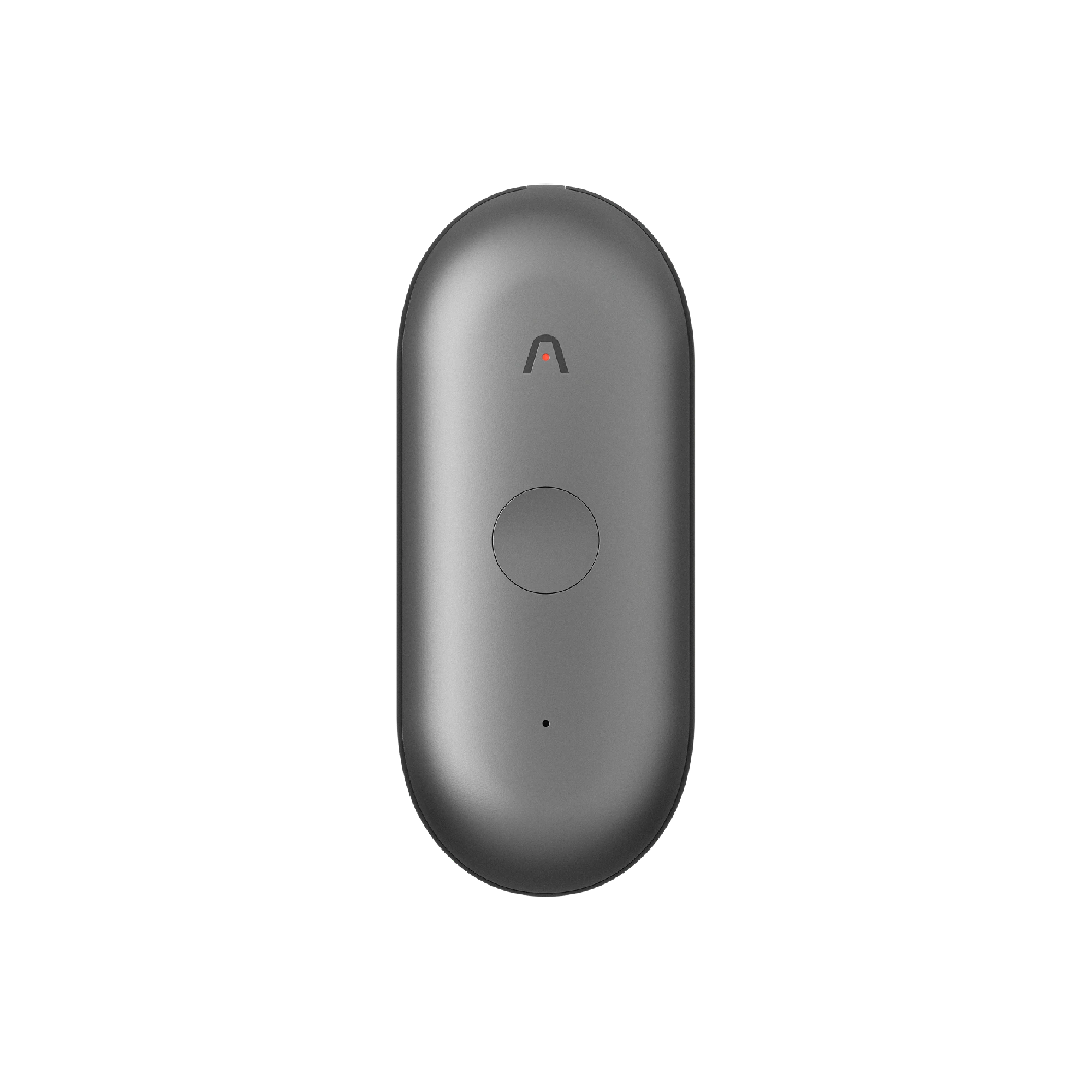
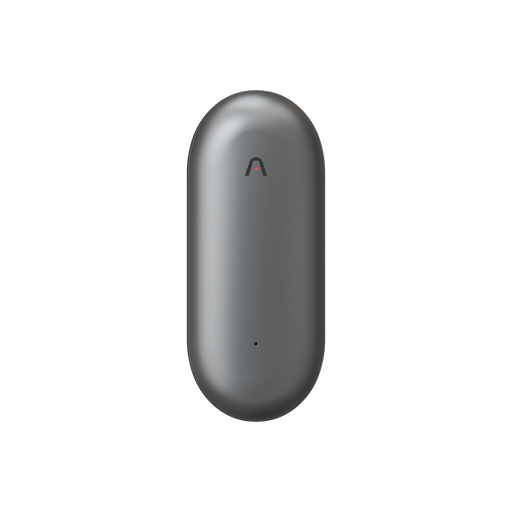
Clips to a lapel, wrist, or bag strap and records hands-free. Works for phone calls, 1:1 interviews, and any situation where placing a device on a table is not practical. No bot joins the call. The device stays on you.

Form factorLapel / pin clip · 17.4 g · 51 x 21 x 11 mm
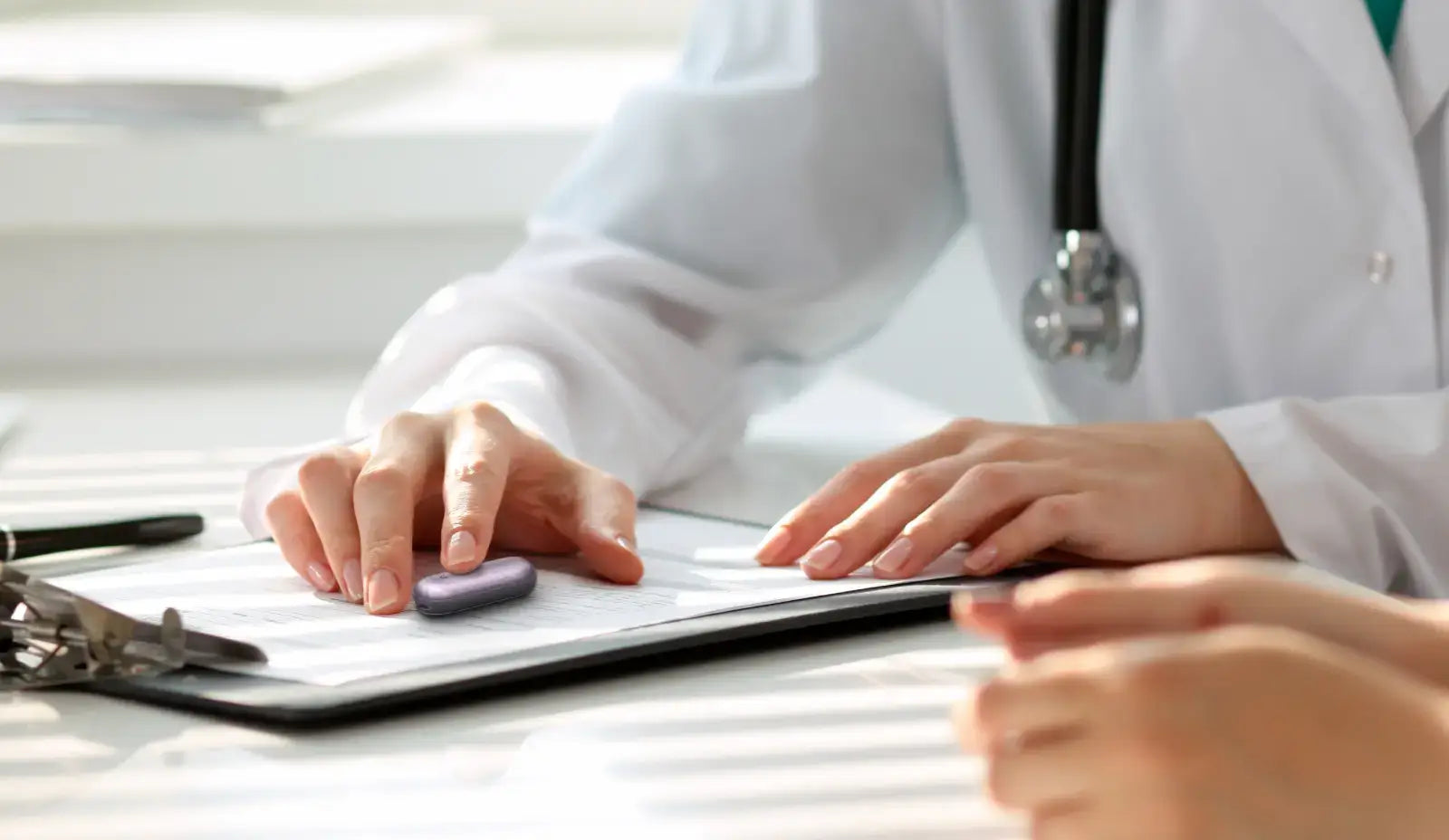
Best forPatient consultations, clinical notes, ward rounds, medical admin
SetupLong press to start. Short press to highlight. No desk required.
Plaud modelPlaud NotePin S
Learn more about Plaud NotePin S

Both form factors run the same Plaud Intelligence: transcription in 112 languages, summary, speaker ID, and 10,000+ templates are identical across all devices.

Browse all scenarios

How to choose a dictation device

Match the closest recording scenario. Each one has its own setup guide.

Dictation devices

Two dictation devices for every recording scenario

Both record dictation in different environments. Pick by how you carry the device.

Plaud Note ProCard-slim

Plaud Note Pro

2.99 mm · 4 MEMS mics · 50 hr battery

  • 2.99 mm thin, credit-card profile, fits any pocket
  • 50 hr continuous recording (Endurance mode)
  • 4 MEMS microphones with AI beamforming, 5-meter pickup range
  • Available in: Plaud Note Pro
Learn more about Plaud Note Pro
Plaud NotePin SWearable

Plaud NotePin S

17.4 g · clip-on · 20 hr battery · 64 GB

  • 17.4 g, worn with lanyard, wristband, clip, or magnetic pin
  • 20 hr continuous recording on a single charge
  • Microphone stays close to your mouth at all times
  • Available in: Plaud NotePin S
Learn more about Plaud NotePin S

Frequently asked questions

What is a dictation device used for?

A dictation device captures spoken words as recorded audio or converts speech directly into text for review, filing, or sharing. Professionals use them in meetings, clinical settings, legal offices, field interviews, and lectures to replace manual note-taking. Modern AI-powered devices also produce summaries and action items from the recording.

What is the best dictation device?

The best dictation device depends on how you record. For desk and table use, Plaud Note Pro ($189) captures multi-speaker rooms up to 5 meters away with 4 MEMS microphones and 50 hr battery life. For wearable, hands-free capture, Plaud NotePin S clips to a lapel and records for 20 hr on a charge. Both run Plaud Intelligence for transcription in 112 languages.

How does a modern dictation device work?

A modern dictation device records audio through built-in microphones, then processes the audio locally or in the cloud to produce a transcript. AI models handle speaker identification, noise filtering, and summary generation. Plaud Intelligence adds structured templates, action item extraction, and multi-language support on top of the raw transcript.

Do dictation devices work without internet?

Recording works fully offline on Plaud hardware. AI processing for transcription and summary requires an internet connection when you sync the audio to the Plaud App. The recording itself is stored on the device until you are ready to connect.

What languages do dictation devices support?

Plaud Note Pro and Plaud NotePin S both support transcription in 112 languages through Plaud Intelligence. You select the target language in the Plaud App before processing the audio file.

Is it legal to record conversations?

Recording laws vary by country, state, and context. Some require one-party consent. Others require all parties to agree. Always confirm the rules that apply to your location and the people involved before recording any conversation.

Get started

Get yours today

Two dictation devices. Same Plaud Intelligence. Choose by how you carry it.