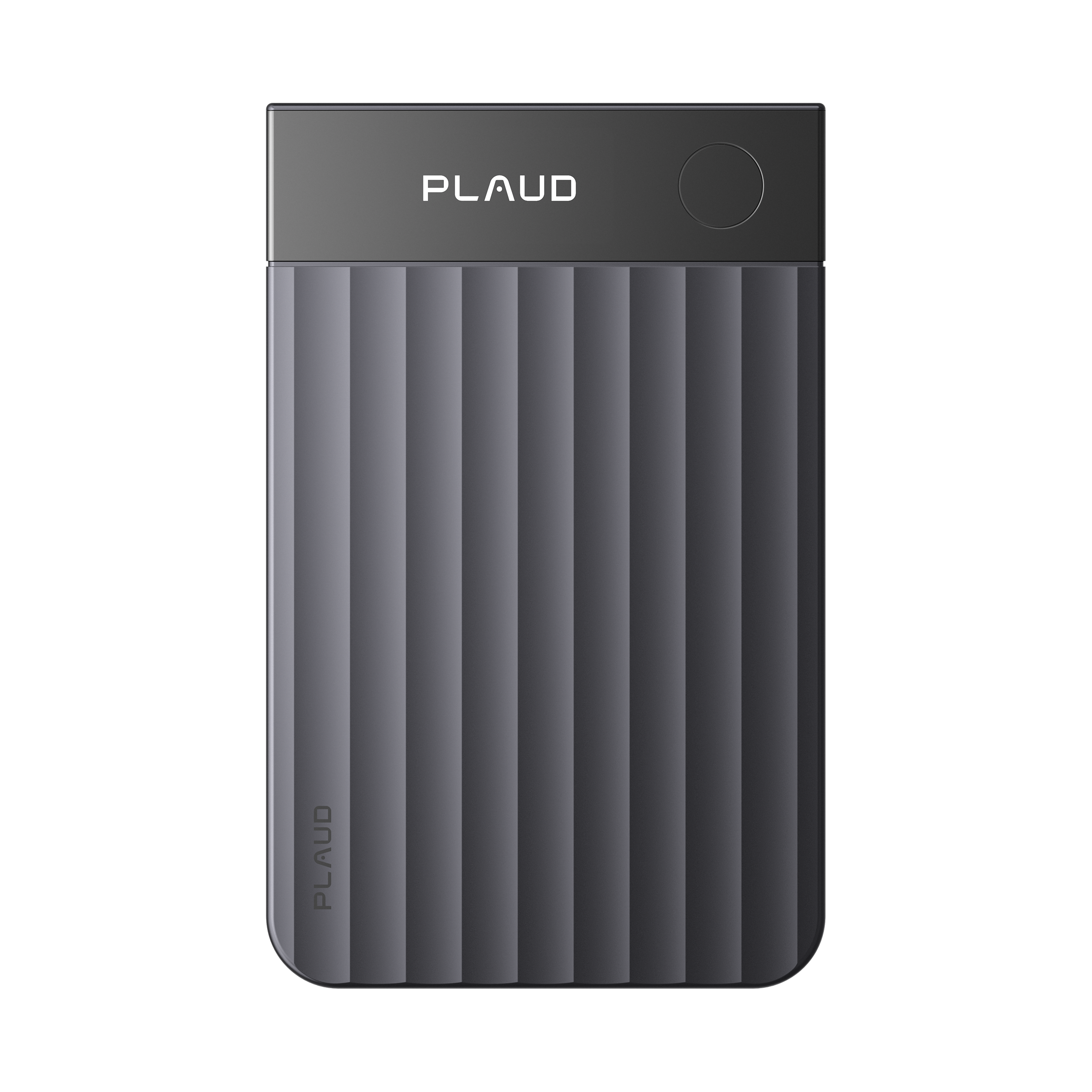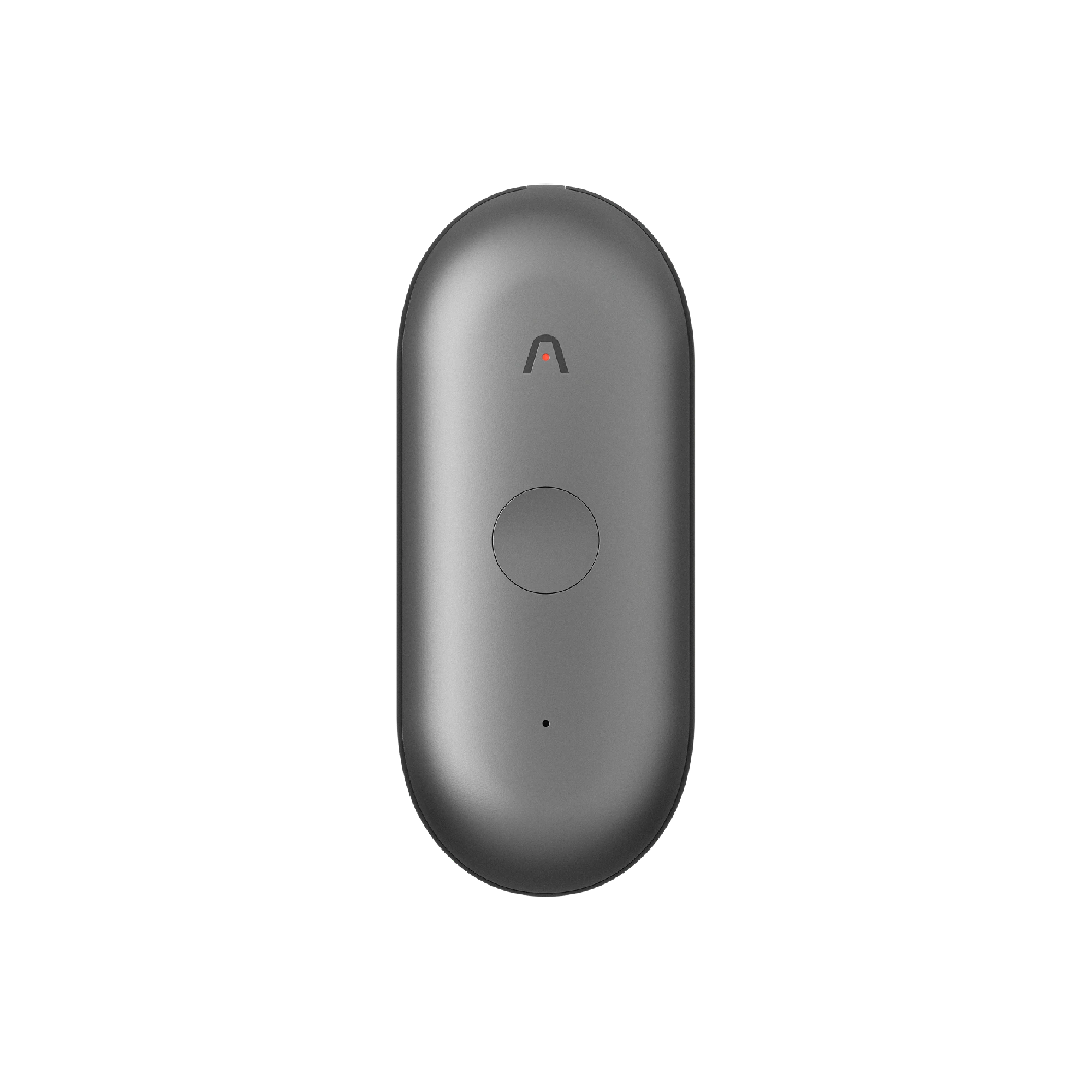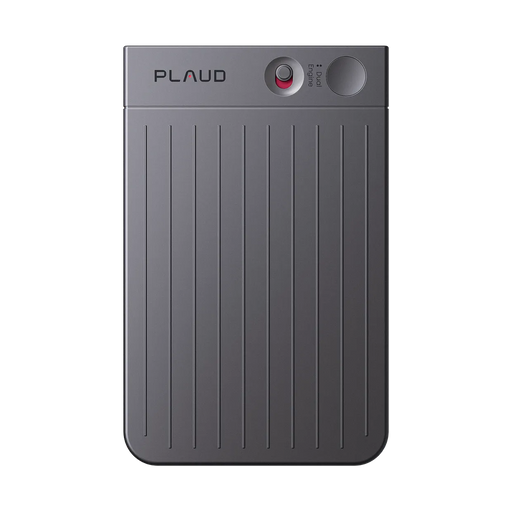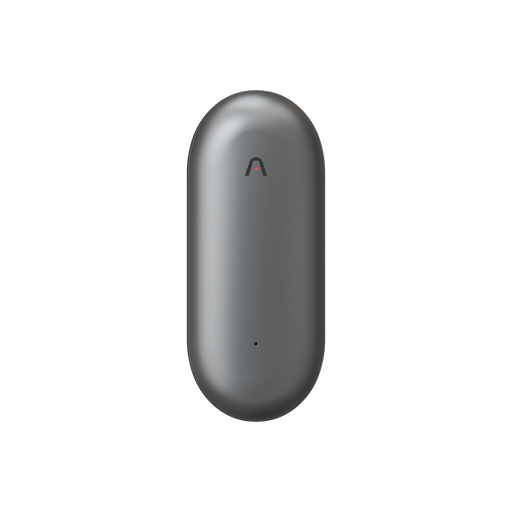

Comu is a San Jose company selling AI recorders that capture meetings and phone calls, then turn them into transcripts, summaries, and finished documents. If you have been searching for Comulytic and landing on Comu, or the reverse, the two names belong to the same company. Comulytic was the original brand, Comu is the name it operates under now, and the migration is still half finished: the store runs on comu.com while the social accounts remain under @Comulytic.
That matters because the product line changed with the name. Comu now sells two devices with different jobs, and the newer one launched in August 2026. This review covers both, what the free tier genuinely includes, and which claims are worth verifying before you buy.
The two products, and which one you are looking at
| Comu Action Pro | Comulytic Note Pro | |
|---|---|---|
| Position | New flagship, launched August 2026 | Entry model |
| Store price | $179.99, listed from $256.99, pre-order around $129.99 | $128.99, listed from $158.99 |
| Microphones | 6-mic adaptive array | 2 MEMS + 1 VPU |
| Recording time | Up to 70 hours | Up to 45 hours |
| Standby | Not published | 107 days |
| Display | Not published | 0.78-inch, Gorilla Glass |
| Signature feature | AI button producing slides, emails, action lists | Contact Insight Hub for client profiles |
| Languages | 113 | 113 |
The naming is confusing enough to be worth stating plainly. Action Pro is the successor product and Note Pro is the older one now sold as the cheaper option. Pricing is confusing in its own right: Action Pro carries a $256.99 list price, sells at $179.99 on the store, and has appeared at $129.99 as a pre-order offer, which puts it within a dollar of the older Note Pro at $128.99. Those promotional prices will not hold, so check both devices on the same day and compare against the list prices rather than the discounts.
Comu Action Pro: the case for buying it
Action Pro's pitch is that recording and summarizing is the wrong finish line. A dedicated AI button on the device turns a conversation into a slide deck, an email draft, or a prioritized action list, without the user writing prompts or configuring workflows. Comu calls the result an AI Workmate rather than a note taker, and the framing is fair. Producing a deliverable is a different job from producing notes.

The hardware backs the ambition. Six microphones with adaptive beam behavior and AI noise reduction, speaker identification, and 70 hours of continuous recording from a two-hour USB-C charge. A built-in magnet attaches it to a phone without needing a case. Comu positions it for hard rooms specifically: airports, conference halls, multi-speaker tables.
Three things to weigh against that.
Independent hands-on testing has already flagged that the app and the voice input are rough in places, which is normal for a device this new but worth knowing when the marketing promises one-button polish. The device is also noticeably thicker than the card-format recorders it competes with. And phone-call capture through a headset is not shipping yet, listed for October, so a pre-order today buys a partial feature set.
If your buying trigger is multi-speaker rooms, the comparison is not settled by counting microphones. Plaud Note Pro uses four MEMS microphones with AI beamforming and publishes what they deliver: clear capture up to 16.4 feet, with up to 30 hours of continuous recording at that range or up to 50 hours in Endurance mode at a shorter range. Comu publishes the six-microphone count but not an effective pickup range, so there is no like-for-like number to compare against. Six microphones may well outperform four. Without a stated range, a buyer cannot check.
The other difference is maturity. Plaud Note Pro ships complete today: an InstantView AMOLED display showing status without opening an app, smart dual-mode recording that detects on its own whether it is handling a phone call or a room, and a 2.99 mm body that lives in a wallet or on the back of a phone. Action Pro is thicker, is in its first generation, and has one advertised capability still to arrive. Both address the deliverable side, with Ask Plaud answering questions across recordings and AutoFlow automating transcription, summaries, and delivery.
Comulytic Note Pro: still the value pick
The older device remains the reason many buyers found this brand. At $128.99 it undercuts most of the category, and every unit includes a free Starter plan with unlimited transcription and basic summaries that does not expire.

The specs hold up for its price: 3 mm thick, 27.6 g, a 0.78-inch display behind Corning Gorilla Glass, 64GB of storage, two MEMS microphones plus a VPU rated for about 5 meters indoors, automatic switching between calls and in-person conversations, 45 hours of recording, and 107 days of standby. Some listings describe that microphone setup as a triple-mic array, counting the VPU alongside the two MEMS units. Comu says Wi-Fi sync moves files to the cloud considerably faster than Bluetooth. The box includes a magnetic case and ring, an OTG adapter, and a cable.
Contact Insight Hub is its distinguishing software feature, building client profiles from conversations and tracking preferences over time. Basic contact management is included free, while the Insight Hub layer sits behind the paid tier. It is aimed squarely at sales and relationship work.
For a buyer comparing at this level, Plaud Note is the closest equivalent at $159: the same credit-card format at 2.99 mm, dual-mode recording across phone calls and in-person conversations, up to 30 hours of recording, 60 days of standby, and 64GB of storage, with transcripts and summaries in 112 languages through Plaud Intelligence. The Plaud device costs more upfront and includes 300 free transcription minutes monthly rather than an uncapped free tier. The Comu device costs less and gives away more raw transcription. Which one wins depends entirely on whether you value transcript volume or the summary quality and documented security that sit on top of it.
What the free tier really covers
Comu's headline is unlimited free transcription and basic summaries, and that part is true across both devices. No monthly bill is required to record and get a usable transcript.
The gating is in the layer above. Advanced summaries, Instant Abstract, Ask Comulytic, Contact Insight Hub, and Deep Dive Analysis all sit behind Premium. Action Pro introduces a third tier called Elite. Real-time translation is the clearest example of how the tiers work: the free version allows one use per month, while Premium and Elite lift the limit.
Pricing for the paid tiers is quoted inconsistently depending on where you look. Amazon listings state $14.99 per month or $120 per year. The company's own materials have described Premium as starting from $10 per month. Confirm the current number in the app before committing, and confirm which tier includes the specific feature you are buying for.
By comparison, Plaud publishes a single plan structure with every Plaud Intelligence feature included at every tier and only the transcription volume changing: the free Plaud Starter Plan at 300 minutes monthly, the Plaud Pro Plan at $8.33 per month billed annually for 1,200 minutes, and the Plaud Unlimited Plan at $19.99 per month billed annually. Neither model is automatically better. Comu is cheaper if you record constantly and need only transcripts. Plaud is more predictable if you want the analysis features and would rather not check which tier unlocks what.
Which claims need checking
Comu makes three claims that deserve verification rather than acceptance.
Accuracy and language coverage. Comu advertises 113 languages and has claimed up to 98% accuracy, built on Whisper, GPT-5, and Gemini. No independent testing has published per-language accuracy for either device. Record ten minutes of your own typical audio during the 30-day return window and judge from that rather than from the spec sheet.
Compliance. Comu states it complies with GDPR, CCPA, HIPAA, and SOC II, and says its systems are verified by independent security experts. What it does not publish is the audit report, certificate numbers, or a report request process, so the claim currently rests on the company's own description. Plaud publishes independently audited controls with SOC 2 Type II, security management aligned to ISO/IEC 27001, privacy management aligned to ISO/IEC 27701, GDPR-aligned privacy protections, healthcare-grade safeguards aligned with HIPAA expectations, and devices built to meet EN 18031 cybersecurity requirements. Data is protected in transit with TLS encryption and encrypted at rest with AWS server-side encryption, and data is never used for AI training unless you explicitly opt in. If your work is regulated or your employer runs a vendor review, ask Comu for the documentation directly.
Track record. The company is new, the flagship launched in August 2026 and has been selling on pre-order, and one advertised feature is scheduled for October. Warranty handling, firmware cadence, and app stability are all unproven over time. Comu does offer a 12-month warranty, 30-day returns, and promises lifetime firmware and app upgrades, which is a reasonable set of commitments. They simply have not been tested by years of customers yet.
Comu vs Plaud vs Pocket
These three brands sell beside each other on the same shelf and represent three different bets on what a recorder should be.
Pocket AI Voice Recorder is the most phone-dependent of the group. It mounts by MagSafe, records with one tap, and centers on Ask Pocket for querying past recordings, along with action items and conversation maps. Battery is rated at four days, and it works with iPhones and with Android phones that have a MagSafe-compatible case. Core features are included, with advanced tools behind an optional subscription.

What the Pocket listing does not publish is the notable part: microphone count, effective pickup range, supported language count, the transcription model, and the specific subscription tiers and their prices. For anyone comparing capture quality, those absences make a paper comparison impossible, and the honest advice is to test it on your own audio rather than evaluate it on specs.
| Comu Action Pro | Comulytic Note Pro | Plaud Note Pro | ||
|---|---|---|---|---|
| Price | $179.99 store, $256.99 list | $128.99 | $189 | Varies by listing |
| Microphones | 6-mic array | 2 MEMS + 1 VPU | 4 MEMS with AI beamforming + 1 VCS | Not published |
| Pickup range | Not published | About 5 m | Up to 5 m (16.4 ft) | Not published |
| Recording time | Up to 70 hours | Up to 45 hours | Up to 30 hours, 50 in Endurance | 4-day battery rating |
| Display | Not published | 0.78-inch | InstantView AMOLED | Not published |
| Languages | 113 | 113 | 112 | Not published |
| Mounting | Built-in magnet | Magnetic case and ring | Magnetic case, or standalone | MagSafe |
| Online meeting capture | Not offered | Not offered | Plaud Desktop, no bot required | Not offered |
| Where your notes live | Comu app and web | Comu app and web | Plaud App, Plaud Web, Plaud Desktop | Pocket app |
| Team administration | Not offered | Not offered | Plaud Team with seat and device management | Not offered |
| Published compliance | Stated, not documented | Stated, not documented | SOC 2 Type II, ISO 27001/27701, GDPR, HIPAA, EN 18031 | Not addressed |
One filter cuts through all the marketing on this shelf. Ask each brand two questions: how many microphones, and what is the effective pickup range. Plaud publishes both. Comulytic Note Pro publishes both. Comu Action Pro publishes the microphone count but not the range. Pocket publishes neither. That does not make any device bad, but it tells you which claims you can compare directly and which ones you have to take on trust.
Where each one lands:
| If this is you | Consider |
|---|---|
| Post-meeting deliverables matter more than the recording itself | Comu Action Pro |
| High volume, basic transcripts, lowest ongoing cost | Comulytic Note Pro |
| Difficult rooms, or a procurement review ahead | Plaud Note Pro |
| A week that mixes in-person, phone, and online meetings | Plaud Note Pro with Plaud Desktop |
| A team that needs shared files and central billing | Plaud Team |
| iPhone-centric, light meeting load, want it living on the phone | |
| Mostly calls and everyday meetings on a smaller budget | Plaud Note |
The half of your week a recorder cannot reach
Every device on this page solves the same slice of the problem: a conversation happening in front of you. None of them help when the meeting is a calendar link, and for most professionals that is a large share of the week.
Comu sells a device, a mobile app, and a web interface. Pocket sells a device and an app. In both cases, an online meeting means either pointing a recorder at your laptop speakers or going back to a separate bot-based tool. That is a workable arrangement, but it leaves your conversations split across two systems with two search boxes and two sets of summaries.
Plaud handles that case inside the same account. Plaud Desktop records online meetings natively from your computer with no meeting bot joining the call, which matters when a visible bot is awkward with a client or barred by an employer's policy. Recordings from the device and from the desktop client land in the same library, reachable from the Plaud App and Plaud Web, so a search covers everything you said this month regardless of where you said it.
That continuity is what the spec tables miss. A few things it enables:
- Ask Plaud runs across your whole library, so a question like what a client committed to can be answered without knowing which meeting it came from
- AutoFlow can transcribe, summarize, and send the result automatically once you set the rule
- 10,000+ summary templates plus industry glossaries for fields like medical, legal, and finance
- Zapier and Google Calendar integrations, a Plaud MCP server, and 27+ export formats
- Plaud Team for organizations, adding a shared workspace, centralized billing, seat and device management, SSO, and a data processing agreement
For an individual buying one device for in-person meetings, none of this decides the purchase. For someone whose week mixes client visits, phone calls, and video calls, or for a team that needs one administrator to manage devices and billing, it is the difference between one workflow and two.
Before you record: consent and compliance
Before you record, take a moment to let others know and get their okay. Most US states follow a one-party consent rule, while a smaller group requires everyone in the conversation to agree, and conversations that cross state lines are safest handled under the stricter rule. The Justia 50-state survey is a solid starting reference.
This applies regardless of which device you choose. A recorder that captures a room from several meters away makes disclosure more important, not less, and a quick heads-up at the start of a meeting costs nothing and protects the recording's usefulness later.
Who should buy what
Choose Comu Action Pro if your main problem is the work that follows a meeting rather than the recording itself, and you are comfortable buying into a first-generation product while some features are still arriving and while the capture claims remain unverified.
Choose Comulytic Note Pro if you record heavily, need clean transcripts more than deep analysis, work mostly in one-on-one or small-group settings, and want the lowest possible ongoing cost. The uncapped free tier is a real advantage for students, journalists, and anyone capturing multi-hour sessions.
Choose Plaud Note Pro if you need to know in advance how far the device will reach, want compliance documentation that survives a procurement review, or want a mature product with a complete feature set and a longer support history. Choose Plaud Note if your week is mostly calls and everyday meetings and you want the same platform at a lower price. Choose Plaud Note if your week is mostly calls and everyday meetings and you want the same platform at a lower price.
Whichever way you go, buy inside a return window and test the device on your hardest recurring conversation. A spec sheet cannot tell you how a microphone array handles your particular conference room.
Start with your hardest room
Pick the device by the worst conversation you regularly need to capture. If that is a quiet one-on-one and your priority is volume without a monthly bill, Comu's free tier makes a strong case and the money you save is real. If it is a long table with five people and someone at the far end who trails off, you want a stated pickup range you can check against the room you sit in, a display that confirms it is recording, and a feature set that is shipping today. That is what Plaud Note Pro publishes and delivers.
Then ask the second question, which most buyers only think of after the box arrives: what happens to the half of your week that takes place on a video call. If the answer needs to be one library and one search rather than two tools, that is the point where the platform matters more than the hardware.