As a team lead, my weeks run on a loop of standups, weekly syncs, planning sessions, and retros. If you work mostly solo or your team communicates async through docs and Slack, this probably isn't for you. This is for people who run recurring team meetings and need those meetings to actually produce results.
My real frustration isn't the meetings. It's the gap between what gets discussed and what gets done. Last month, we agreed on three action items in a planning session. Clear owners, clear deadlines. By the following week's sync, one person didn't remember the commitment, another said the deadline "wasn't firm," and the third hadn't started because "it wasn't in Jira." I had notes in a Google Doc that nobody opened. So we spent half the sync re-assigning the same tasks. That's a full week of momentum lost because the notes didn't connect to anyone's actual workflow.
How we chose best AI note takers for team meetings
The real problem with team meeting notes
Most AI note-takers are built to do one thing well: turn speech into text. That's table stakes now. For team meetings, transcription isn't the bottleneck. The bottleneck is what happens after.
A standup summary that says "discussed blockers" is useless. What I need is: who raised the blocker, what's the specific issue, and who's going to resolve it by when. A retro that lists "team morale was discussed" doesn't help me improve anything. I need the actual feedback, organized by theme, with clear next steps.
The tools that work for team meetings aren't the ones with the best transcription. They're the ones that close the loop between discussion and execution.
What actually matters (and what doesn't)
I tested about ten tools over six months. Three things separated the useful ones from the rest:
-
Action item extraction that names names. The AI needs to pull out tasks with an owner and a deadline, not just a vague list of "next steps." If the output doesn't tell me who does what by when, I'm still doing that work manually.
-
Shared access with real collaboration. My team needs to see the notes, comment on them, and flag corrections. A note that lives in one person's account is a personal diary, not a team artifact. Sharing needs to be one click, not an export-then-upload chain.
-
Templates that match meeting types. Standups, retros, and planning sessions have completely different structures. A tool that gives me the same generic summary for all three is making more work, not less.
What mattered less than I expected: transcription accuracy (they're all in the 90-95% range now), multilingual support (my team works in English), and CRM integration (irrelevant for internal team meetings).
Quick comparison
6 best AI note takers for team meetings
Plaud Note Pro
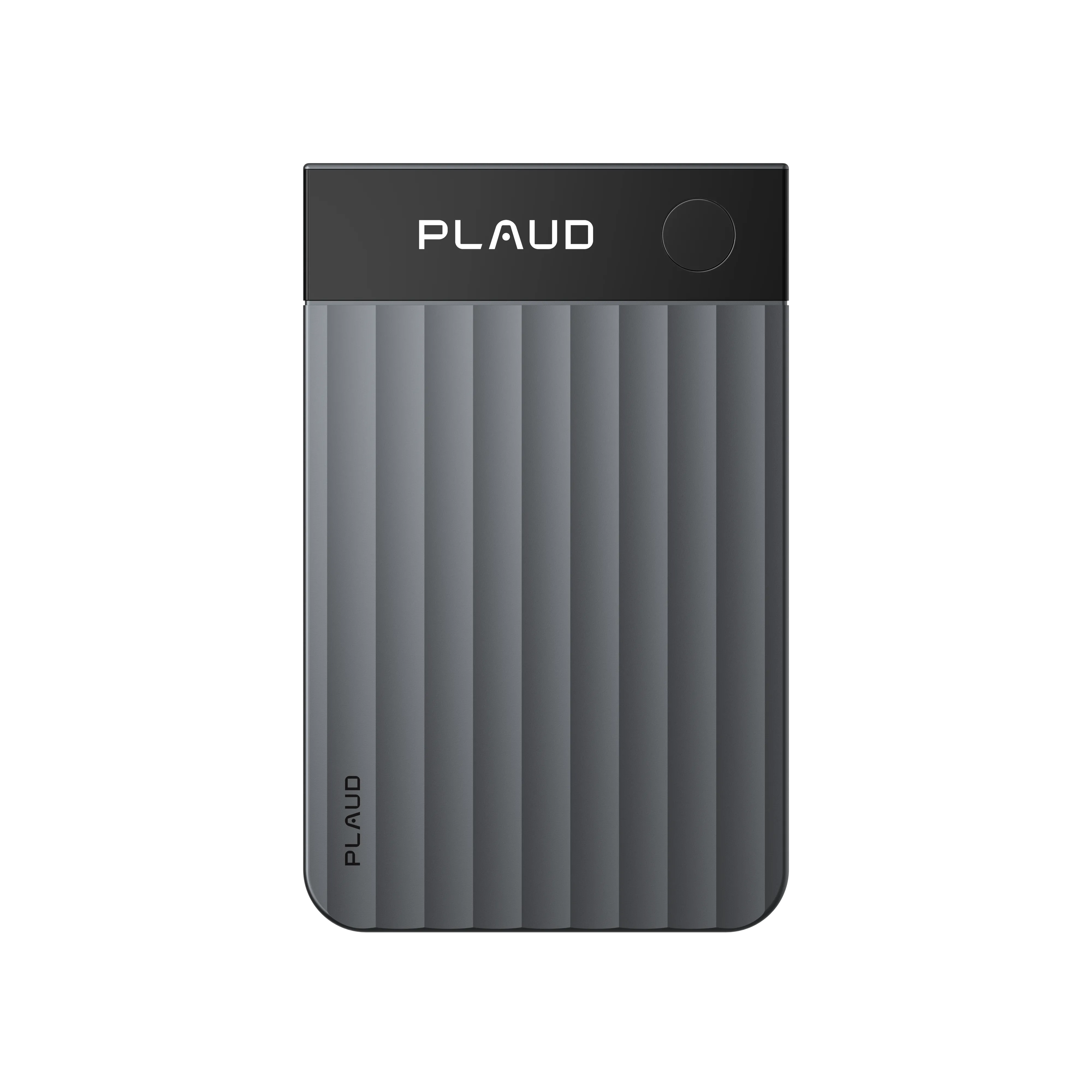
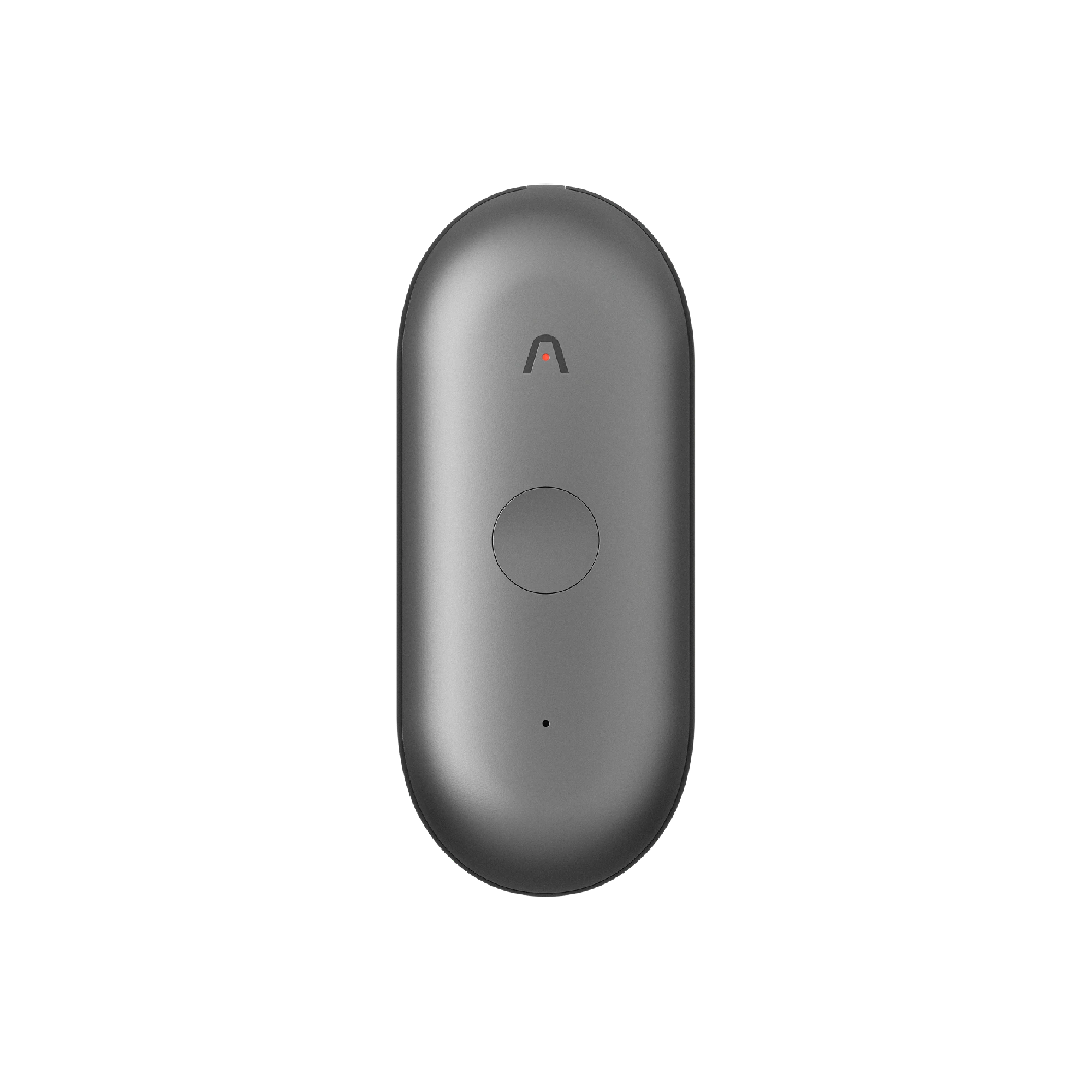
Plaud Note Pro is a credit-card-sized recorder that I leave on the conference table during standups and planning sessions, and it handles the full capture-to-summary pipeline without a laptop or bot involved.

Why It works for team meetings
The template system is what makes this genuinely useful for recurring team meetings. I set up three templates:
-
A standup template that sorts output into blockers, decisions, and owners
-
A retro template that groups feedback by theme and flags action items
-
A planning template that pulls out commitments with deadlines
After each meeting, I sync the device and get structured notes within a few minutes. Not a raw transcript, but formatted output that matches the meeting type. The highlight button helps too. When someone commits to a deadline or raises a blocker, I tap the button, and the AI weights that moment in the summary.
For hybrid setups, Plaud Desktop captures online meetings without a bot. So whether my team is in a room or on a call, I'm covered by the same ecosystem. The pickup range on the Pro handles rooms with eight to ten people without issues, and the battery lasts me about a week and a half of regular use.
A few things that matter for team leads specifically:
-
Multidimensional summaries: one recording can generate separate outputs for different audiences (a technical summary for the team, a status update for leadership)
-
10,000+ community templates, plus custom templates you can build yourself
-
Compliance stack (ISO 27001, SOC 2, HIPAA, GDPR) that passed our security review without pushback
Where It's not the best choice
Plaud is a personal capture tool, not a team collaboration platform. There's no shared workspace where my whole team can view, comment on, and edit meeting notes together. I export notes to Slack or Notion manually. For a small team that's fine. For a 20-person department that needs centralized meeting history with permissions, you'll want something like Fellow. The 300 free transcription minutes per month also run out quickly if you're recording three or four meetings a day, so the subscription upgrade is basically required.
Fellow
Fellow is the tool that tries to own the full meeting lifecycle: agenda, recording, notes, action items, and follow-up. If your team already lives in project management tools, Fellow plugs into that workflow.
Why It works for team meetings
The action item integration is Fellow's strongest feature for team use. After a meeting, action items can flow directly into Jira, Asana, Linear, or ClickUp. No copy-pasting, no manual ticket creation. For a team lead who spends 20 minutes after each meeting transferring action items into a project board, this is a real time-saver.
Other things I found useful:
-
Meeting templates for standups, 1:1s, and retros with pre-built structures
-
Ask Fellow lets you search across all past meetings with natural language
-
Bot and botless recording under the same security framework
-
Shared workspace where the team can see notes, add comments, and flag corrections
-
SOC 2, HIPAA, and GDPR compliant
The collaboration layer is what separates Fellow from personal note-takers. Everyone on the team can access the same meeting notes, add context, and track action items from one place.
Where It's not the best choice
The pricing climbs fast. The Business plan ($15/user/month) is where you unlock unlimited recordings and the integrations that matter. For a team of eight, that's $120/month before you even get to the Enterprise tier. The free plan is too limited for any real team use (5 AI notes total). And Fellow is purely a virtual meeting tool. It doesn't capture in-person meetings natively. If your team does whiteboard sessions, hallway conversations, or conference-room standups without a laptop open, you'll need a separate solution for those.
Otter.ai
Otter was one of the first AI transcription tools, and its biggest differentiator for team meetings is real-time collaborative editing during the call itself.
Why It works for team meetings
What's unique about Otter is live collaboration. While the meeting is happening, multiple team members can highlight key moments, add comments, and tag action items directly in the running transcript. For retros and planning sessions where I want the team to actively participate in note-taking, this changes the dynamic.
Key features for teams:
-
Live transcript editing by multiple users simultaneously
-
Action items automatically captured and assigned
-
Meetings grouped by team, project, or topic in shared workspaces
-
AI Chat that searches across meetings and connected apps
-
Works on Zoom, Google Meet, Teams, and has a mobile app for in-person use
The workspace organization is helpful for teams with a lot of recurring meetings. I can group all sprint retros into one channel, all standups into another, and the team can browse back through previous sessions without digging through a flat list.
Where It's not the best choice
Otter's enterprise security has been a concern. There were past reports of data access issues, and while they've been addressed, our security team flagged it during review. The free plan is limited (just 600 minutes/month across 3 users), and the Business plan at $20/user/month is comparable to Fellow but with weaker project management integrations. Otter also doesn't push action items into tools like Jira or Linear natively; you need Zapier for that, which adds friction. And I've found the AI summaries less structured than Fellow or Plaud for different meeting types. You get one format, not templates tailored to standups vs. retros.
Fireflies.ai
Fireflies has been around for a while, and its standout feature is a searchable archive of every meeting your team has ever recorded. If you're the kind of team lead who needs to reference something from a planning session three months ago, this is where Fireflies shines.
Why It works for team meetings
The cross-meeting search is powerful. I can ask "what did we decide about the API migration" and get results from multiple meetings with timestamps and speaker attribution. For teams that make decisions incrementally across many standups and syncs, this searchability is genuinely valuable.
Other things that work well:
-
AI extracts action items, decisions, and key topics from each meeting
-
Private channels for team-specific meetings
-
Analytics dashboard showing speaking time and participation per person
-
Integrations with Slack, Asana, Notion, and more
-
Over 100 languages supported
The analytics feature is surprisingly useful for retros. I can see if one person is dominating discussions or if someone hasn't spoken up in weeks. It's a soft signal, not a performance metric, but it helps me facilitate better.
Where It's NOT the best choice
The Fireflies bot ("Fred") joins every call visibly, and I've noticed team members are less candid when they know a third-party tool is recording. For retros where you want honest feedback, that visibility is a problem. The free plan is limited to basic transcripts with no AI summaries. The Business plan ($19/user/month) unlocks the features that actually matter. And Fireflies stores everything in their cloud by default, which some teams aren't comfortable with.
Fathom
Fathom offers the most generous free tier in this category: unlimited recording and transcription with no monthly cap. If your team is small and budget is the main constraint, Fathom covers the basics well.
Why It works for team meetings
For a small team (three to five people) that just needs reliable meeting capture without paying anything, Fathom is hard to beat. The free plan includes:
-
Unlimited recordings on Zoom, Google Meet, and Teams
-
Basic AI summaries with action items
-
Searchable transcript archive
-
CRM integration (HubSpot, Salesforce) on paid plans
The summaries are clean and fast. Within 30 seconds of a meeting ending, I get a structured recap with key points and action items. The interface is simple, which means low adoption friction. My team didn't need training; they just started using it.
Where It's NOT the best choice
The free plan limits AI-enhanced summaries to 5 per month. Beyond that, you get basic summaries without the advanced action item extraction. The Teams plan ($19/user/month) adds team features, but at that price, Fellow offers more depth. There's no shared workspace, no team-wide templates, and no native integration with project management tools beyond CRM. Fathom also doesn't support in-person meetings at all. It's online-only. For a team lead who needs meeting notes to drive follow-through across sprints, Fathom feels like a starting point, not an endpoint.
Granola
Granola takes a different approach. It runs locally on your Mac, captures system audio without a bot, and merges your typed notes with the AI transcript to produce a hybrid summary.
Why it works for team meetings
The no-bot approach is genuinely different. Nobody on the call sees a recording notification, and there's no third-party participant joining. For retros and feedback sessions where candor matters, this removes a layer of self-censorship.
What I like about the workflow:
-
Type quick bullet points during the meeting, and Granola enriches them with transcript context
-
"Recipes" turn meetings into specific outputs (standup summaries, project briefs, retrospective reports)
-
No audio stored, only text transcripts, which simplifies privacy concerns
-
SOC 2 compliant, and AI vendors can't train on your data
The Recipes feature is particularly clever for team meetings. I have one that generates a standup format (blockers, progress, next steps) and another for retros (what worked, what didn't, actions). The output feels more like my notes, not a generic AI summary.
Where It's not the best choice
Granola is Mac and iPhone only, which is a non-starter for teams with Windows or Android users. The collaboration features are basic compared to Fellow or Otter. Team folders exist on the Business plan, but there's no real-time co-editing or comment threads. The free plan limits your meeting history, and the Enterprise tier ($35/user/month) is pricier than Fellow for fewer team features. The biggest gap: no integration with Jira, Linear, or Asana for pushing action items. You can export to Notion and Slack, but closing the action-item loop still requires manual steps.
So which one should you pick?
This depends on where your team's biggest bottleneck sits.
-
If action item follow-through is the main problem (tasks get discussed but don't make it into your project board), Fellow is the right pick. The native integrations with Jira, Asana, and Linear close the gap between "we talked about it" and "it's in the sprint." Pair it with Plaud if you also have in-person meetings to capture.
-
If real-time collaboration is what you need (multiple people contributing to notes during the meeting), Otter gives you live co-editing and shared workspaces. It works best for distributed teams where everyone is on a call and wants to participate in note-taking.
-
If you just want fast, structured notes with minimal setup, start with Fathom (free) or Granola (lightweight). They won't give you team-wide collaboration or deep integrations, but they'll eliminate the 20 minutes of post-meeting note-writing. Upgrade when you outgrow them.
-
If your meetings happen in both conference rooms and on screens, Plaud Note Pro covers both with one ecosystem. The template system gives you structured output for different meeting types, and Plaud Desktop handles the online side.
-
If you need to search across months of meetings, Fireflies' archive and cross-meeting search are the strongest in this list.
Conclusion
For team meetings, the tool that matters most isn't the one with the best transcription or the prettiest summary. It's the one that gets action items out of a meeting and into someone's actual task list with an owner and a deadline. That's the gap where team meetings fail: not in the recording, but in the follow-through.
Here's a concrete next step. Go back and look at your last three team meetings. Pull up whatever notes exist. Count the action items that were captured, and then check how many actually got completed. If the completion rate is above 80%, your current setup works and you probably don't need this article. If it's below 50%, the notes aren't the problem. The connection between notes and workflow is. Pick a tool that closes that connection, not one that just writes prettier summaries.