As a consultant, most of my important meetings don't happen on Zoom. They happen in a client's conference room, at a partner's office, or around a table at a co-working space. If 90% of your meetings are virtual, this guide isn't for you. Otter and Fireflies handle video calls just fine. This is for the rest of us.
Here's what keeps tripping me up: I walk out of a two-hour strategy session, and by the time I open my laptop at the hotel, I've already lost the exact wording of what the CFO committed to. I scribble notes during the meeting, but then I'm not really listening. I pull out my phone to record, and the client gives me a look. Either way, I end up writing a recap email that's half guesswork, and two weeks later someone disputes an action item that I'm 80% sure we agreed on.
That kind of ambiguity costs real work. It turns into a "clarification call" that eats another hour, or worse, a deliverable built on the wrong assumption. So I started testing dedicated tools for capturing in-person conversations. Here's what I found.
How I picked these tools
Why In-Person recording is a different problem
Most AI note takers were built for Zoom. They join your call as a bot, record the audio stream, and generate a summary. That works great until you're sitting across from a client with no meeting link in sight.
In-person recording needs three things that software alone can't always provide. First, a microphone that actually picks up everyone in the room, not just the person sitting closest to your phone. Second, something that works without Wi-Fi, because client offices often have restricted guest networks. Third, a form factor that doesn't scream "I'm secretly recording you." My phone lying face-up on the table always feels a bit off.
What I actually look for
After testing a handful of options over the past several months, I've narrowed it down to three things that matter most.
Pickup range and audio quality. If the device can't clearly capture someone sitting ten feet away, the transcript is useless. I've had recordings where half the room sounds like mumbling, and no amount of AI can fix that.
Professional appearance. This sounds minor, but it's not. When I place something on a conference table in front of a client's leadership team, it needs to look intentional. A phone propped up awkwardly doesn't cut it.
Offline reliability. I've been in client offices where I couldn't even get on the guest Wi-Fi. If the recorder needs a live internet connection to function, it's a non-starter for me.
Quick comparison
| Device | Works well when | Falls short when | Best for |
|---|---|---|---|
| Plaud Note Pro | Large conference rooms, 6-12 people | Budget is tight, or meetings are mostly 1-on-1 | Consultants who need boardroom-ready gear |
| Plaud Note | Small to mid-size meetings, everyday carry | Big rooms with 10+ people, or high-profile client settings | Consultants wanting reliable capture without the premium price |
| Sony ICD / Olympus recorders | You need a tried-and-true device that just records | You want automatic transcription or AI summaries | Consultants comfortable with manual post-processing |
| Otter AI (mobile app) | You have reliable Wi-Fi and a smaller meeting | Client offices with restricted networks, or large rooms | Consultants already paying for Otter on virtual calls |
| Phone recorder + AI upload | Budget is zero, meetings are informal | Any professional or high-stakes setting | Freelancers or early-career consultants testing the waters |
5 best AI note takers for In-Person meetings
Plaud Note Pro
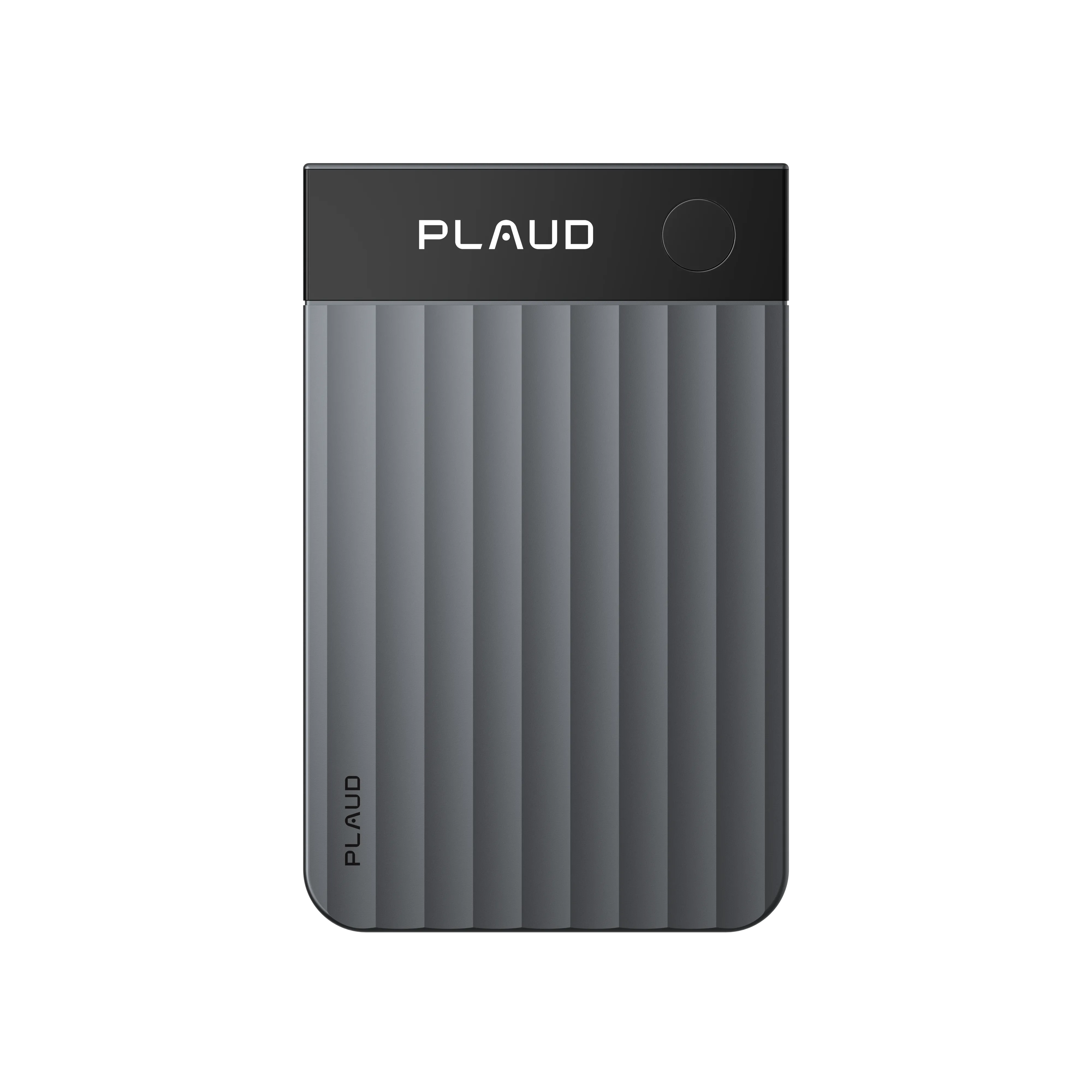
Plaud Note Pro is the device I now leave on the table in every client meeting without thinking twice about it. It's about the size of a credit card, thin enough to slip into my wallet, and the small screen on front lets me confirm it's actually recording without fumbling with my phone.

Why It Works for Consulting
I put it in the center of the conference table, press the button, and it picks up everyone in the room clearly. In a recent workshop with about ten people, I could identify individual speakers in the transcript afterwards, even the quieter ones sitting at the far end. The built-in screen shows recording status and battery, so there's no guessing.
What sold me was the offline piece. The device stores everything locally (it has 64GB of onboard storage), and I sync it to the app later when I'm back at the hotel or airport. No Wi-Fi dependency during the actual meeting. The battery lasts me about a week to two weeks depending on how many sessions I run per day, so I've never had it die on me mid-session.
After syncing, the Plaud app generates a transcript with speaker labels and then creates summaries using different templates. I use the meeting minutes template for most client sessions and the action items template for project kickoffs. The highlight button is something I didn't expect to use much, but now I press it whenever a client makes a key decision or commitment. Those moments show up flagged in the summary, which saves me a lot of scrubbing later.
Where It's not the best choice
The device runs about $179, and if you need more than 300 transcription minutes per month, you'll need a paid plan on top of that. For consultants doing three or four long sessions a week, that cost adds up. I also found the magnetic charger a bit annoying. It's proprietary, so if I forget the cable on a trip, I can't just borrow a USB-C from someone. And for quick 1-on-1 coffees, it feels like overkill to pull out a dedicated device. My phone works fine for those.
Plaud Note
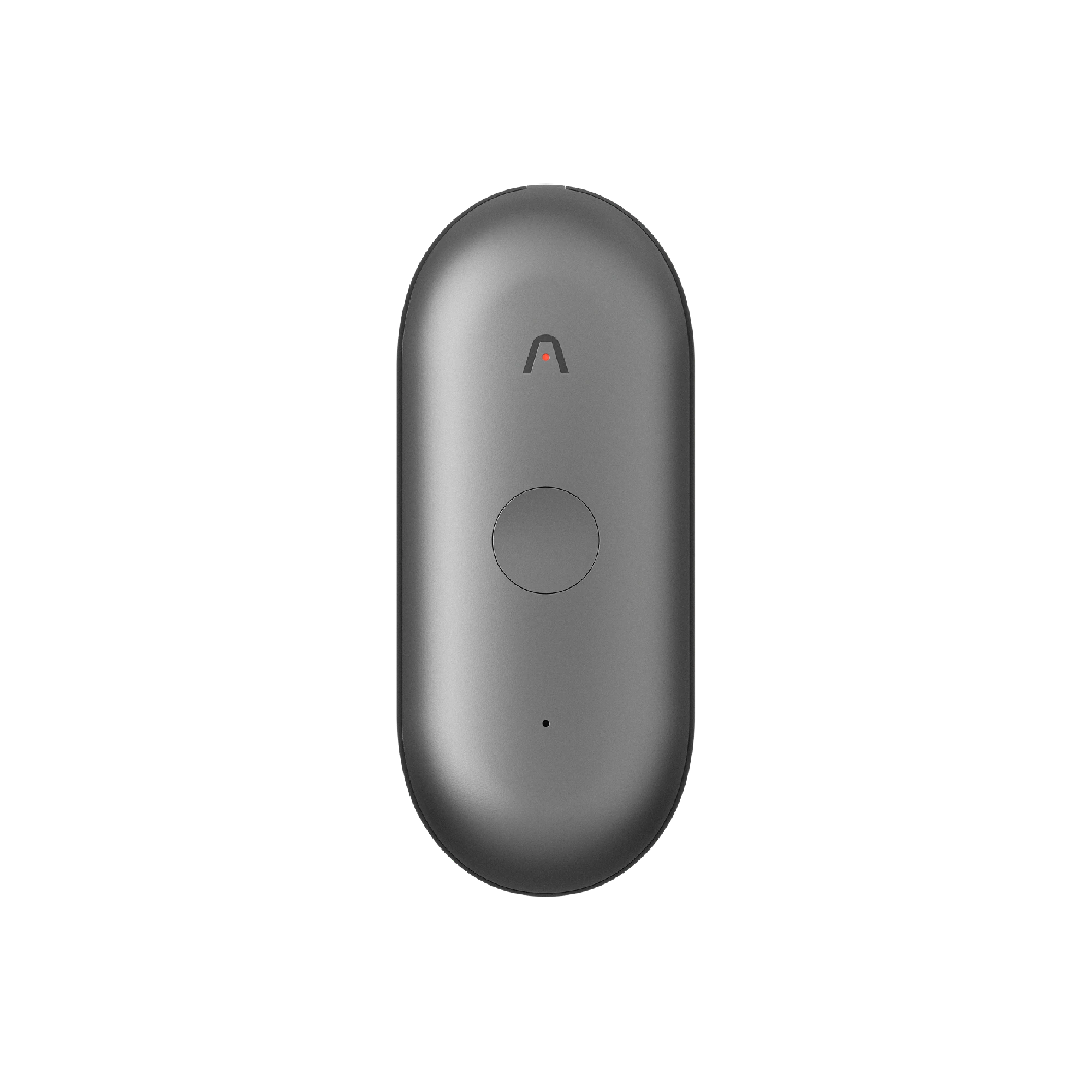
Think of this as the more affordable version that still covers the essentials. Same credit-card form factor, same one-button recording, same app and AI processing on the backend. If you're not sure whether a dedicated recorder is worth the investment, this is a lower-risk way to find out.

Why It works for consulting
The basics are solid: press the button, it records. Sync to the app, get your transcript and summary. It works offline, it's small enough to forget it's there, and the audio quality is good for rooms where people are within about eight to ten feet. For a typical meeting with four to six people around a table, it captures everything I need.
I used the original Plaud Note for about three months before upgrading, and it handled my day-to-day client meetings without issues. The app experience is the same as the Pro, so you get the same AI summaries, the same template library, and the same export options (DOCX, PDF, markdown). For a junior consultant or someone just starting to build a recording habit, this covers a lot of ground.
Where It's not the best choice
The pickup range is noticeably shorter than the Pro. In a large boardroom with eight or more people spread out, the far corners got muddy in my recordings. There's no screen on the device, so I had to check my phone to confirm recording status, which felt a little clunky in front of clients. And it only has two microphones compared to the Pro's four, so background noise (HVAC, hallway chatter) was harder to filter out. If your typical meeting is a big room with a lot of people, the Pro's extra range is worth the price difference.
Sony ICD-UX570 / Olympus WS Series
These are the recorders that have been on the market for years, and they still do one thing very well: capture clean, reliable audio. If you've seen a small silver device sitting on a conference table at some point in your career, it was probably one of these.
Why they work for consulting
The recording quality is excellent. Sony and Olympus have been making voice recorders for decades, and the hardware is mature. Battery life varies by model — the Olympus WS-883 runs up to 110 hours on two AAA rechargeable batteries (easily weeks of moderate use), while the Sony ICD-UX570 uses a built-in rechargeable lithium battery lasting about 20-27 hours. There's no ambiguity, no "is that a phone?" moment. It's clearly a recorder, and for some client cultures, that directness is actually a plus.
They also don't need any internet connection, any app, or any subscription. You press record, you stop, and the audio file is sitting on the device ready to transfer. For consultants who've been burned by apps crashing or subscriptions expiring at the wrong time, there's something reassuring about a device that just does one thing.
Where they fall short
The recording is where these devices end and the work begins. There's no automatic transcription, no speaker labels, no AI summary. After a two-hour meeting, I'm looking at a two-hour audio file that I have to either listen back to manually or upload to a separate transcription service (like Otter's upload feature or a standalone tool like Notta). That post-processing step easily adds 30 to 45 minutes per meeting, sometimes more if the audio needs cleanup.
I used a Sony for about a year before switching, and the gap between "recording" and "usable notes" was the thing that eventually pushed me to look for something with built-in AI. If you're disciplined about post-processing and don't mind the extra step, these are still solid. But for a consultant doing four or five client meetings a week, that manual work stacks up fast.
Otter AI (Mobile App)
If you're already paying for Otter to handle your virtual meetings, the mobile app lets you record in-person conversations using your phone's microphone. It's not a dedicated device, but it's a way to get Otter's AI features (real-time transcription, summaries, action items) into a face-to-face setting without buying extra hardware.
Why It works for consulting
The software side is genuinely strong. Otter's transcription accuracy is solid, especially in English, and the post-meeting summary is well-structured. I like that it breaks the conversation into topics and highlights action items automatically. If I'm in a smaller meeting (three or four people in a quiet room) and I have decent Wi-Fi, the app does a good job. The live transcript feature is useful too: I can glance at my phone and see the conversation being transcribed in real time, which helps me catch misheard terms.
The free plan gives you a reasonable amount of transcription time to try it out, and if you're already on a paid Otter plan for virtual meetings, there's no additional cost for in-person recording.
Where It's not the best choice
The phone microphone is the weakest link. In a room with six or more people, the person sitting farthest from my phone was often garbled or missed entirely. Background noise (AC, street noise, even someone shifting papers) degrades the quality quickly. And here's the big one for consulting work: the app needs an internet connection for real-time transcription. In a client office with no guest Wi-Fi, or in a basement meeting room with spotty signal, the live features don't work. You can still record the audio and process it later, but then you lose the real-time piece that makes Otter useful.
There's also the optics issue. Having my phone sitting face-up on the table, screen occasionally lighting up with transcript text, can feel distracting. I've had clients glance at it mid-sentence, which breaks the flow of conversation. A dedicated device doesn't trigger that reaction the same way.
Your Phone's built-In recorder + AI transcription
This one isn't a product recommendation so much as a reality check. A lot of consultants, myself included, started here. You open the voice memo app on your phone, hit record, and after the meeting you upload the file to ChatGPT, Notta, or another transcription tool. Total cost: zero.
Why It works for consulting
It's free, it's always with you, and it requires no setup. For informal internal meetings, brainstorms, or situations where you just want a rough record of what was discussed, it gets the job done. I still use this approach for quick internal calls where I don't want to bother setting up a separate device. Some newer phones (Pixel, recent iPhones) have surprisingly decent built-in microphones, and the transcription quality from tools like ChatGPT or Whisper has improved a lot.
Where It's not the best choice
The problems show up fast in a professional consulting context. First, phone microphones are designed for voice calls, not conference room recording. Anything more than about three or four feet away gets quiet and unclear. Second, there's no automatic processing. You finish the meeting, and now you have a raw audio file that you need to manually upload somewhere, wait for transcription, and then review the output. That workflow takes time, and it's easy to let recordings pile up when you're traveling between client sites.
Third, the professionalism factor. I've been in meetings where pulling out my phone to record made people visibly uncomfortable. Even after explaining it's just for notes, there's a moment of hesitation. A dedicated device placed on the table feels more deliberate and professional. And fourth, if you get a call or a notification mid-recording, some phone recorders will pause or stop entirely. I lost a 45-minute recording once because of an incoming call. That was enough to convince me I needed a separate device.

So which one should you pick?
Here's how I'd think about it:
If you're regularly in conference rooms with 6+ people and need to look polished in front of clients, the Plaud Note Pro is the most complete option. The range, the screen, the offline reliability, and the AI processing make it worth the $179 if in-person meetings are a core part of your work.
If you're budget-conscious or mostly in smaller meetings (2-5 people), the Plaud Note covers the fundamentals at a lower price point. You're trading some pickup range and the on-device display, but the core recording and AI workflow is the same.
If you want a traditional, proven recorder and don't mind the manual post-processing, a Sony ICD or Olympus WS series will give you clean audio for years. Just budget the extra time for transcription.
If you're already paying for Otter and your meetings are in small, Wi-Fi-equipped rooms, the mobile app is a no-cost way to extend your existing subscription to in-person settings. Just know the phone mic has real limitations.
If you're just starting out and want to test the concept before spending anything, use your phone's built-in recorder with a free transcription tool. It's imperfect, but it'll help you figure out whether automated note-taking actually changes your workflow before you invest in dedicated hardware.
Conclusion
For a consultant, the right tool comes down to three things: how well it picks up audio across a room, how professional it looks on a client's table, and whether it works when the Wi-Fi doesn't.
My setup now is a Plaud Note Pro for client-facing meetings and my phone for quick internal stuff. That combination covers about 95% of my recording needs. The Note Pro paid for itself within the first month just by eliminating the "wait, did we agree on that?" follow-up calls.
Here's a practical next step: track your meetings for one week. Note how many are in-person vs. virtual, how big the rooms are, and whether you have reliable Wi-Fi at each location. That gives you the data to pick the right tool from this list instead of guessing.