I keep two mental clocks running during every shift. One tracks the psychiatric interview unfolding in front of me: affect, thought process, risk factors, therapeutic alliance. The other tracks how many minutes of documentation I am accumulating with each patient. On a typical day in a general hospital psychiatry department, those two clocks are always in conflict. Morning outpatient sessions generate SOAP notes. Afternoon inpatient consultations require consultation-liaison notes with medical context, psychiatric formulation, medication reconciliation, and capacity assessments. Add psychological evaluations and MDT discussions, and the documentation load becomes the heaviest part of the job.
The core problem is that two parallel documentation systems (medical and psychological) demand different structures, different vocabularies, and different compliance standards, yet they describe the same encounter. After testing multiple AI recording tools across both settings over the past year, here is what I found actually works.
How we chose the best AI note takers for medical & therapy sessions in 2026
Most AI note taker reviews evaluate tools as if every clinical encounter is the same. A dermatology follow-up and a psychiatric crisis assessment have almost nothing in common from a documentation standpoint. The evaluation framework here is built specifically for hospital-based psychiatrists who operate across multiple clinical contexts daily.
The dual documentation challenge: medical and psychological
Hospital psychiatrists live in two documentation worlds simultaneously. The medical record requires structured clinical data: chief complaint, history of present illness, mental status examination, differential diagnosis, treatment plan, medication changes. The psychological record often demands a different architecture: session notes with therapeutic content, risk assessment narratives, psychometric scoring, formulation updates, and progress toward treatment goals.
Most EHR systems handle one of these well and the other poorly. The result is that many consultation-liaison psychiatrists spend 30 to 45 minutes per day reformatting the same clinical information into two different structures. An AI note taker that only produces one output format solves half the problem, which often means it solves none of it.
The tools on this list were evaluated on their ability to support both documentation paradigms from a single recorded encounter.
The 3 decision variables
- Multi-Template Support. Can the tool generate different note structures from the same audio? A morning outpatient session might need a standard psychiatric SOAP note, while the afternoon bedside consultation for the same patient (now admitted to the cardiology ward) needs a consultation-liaison format. The ability to apply different templates to the same recording, or to customize output structures, is the single most important differentiator for this specialty.
- Compliance and Security. Psychiatric documentation carries heightened sensitivity. Therapy content, substance use disclosures, suicidal ideation discussions, and involuntary treatment details all require robust data protection. HIPAA compliance is the baseline; encryption standards, data storage policies, and access controls matter more here than in most other specialties. Any tool that stores unencrypted audio of a psychiatric interview on a cloud server is a liability.
- Online and Offline Coverage. Hospital psychiatrists do not work in one room. The morning is outpatient clinic (quiet, controlled, consistent). The afternoon might be a bedside consultation in a noisy cardiac step-down unit. The evening could include a telehealth follow-up with a recently discharged patient. A useful AI note taker needs to function across all three environments without requiring different hardware or workflows for each.
Quick Comparison Table
|
Tool |
Works well when |
Falls when |
Best for |
|
Plaud Note Pro |
Dual-format documentation needed; mixed outpatient/inpatient workflow |
Direct EHR integration required; large team management |
Psychiatrists needing one device for medical and therapy notes |
|
Plaud NotePin S |
Bedside consults; ward rounds; discretion is critical |
Multiple template switching mid-day; very noisy wards |
Consultation-liaison psychiatrists on the move |
|
Nuance DAX Copilot |
Deep EHR integration; Epic/Cerner-native workflows |
Offline environments; budget-limited departments |
Health systems with existing Microsoft/Nuance contracts |
|
Mentalyc |
Therapy-specific documentation; psychotherapy progress notes |
Medical documentation needs; inpatient settings |
Outpatient-focused therapists within hospital systems |
|
Abridge |
Real-time note generation; patient transparency preferred |
Non-English sessions; complex multi-format needs |
Academic psychiatry departments with Epic integration |
5 best AI note takers for medical & therapy sessions

1. Plaud Note Pro: dual-template documentation for medical and therapy notes
One-line positioning: One device, two documentation systems, zero reformatting.
Why it works
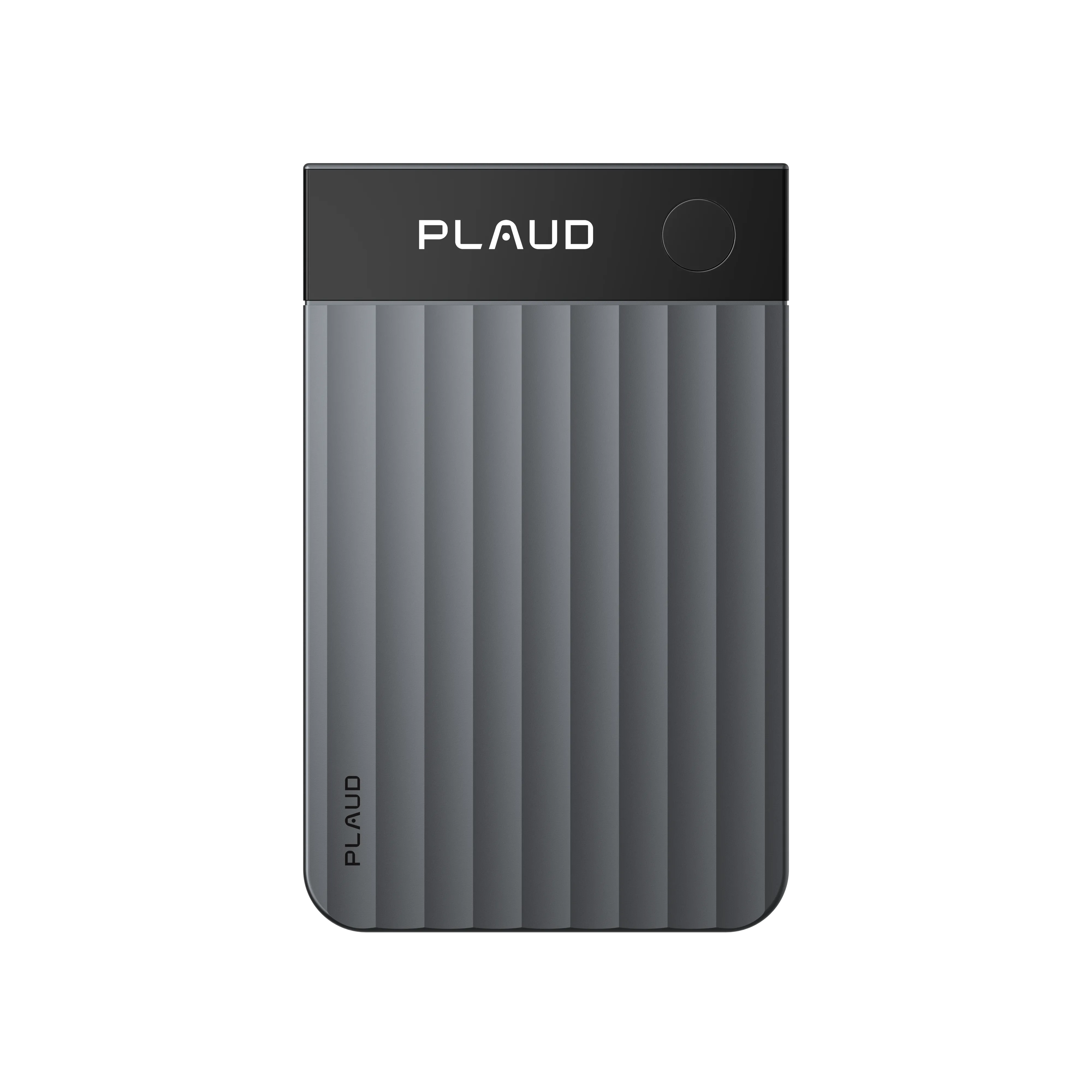
The Plaud Note Pro addresses the central pain point of hospital psychiatry documentation: the need to produce structurally different notes from a single clinical encounter. With 30+ professional summary templates and the ability to create custom templates, the Note Pro allows you to record a 45-minute outpatient psychiatric session once and generate both a medical SOAP note and a therapy progress note from the same audio.
In practice, this works as follows. You place the Note Pro on your desk (or on the bedside table during an inpatient consultation), press record, and conduct the session as you normally would. The device's 5-meter (16.4 feet) pickup range comfortably captures conversation across a standard consultation room or hospital bed area. After the session, Plaud.AI's transcription engine processes the recording with speaker differentiation, separating your voice from the patient's across 100+ supported languages.
Here is where the dual-template capability becomes genuinely useful. You can apply a medical consultation template to extract the structured clinical data (presenting complaint, MSE findings, medication changes, risk assessment, disposition) and then apply a psychotherapy note template to capture the therapeutic content (session themes, patient responses, therapeutic interventions used, homework assigned, alliance observations). Two documents, one recording, no reformatting.
The security architecture matters particularly for psychiatric content. The Note Pro operates with AES-256 encryption and SOC2 Type II certification, and Plaud's trust framework provides a defensible compliance posture for departments navigating both HIPAA requirements and the additional sensitivity standards that psychiatric records demand. End-to-end encryption adds another layer for the most sensitive recordings.
Battery life reaches 50 hours, which in hospital psychiatry terms means you can run the device for an entire week of mixed clinic and consultation shifts without charging. The AMOLED display provides recording status at a glance, useful when you are moving between outpatient rooms and inpatient wards throughout the day.
The Pro subscription plan at $8.33 per month (billed annually at $99.99) provides 1,200 minutes of transcription, which comfortably covers most hospital psychiatry workflows. For departments with heavier consultation volumes, the Unlimited plan at $19.99 per month offers 6,000 minutes.
Where it is NOT the best choice
The Note Pro does not currently offer direct bidirectional EHR integration. Notes are generated within the Plaud app and need to be transferred (copy-paste or export) into your EHR system. For departments where the EHR workflow is the primary bottleneck (rather than the capture and structuring step), a natively integrated solution like Nuance DAX Copilot may reduce friction more effectively. Additionally, team-level management features (assigning recordings, shared templates across a department) are more limited compared to enterprise-focused platforms.

2. Plaud NotePin S: The Invisible Assistant for Bedside Consultations
One-line positioning: Ward rounds and bedside consults, documented without anyone noticing.
Why it works
Consultation-liaison psychiatry happens in other people's spaces. You are a guest on the cardiology ward, the surgical floor, the ICU. You do not have a dedicated desk, a quiet room, or a predictable environment. The Plaud NotePin Sis designed precisely for this reality.
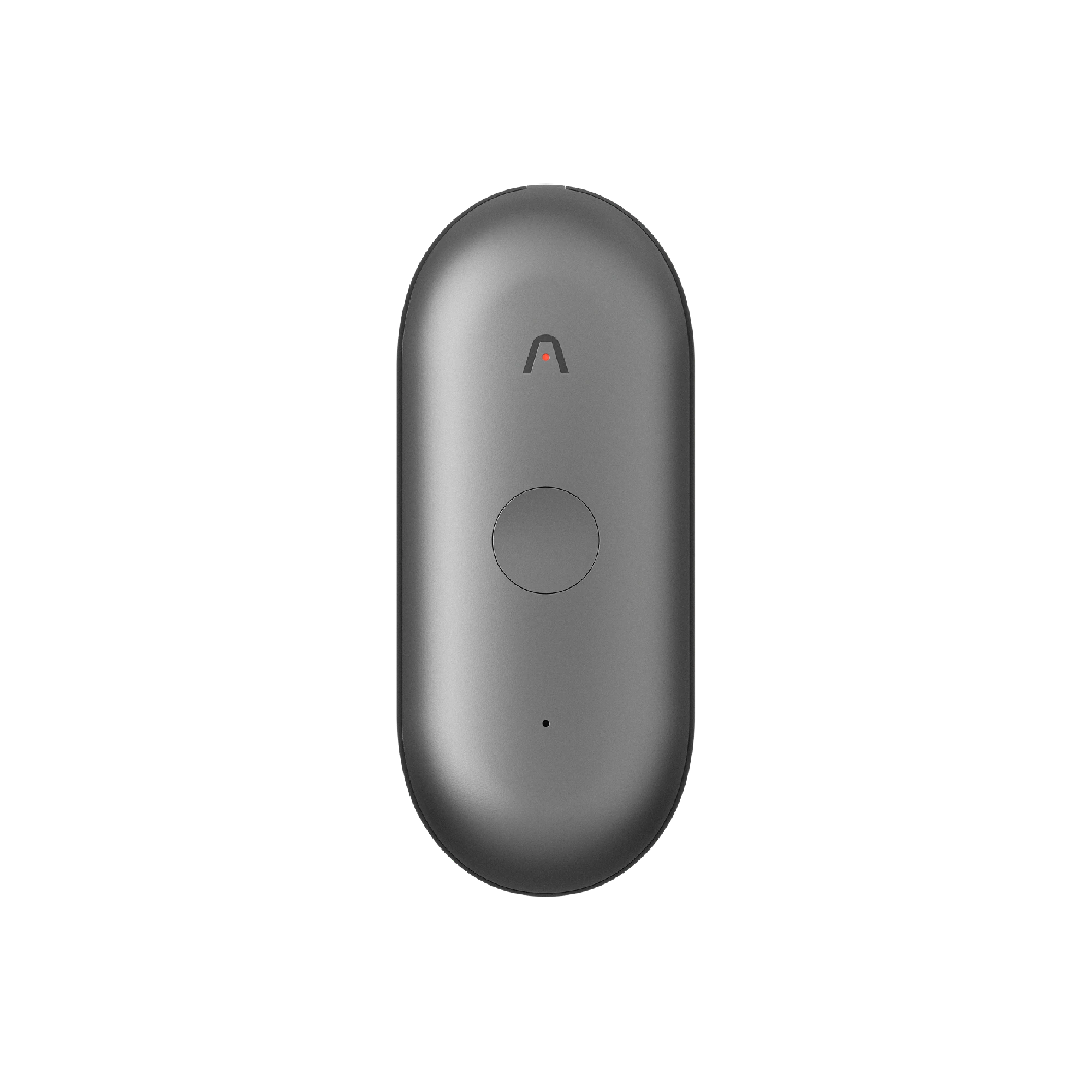
The NotePin S clips magnetically to your white coat lapel and stays there all day. During a bedside psychiatric consultation (which often happens with curtains partially drawn, monitors beeping, and nurses moving through the space), pulling out a phone to record or placing a visible device on the bed tray changes the dynamic. Psychiatric patients in medical settings are often already anxious, disoriented, or guarded. An invisible recording device preserves the therapeutic environment that consultation-liaison work depends on.
The one-press recording activation means you can start capturing the moment the consultation begins, even while walking to the bedside. The AI transcription and summary system uses the same engine as the Note Pro (speaker differentiation, 100+ languages, customizable templates), so the documentation quality is consistent across both devices.
For psychiatrists who spend significant portions of their day moving between wards, the NotePin S eliminates the "I'll write this up later" problem. By the time you have seen four consultation patients across three different floors, the details of the first encounter are already fading. Having a complete, timestamped recording with AI-generated summaries waiting in the app means your consultation notes are based on actual content rather than reconstructed memory.
Where it is NOT the best choice
The NotePin S is optimized for close-range, conversational recording. In very noisy ward environments (a busy ICU with ventilator alarms, a post-surgical recovery area with multiple simultaneous conversations), audio clarity can be affected. For physicians who need to switch between multiple documentation templates throughout the day (morning outpatient SOAP notes, afternoon consultation-liaison format, evening therapy progress notes), the Note Pro's larger interface and more deliberate template workflow may be more practical. The NotePin S excels at capturing; the Note Pro excels at structured multi-format output.
3. Nuance DAX Copilot: EHR-Native Ambient Documentation
One-line positioning: AI that writes psychiatric notes directly into your Epic or Cerner chart.
Why it works
Nuance DAX Copilot, now fully embedded in the Microsoft health technology ecosystem, offers the tightest integration with major EHR platforms. For hospital psychiatry departments operating within large health systems that have already invested in Epic or Cerner, DAX Copilot eliminates the transfer step entirely. The AI listens to the encounter through a smartphone or tablet microphone, processes the conversation, and drafts a note that appears in the EHR.
The system has improved substantially in its handling of psychiatric documentation over the past year. It can now generate reasonably structured mental status examinations, risk assessments, and medication management notes. For consultation-liaison work, the ability to have a draft note populated in the EHR before you have returned to the workroom is a meaningful time saver, particularly when multiple teams are waiting on your psychiatric assessment to make disposition decisions.
A 2024 AMA study found that physicians using ambient AI documentation reported saving an average of 7 minutes per encounter on charting. For a consultation-liaison psychiatrist seeing 8 to 12 consults daily, that translates to roughly 60 to 80 minutes reclaimed.
Where it is NOT the best choice
DAX Copilot is a software solution relying on a phone or tablet microphone. In the unpredictable acoustic environments of inpatient consultation (bedside, hallway discussions, shared rooms), audio capture quality is less consistent than purpose-built hardware like the Plaud devices. The subscription cost is significantly higher (typically $200+ per provider monthly at institutional pricing), and procurement usually requires health system-level approval. For psychiatrists who also need psychotherapy-specific note formats, DAX Copilot's templates are more oriented toward standard medical documentation than therapeutic process notes.
4. Mentalyc: AI Documentation Built Specifically for Therapy Sessions
One-line positioning: Psychotherapy note automation designed by therapists, for therapists.
Why it works
Mentalyc takes a narrow-and-deep approach. Rather than trying to serve all medical specialties, it focuses exclusively on psychotherapy documentation. The platform generates therapy progress notes, treatment plan updates, and session summaries in formats that align with how mental health professionals actually document (DAP notes, BIRP notes, narrative progress notes, and customizable templates).
For hospital psychiatrists whose practice includes a significant psychotherapy component (particularly those running outpatient therapy alongside inpatient consultation work), Mentalyc's specialty focus means the AI understands therapeutic language, session dynamics, and the distinction between clinically relevant content and conversational rapport-building. It does not try to turn a therapy session into a medical SOAP note.
The platform also handles the specific compliance considerations of psychotherapy documentation, including the separation of psychotherapy notes from the general medical record (as required under HIPAA for process notes).
Where it is NOT the best choice
Mentalyc's strength is also its limitation: it is built for therapy documentation, not medical documentation. Hospital psychiatrists who need to produce medical consultation notes, medication management records, and capacity assessments will find that Mentalyc covers only one half of their documentation needs. It is a software-only platform without dedicated hardware, so audio capture depends on whatever device you use. For the full dual-documentation challenge that consultation-liaison psychiatrists face, Mentalyc would need to be paired with a second tool for the medical side.
5. Abridge: Real-Time Clinical Documentation with Transparency
One-line positioning: AI scribing that patients can see happening in real time.
Why it works
Abridge offers a distinctive approach to the trust question in psychiatric encounters. The platform can display a real-time summary of the conversation on a screen visible to the patient. In psychiatric settings where informed consent and transparency are particularly important (forensic evaluations, capacity assessments, involuntary treatment discussions), this visibility can serve a clinical function beyond documentation efficiency.
Abridge's clinical note generation has matured considerably, with strong performance in structured clinical documentation and an official Epic App Orchard integration. For academic psychiatry departments operating within Epic-based health systems, the deployment pathway is well-established. The AI is trained specifically on clinical conversations, giving it better comprehension of psychiatric terminology and clinical reasoning patterns than general-purpose transcription tools.
The platform also supports post-encounter editing workflows, allowing psychiatrists to review, modify, and approve AI-generated notes before they are finalized, an important quality control step for the nuanced documentation that psychiatric encounters require.
Where it is NOT the best choice
Abridge is software-dependent and does not include dedicated recording hardware. Audio quality in noisy inpatient environments relies on the available microphone. Language support is more limited than Plaud's 100+-language coverage, which may be relevant for psychiatrists working with diverse patient populations through interpreters. The real-time display feature, while valuable for transparency, may not be appropriate for all psychiatric contexts; some patients may become self-conscious or modify their responses when they can see documentation forming. Pricing is institutional, making it less accessible for individual practitioners or small departments.
So which one should you pick?
The decision framework for hospital psychiatrists maps cleanly to your primary work pattern:
If your days mix outpatient clinic with inpatient consultations, and privacy is non-negotiable, the Plaud Note Pro is the most versatile choice. Its custom template system handles the dual-documentation challenge directly: one recording, two note formats. The 5-meter pickup range works equally well in a quiet outpatient room and at a hospital bedside, and the security architecture meets the heightened requirements of psychiatric content.
If consultation-liaison work dominates your schedule and you are constantly moving between wards, the Plaud NotePin S removes the documentation capture problem entirely. Clip it on at the start of your shift, press to record each consultation, and let the AI produce structured summaries while you move to the next patient. The invisible form factor preserves the therapeutic environment in sensitive bedside encounters.
If your health system mandates EHR-native documentation and you need notes written directly into Epic or Cerner, Nuance DAX Copilot or Abridge provide the tightest integration, though at substantially higher cost and with dependence on software microphones rather than optimized recording hardware.
If your practice is primarily psychotherapy-focused with less medical documentation demand, Mentalyc's therapy-specific templates produce the most clinically appropriate session notes, though it will not cover your medical documentation needs.
Conclusion
The defining challenge for hospital psychiatrists is not documentation volume alone; it is documentation duality. You are expected to produce medical records that satisfy the general hospital's requirements and psychological records that meet mental health documentation standards, often from the same 30-minute encounter. Any AI note taker that only addresses one side of this equation leaves you doing manual work on the other.
The practical selection criterion, then, is straightforward: choose the tool that best supports two documentation outputs from a single clinical interaction, while maintaining the security standards that psychiatric content demands and fitting the physical environments where you actually work.
A concrete next step: for one week, track how many minutes you spend on medical documentation versus psychological documentation after each encounter. Calculate the ratio. That number will tell you whether you need a tool optimized for dual-format output (like the Plaud Note Pro), a tool optimized for mobile capture (like the NotePin S), or a tool optimized for EHR integration (like DAX Copilot). The answer is in your own workflow data.